Every byte moved has a cost. As model checkpoints grow to hundreds of gigabytes or even a terabyte, that cost adds up quickly. To make things even worse, moving these model weights around the cluster is extremely common. For instance, a cold start may pull weights from remote storage into GPU memory; autoscaling and rolling updates must populate each new replica; and RL post-training continuously moves updated weights from trainers to roll out workers. These may look like different workflows, but they impose the same recurring tax: time spent moving weights before useful work can begin.
ModelExpress: Accelerating the model weight lifecycle
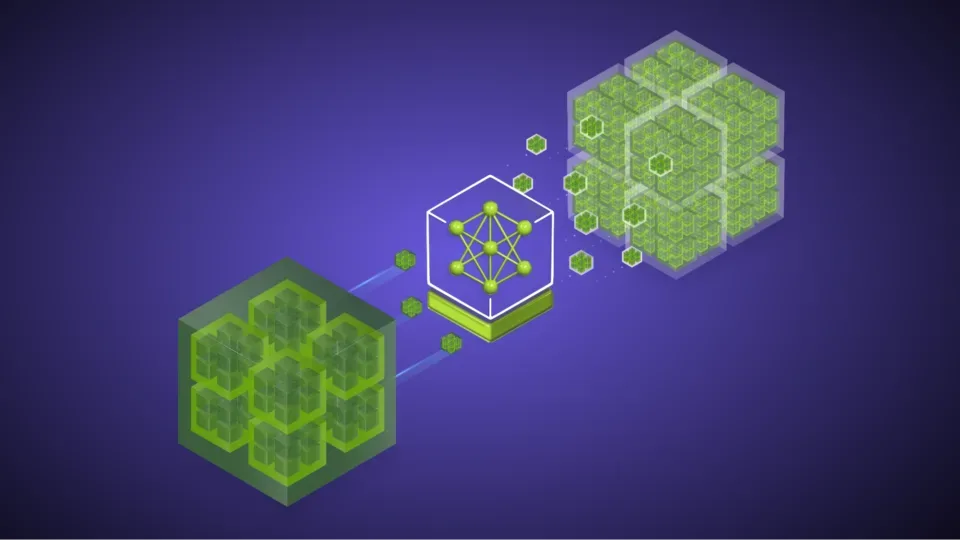
NVIDIA ModelExpress (MX) is built around a simple idea: Before loading a model, first ask where a compatible copy of its weights already lives. Rather than treating every replica as an independent cold start, MX chooses the fastest available source and transfer path.
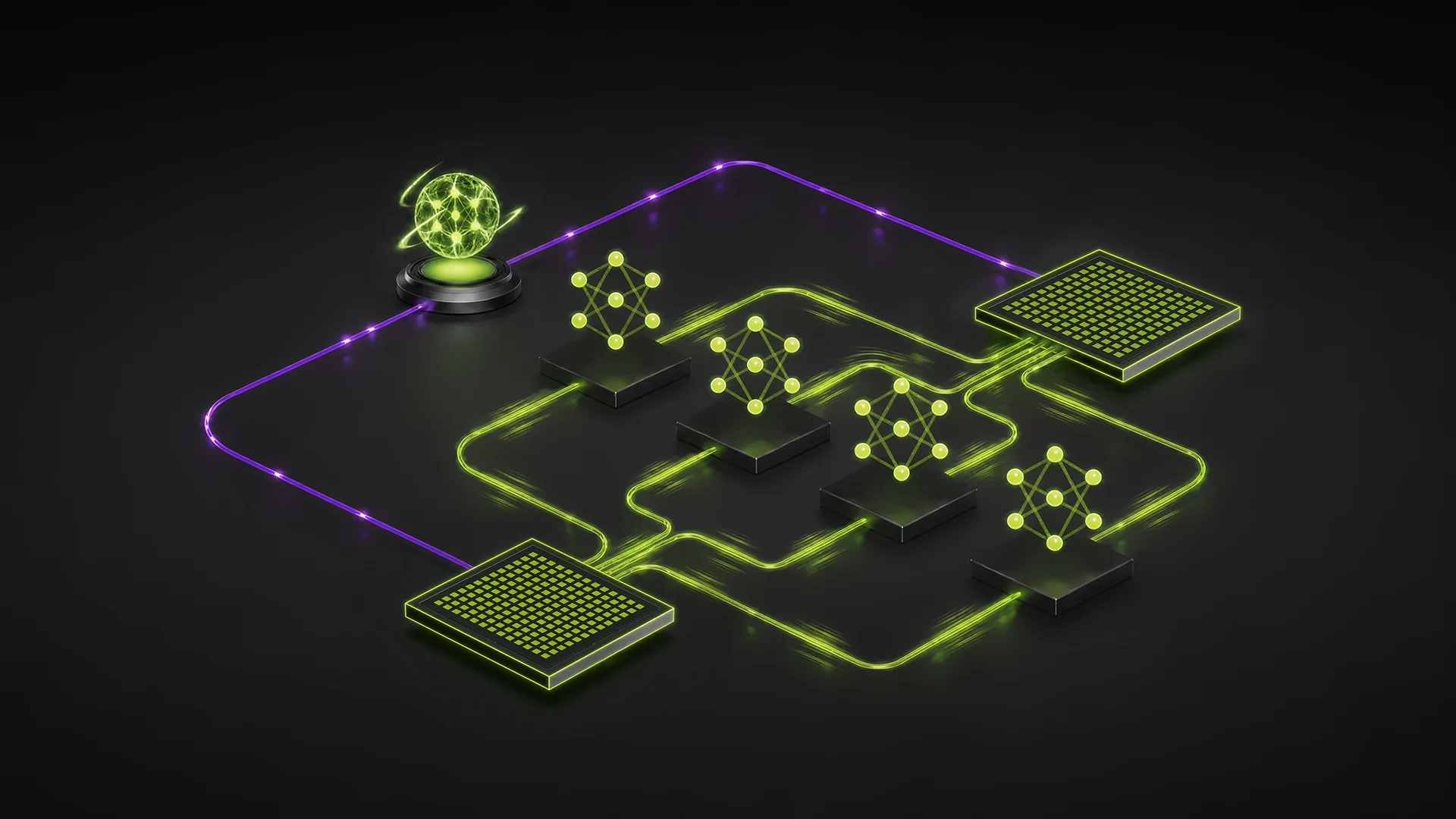
When a serving peer already holds compatible weights in GPU, MX transfers them directly from GPU to GPU over P2P RDMA via NVIDIA Inference Xfer Library (NIXL), bypassing redundant access to object storage, local disk, and host memory. When no peer is available, MX bootstraps from the fastest supported path by streaming from an object store without landing on disk or reading local files directly into GPU memory.

 aws.amazon.com