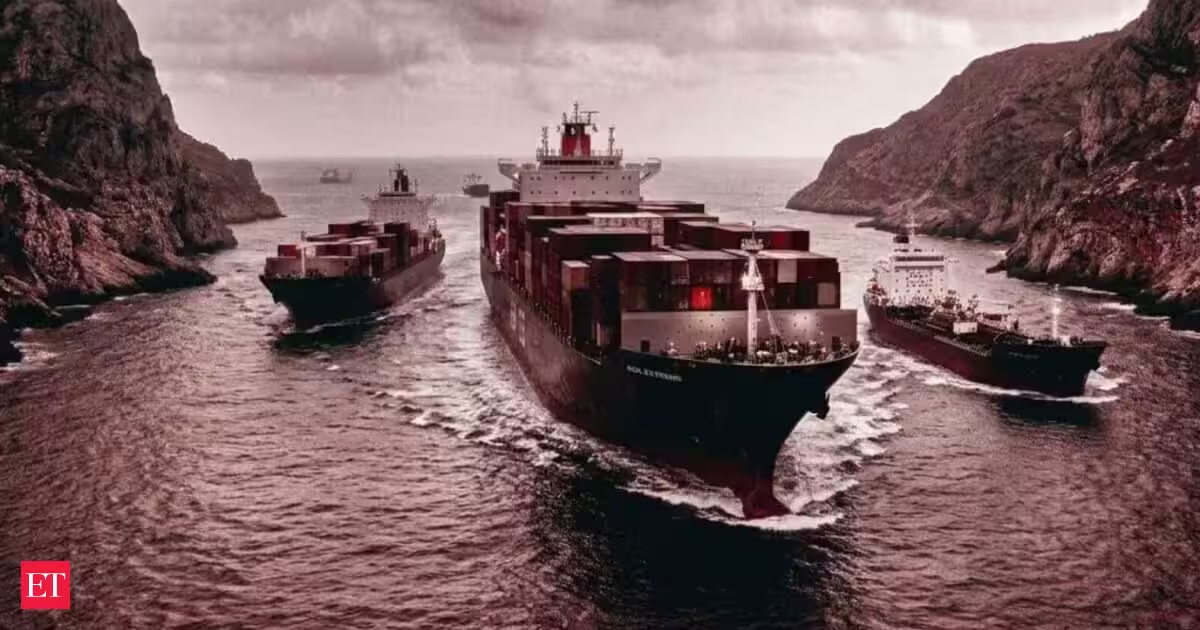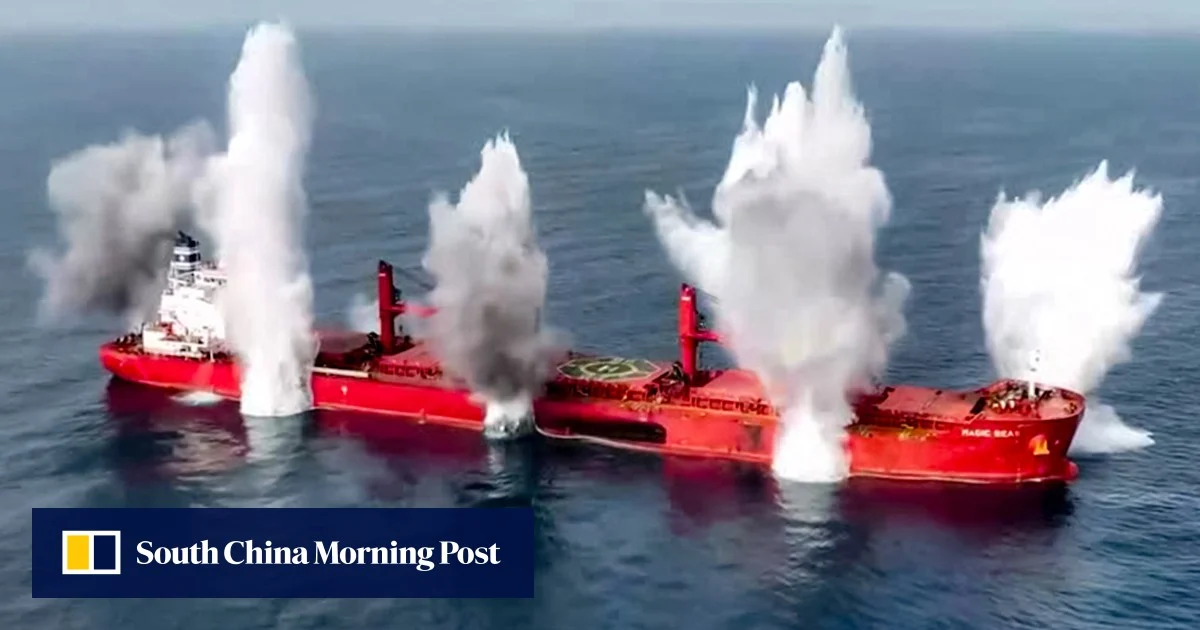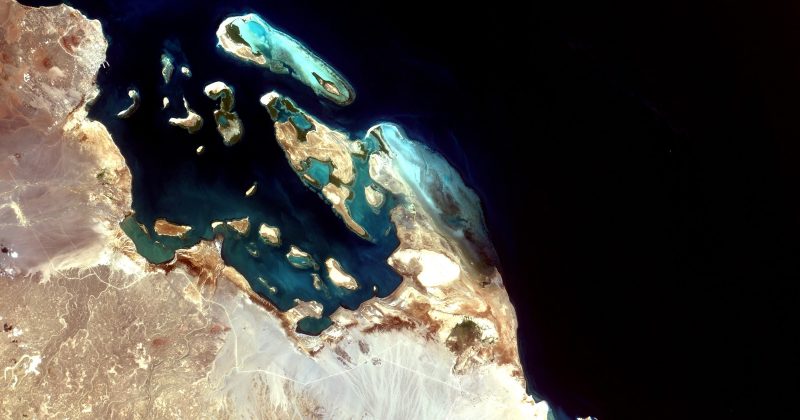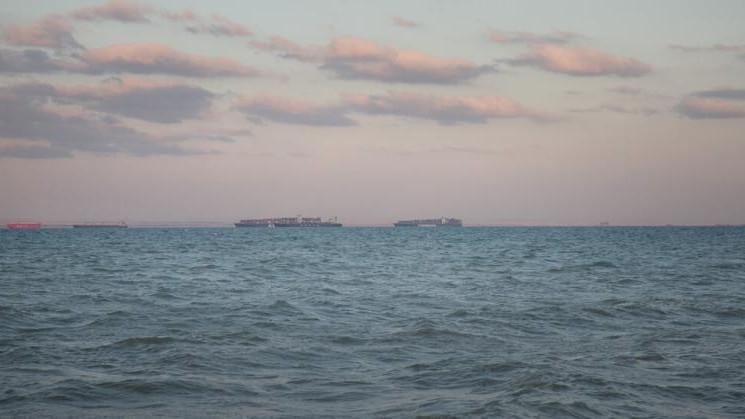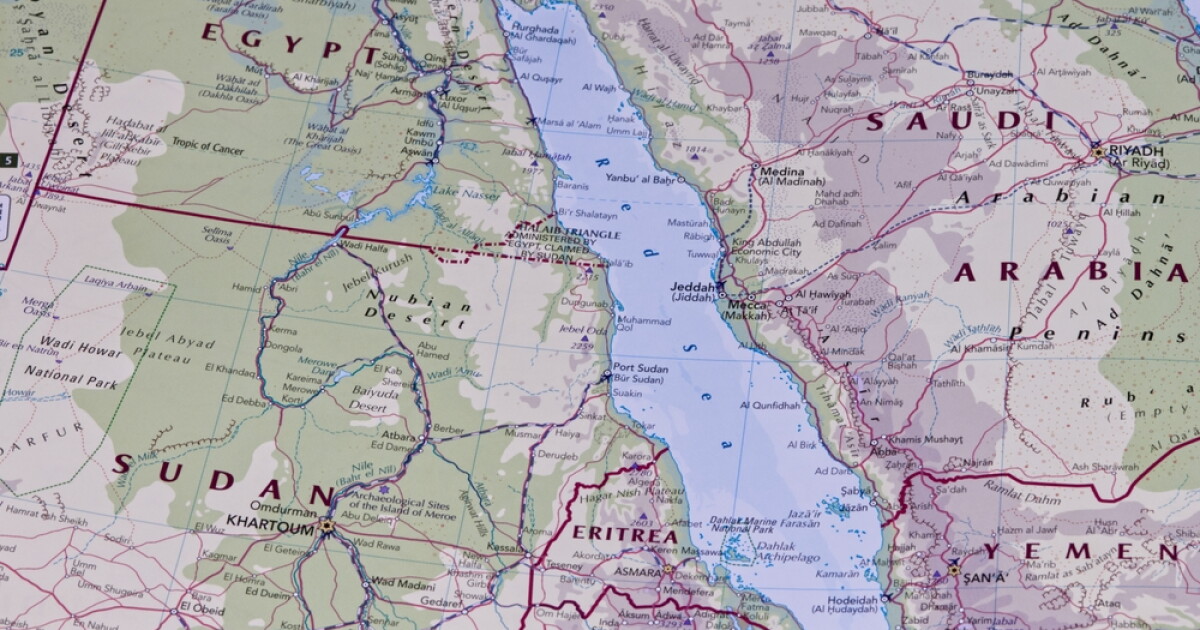
Saudi Arabia’s crude oil exports through the Red Sea have fallen 41% from their March 2026 peak, according to Wood Mackenzie vessel tracking and cargo data. The decline marks a dramatic reversal from a period when the kingdom was pumping roughly 3.8 to 4 million barrels per day through its Yanbu terminal on the western coast.
How the Red Sea became Saudi Arabia’s lifeline, then didn’t
The story starts with the Strait of Hormuz. The narrow waterway between Iran and the Arabian Peninsula, through which roughly a fifth of the world’s oil supply typically flows, effectively closed in early 2026 amid escalating conflict between the US, Israel, and Iran.
Saudi Arabia responded by maxing out its East-West pipeline, which has an operational capacity of 7 million bpd, rerouting crude to Yanbu for export via the Red Sea instead. Despite near-total concentration of exports through Yanbu, volumes began declining steadily from the March peak. The Joint Organisations Data Initiative reported that overall Saudi crude exports hit a record low of 4.974 million bpd in March, even as Red Sea shipments were at their zenith.
Houthi threats add a second layer of chaos