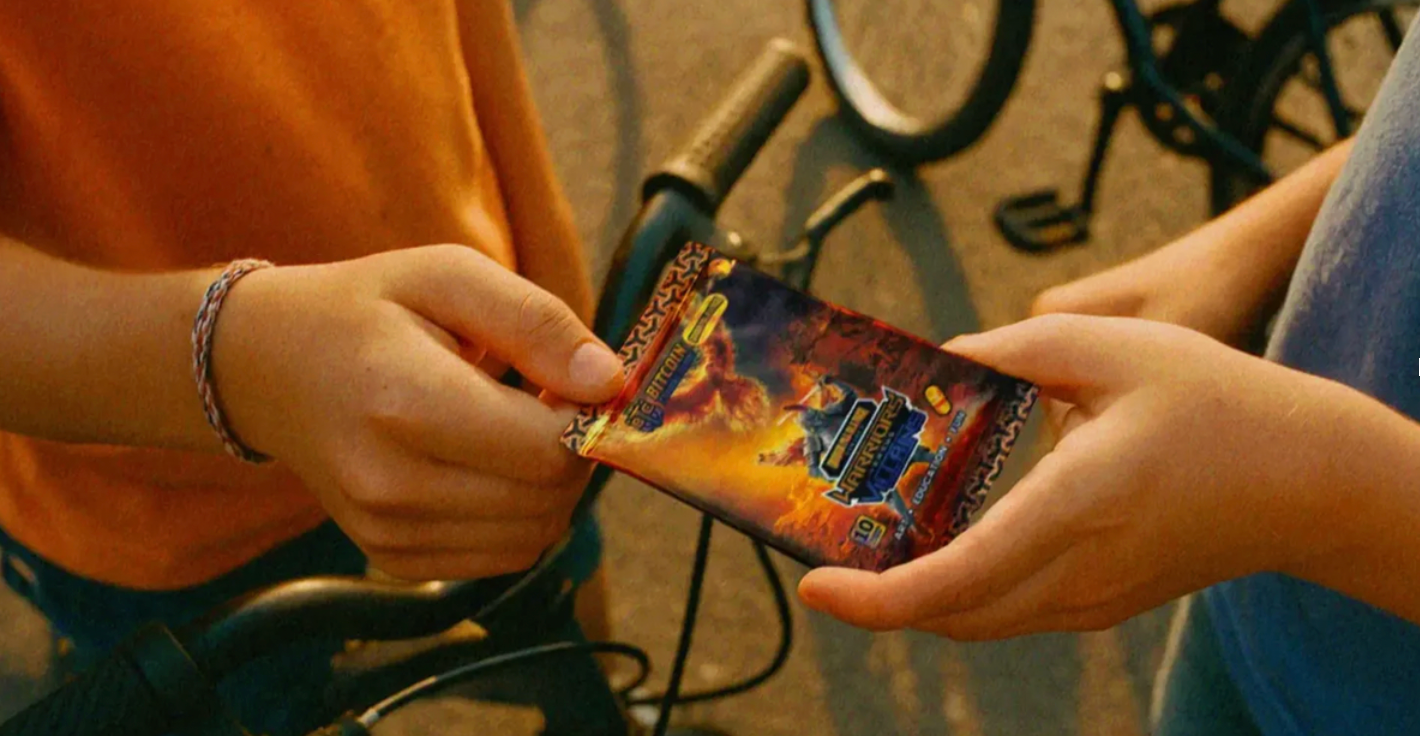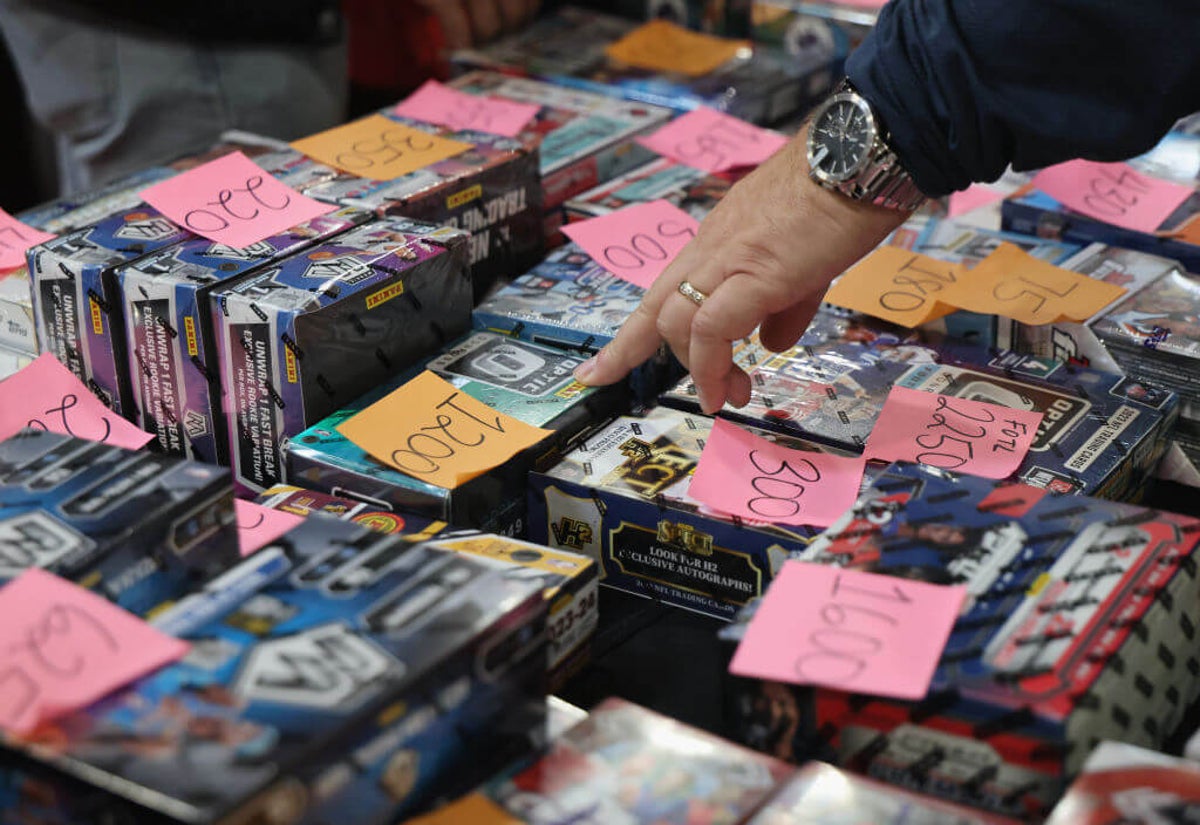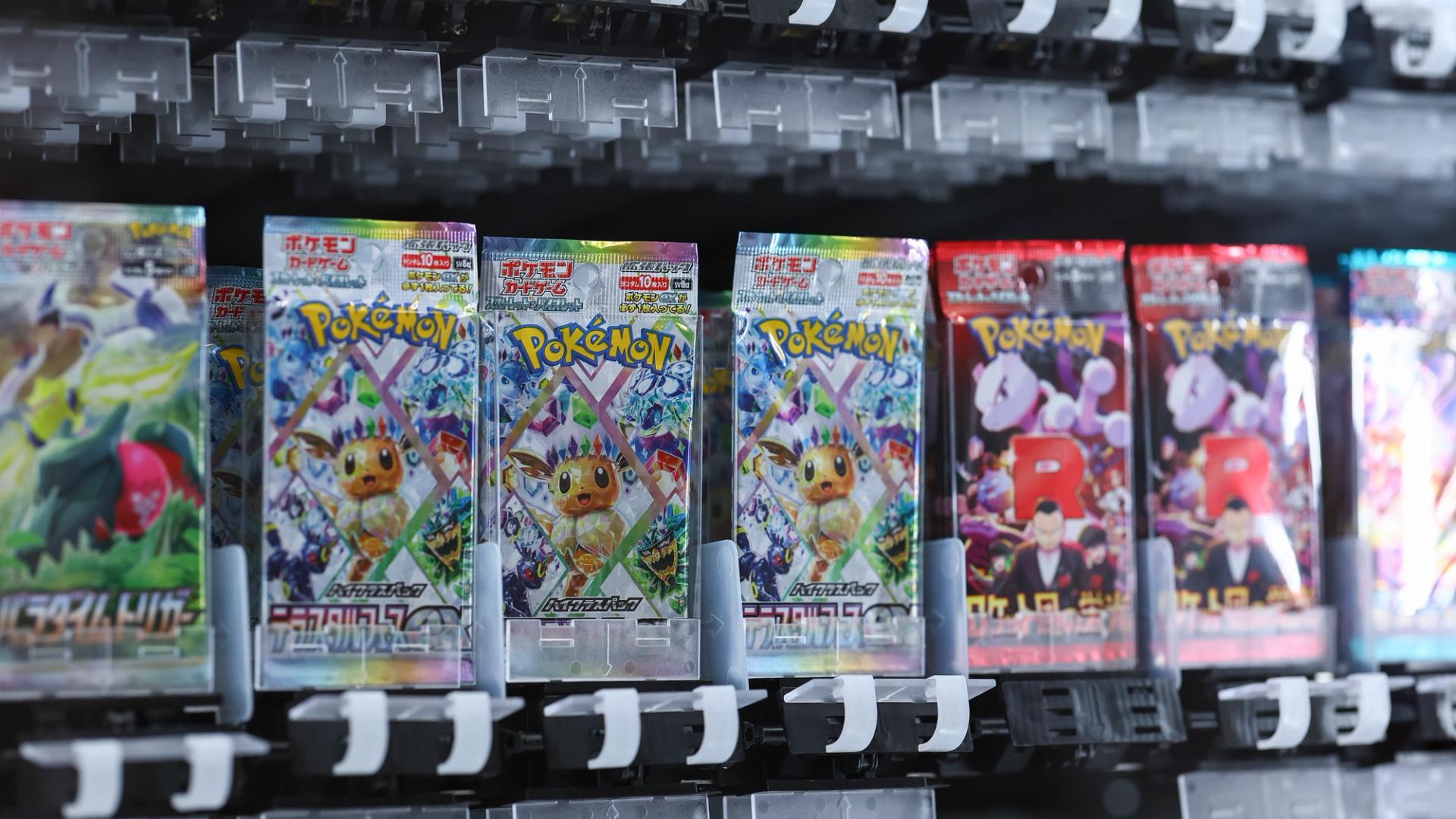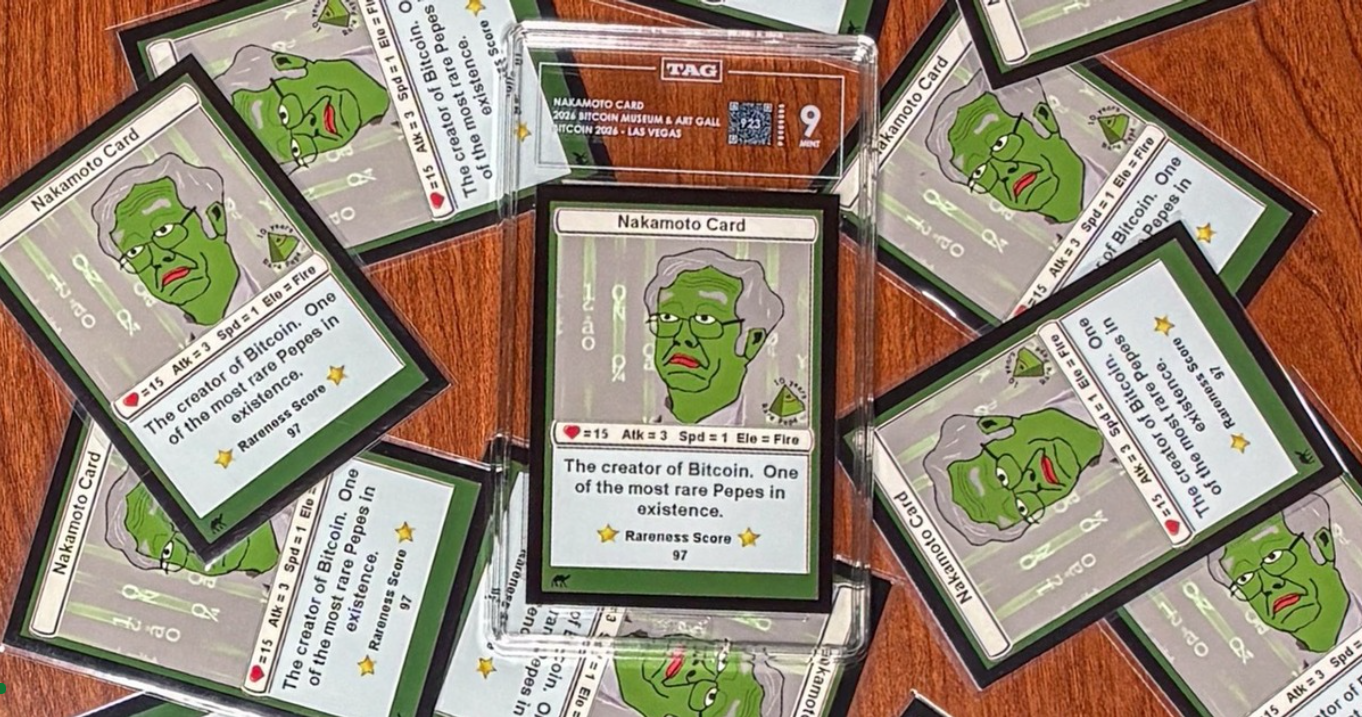
Somewhere right now, on a livestream, someone is tearing open a foil package while hundreds of people watch. Trading cards have become a spectator sport. The card market is at all-time highs, cardboard repriced by the hour, rare cards selling for eight figures, and a general sense of frenzy. But watch enough of it and something strange becomes clear. Nobody is looking at the cards. The audience isn’t consuming images, it’s consuming anticipation.
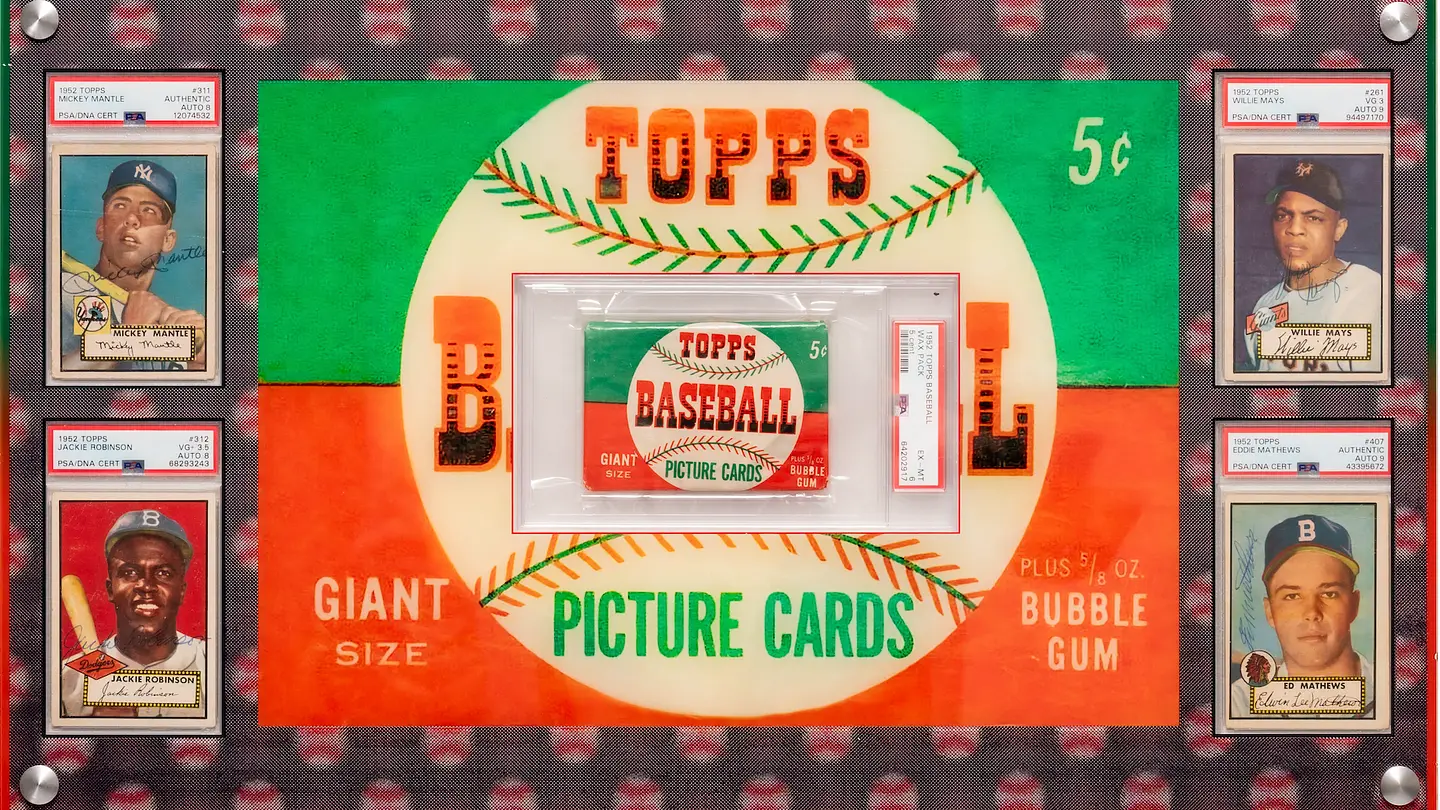
The card boom has also surfaced hard questions, and the hardest ones surround grading. The past year saw the hobby’s dominant grading house facing scrutiny over grades that shifted after cards moved through its own buyback program, and collectors began asking, who grades the grader. When a single subjective number separates a card from ten times its value, and the arbiter of that number also holds a position in the asset, the hobby has a verification problem. These are, in the language of bitcoiners, trusted-third-party problems.
The two worlds keep arriving at the same three questions: what’s real, what’s rare, and what holds value. A graded slab and a confirmed transaction on the timechain are answers to the same anxiety. Collectors demanding transparent grading and provenance that can’t be quietly revised are asking for verification over trust, whether they use those words or not. In that sense, card collectors and bitcoiners already share the same ideals.