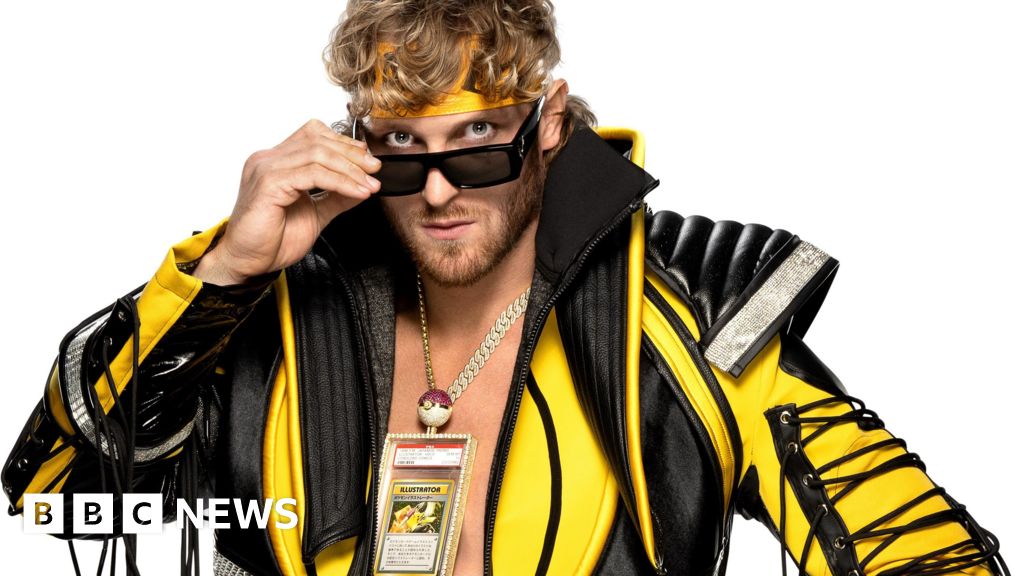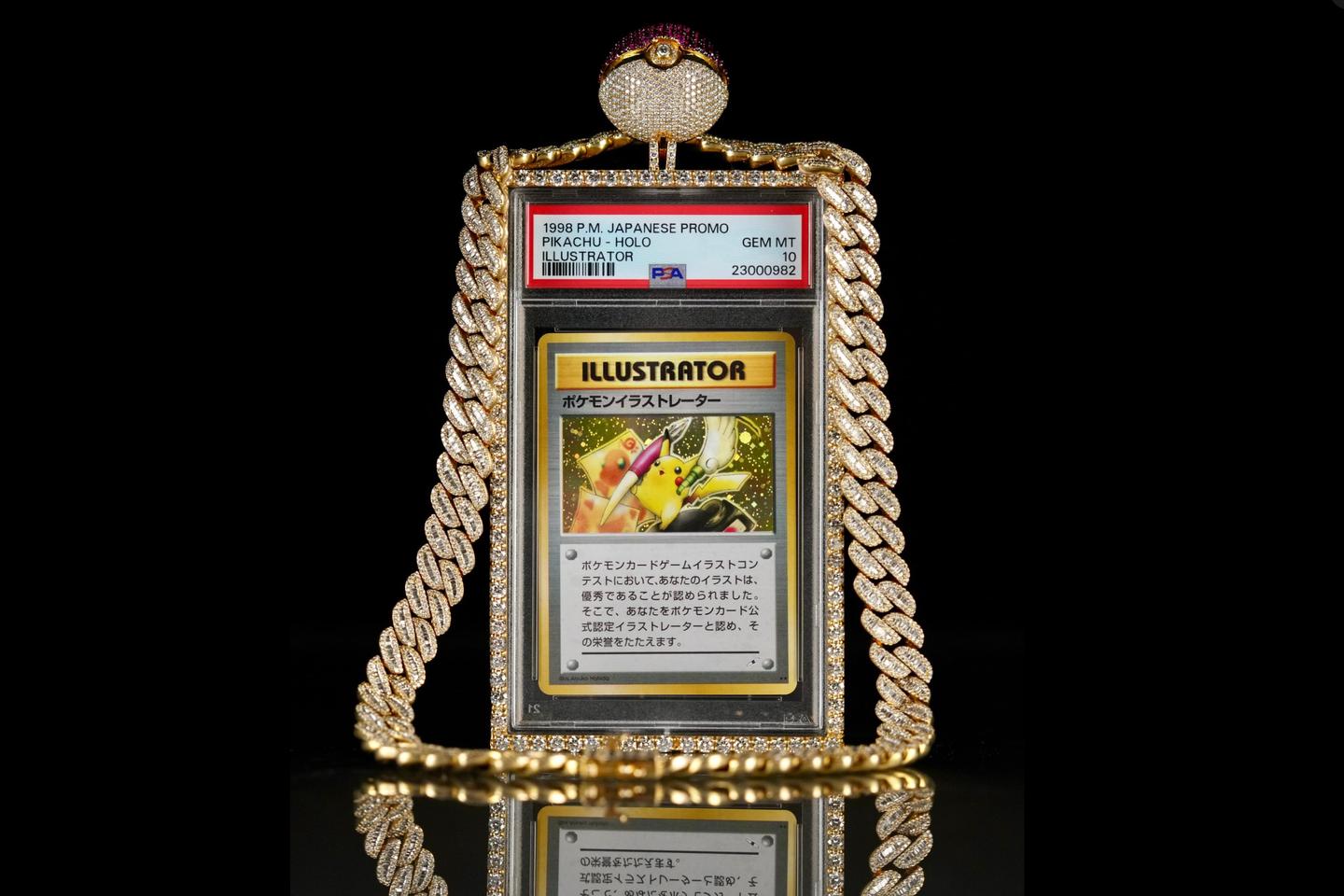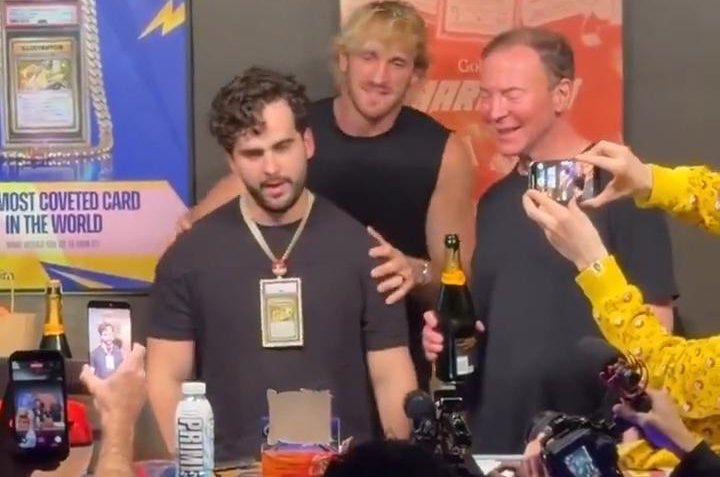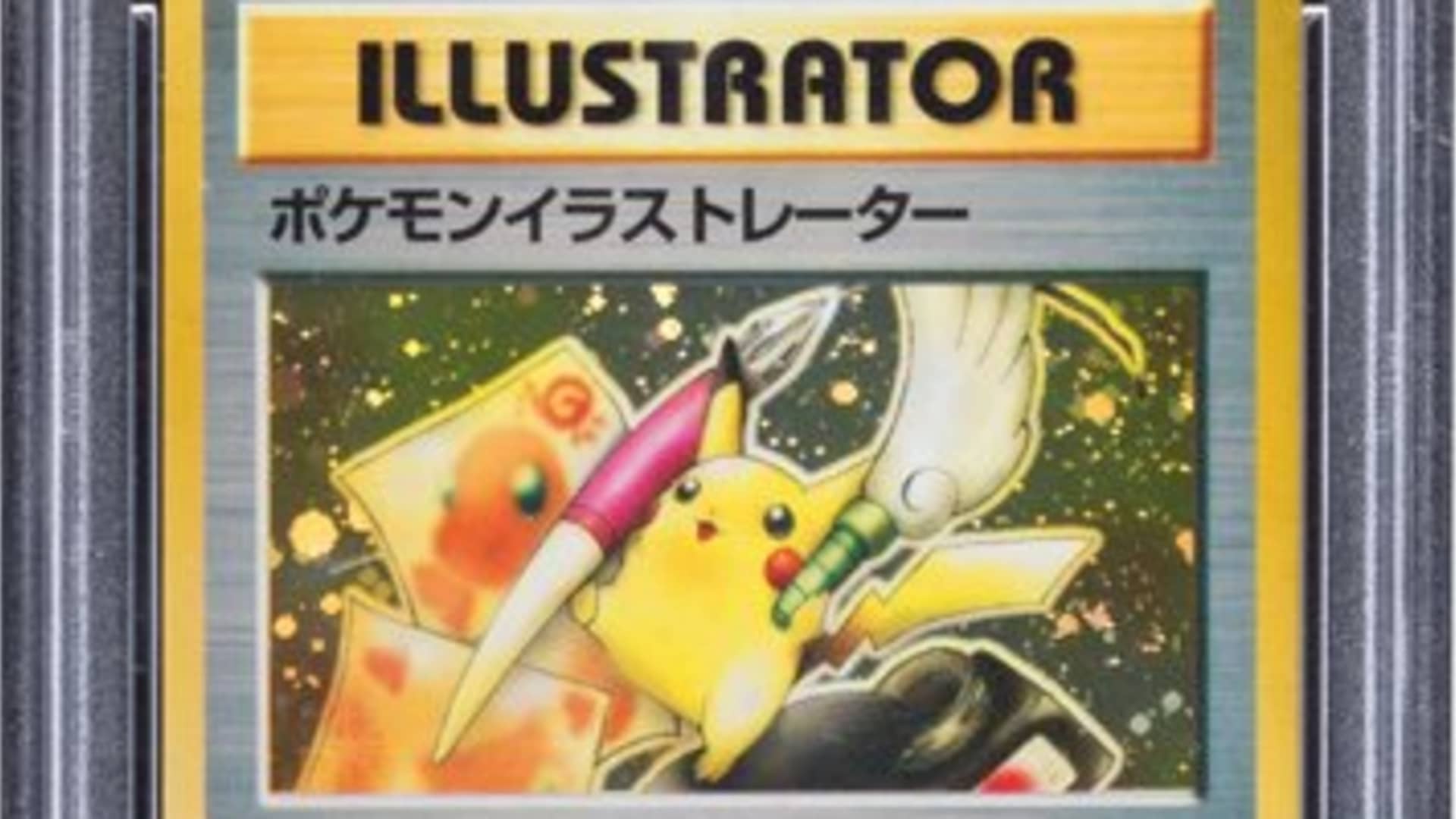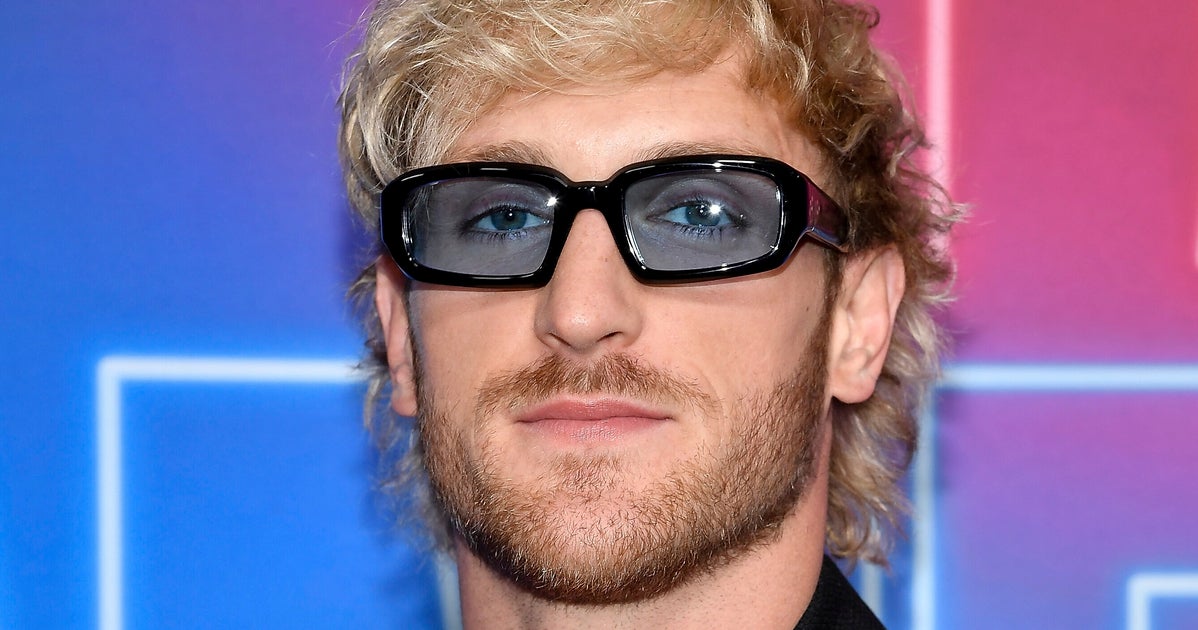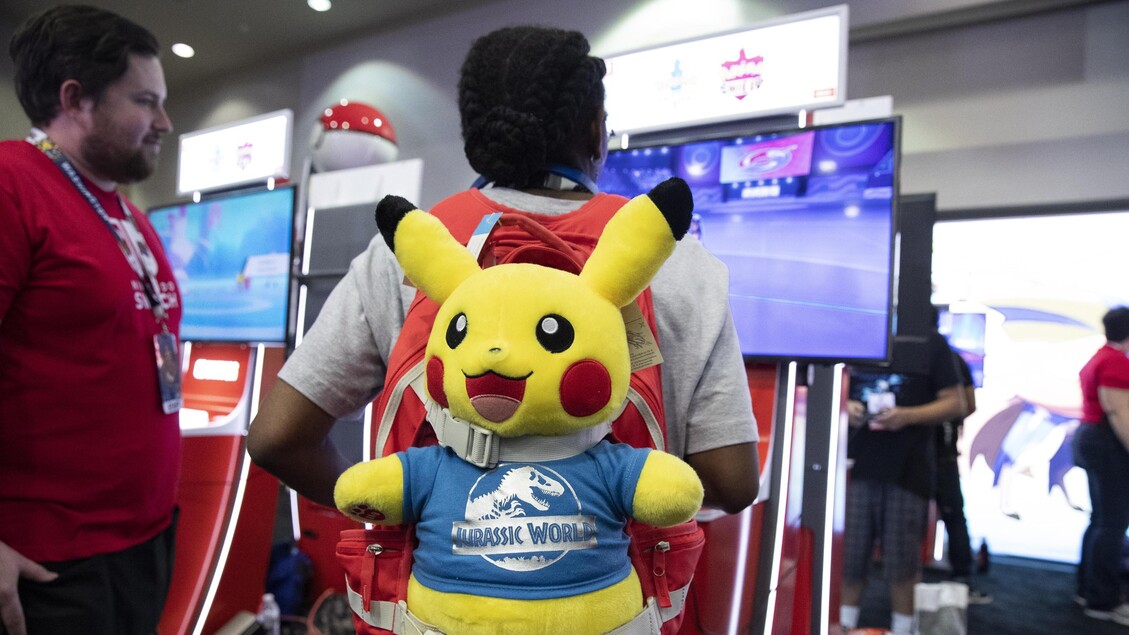
In February 2026, a single piece of cardboard sold for $16,492,000. The 1998 Pikachu Illustrator — the only known PSA 10 example of one of the rarest Pokémon cards in existence — was sold by Logan Paul through Goldin Auctions to A.J. Scaramucci, who called the purchase the first move in a “planetary treasure hunt” for the world’s rarest objects. It became the most expensive trading card ever sold at auction. Card collecting, long treated as a culture at the margins, is now impossible to ignore.
What’s new is what’s driving today’s prices: live-stream ripping has turned pack openings into spectator sport, auctions and secondary markets with advanced data-responsive metrics, new printing methods, and communities built around scarcity and authenticity are reshaping the category from first principles. It is, not by coincidence, the same vocabulary the bitcoin world has spoken for years — and the two cultures have begun to find each other.
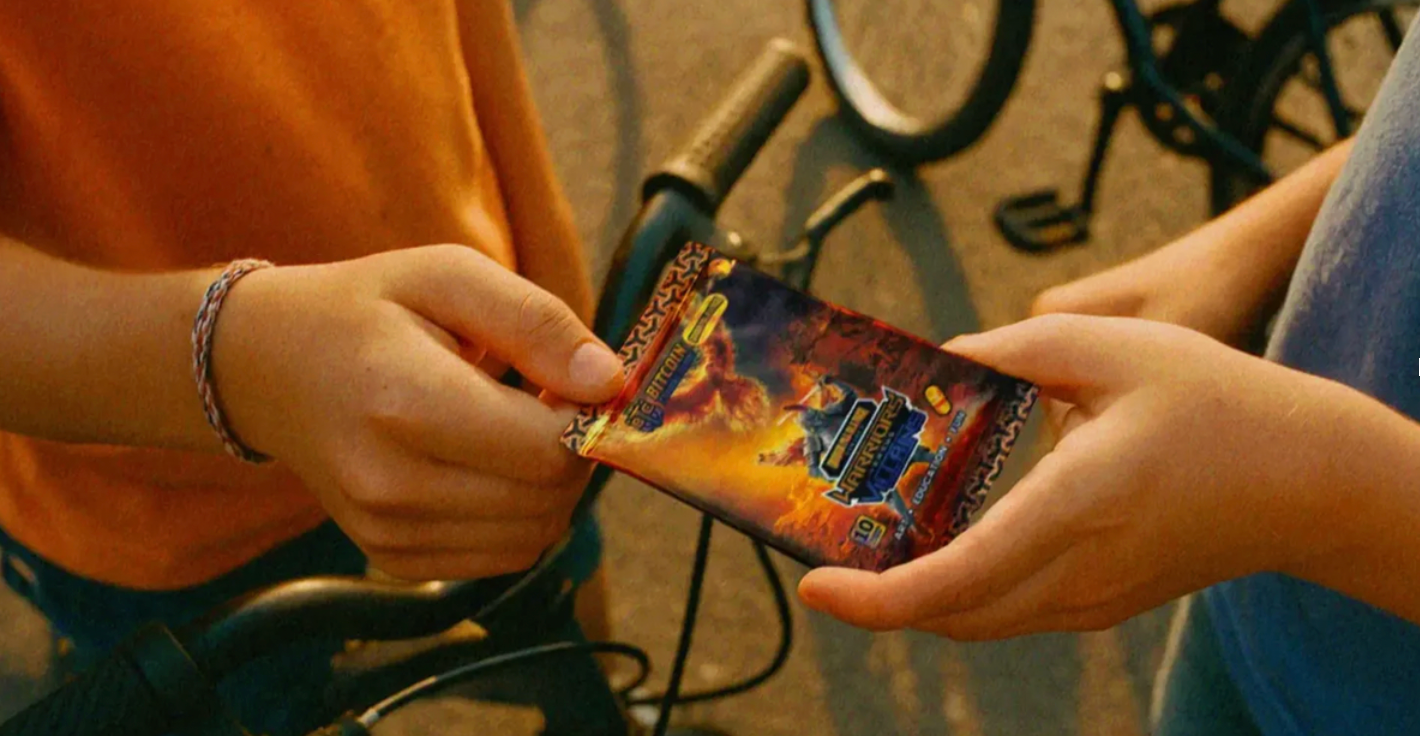
As a lifelong creator and entrepreneur, Aladdan Flinn grew up tearing open packs of Marvel cards and inventing characters of his own. When NFTs got marketed as collectibles while lacking the scarcity of physical cards, he built what he saw as missing: launched in late 2022 and known both as Based Trading Cards and Bitcoin Trading Cards, his company makes limited, serialized cards designed to teach the principles of sound money and decentralization.