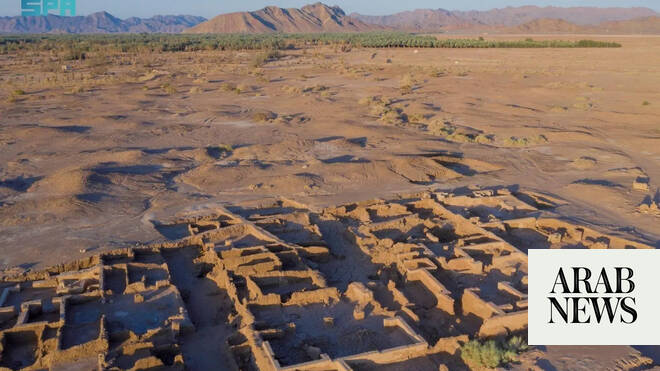
RIYADH: Archeological coins unearthed in Saudi Arabia’s AlUla governorate are providing fresh insight into the region’s long history as a thriving commercial and cultural crossroads, underscoring its importance along ancient trade routes that connected civilizations across the Middle East.
The discoveries, announced by the Saudi Press Agency, include silver coins dating to the seventh and eighth centuries B.C., Nabataean bronze coins from the first century A.D., and Umayyad Islamic coins from the late first century A.H. Together, they trace thousands of years of continuous economic activity in the region.
Archaeologists regard coins as some of the most valuable artifacts for understanding the economic history of ancient societies. Beyond their monetary function, they reveal information about political authority, trade networks, cultural exchange, and the movement of people across regions.
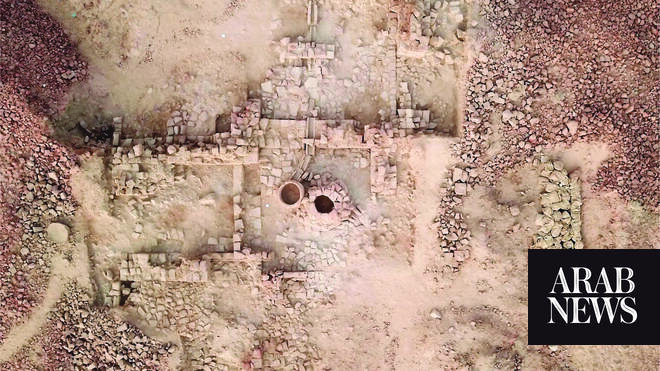
Among the most significant finds are coins recovered from the UNESCO World Heritage Site of Hegra, the ancient Nabataean city that served as a major stop on the incense trade routes. The presence of coins from multiple civilizations suggests that AlUla remained an important center of commerce through successive historical periods.