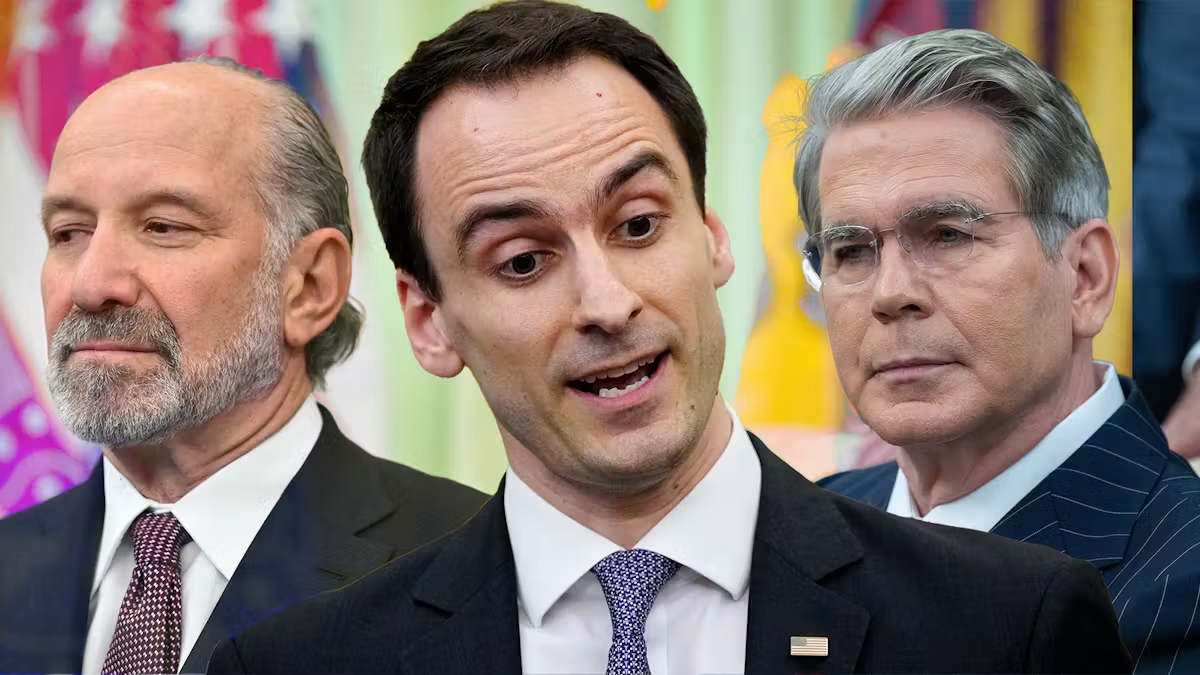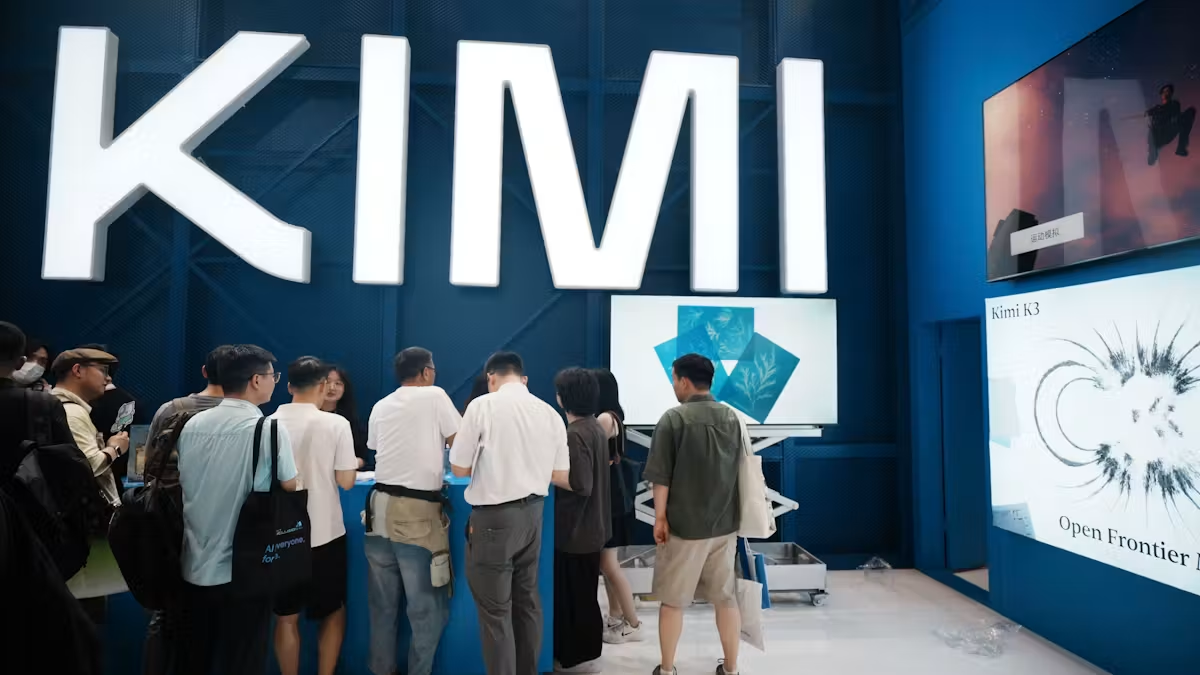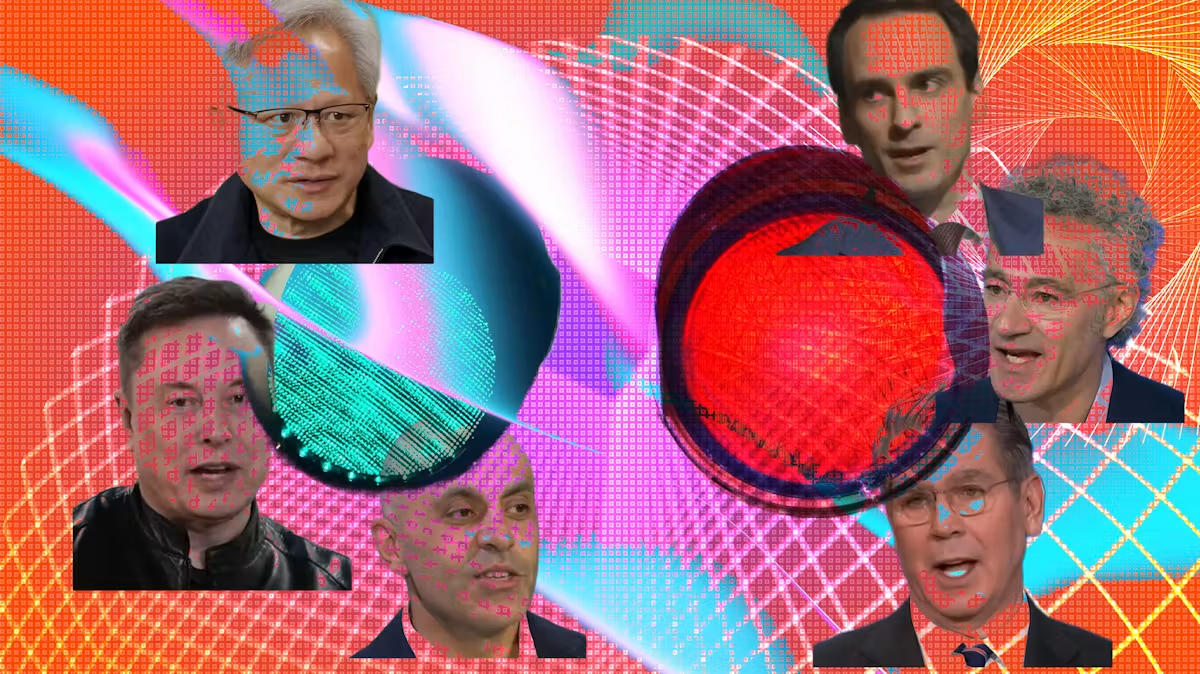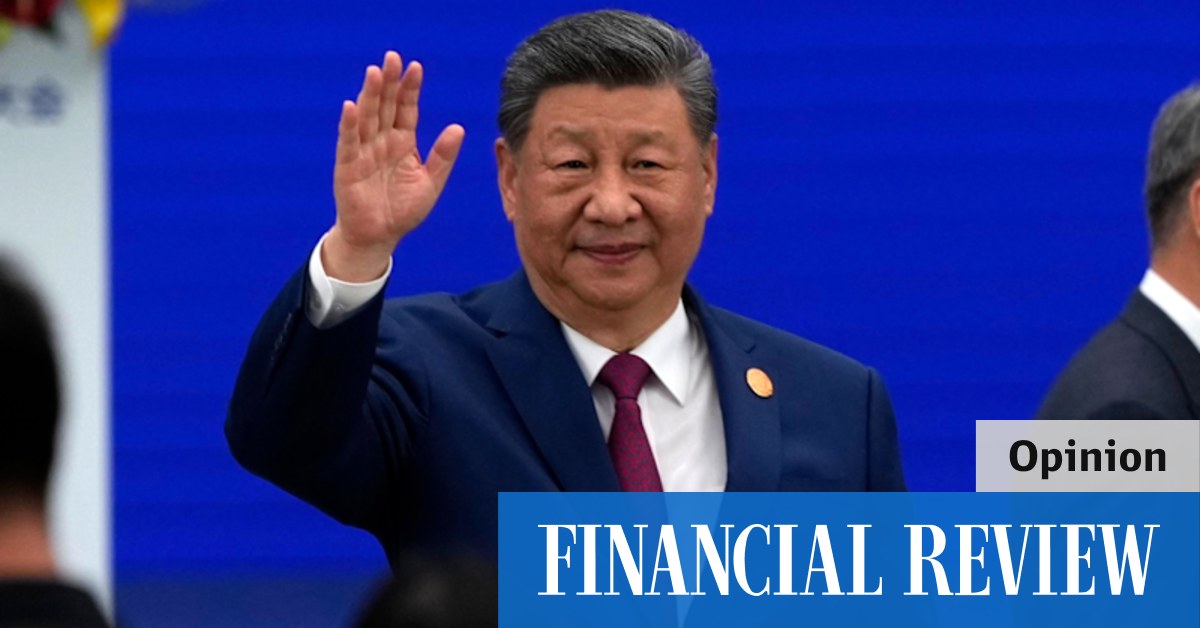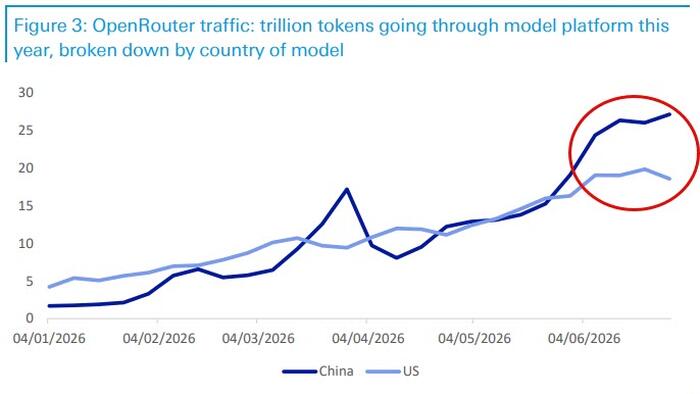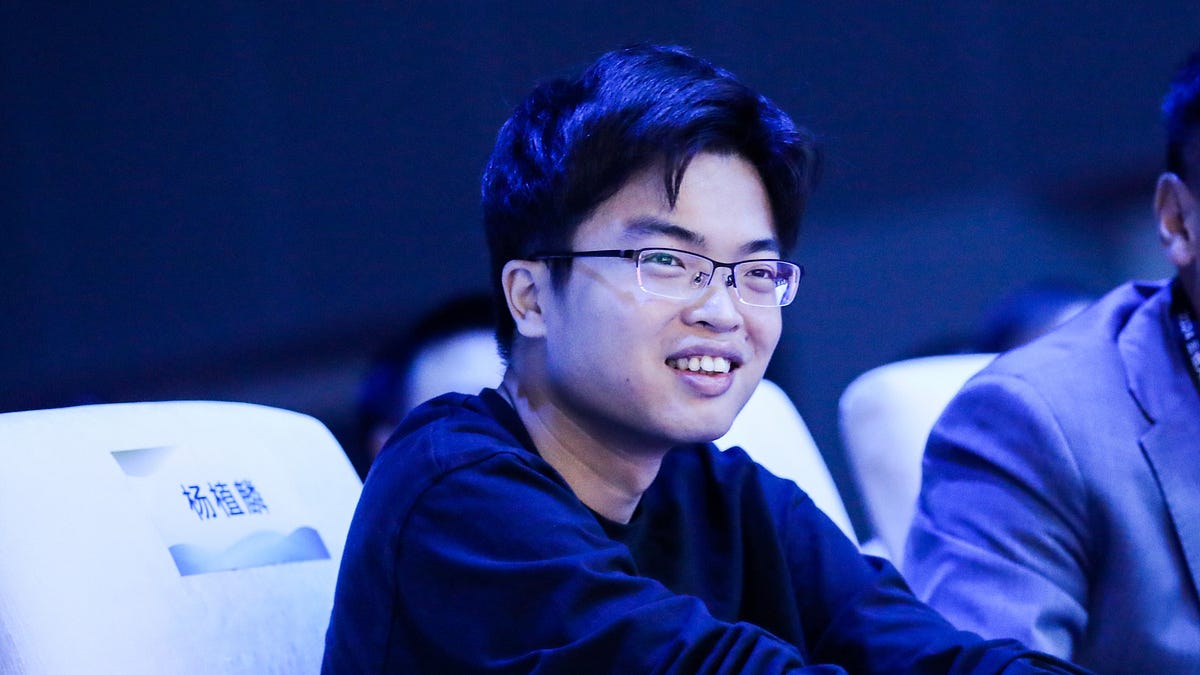
The Week in ShortThe high-performing Kimi K3 open weight model, from China’s Moonshot AI, scrambles alliances across Silicon Valley & Washington, leaving OpenAI & Anthropic isolated. Big Tech venture units are sucking up most US AI deal flow. Travis Kalanick is back, raising a $1.7 billion equity investment for his Atoms venture. Data center startup Fluidstack & AI chip venture Etched raise big rounds. Google Search’s AI turn is bringing fresh trouble for the shrinking open web. Anthropic is doubling its spending with a pro-regulation AI Super PAC ahead of the midterms as a cash war over AI policy heats up. Treasury Secretary Howard Lutnick worked behind the scenes to make US crypto regulation more friendly to Tether, which is 5% owned by his family. Mistral was in the news for a new fundraise & a possible strategy shift. The Main ItemThe freakout over Kimi K3, the powerful new LLM from China’s Moonshot AI that approaches the performance of the top US models, has exposed two deep rifts in the AI industry.One is between the vendors of high-level intelligence, especially OpenAI and Anthropic, and the consumers of it, including startups, applications providers, and business customers. The other is between classical liberals who still believe in free trade and those in the Trump Administration and elsewhere who view China as an existential threat.The schisms are creating some strange bedfellows. Treasury Secretary Scott Bessent and the White House Office of Science and Technology Policy are promising to investigate and potentially sanction Moonshot AI for allegedly “distilling” models from Anthropic, which until recently was President Trump’s public AI enemy number one. Now Anthropic’s policy lead is calling for the government to step in:OpenAI policy leader Dean Ball, while characterizing open source as obviously “decelerationist” and the road to a miserable communist AI future, also said the quiet part out loud when he wrote that he expected (wanted?) the government not to ban Chinese models but to impose “large amounts of regulatory risk” on anyone using them by directing “every agency to issue soft law that creates FUD.”Anthropic and OpenAI favor a global regulatory body to protect against AI risks, including those posed by China, but many worry that could give them lock-in. Former Trump administration AI and crypto Czar David Sacks denounced Ball’s comments and the “weaponization of regulatory uncertainty” as “completely unacceptable.”All manner of AI users fear that losing access to high-performance open source models from China would force them to pay far higher prices.Self-described “little tech” is firmly on the side of China’s open-weight model providers. Over 200 startups and investors, including leaders from Y Combinator, Replit, Proton, and Yelp, are forming a new trade association called the “Little Tech Alliance” and their first initiative was to send letters to the Trump Administration opposing any ban on the Chinese models.Kimi K3 was officially released on July 16 and showed itself seriously competitive with American frontier models on performance benchmarks and price. Kimi’s own internal benchmark sheet has it outperforming most models overall except for GPT 5.6 and Fable, and it came in first on certain coding and agentic tasks. With a million-plus token context window and a $0.30 input / $15 output price, it’s about one-third the cost of OpenAI, Anthropic, or Gemini 3.1 Pro but can still evaluate complex codebases or long blocks of text within a single prompt. The model weights aren’t officially out yet, but Moonshot says they’ll publish them July 27. It’s a large model with 2.8 trillion total parameters, which will take some serious hardware to run locally.Demand for Kimi K3 spiked so quickly after the publicity rush that Moonshot had to halt new sign-ups on Monday. All this buzz has no doubt helped the company raise more outside funding: Bloomberg reported Tuesday Moonshot has been in talks to raise fresh capital at a $50 billion valuation.Anthropic and OpenAI drew much derision — well-deserved in our view — for asserting IP claims on their model outputs after building them via comprehensive use of others’ IP without permission or compensation.OpenAI and Anthropic suddenly find themselves isolated in the policy debate and cast as self-serving defenders of premium-price AI. “There’s zero sympathy for their positions on regulation, opensource, etc., because the pursuit of bad faith regulatory capture and rent seeking has been so obvious,” wrote Hex CEO Barry McCardel. “They’ve speedrun the journey from ‘beloved nerd heros’ to ‘evil anti-competitive behemoths.’” Rippling CEO Parker Conrad was even more accusatory: “Politically-connected growth investors are mobilizing to protect their bag in Anthropic,” he wrote.Per the Little Tech Alliance arguments, there are many parts of AI stack that could benefit from wider, cheaper access to top-performing models. Inference startups like Baseten and Fireworks, or model routers like Openrouter and Requesty, are all benefitting already from low-cost Chinese models. Openrouter’s business is so desirable that Stripe is now in talks to acquire the startup for $10 billion. Vocal open source proponents including Bill Gurley called for American companies to invest more in open weights models rather than fret about China taking over. (Thinking Machines Lab’s latest model, announced last week, could not have dropped at a better time.) The economist Tyler Cowen said that “open source is coming and is here” and that “the attempt to outlaw it, ban it, or use sanctions against it is going to fail miserably.” Even Marco Rubio is telling US diplomats to “tone down” mentions of any “AI kill switch” against non-American models. The fact that Moonshot AI founder Yang Zhilin (pictured) earned his PhD from Carnegie Mellon was more ammunition for the globalist view. Adding to the confusion and recriminations, OpenAI announced mid-week that it’s newest models had escaped their training sandbox environments and hacked Hugging Face’s interface to try to solve a problem. OpenAI cast this as evidence of the need for safety regulations. Yet when Hugging Face moved to counter the attack, the OpenAI and Anthropic models refused to cooperate, due to security guardrails. Hugging Face’s security team then sought the help of Z.ai’s GLM open source model — an embarrassment for the US company at the very least, and in different circumstances likely a legal problem too.Jensen Huang and Mark Zuckerberg both jumped in on the open source side, with Nvidia CEO telling Axios Wednesday that “there’s no scenario where China runs US companies off the road” and dismissing fears that these models will outperform American ones anytime soon. Meta is set to publish a new policy memo in favor of cheap competition and open source models as it undertakes an ad campaign touting the positive possibilities of AI — although their first video spot ironically features David Bowie’s “Five Years,” a song about the impending end of humanity. Two Big ChartsIt’s easy to overlook just how big a role the venture arms of the Big Tech hyperscalers are playing in the AI funding boom.Corporate venture capital firms (CVCs) have accounted for almost 90% of all VC dollars that have gone into AI firms so far this year, a new report from PitchBook shows. The number has climbed steadily from less than 50% a decade ago.Nvidia led the pack with some $223 billion invested over that period, with a startling $189 billion of that coming this year alone. Amazon and Microsoft were close behind. Google (GV in the chart below) was far and away the leader in deal volume even as it sat in 4th place in total dollars at $84 billion.Six Notable DealsTravis Kalanick is back on the scene with a massive funding round. Plus, semiconductors and industrials had a big week.
High-Stakes Battle Over China Policy & Open Source AI Pits LLM Giants Against Their Customers
Plus, corporate VC investment skyrockets & Mistral preps for its next phase
1,261 words~6 min read