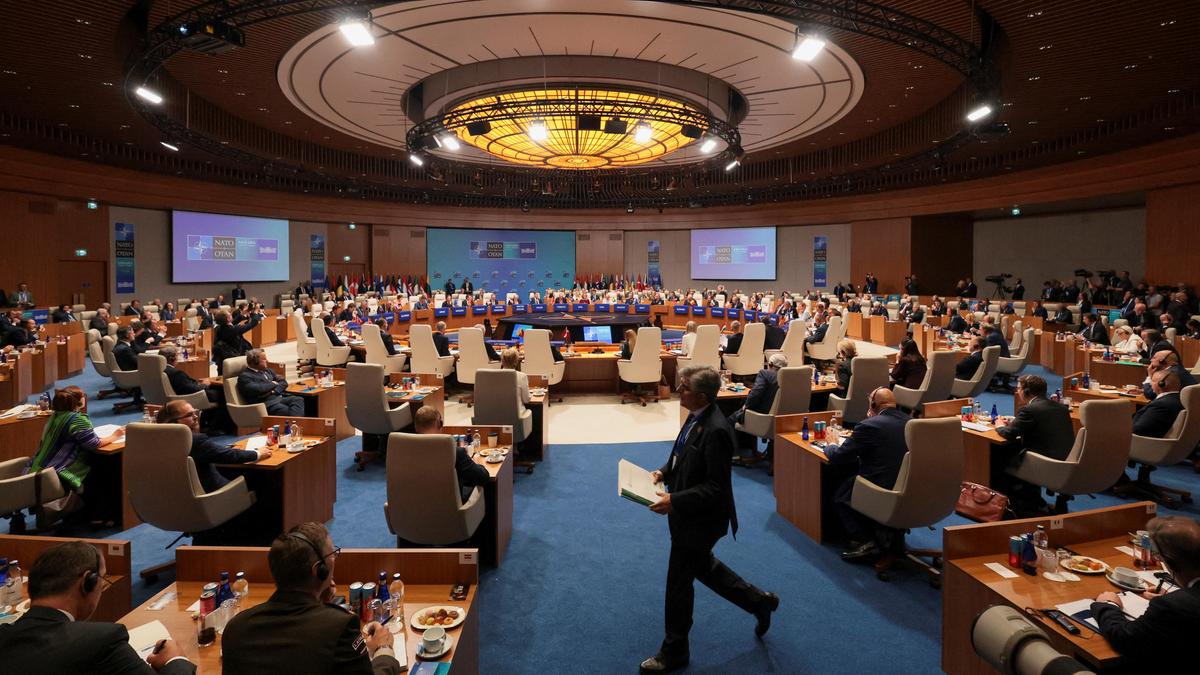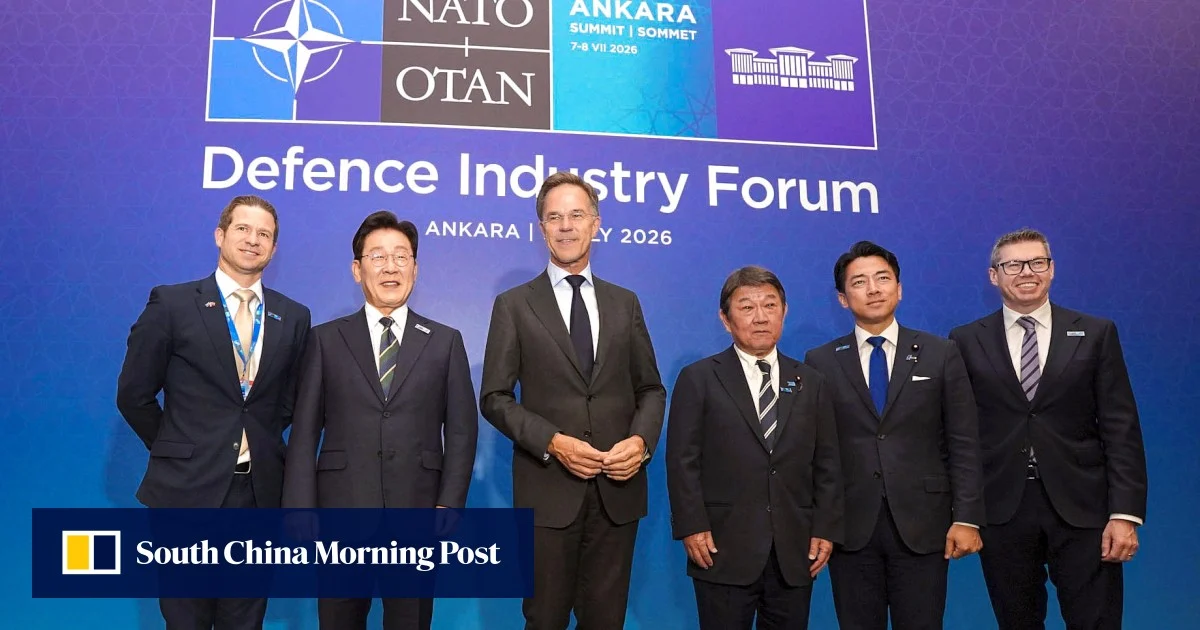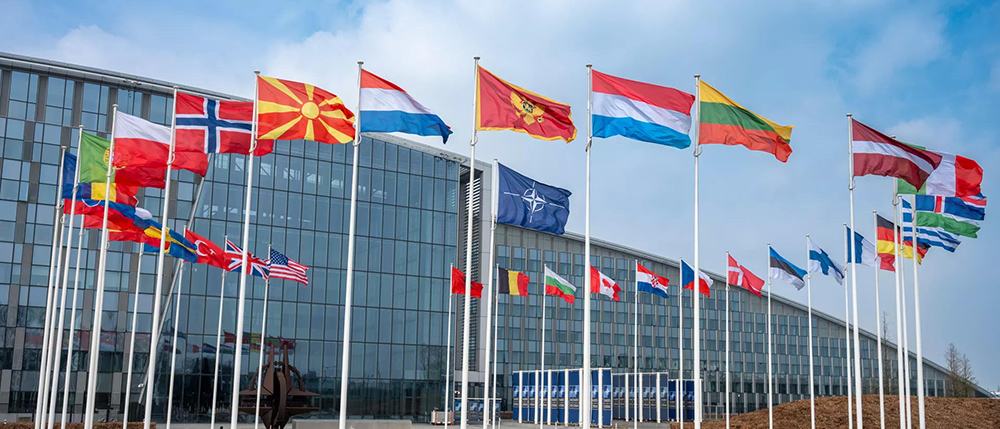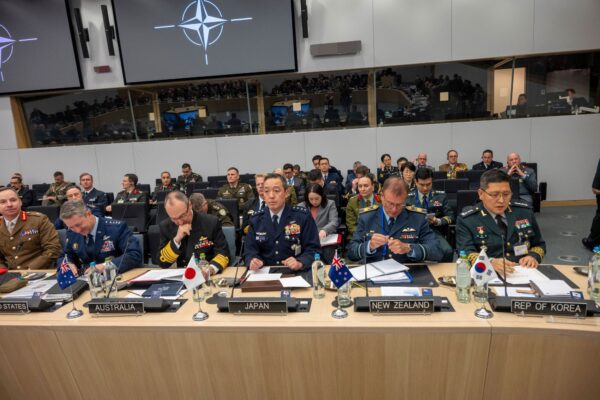
A notable feature of the July 2026 NATO Summit in Ankara was the absence, for the second year in a row, of the four leaders of NATO’s Indo-Pacific partner countries, collectively known as the IP4: Australia, Japan, New Zealand, and South Korea. It may be tempting to see this as evidence that NATO-IP4 relations are on the downturn, but a deeper analysis does not support such a conclusion.
First, the main variable affecting the presence of the IP4 leaders was not the interest of NATO and IP4 countries in continued engagement, but the nature of the summits themselves. In addition, it is not clear that regular leader-level attendance at annual NATO summits is still a necessary driver of NATO-IP4 relations. The logic for continued cooperation between NATO and the IP4 is as strong as ever in the current geopolitical climate.
Rather than the optics of NATO-IP4 relations, the underlying substance and direction of engagement, the subleader level institutionalization of these relationships, and their application at the practical level are the critical elements for gauging commitment.
Summits Fit for Purpose
The key difference between the summits in 2022, 2023, and 2024 and the summits in 2025 and 2026 is in their structure. All three of those earlier summits involved two days of North Atlantic Council (NAC) meetings at leader level. The latter two summits had only one. Getting that attenuated timeline required cutting out the NAC leaders’ meetings with partner countries.