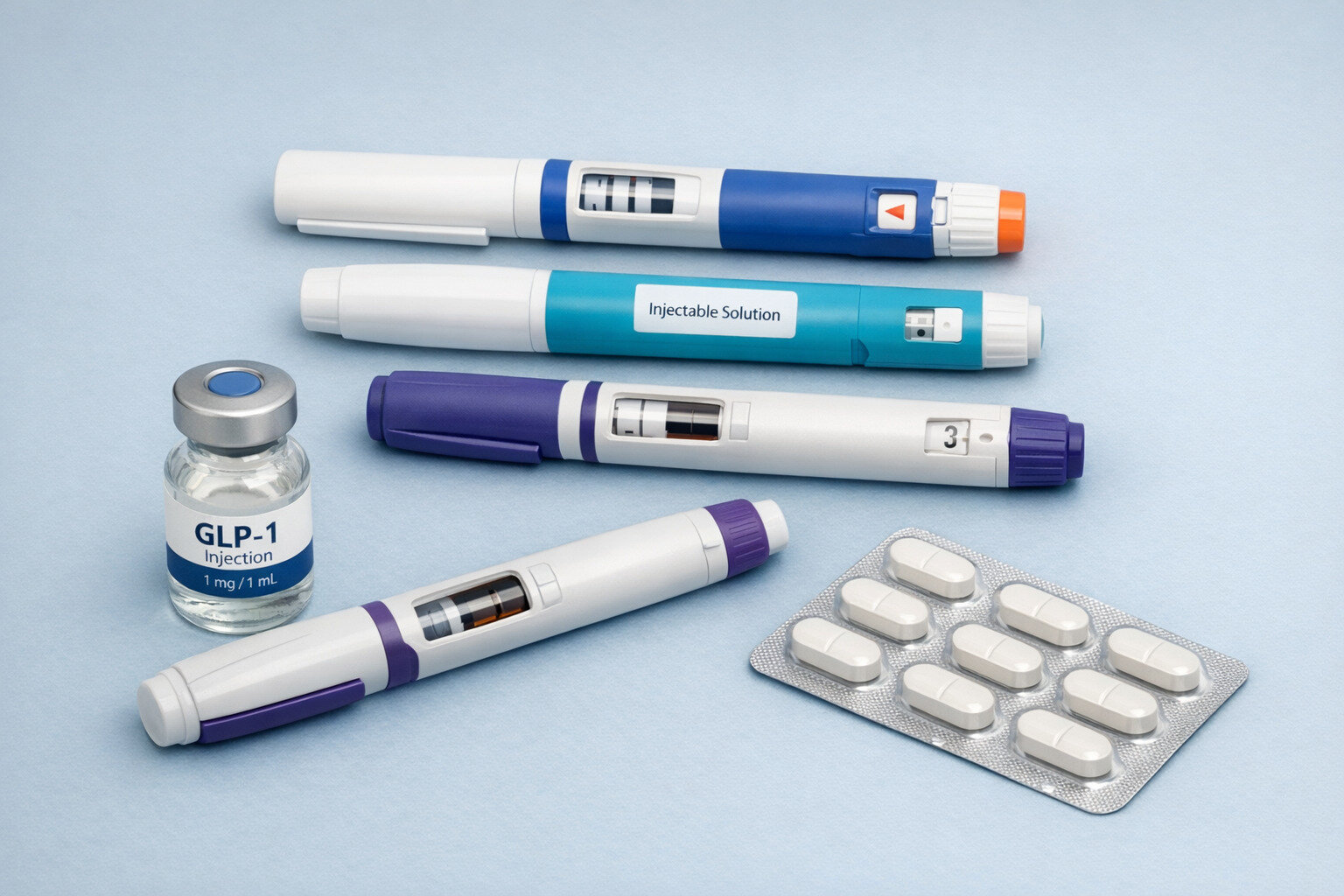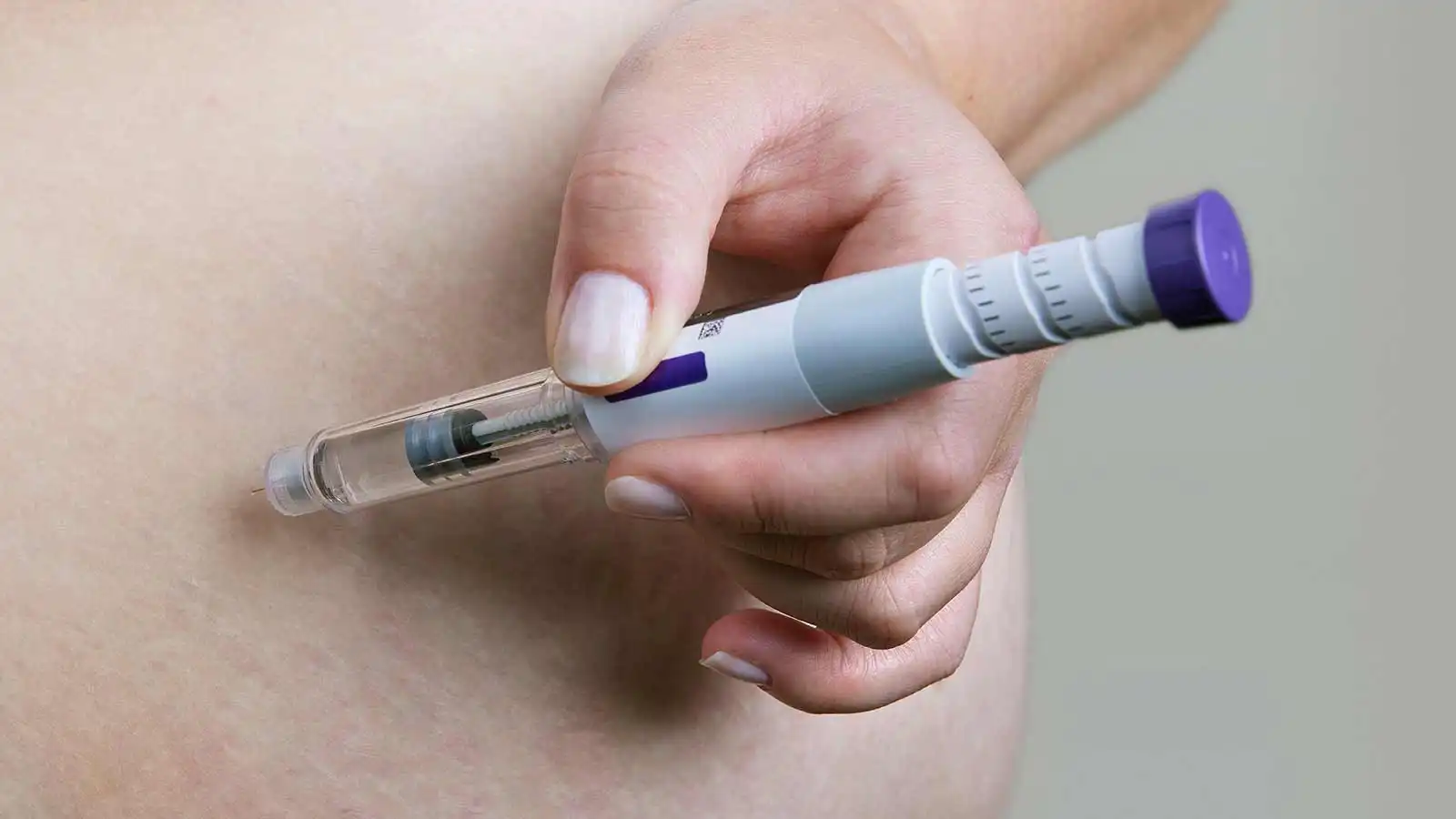
GLP-1 receptor agonists (RAs) are an intriguing adjunct for certain patients with psoriasis. A review in JAMA Dermatology has gathered evidence on this association, accompanied by improvements in quality of life and inflammation.
Studies included in the review revealed reductions in Psoriasis Area Severity Index (PASI) scores, ranging from 40%-80%. Further, semaglutide and liraglutide were associated with reductions in C-reactive protein, interleukin-6, lipids, and visceral adiposity.
The review's co-author, Andrew Blauvelt, MD, MBA, is a dermatologist-researcher and owner of Blauvelt Consulting in Maryland. Blauvelt recently discussed the review and its findings with the Reading Room. The exchange has been edited for length and clarity.
What is known about the potential role of GLP-1 RAs in patients with psoriasis?
Blauvelt: Emerging evidence suggests GLP-1 RAs and dual glucose-dependent insulinotropic polypeptide/GLP-1 agonists may improve psoriatic skin disease, partly through immune modulation. If confirmed in larger randomized clinical trials, GLP-1-based therapies may offer an opportunity to address both cutaneous disease and cardiometabolic comorbidities.