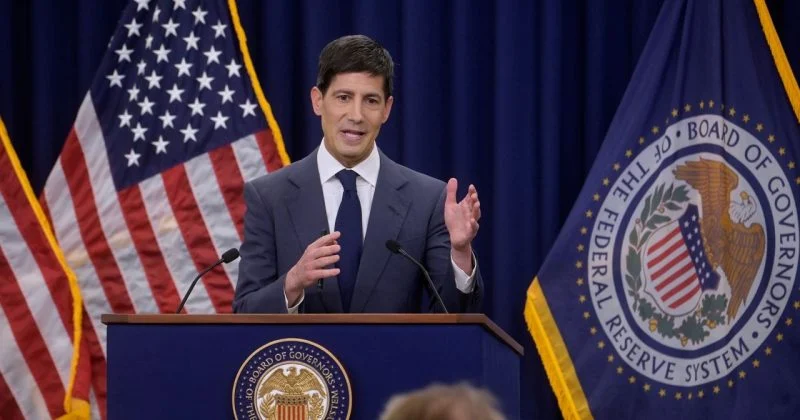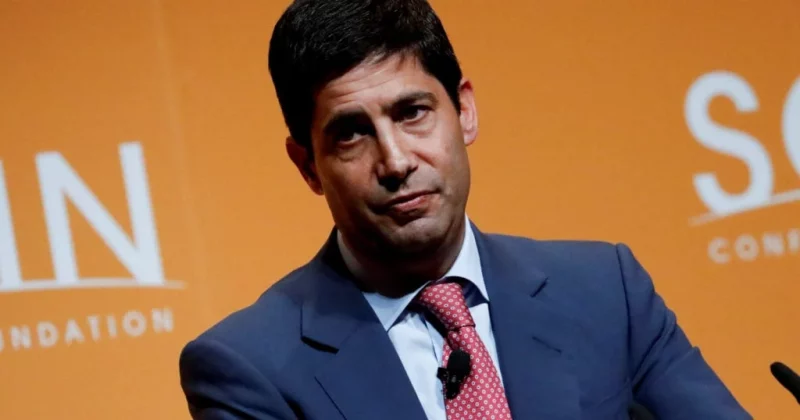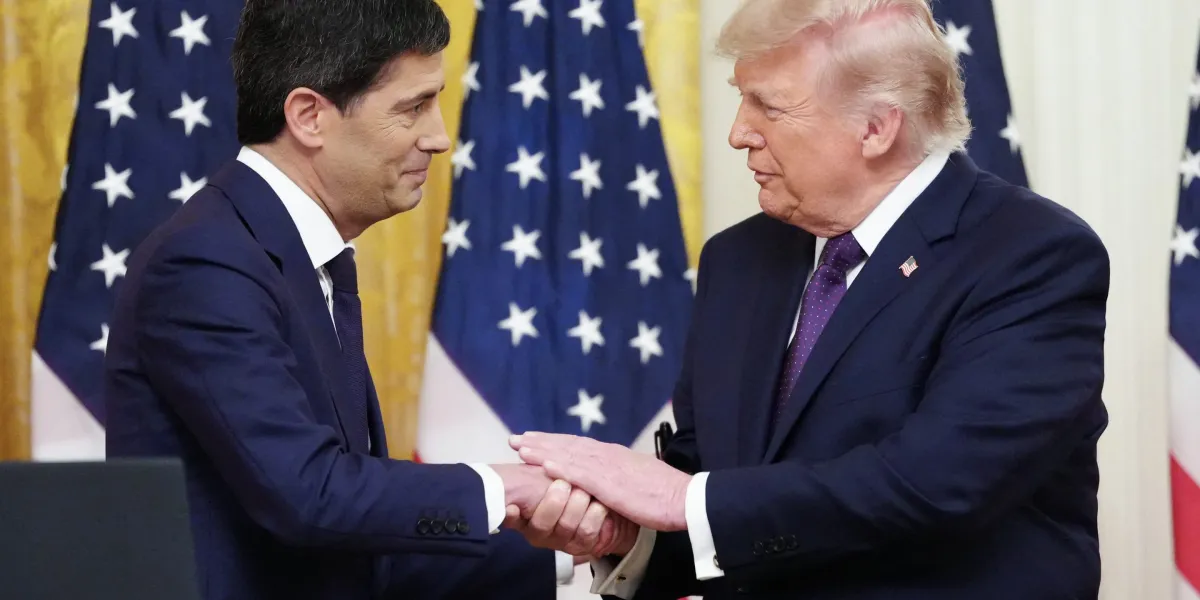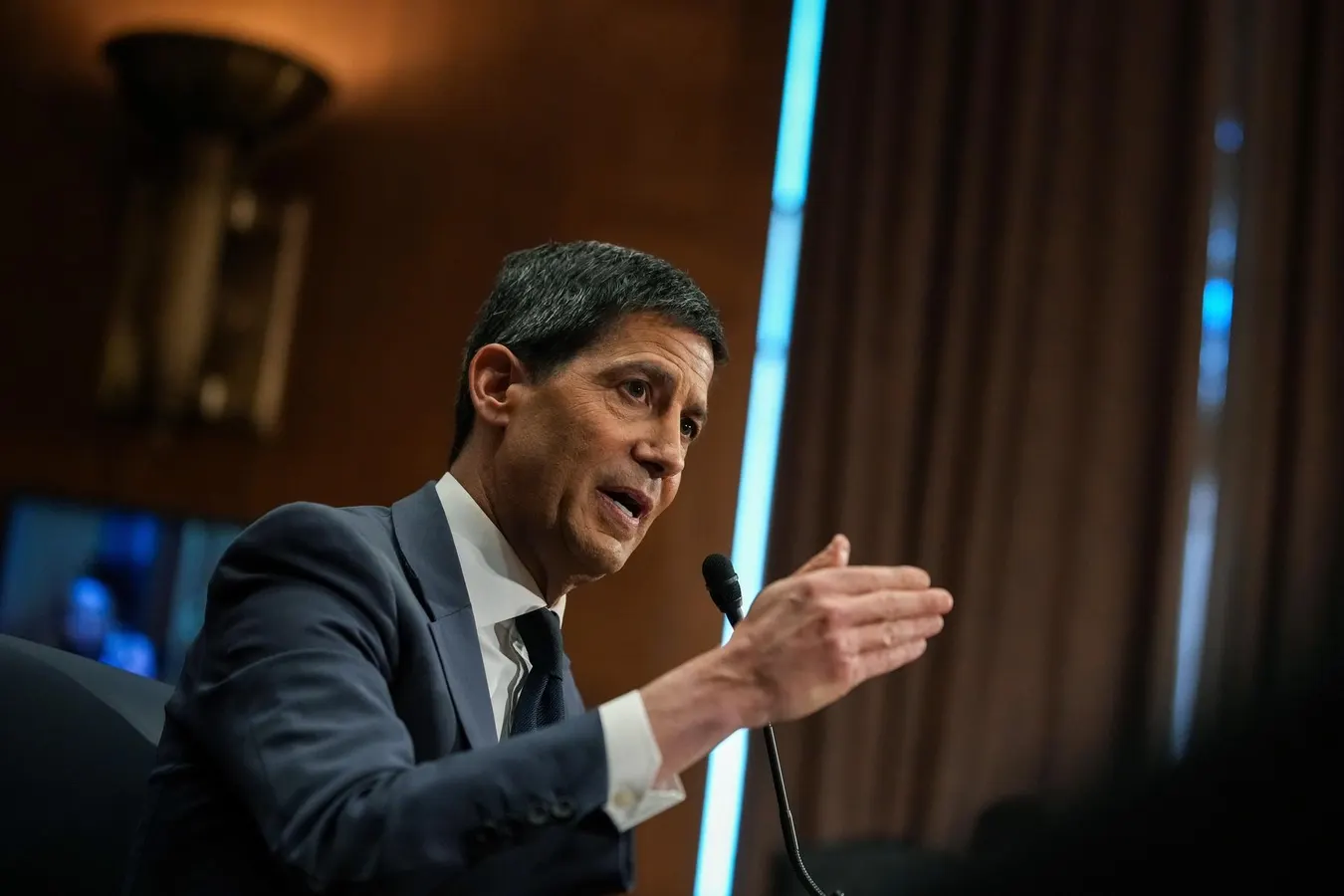
WASHINGTON, DC - APRIL 21: Kevin Warsh, U.S. President Donald Trump's nominee for Chair of the Federal Reserve, testifies during his Senate Committee on Banking, Housing, and Urban Affairs confirmation hearing in the Dirksen Senate Office Building on April 21, 2026 in Washington, DC. President Trump nominated Warsh, a former member of the Federal Reserve Board of Governors, to replace Jerome Powell amid bipartisan concerns over the Justice Department's criminal investigation into the central bank’s current leader. (Photo by Andrew Harnik/Getty Images)Getty ImagesFixed income markets now assign roughly a one‑third chance that the Federal Reserve will raise interest rates at its July 28‑29 meeting, as rising energy prices and a more hawkish tone from policymakers keep inflation risks front and center.Recent SpeechesIn recent speeches, Fed policymakers have said that if inflation does not cool soon, then interest rates may have to increase. At a speech on July 15, Fed Governor Lisa Cook underlined potential inflation risks, “I am watching both sides of our dual mandate—price stability and maximum employment. However, as I have stated at several points this year, the risks from high inflation concern me more at this time. Even though this week's consumer price index and producer price index reports were softer than expected, they still imply that the price index we target rose 3.7 percent in the 12 months through June. That is 1.7 percentage points above our 2 percent target. We have not reached our 2 percent target in more than five years.”On July 16, Fed Vice Chair Philip Jefferson, while appearing comfortable with the current positioning of monetary policy, noted that “In a scenario where actual inflation does not start to cool down soon, I believe that it could be appropriate to reconsider our current policy stance to ensure we fulfill our commitment to deliver price stability.” Fed Governor Christopher Waller expressed a similar view on July 13, saying, “Because core inflation is a good guide to future inflation, I am concerned that, if this upward trend continues, it will be hard to push inflation back toward the Committee's 2 percent goal with monetary policy at its current setting.”In his recent testimony on monetary policy on July 15, Warsh underlined his commitment to controlling inflation but offered no firm clues on future rate moves. “The members of our Committee have no tolerance for persistently elevated inflation. And we share a resolute commitment to restoring price stability. This was the focus of our June meeting, at which we decided to hold the target range for the federal funds rate at 3-1/2 to 3-3/4 percent.”What Markets ExpectThese recent speeches might also imply that officials may wait for more data before potentially raising interest rates. That is part of why markets believe rates could move up in September or October rather than necessarily coming in July. MORE FOR YOUThe market’s view is that rates are moving higher in 2026, but the exact pace and timing remain uncertain. At one extreme, hikes could begin in July and continue for every remaining meeting of 2026; at another, rates may hold steady for the rest of the year. However, the most likely path, according to fixed income markets, is two hikes this year. Energy prices are again moving higher, as they have for most of July, and if that continues, it might prompt the FOMC to act sooner in raising rates.
Markets Price In Rising Odds Of July Fed Rate Hike
Markets assign a one‑third chance of a July Fed rate hike as rising energy prices and persistent inflation keep pressure on policymakers.
TL;DRAI
Markets assign ~33% odds to July Fed rate hike amid rising energy prices and 3.7% inflation vs 2% target. Two hikes likely in 2026, pressuring startup funding costs, M&A valuations, and capital allocation toward profitable models.
560 words~3 min read