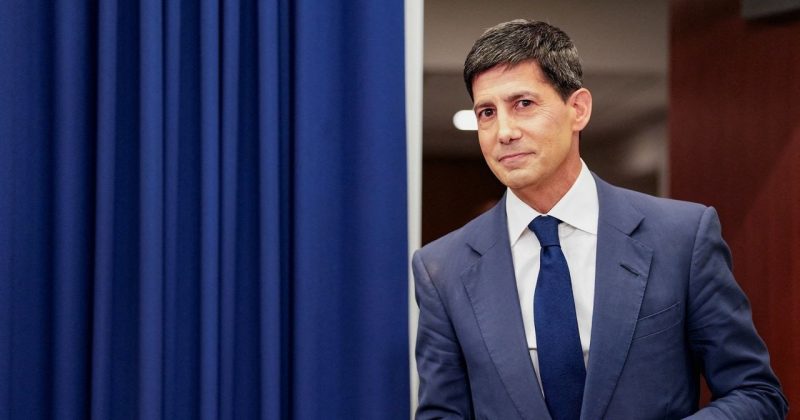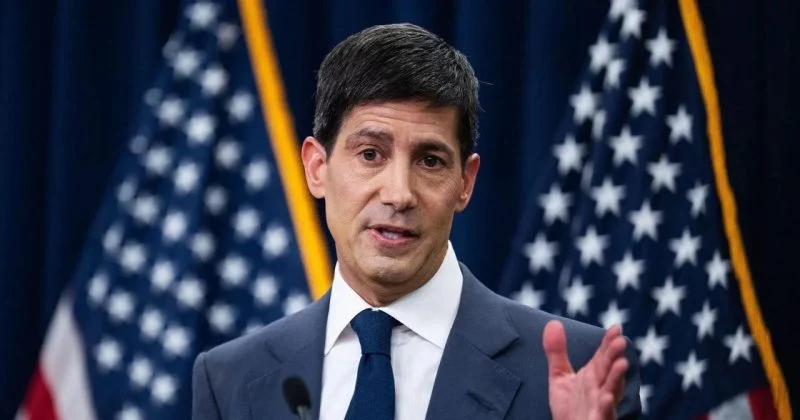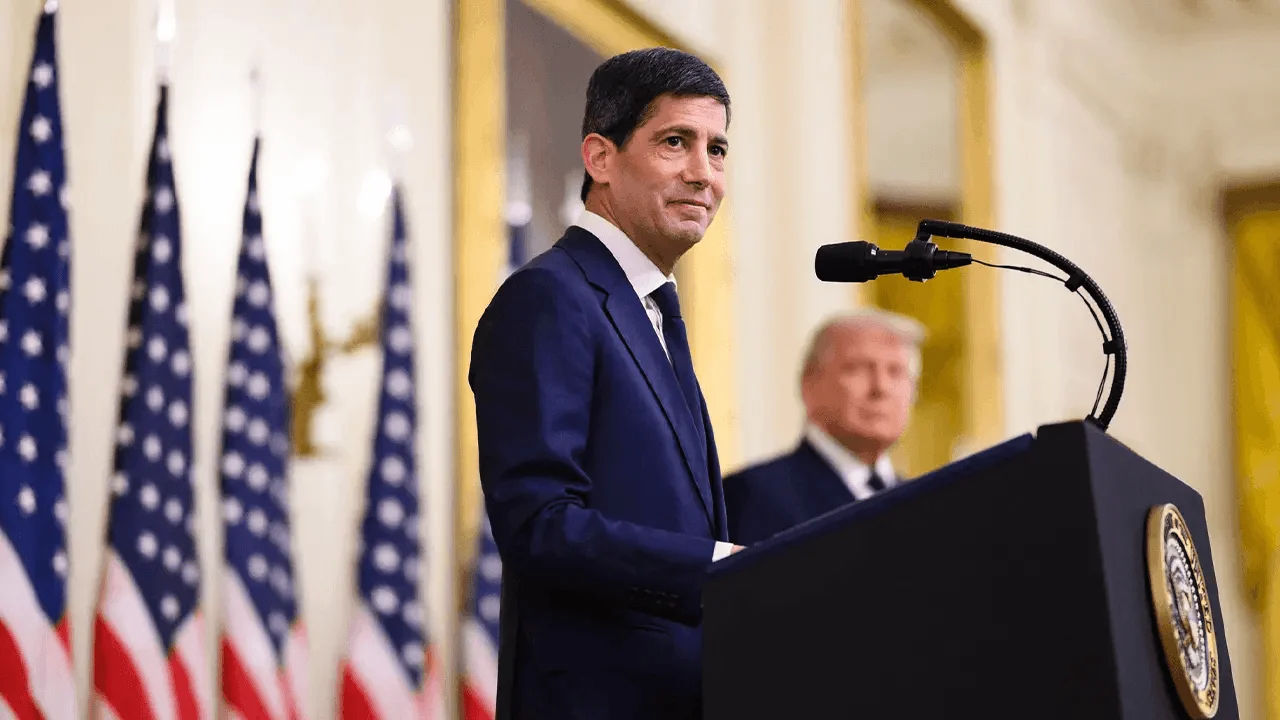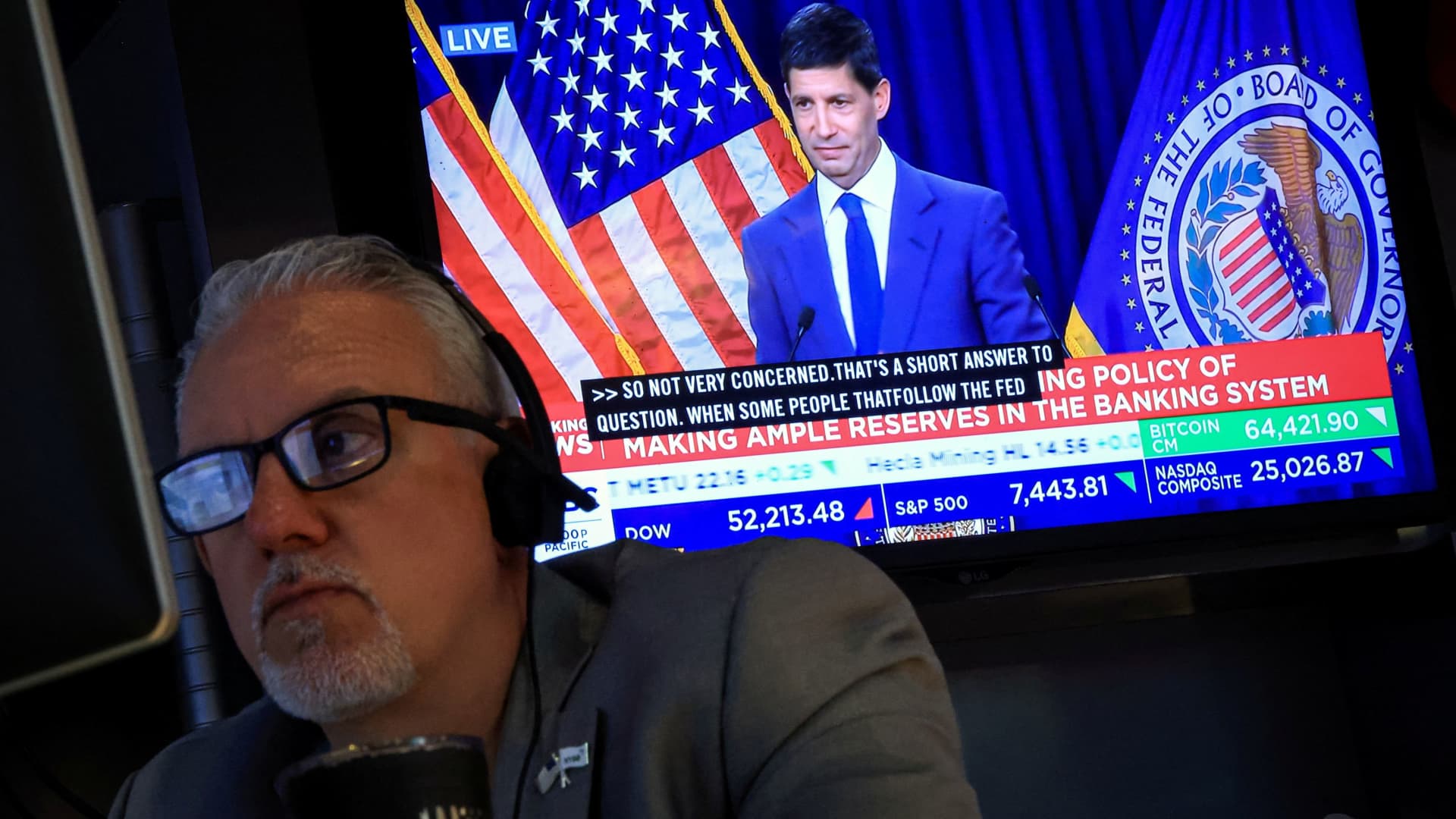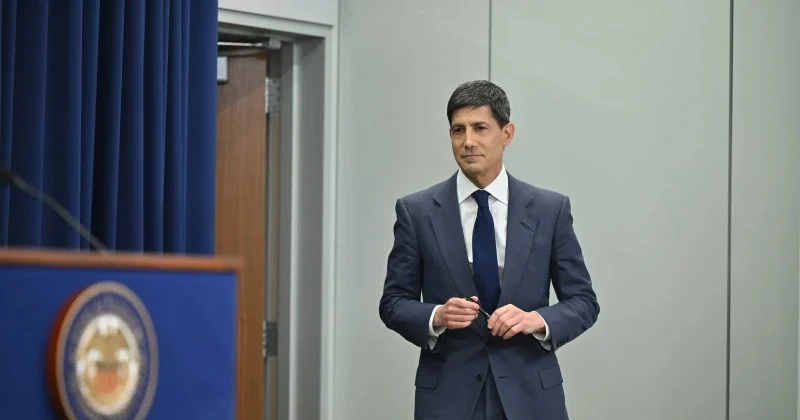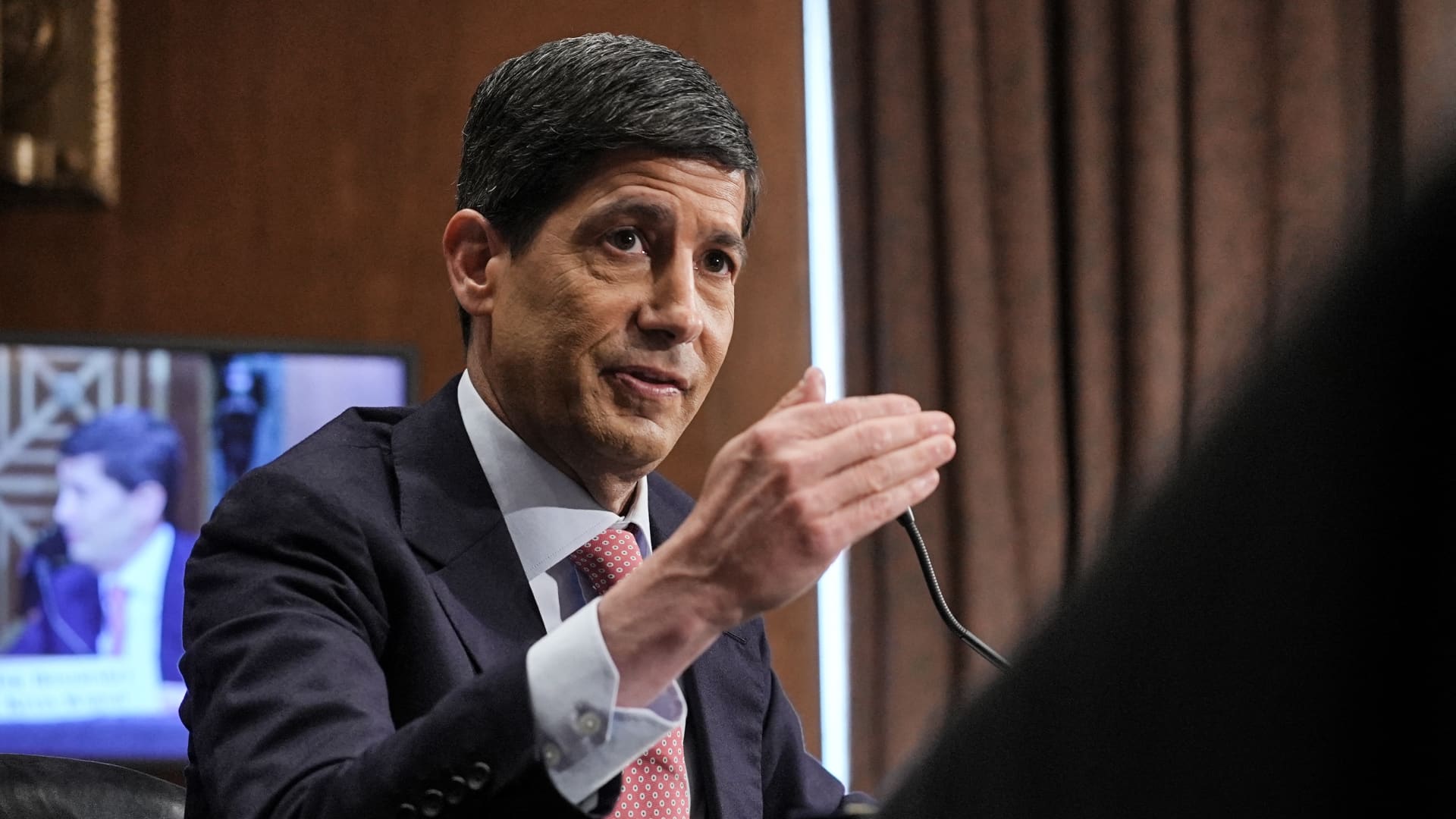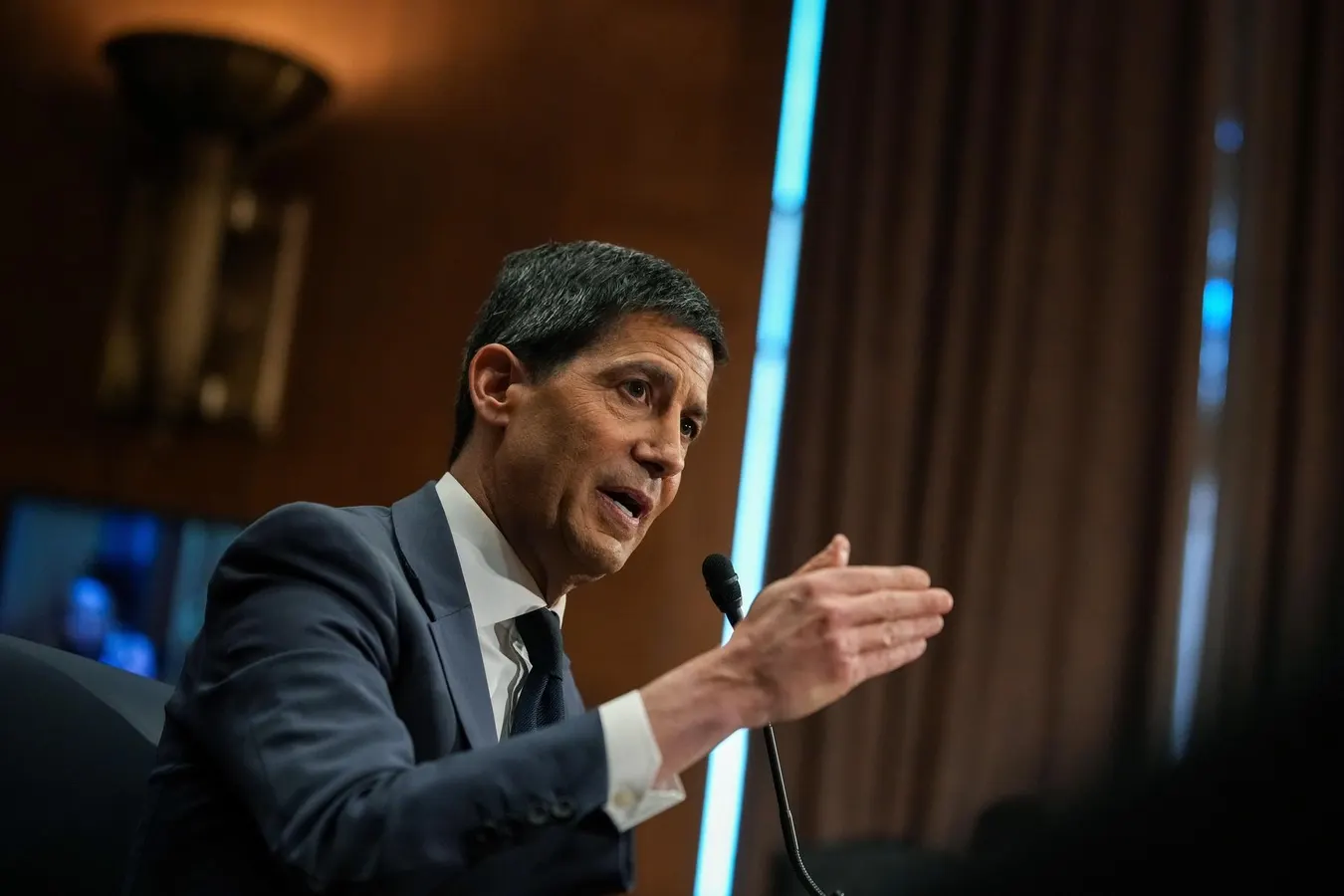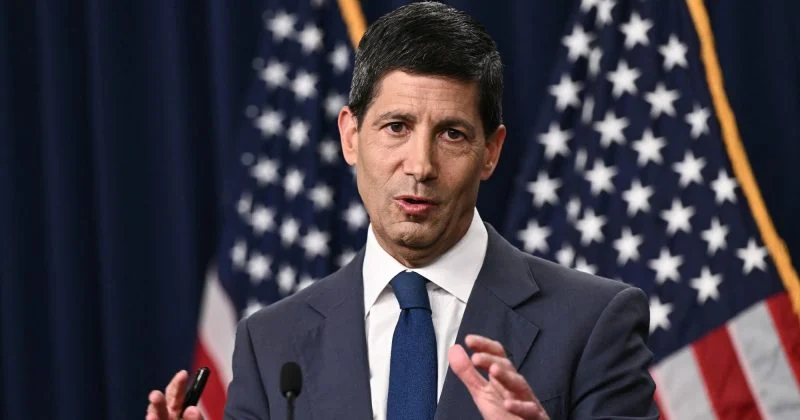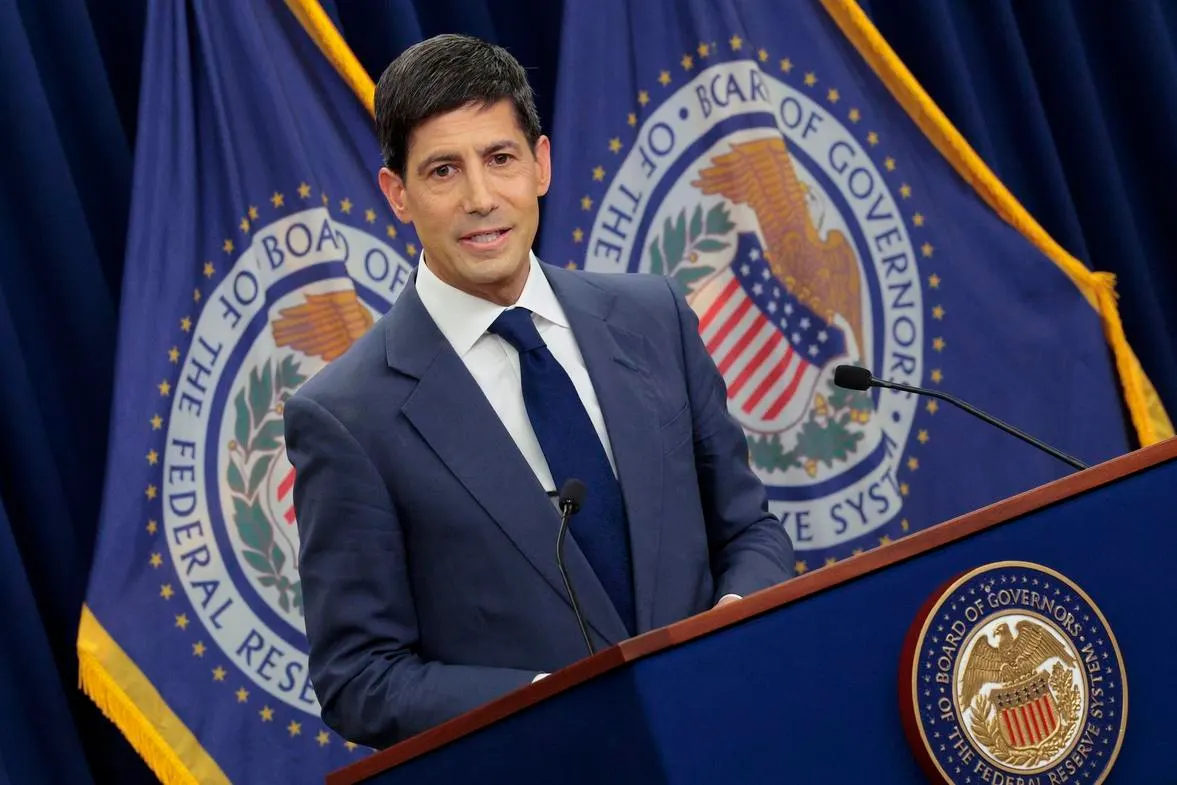
WASHINGTON, DC - JUNE 17: Federal Reserve Chair Kevin Warsh speaks to reporters during his first news conference since taking the helm at the central bank on June 17, 2026 in Washington, DC. Warsh was appointed by President Donald Trump after former chair Jerome Powell's tenure ended in May. (Photo by Chip Somodevilla/Getty Images)Getty ImagesFixed income futures now put a September rate hike at the center of the outlook, with rising Treasury yields, a rare cluster of dissents, and increasingly hawkish Fed commentary all pointing to a shift after July’s hold.Although the Federal Open Market Committee has moved away from forward guidance, there are several clues that a hike may be coming. These include rising bond yields, recent hawkish speeches, three July dissents from Fed policymakers and energy pricing remaining generally elevated. In addition, Fed Chair Kevin Warsh has repeatedly asserted that inflation needs to be lower to hit the FOMC’s targets, perhaps implying a need for higher interest rates to achieve that.Bond Yields Push HigherPerhaps the most fundamental clue to potential higher rates is that bond yields are rising. The 10-year Treasury yield has stepped up sharply to almost 4.7%, up from under 4.4% in late June. That’s a sharp spike over a fairly short period. Of course, bond yields track many factors beyond forecasting the FOMC’s decisions, but expectations of rising interest rates can help drive bond yields higher.Dissent Builds Inside The FedNew Fed Chair Kevin Warsh has stressed he’s not looking for consensus on monetary policy and would prefer a frank exchange of views. That’s what he’s getting with three dissents at the July meeting. That’s a relatively high number of dissents in a historical context. Those three policymakers were all prepared to support a July interest rate hike. Often dissents can directionally hint at what the FOMC is thinking. MORE FOR YOUGiven various hawkish speeches from other policymakers, too, it seems like there may be growing support for higher rates on the FOMC. For example, Fed Governors Waller, Jefferson and Cook, though not voting for higher rates in July, have given recent speeches that suggest there are scenarios under which they would support higher rates.Energy Prices Stay ElevatedIf there’s one factor driving higher inflation currently, it’s energy prices. The Iran conflict has reduced supply of energy along traditional routes, and the result is that prices have risen. Often the FOMC prefers to look through energy prices, which can be volatile. However, energy prices remain above the level when the Iran conflict began, and July has seen prices generally move up somewhat after a June when prices were easing. Energy is a key input into many goods and services given its broad use across the economy, and so higher prices may fuel inflation.A Strong Economy Gives The Fed RoomThe U.S. economy is also viewed as generally strong currently. This makes it easier for the FOMC to focus on inflation because there is not a need to cut rates and support the jobs market, which is the other core component of the FOMC’s mandate. This doesn’t necessarily prompt rate hikes, but may remove one major barrier to tighter monetary policy.What Markets Expect NextMarkets believe that interest rates are moving higher in 2026. The timing is still uncertain, but with rates held steady in July, September is most likely to be when the Fed will start raising rates per fixed-income futures. With weeks until the meeting, it’s not a foregone conclusion. There’s still broadly a four‑in‑ten chance rates don’t move higher in September, and even a material chance rates are held steady for the remainder of the year. Nonetheless, without some fundamental change in economic data, the FOMC may be set to move to a more hawkish policy stance if bond markets and other factors are any guide.
Markets Shift Toward A September Rate Hike
Markets lean toward a September Fed rate hike as rising Treasury yields, policymaker dissents and firm energy prices signal a more hawkish policy path.
629 words~3 min read