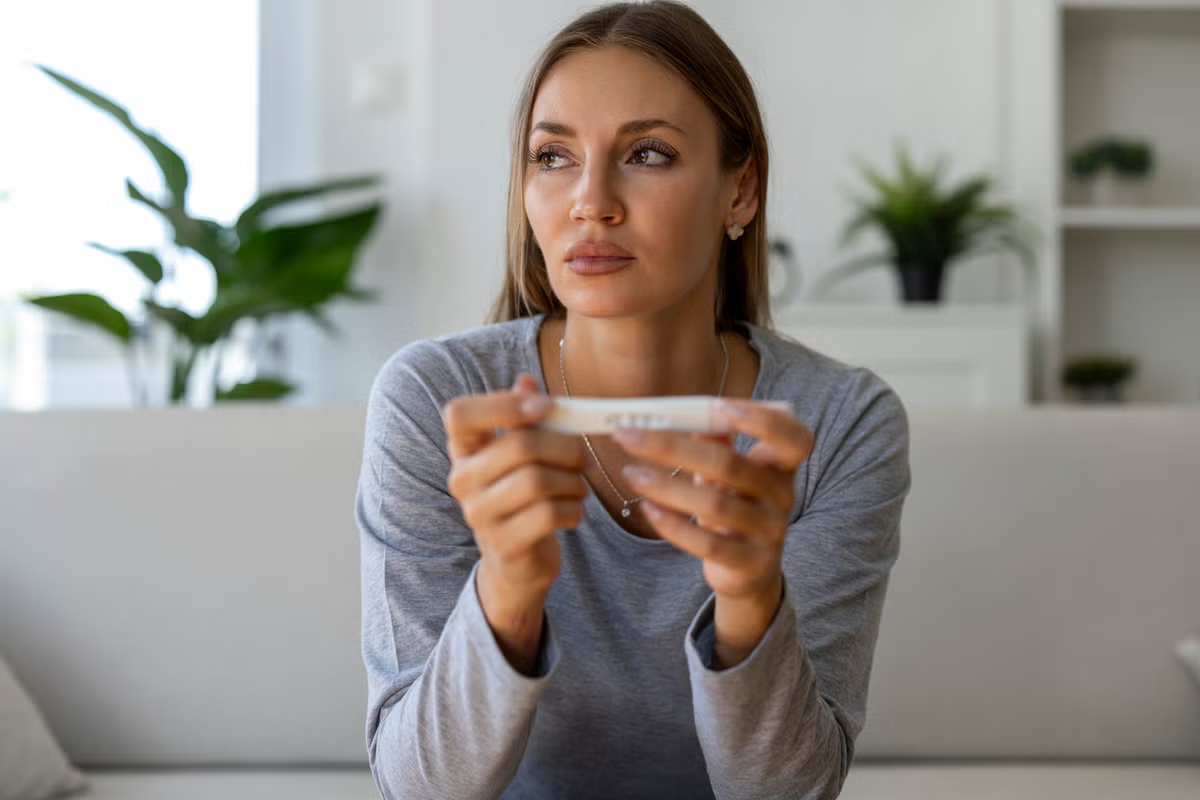
Ayurveda may not replace IVF, but specialists say it can play a supportive role by helping optimise fertility rate, metabolic wellbeing, stress management and reproductive health before a couple attempts another fertility treatment.For many couples, the journey to parenthood is longer than expected. After two or three unsuccessful IVF cycles, they often find themselves asking difficult questions: Why didn't it work? Should we repeat the same treatment? Is there anything else we can do before trying again?Increasingly, couples are exploring an integrative approach that combines modern reproductive medicine with evidence-informed lifestyle interventions, including Ayurveda. Rather than replacing IVF, the goal is to optimise the body's overall health before another attempt."Many couples approach us after repeated IVF failures," says Dr Anitha, Ayurveda Infertility Specialist at Shathayu Ayurveda. "We don't look at a single report such as Low AMH or Embryo quality. We assess both partners comprehensively, including their medical history, hormonal assessment, stress levels, metabolic health, menstrual health and previous fertility treatments, before recommending an individualised plan."According to Dr Mruthyunjaya, Ayurveda fertility specialist at Shathayu, "Infertility is a couple's concern, not just a woman's. Male factors contribute to a significant proportion of infertility cases, which is why evaluating both partners together is essential. Our objective is to improve overall health and wellbeing while working alongside fertility specialists."When Couples Seek Ayurvedic SupportAt Shathayu, many couples seek consultation after repeated IVF failures or when fertility investigations identify complex underlying factors. Among women, common concerns include low AMH or diminished ovarian reserve, PCOS, endometriosis, thin endometrium, recurrent implantation failure, irregular ovulation and unexplained infertility. Men often seek support for conditions such as azoospermia, low sperm count, poor sperm motility or morphology, increased sperm DNA fragmentation, hormonal imbalances and fertility issues associated with lifestyle factors including obesity, smoking, alcohol use, inadequate sleep and chronic stress. As infertility often involves both partners, a comprehensive evaluation of the couple is an important part of planning further treatment.Where Ayurveda May FitAyurveda is not a replacement for IVF, but it may serve as supportive, individualised care to help optimise overall health before another fertility attempt. At Shathayu, Ayurveda Fertility treatment begins with a comprehensive assessment of both partners, followed by a personalised plan based on their medical history, fertility evaluation and overall health.Depending on the individual's condition, the clinic’s programme may include Ayurvedic detoxification (Panchakarma), weight management, stress reduction, and therapies that support digestive and metabolic health. Treatment may also include Rasayana (rejuvenative) therapies, menstrual and ovulation support where indicated, and measures aimed at promoting endometrial health and reproductive wellbeing under the supervision of qualified Ayurvedic physicians.Should Couples Wait Until IVF Fails?Correcting nutritional deficiencies, achieving a healthy weight, managing thyroid disorders, improving sleep, reducing chronic stress and addressing metabolic health may all form part of comprehensive fertility preparation. Ayurveda can be considered one component of this broader, integrative approach under appropriate medical supervision.Frequently Asked QuestionsCan Ayurveda improve IVF success? Some couples choose Ayurveda as supportive care alongside conventional fertility treatment. Evidence regarding improvement in IVF outcomes remains limited, and it should not replace evidence-based reproductive care.Can Ayurveda increase AMH? According to Shathayu specialists, the focus is on overall reproductive health rather than improving a specific laboratory value such as AMH.Can Ayurveda cure azoospermia? The outcome depends entirely on the underlying cause. A thorough evaluation by a qualified fertility specialist is essential.When should couples consider Ayurveda after failed IVF? Many seek consultation after two or more unsuccessful IVF cycles, although some choose an integrative approach before beginning IVF.Can Panchakarma be done before IVF? Only after assessment by a qualified Ayurvedic physician and in coordination with the fertility treatment plan.Does stress affect fertility? Chronic stress can influence sleep, lifestyle behaviours and hormonal regulation, all of which may affect reproductive health.Is age more important than AMH? Age, ovarian reserve, embryo quality, sperm health and overall health all contribute to fertility outcomes.Should men also undergo evaluation? Yes. Male factors contribute to a substantial proportion of infertility cases, making assessment of both partners essential.This article is intended for general educational purposes and should not be considered medical advice. Ayurvedic care should complement not delay or replace evaluation and treatment recommended by a qualified reproductive medicine specialist. Couples should consult both fertility specialists and qualified Ayurvedic physicians to determine the most appropriate treatment plan for their individual circumstances.Disclaimer: The views and opinions expressed in the story are the independent professional judgment of the experts and TIL does not take any responsibility for the accuracy of their views. This should not be considered as a substitute for medical advice. Please consult your treating doctorfor more details. Shatayu Ayurveda is solely liable for the correctness and reliability of the content and/or compliance of applicable laws. The above is non-editorial content and TIL does not guarantee, vouch or endorse any of it. Please take all steps necessary to ascertain that any information and content provided is correct, updated, and verified.
After multiple IVF failures, Ayurveda may offer new possibilities: Experts
Ayurveda may not replace IVF, but specialists say it can play a supportive role by helping optimise fertility rate, metabolic wellbeing, stress management and reproductive health before a couple attempts another fertility treatment.
812 words~4 min read