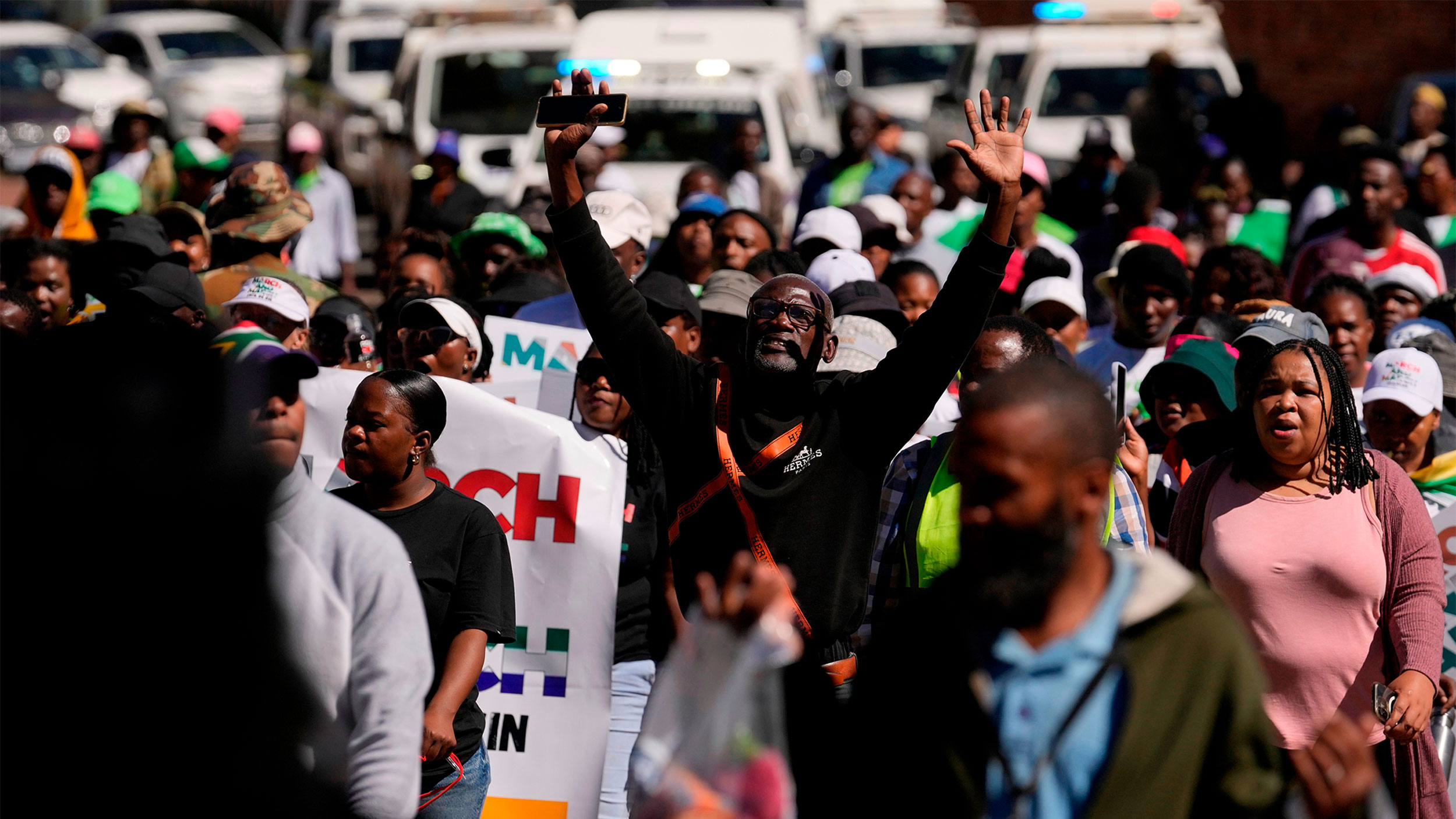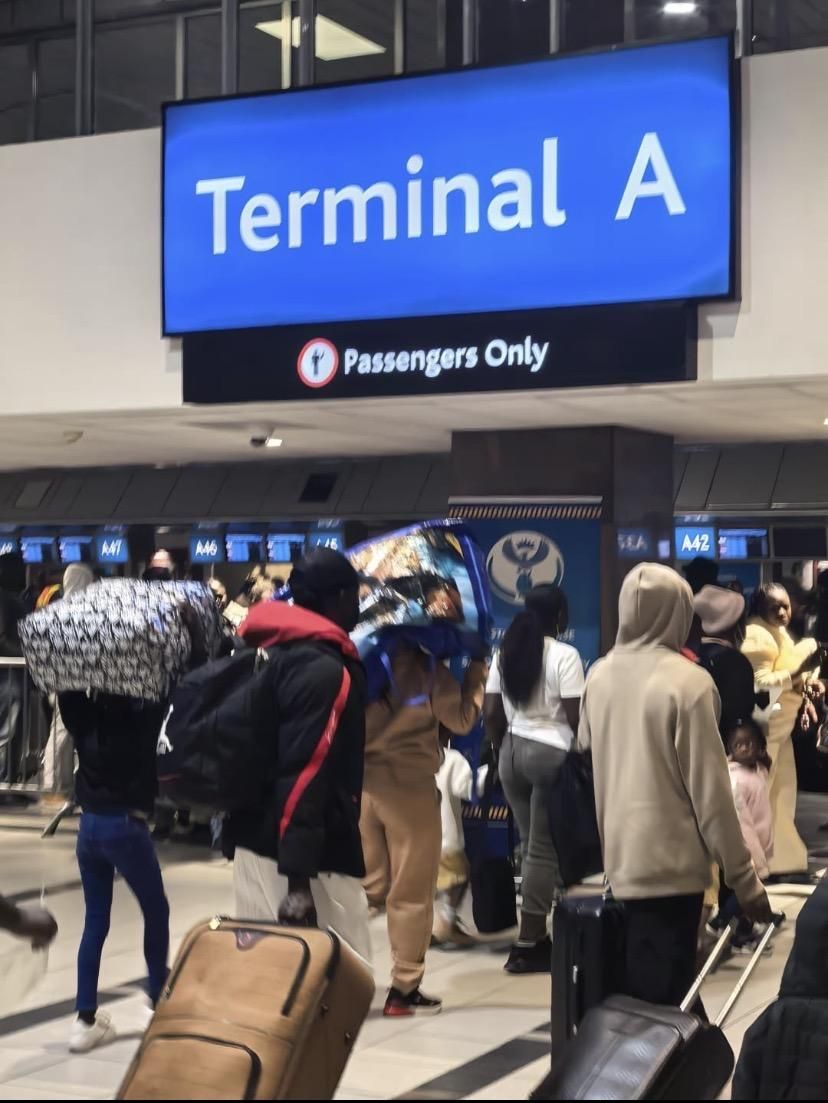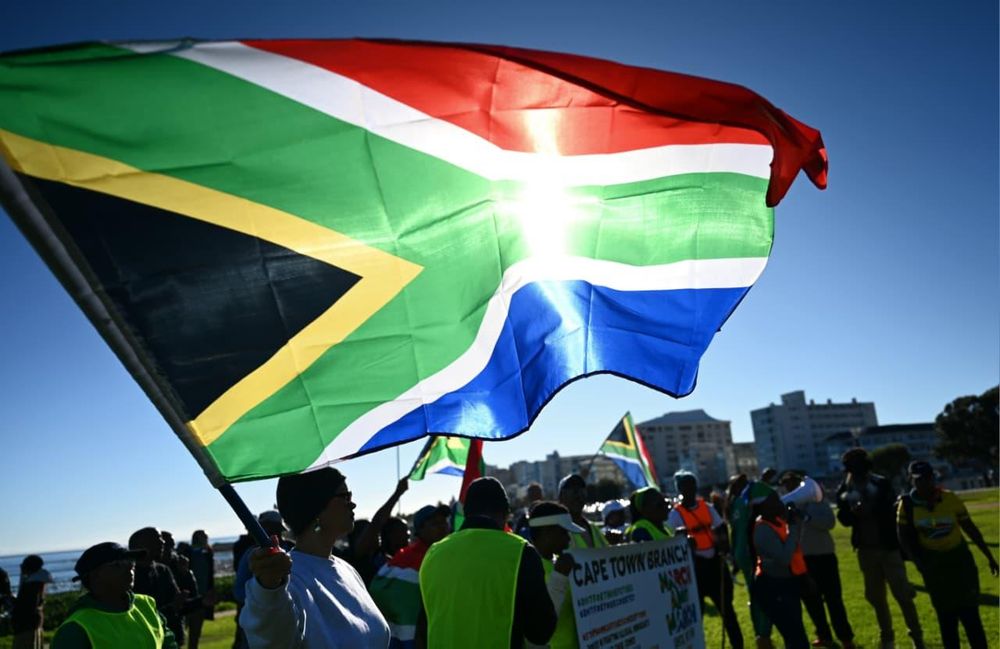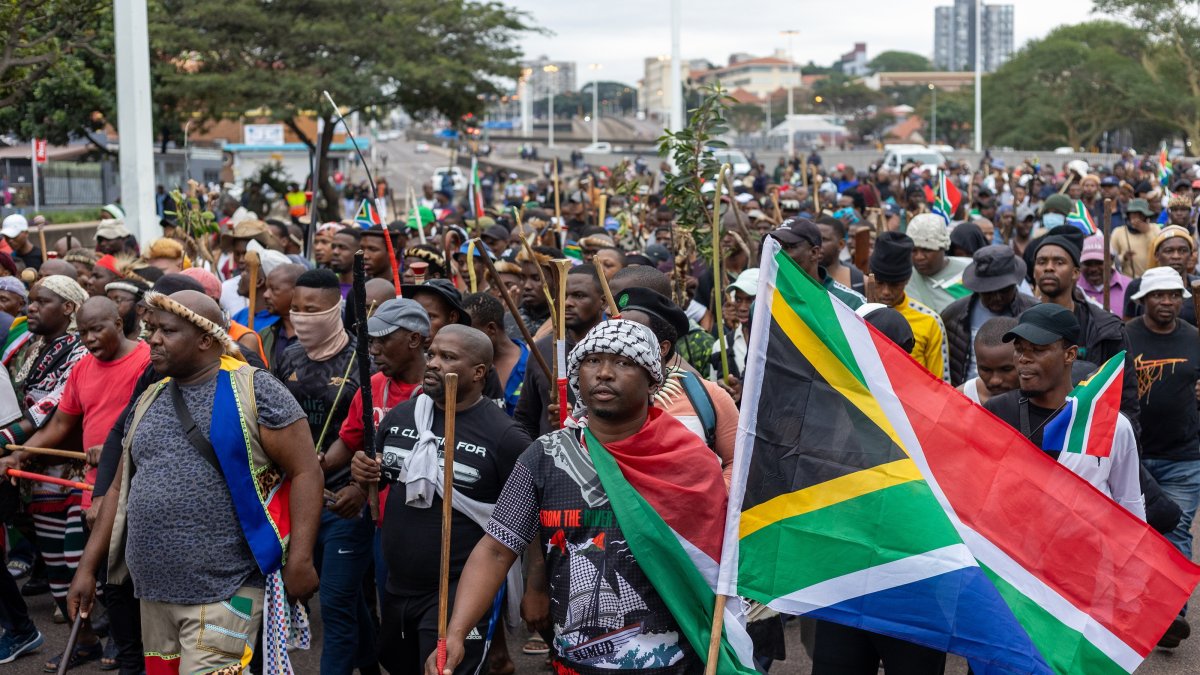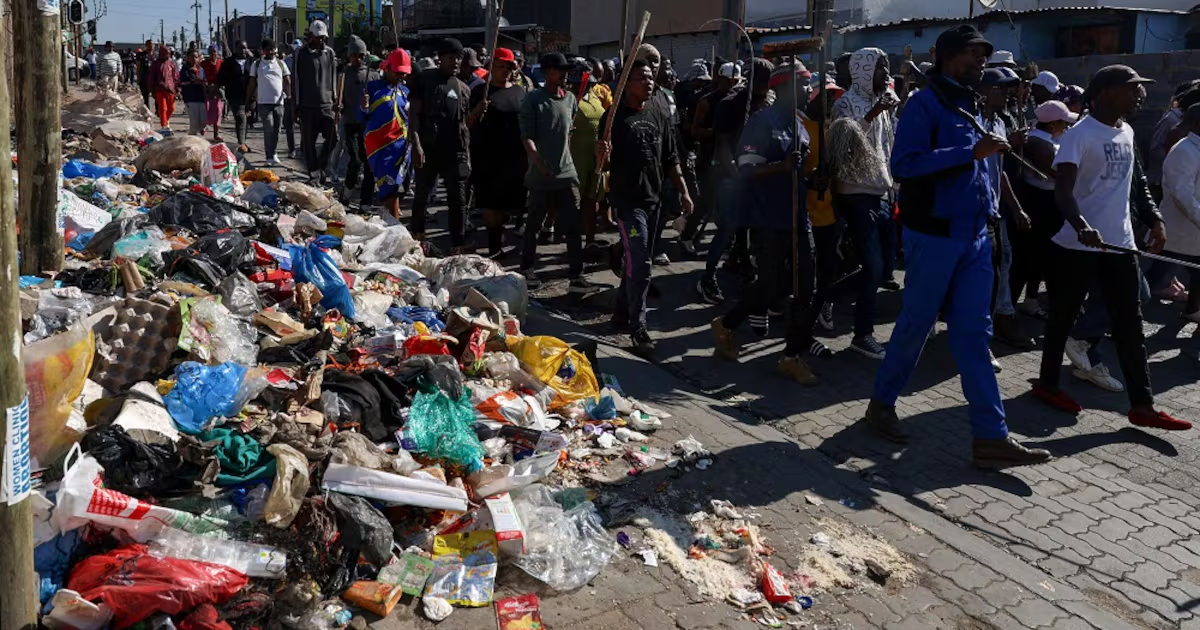
Last month Bloomberg News reported South African firms with operations across Africa were facing mounting pressure as anti-immigration protests triggered diplomatic tensions and calls for action against their businesses on the continent. Some of the companies reportedly dispatched senior executives to meet with officials to address concerns and discuss plans to deal with the matter and to support the repatriation of their citizens from South Africa. More than 2,700 people from Ghana, Nigeria, Mozambique and Malawi were assisted in returning home from South Africa before the June 30 “deadline” amid fears the March and March anti-immigrant demonstrations could escalate. A number of immigrants were attacked and had their homes or businesses looted as they were threatened with an unofficial deadline for undocumented migrants to leave the country.While the xenophobic tensions did not break out into widespread violence and looting during the demonstrations on June 30, anxiety and fear among the migrant communities in our country remain. In addition, the negative effects are spilling over into the commercial, political and economic relationships with our African neighbours. What goes around comes aroundWhile no-one is naïve about the nefarious activities of some undocumented migrants in South Africa, xenophobia is never useful or helpful to the one who defends and justifies his or her prejudice. What goes around comes around, after all. We are also not ignorant about the role the government has played in failing to accurately document and integrate immigrants into South Africa or to protect our borders, but there are serious long-term risks of our xenophobic tendencies that will hurt the country’s GDP and trade and economic growth potential. There is a growing body of evidence that recurring anti-immigrant and xenophobic incidents at home are creating political, regulatory and reputational risks for South African companies operating elsewhere in Africa. Ghana was recently among the strongest critics of South Africa, with our diplomats summoned and Ghanaian officials publicly protesting against the treatment of Ghanaians in South Africa. South African firms have become political targets in Nigeria, with Nigerian lawmakers and activists calling for punitive measures against South African firms, arguing that as a nation we benefit economically from Nigerian consumers while Nigerians face hostility in South Africa. Nigerian senator Adams Oshiomhole even proposed revoking licences or nationalising South African-owned companies operating in Nigeria. Though the Nigerian senate ultimately rejected the proposals, the episode demonstrated how South African corporate assets can become hostages to political tensions arising from xenophobia.South African justice minister Mmamoloko Kubayi warned in June that xenophobic attacks were damaging the nation’s brand and image abroad and leading to a backlash against South African artists and businesses throughout Africa. I fear that not only is xenophobia hurting our nation’s brand, but it may have costly longer-term political and economic implications. Puncturing the wheels of our Africa trade strategy South Africa needs more African trade, but xenophobia is puncturing the wheels of our Africa business strategies. Not only is the continent’s youthful population and its growing middle class an important market for us, but it’s also one of the world’s last frontiers for growth. When African nations co-operate through organisations such as the AU and Southern African Development Community, it creates a more stable environment for trade, investment, tourism and development, and greater prosperity for the entire region.Africa is a major export destination for South African goods and services. Through the African Continental Free Trade Area (AfCFTA) businesses have access to a market of about 1.4-billion people, helping our manufacturers, retailers, banks, telecom companies and service providers expand beyond the domestic market. The AfCFTA is specifically designed to increase intra-African trade, investment, industrialisation and job creation. However, domestic tensions raise a broader political question about whether we can be trusted as a main partner at the AfCFTA table. South African political commentator and columnist William Gumede has aptly pointed out that xenophobia undermines our strategy of expanding trade across Africa and weakens our aspiration to act as a moral and political leader on the continent. Anti-foreigner violence damages relationships needed to grow intra-African trade.Xenophobia dampens business and investor confidenceSpeaking to Forbes Africa earlier this month, Ahmed Shaikh, professor and CEO of Regent Business School, said: “In an economy competing for capital, talent and confidence, xenophobia is a self-inflicted economic wound. Investors may tolerate policy uncertainty for a period, but they cannot tolerate uncertainty about public order and the rule of law.” Analysts have warned that foreign firms could relocate activity to rival African commercial hubs with more open and friendly attitudes. South Africa needs stronger trade, investment and political co-operation with other African nations to fulfil our own growth aspirations. Xenophobia is not only morally reprehensible, but for those caught up in sharing anti-immigrant sentiment and views it is important to remember that what we dish out is what we will eventually dish up. Let each of us speak out against xenophobia in the places where we have influence or a voice, lest we cut off our noses to spite our faces. • Nott is head of Africa at Deneys.
GREG NOTT | South Africa’s anti-immigrant protests risk damaging its Africa strategy
Xenophobia threatens AfCFTA ambitions and investor confidence in our country
838 words~4 min read