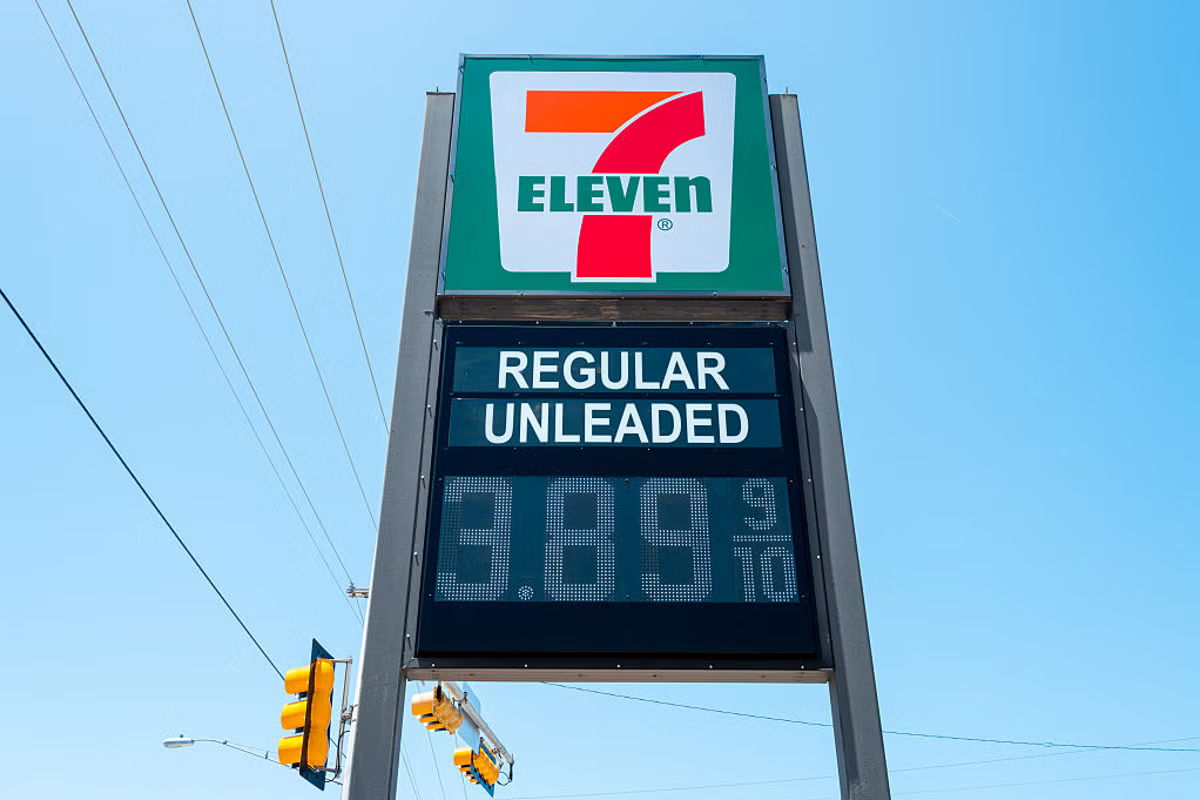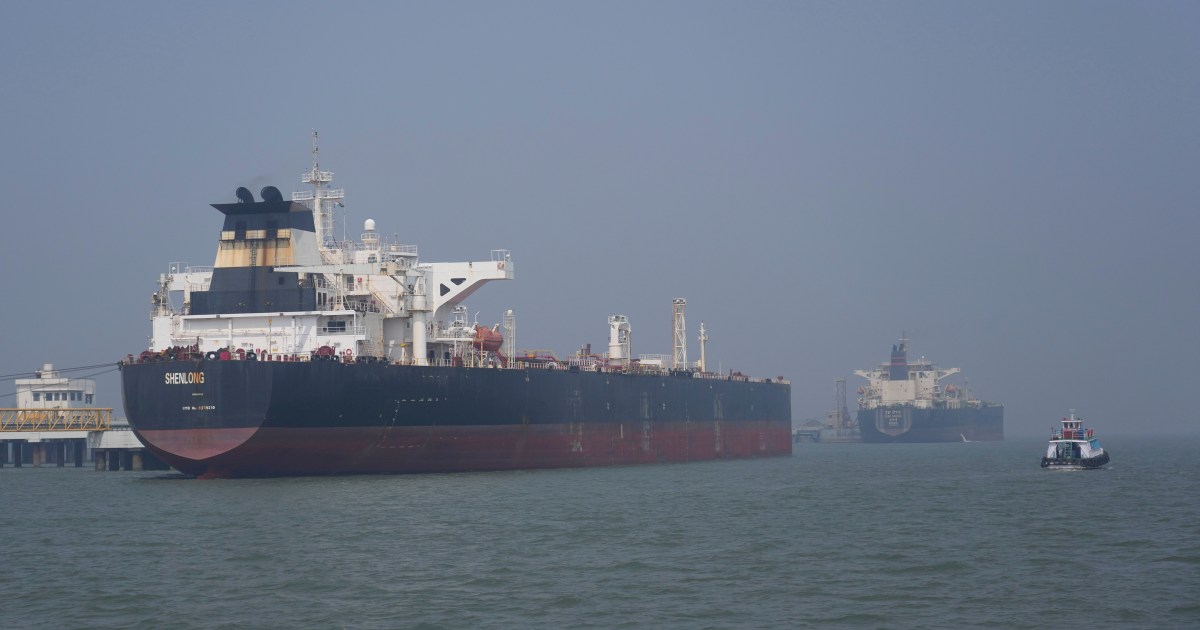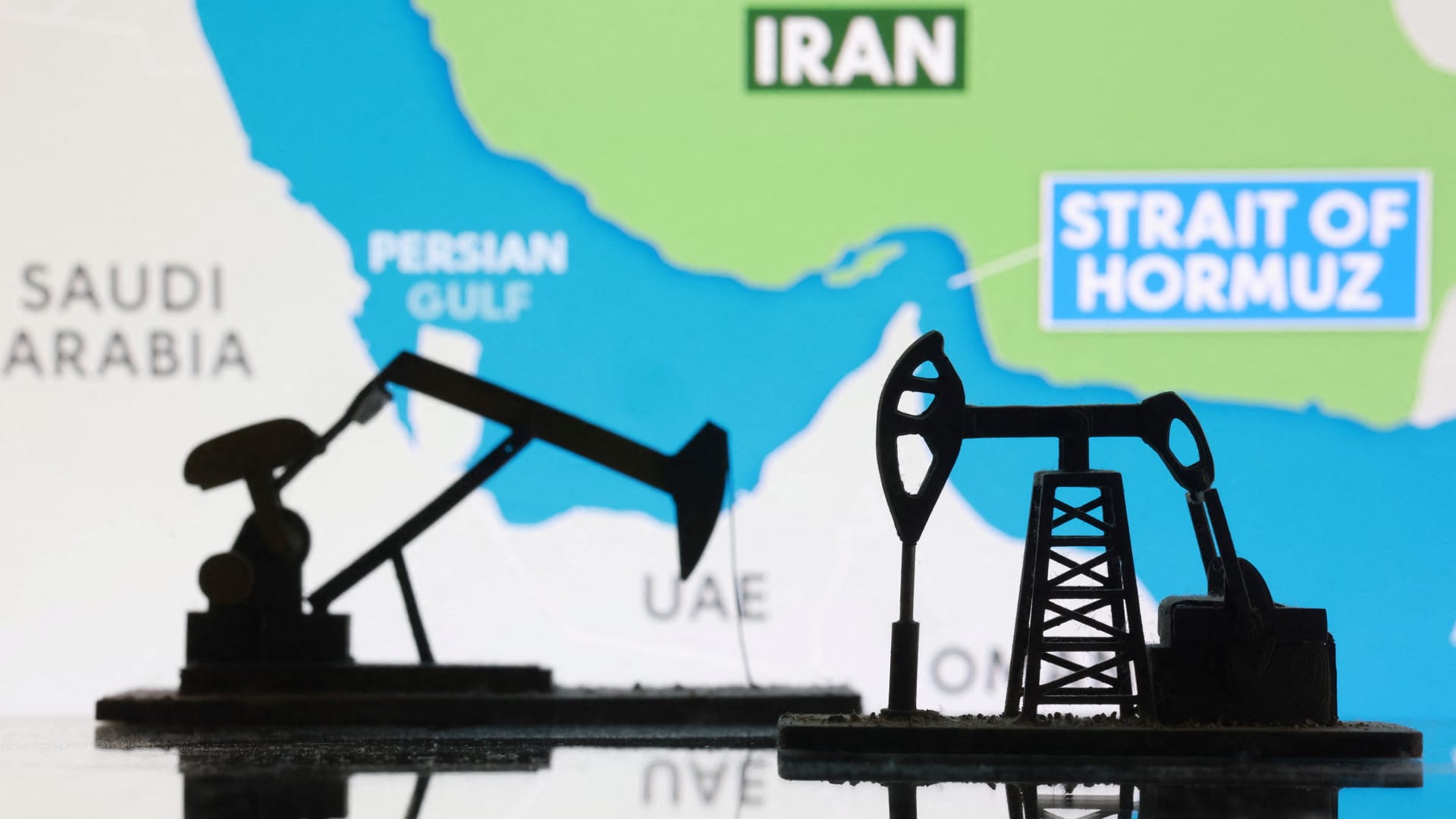
Already feeling pinched since the start of the Iran war, consumers are likely to feel more pain ahead as oil prices pushed past $100 a barrel Thursday amid renewed fighting and military strikes that have left global oil supplies stranded in the Middle East.
The elevated price marked a turn from lower oil prices enjoyed briefly when hostilities between the U.S. and Iran waned in June. Brent crude, the international standard, last reached $100 a barrel in May.
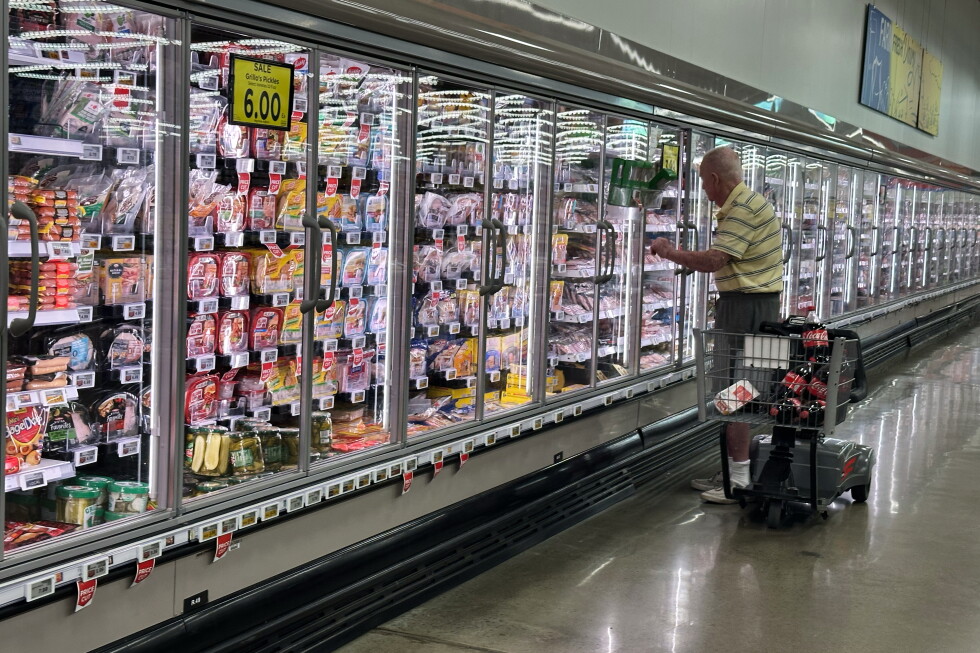
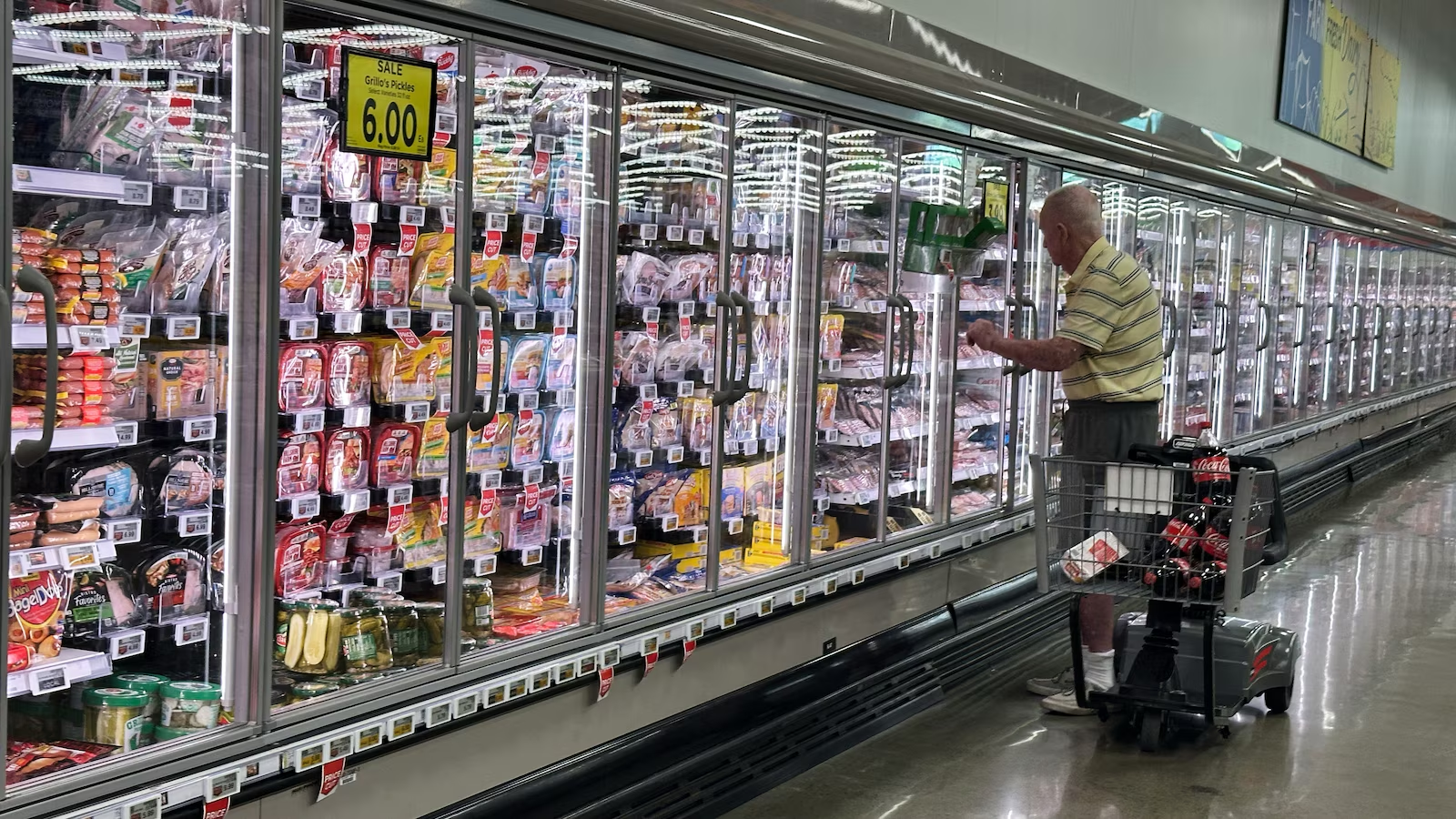
Companies that produce and sell fresh food, school supplies and anything that gets shipped using fuel reported cost impacts from an earlier spike in energy prices after the U.S. and Israel attacked Iran. They’re likely to continue passing some of their increased expenses to consumers.
“Since everything relies on petroleum in our economy, for good or ill, if the cost of petroleum goes up, then everything else goes up as well,” said Joe Adamski, a managing director at procurement services company ProcureAbility.
Here’s how higher oil prices could put more strain on the finances of U.S. consumers.