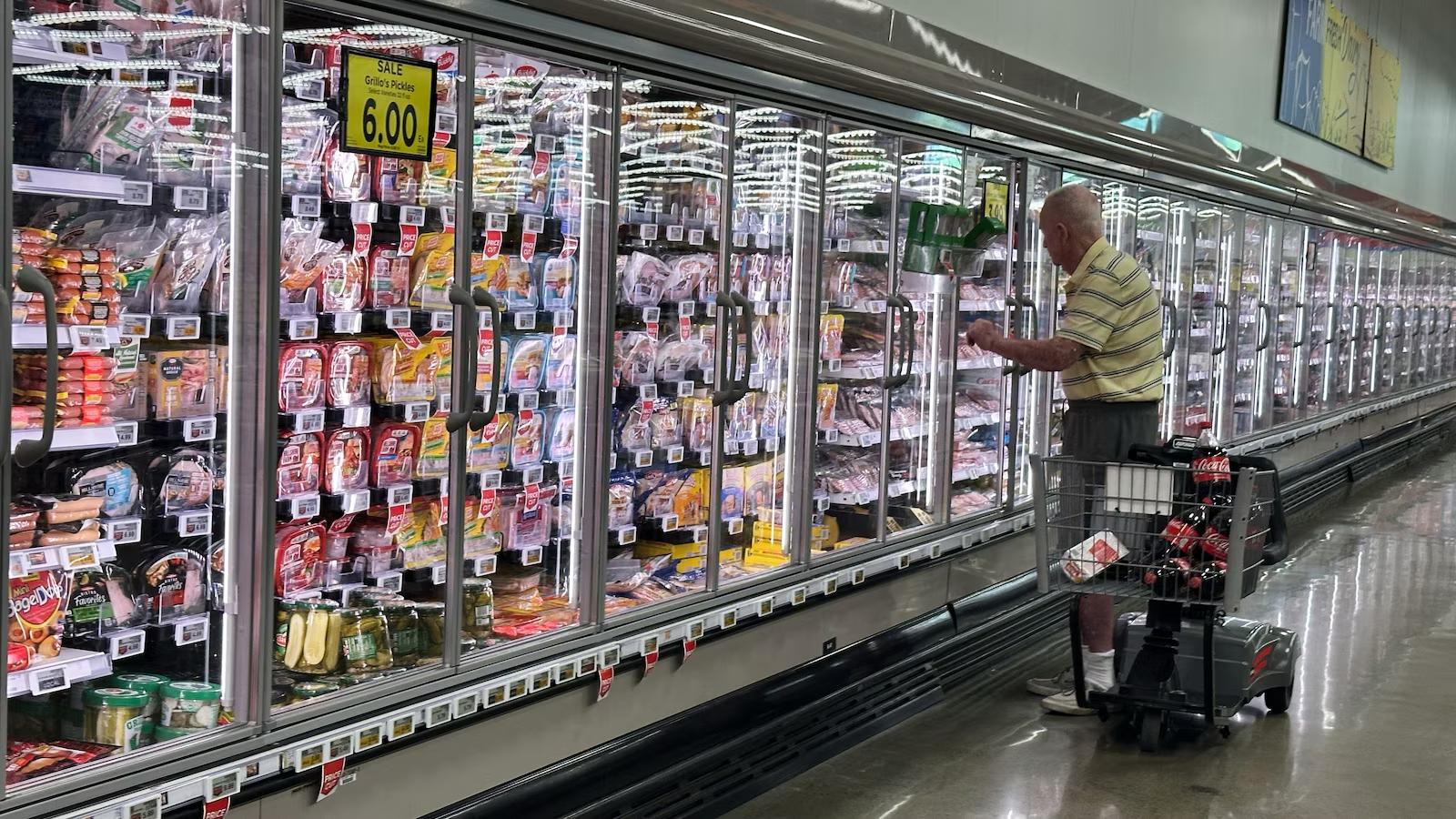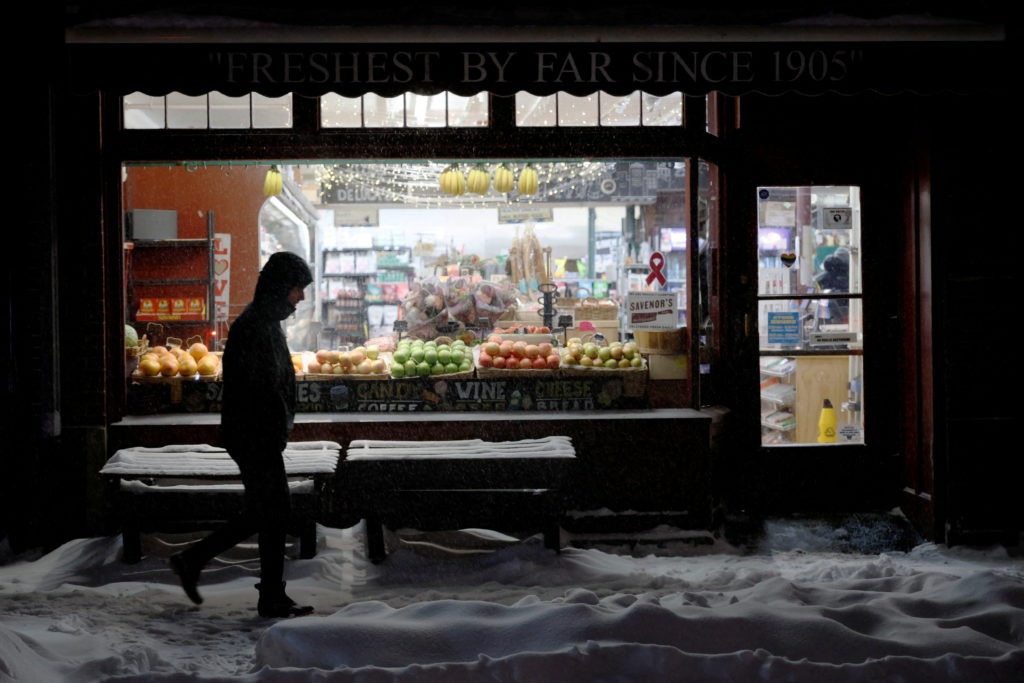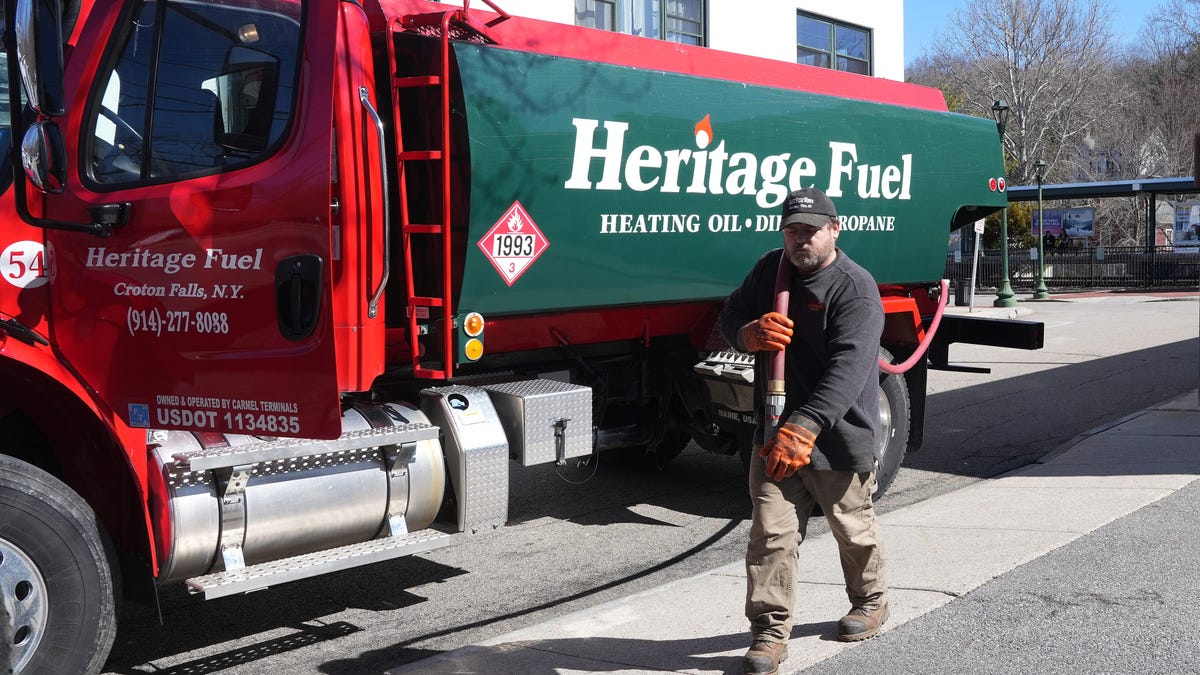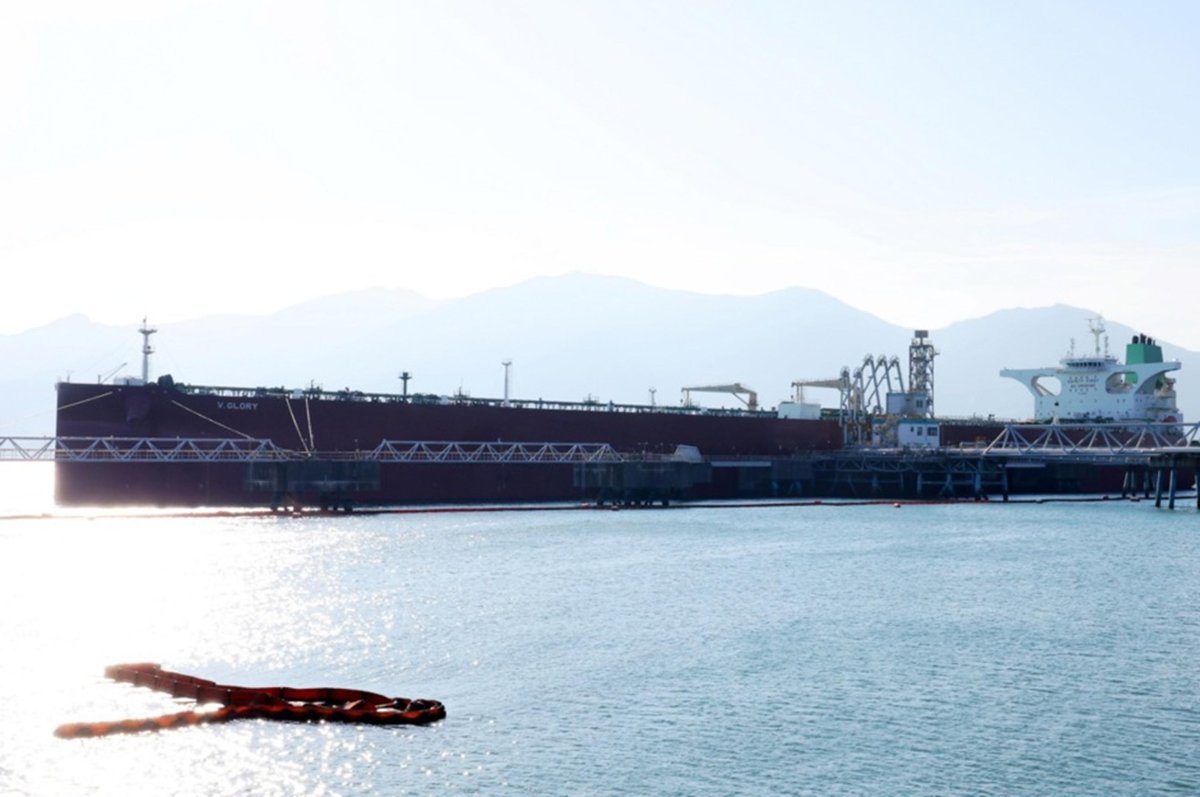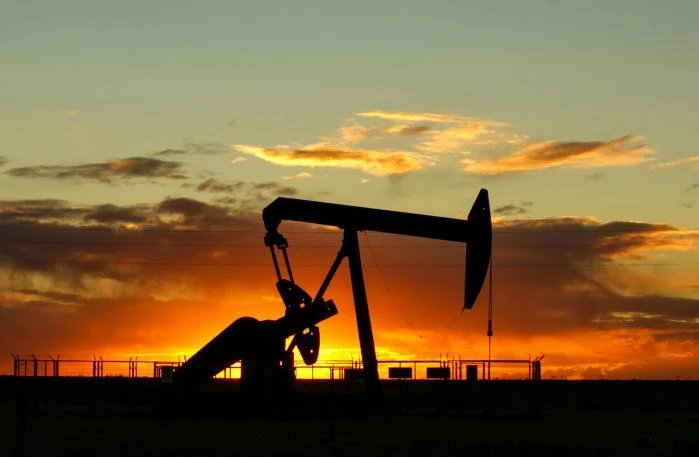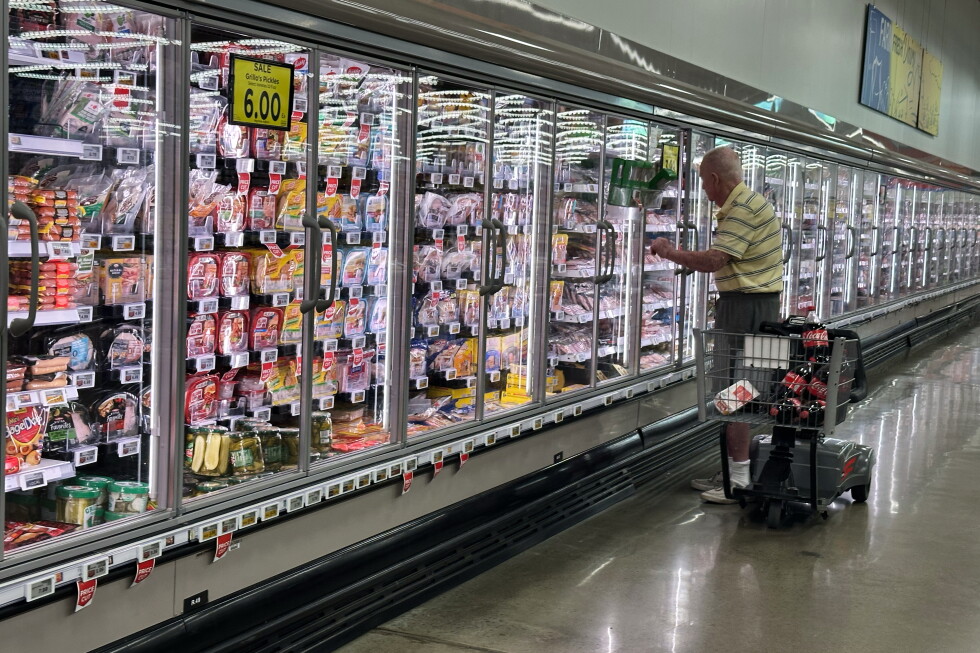
NEW YORK (AP) — Already feeling pinched since the start of the Iran war, consumers are likely to feel more pain ahead as oil prices pushed past $100 a barrel Thursday amid renewed fighting and military strikes that have left global oil supplies stranded in the Middle East.The elevated price marked a turn from lower oil prices enjoyed briefly when hostilities between the U.S. and Iran waned in June. Brent crude, the international standard, last reached $100 a barrel in May.Companies that produce and sell fresh food, school supplies and anything that gets shipped using fuel reported cost impacts from an earlier spike in energy prices after the U.S. and Israel attacked Iran. They’re likely to continue passing some of their increased expenses to consumers.“In general, once you have an increase in costs, businesses are fast in increasing the price,” said Miguel Gomez, director of Cornell University’s Food Industry Management Program. But, he noted, “it takes more time to lower prices when the costs go down.”Here’s how higher oil prices could further impact consumers’ wallets.
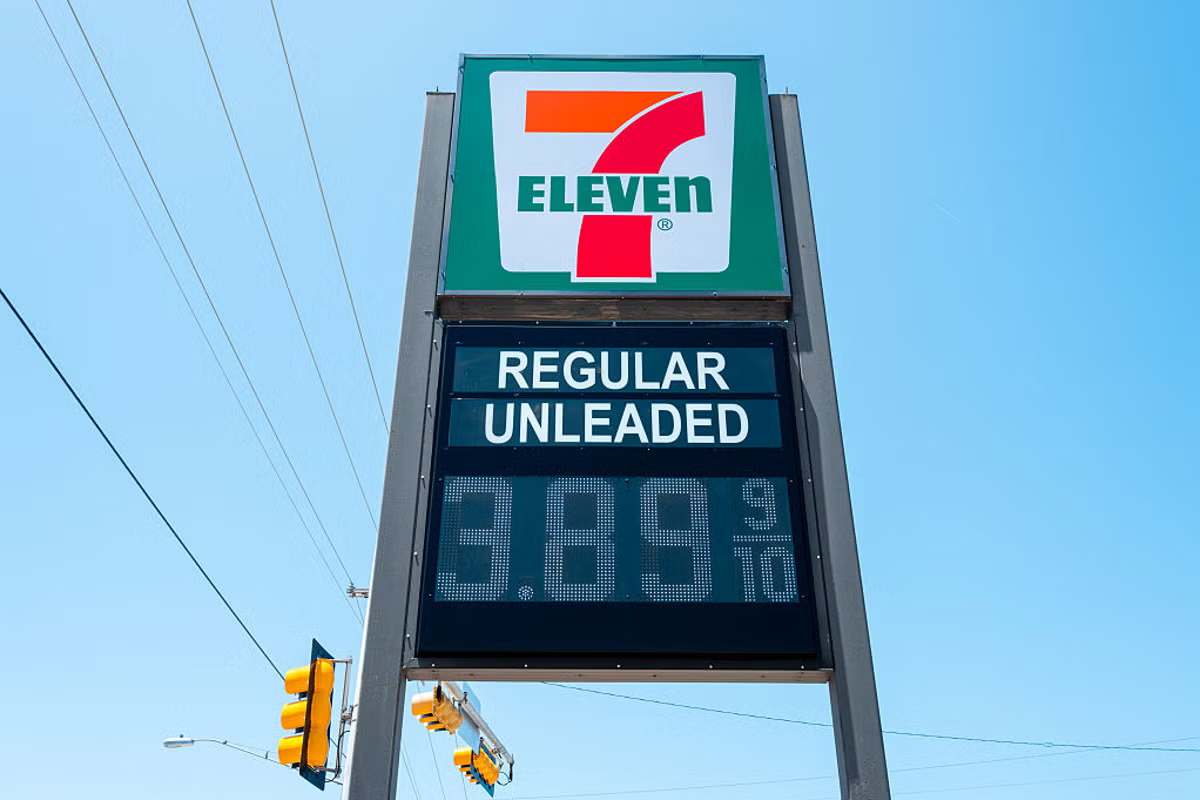
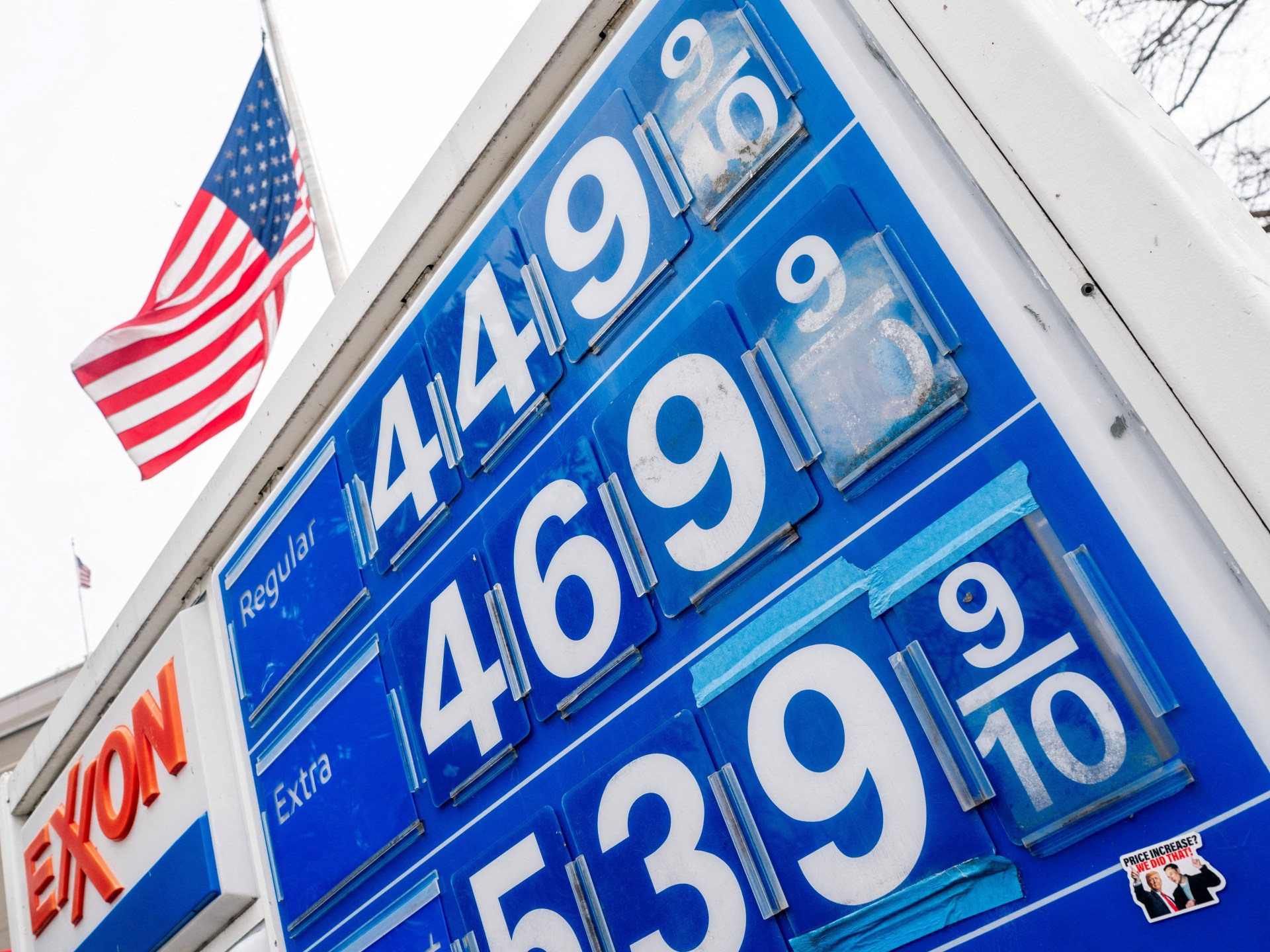
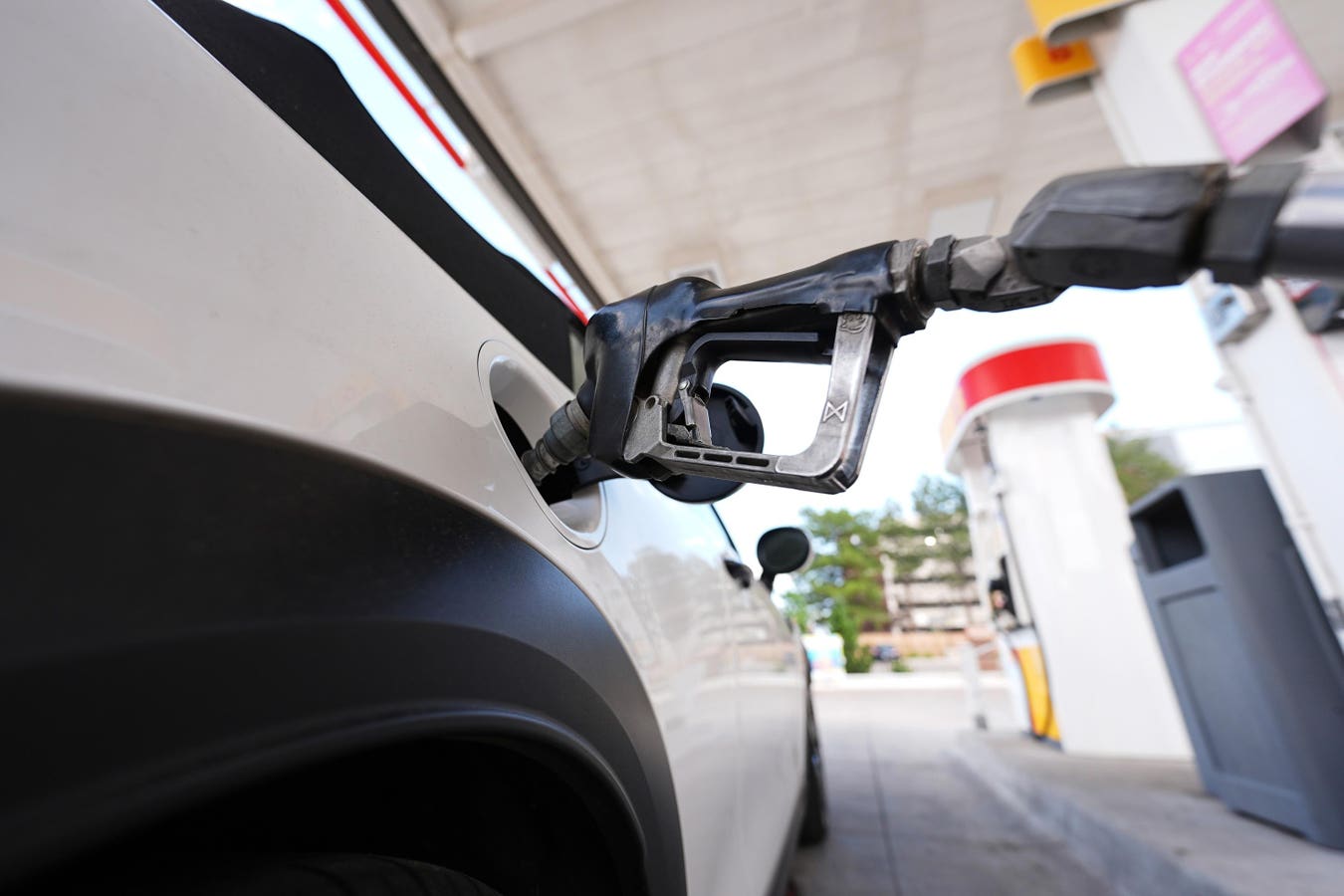
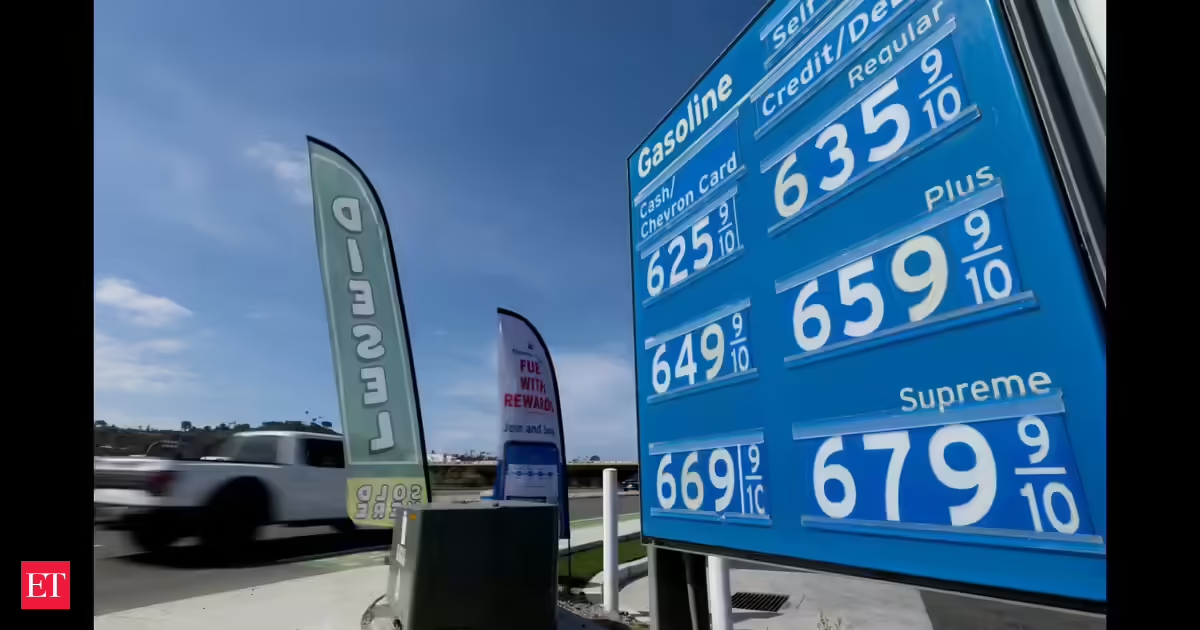
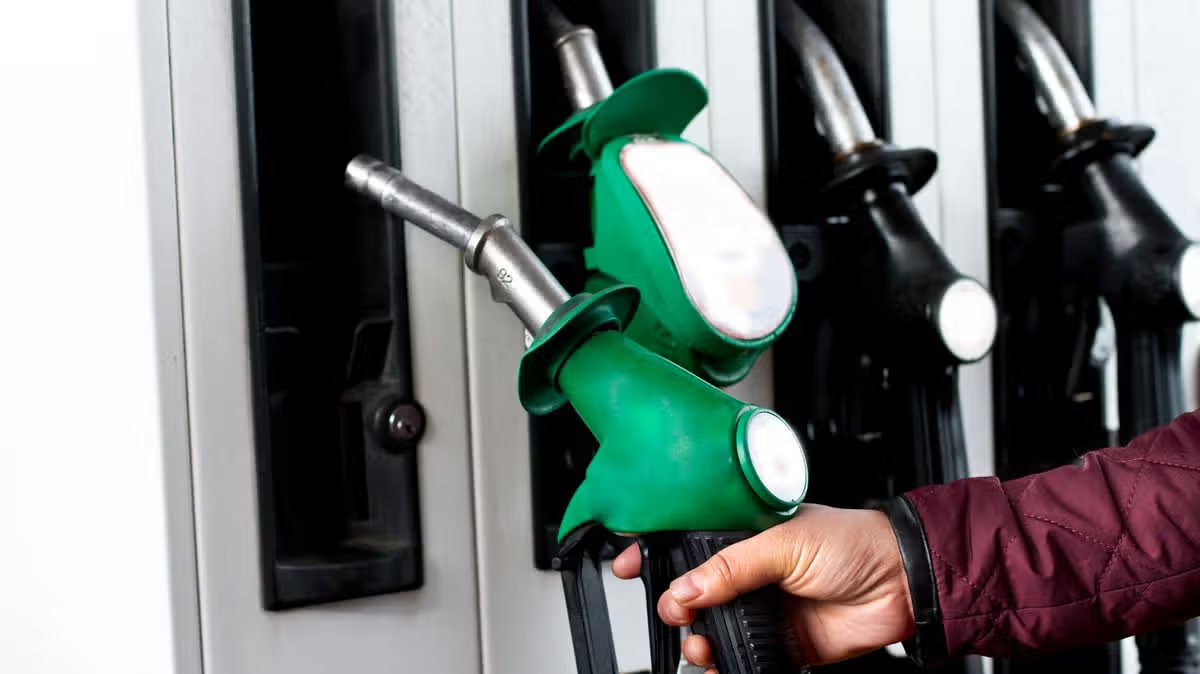
Drivers are paying more for gasoline at the pump Volatility along the Strait of Hormuz and broader regional instability pushed up the price of crude oil, the main ingredient in gasoline, and could continue to make driving costlier during the second half of summer, according to motor club AAA.The average U.S. price for regular gasoline reached $4.09 a gallon Thursday, up 15 cents from a week ago, with drivers in most states now paying $4 or more, according to AAA.