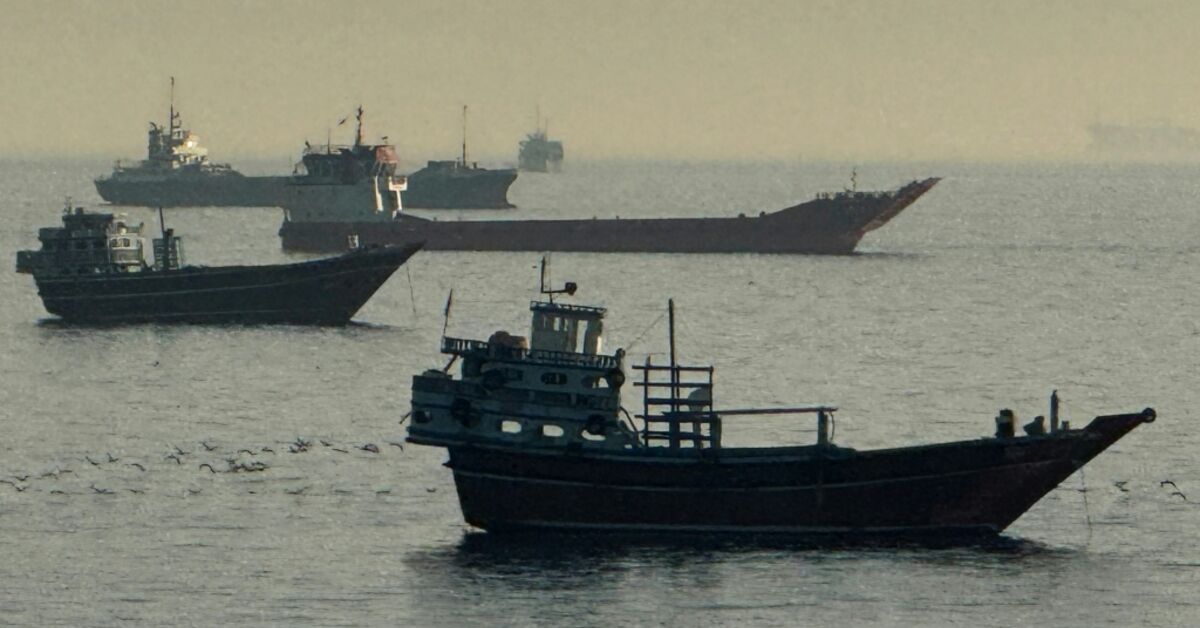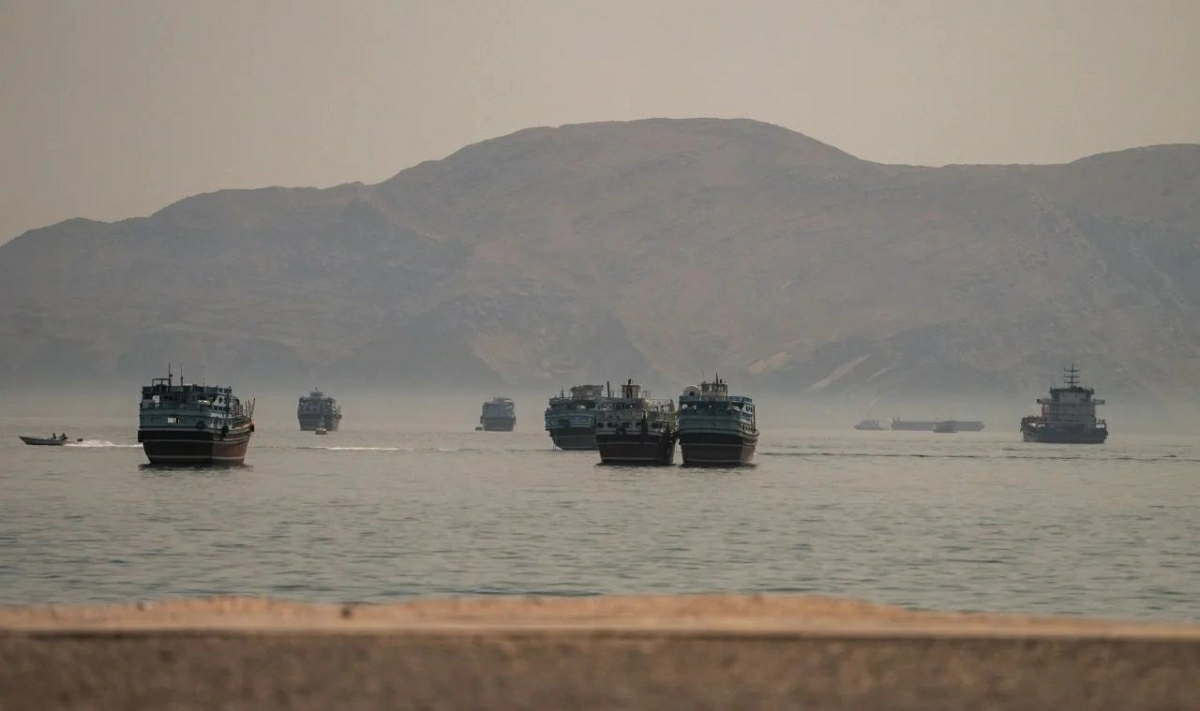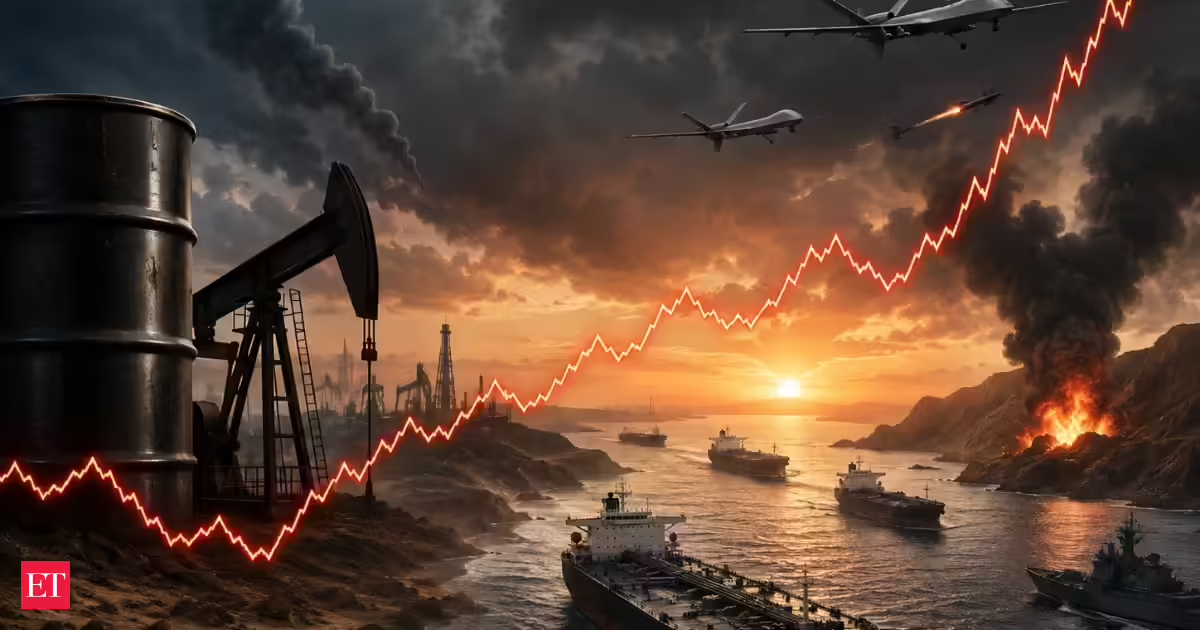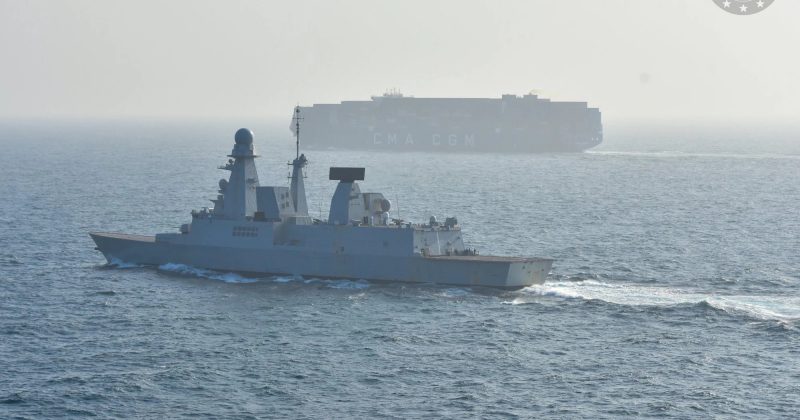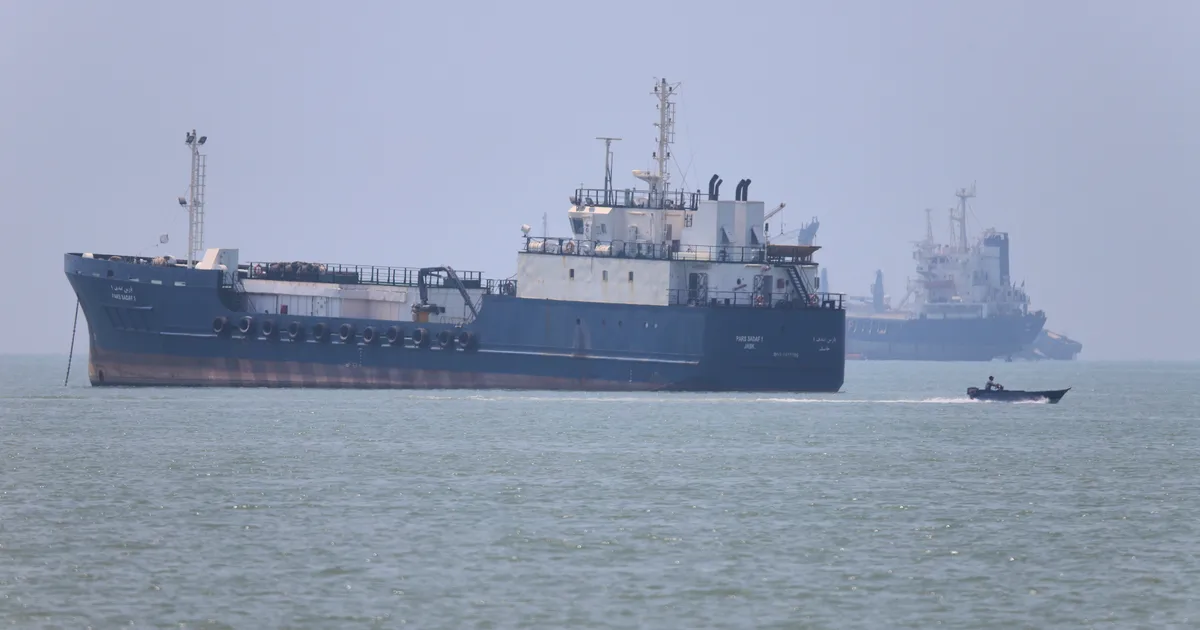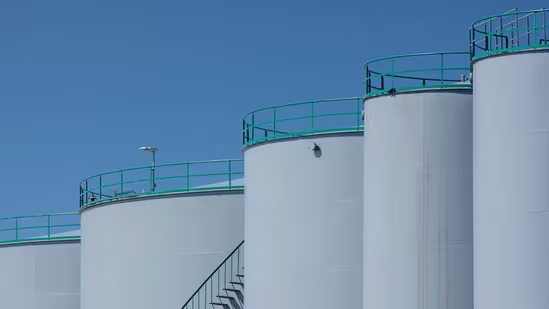
Global oil prices crossed $100 per barrel for the first time since May on Thursday. The rise came as the widening conflict in the Middle East increased fears of disruptions to global oil supplies. Brent crude, the global oil benchmark, jumped more than 6% and briefly touched $100.14 per barrel before easing slightly. West Texas Intermediate (WTI), the main US oil benchmark, also climbed nearly 5% to $90.98 per barrel.Oil prices crossed $100 as Middle East tensions, Houthi attacks, and Red Sea shipping risks raised fears of global supply disruption (Pexel/Representative image) (Pexel)US crude oil continued its rally for a second straight day, rising more than 5% to nearly $92 per barrel. This was its highest level since June 11, according to NBC News. The latest jump in oil prices was triggered by fresh tensions involving Iran-backed Houthi rebels. The group claimed it attacked two Saudi oil tankers in the Red Sea.Why oil prices are risingThe Houthis had earlier announced a naval blockade on Saudi Arabia before claiming responsibility for the tanker attacks. The attacks have raised fears that the conflict is spreading beyond its earlier areas. NBC News said this appeared to be the first time since the Iran war began that ship attacks had moved beyond the area around the Strait of Hormuz.The Red Sea has become an important route for Saudi Arabia’s oil exports. Saudi Arabia has been shipping around 4 million to 5 million barrels of oil through the Red Sea and the Bab al-Mandeb Strait to avoid the Strait of Hormuz. Analysts say this Red Sea route has become a key backup for global oil supplies. The latest attacks have now put that important route at risk, according to CNN.Why the Red sea mattersThe Houthis claimed they struck two Saudi oil tankers on Thursday. Their claim has increased concerns that oil exports could face further disruptions. The Bab el-Mandeb Strait is one of the world's most important shipping routes for oil. Millions of barrels of oil pass through it every day before reaching global markets. Around 12% to 15% of global maritime trade worth more than $1 trillion passes through the Bab el-Mandeb Strait every year.Also read: Crypto mom Hester Peirce warns DeFi vaults may be securities under SEC rulesThe Bab el-Mandeb route had become an alternative to the Strait of Hormuz. Ship traffic through Hormuz has slowed sharply, with crossings falling to single digits on Tuesday, according to NBC News. Brent crude has gained around $27 per barrel this month alone. That is an increase of more than one-third in just a few weeks.How higher oil prices affect peopleBrent crude last closed above $100 per barrel on May 22, based on FactSet data. Oil prices have climbed about 35% since the beginning of this month, as reported by NBC News. Oil prices are now more than 60% higher than they were at the start of the year. Higher oil prices are also pushing up fuel prices for consumers.The average US gasoline price rose to $4.09 per gallon on Thursday, up from $4.06 the previous day. The figures came from AAA data. The latest rise in fuel prices has erased much of the progress made after the United States and Iran signed a memorandum of understanding in mid-June. That US-Iran agreement has now collapsed.President Donald Trump warned on Wednesday that the US would respond strongly to future attacks on ships. Trump said, "blow up an Iranian bridge or power plant for every vessel attacked by Tehran." Only hours after Trump's warning, the Houthis claimed they had attacked two Saudi tankers in the Red Sea.The United Kingdom Maritime Trade Office reported that a tanker was "being struck by an unknown projectile" north of the Bab el-Mandeb Strait. Saudi Arabia's state-run news agency also reported that the oil tanker Encelia caught fire during an overnight attack in the Red Sea, according to NBC News. The Saudi report did not mention the second tanker, Layla. Experts say higher oil prices are increasing worries about inflation. Rising energy costs can make transportation, manufacturing and daily goods more expensive.Oil prices raise inflation fearsJim Reid, Deutsche Bank’s global head of macro research, said, "Inflation has remained top of the agenda for markets this morning", as quoted by NBC News. He added, "Indeed, the strikes between the US and Iran show no sign of easing, and the Houthis said they targeted two oil tankers in the Red Sea yesterday, raising fears that the conflict is widening." Because investors are worried about inflation, US government bond yields have also moved higher.The yield on the US 10-year Treasury bond reached 4.67% early Thursday. NBC News said this was its highest level since January 2025. The 10-year Treasury yield is important because it influences borrowing costs across the economy, including home loans. The average US 30-year mortgage rate rose to 6.77% on Wednesday. NBC News said this was the highest level since July 2025.
Oil prices cross $100 as middle east conflict sparks global supply fears
Oil prices crossed $100 as Middle East tensions, Houthi attacks, and Red Sea shipping risks raised fears of global supply disruption and inflation.
819 words~4 min read