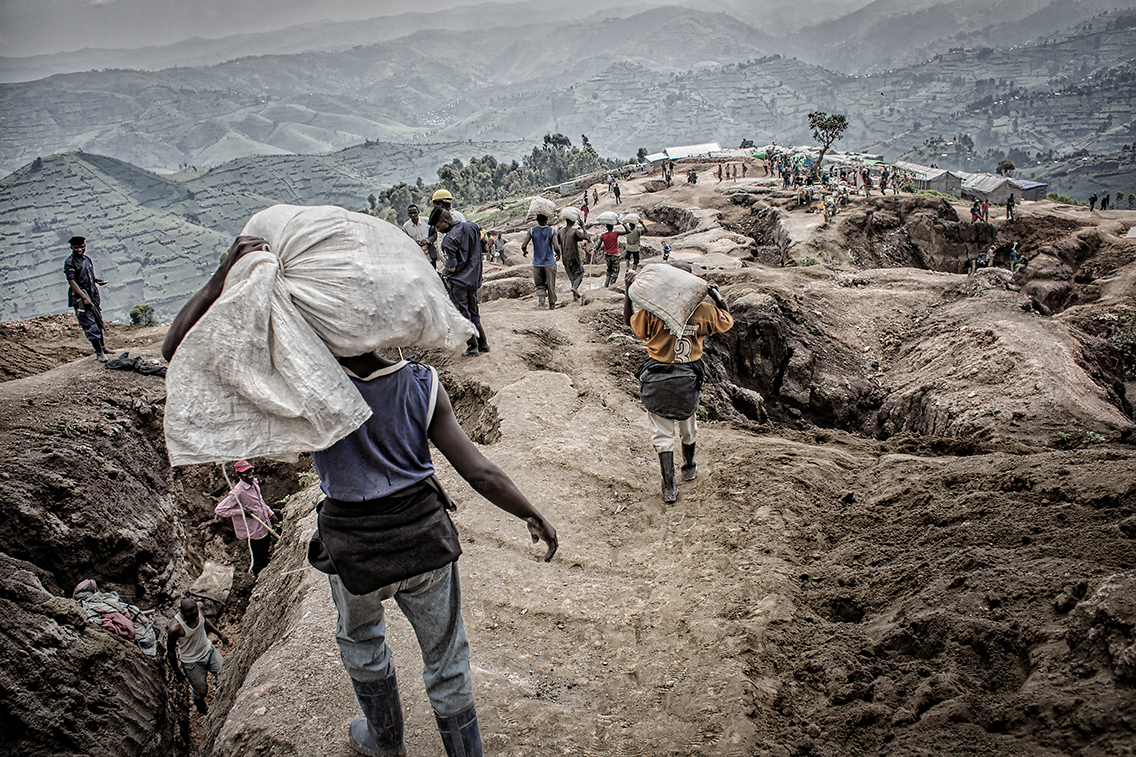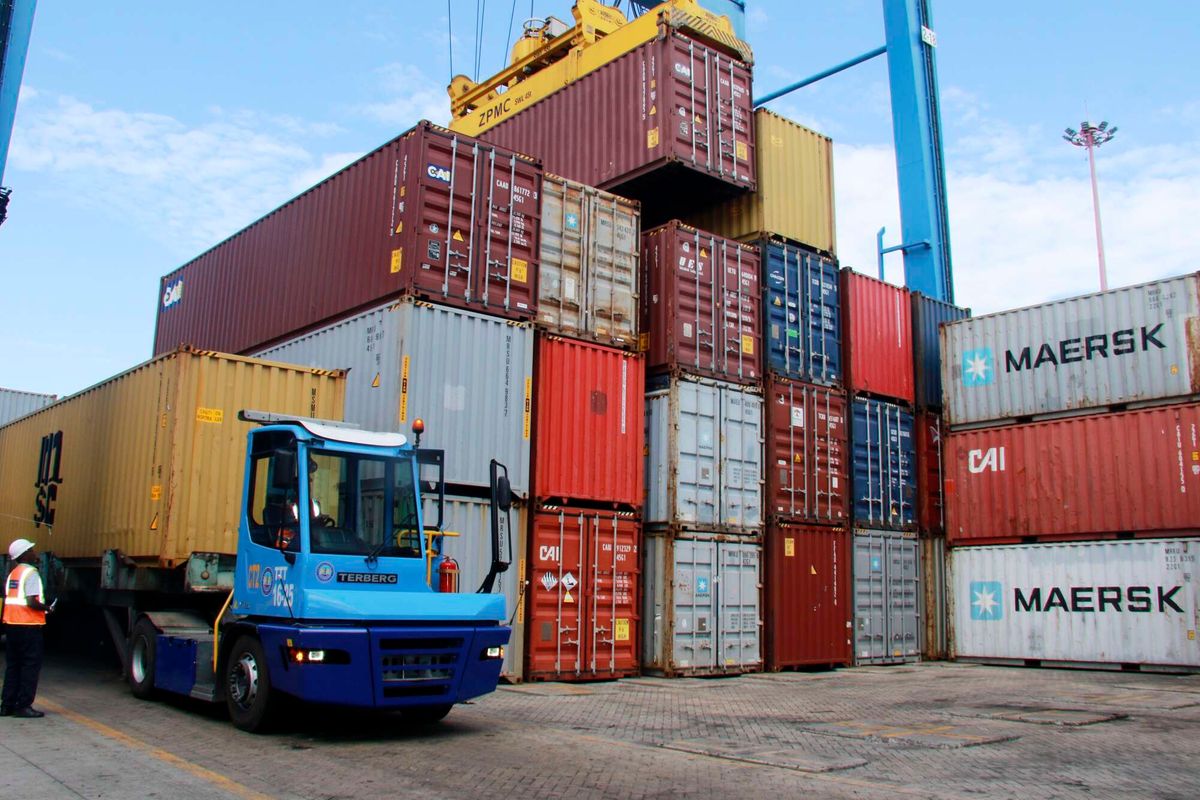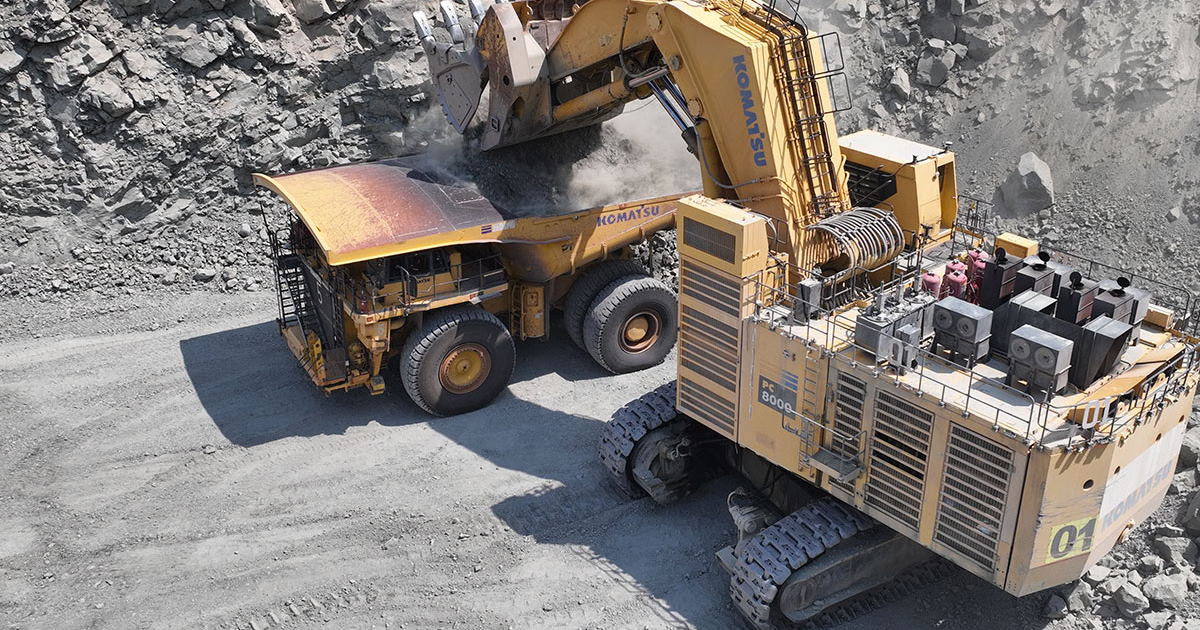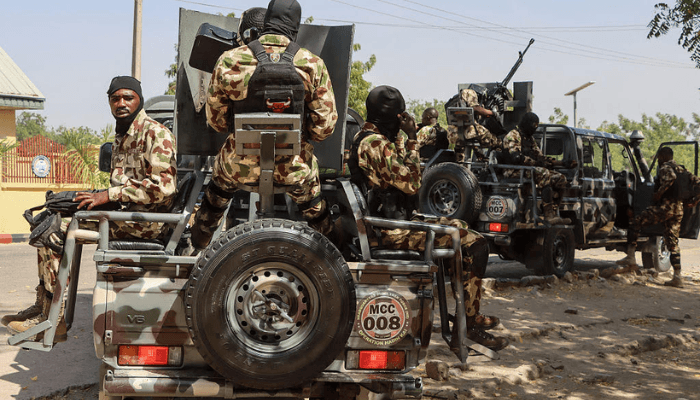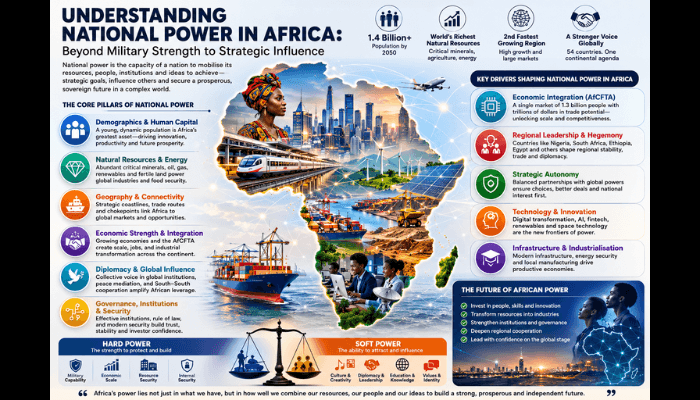
Africa’s strategic importance is rising at a pace unmatched since the end of the Cold War. Once viewed primarily through the lenses of conflict, humanitarian crises and commodity exports, the continent is increasingly recognised as a decisive arena in global competition for critical minerals, maritime trade, industrial investment and geopolitical influence. This transformation demands a broader understanding of national power.
For much of the twentieth century, national power was measured largely by military capability and economic output. While these remain fundamental, they are no longer sufficient indicators of a state’s strategic position. Today’s power is increasingly defined by the ability to combine economic resilience, technological innovation, human capital, diplomatic influence and institutional strength into a coherent national strategy. For Africa, comprehensive national power—not military strength alone—will determine which states shape the continent’s future and command influence internationally.
From military power to comprehensive national power
Traditional concepts of power focused on the size of armed forces, defence spending and industrial production. The twenty-first century has fundamentally altered that equation. Cybersecurity, artificial intelligence, critical mineral supply chains, energy security and digital infrastructure have become as strategically significant as conventional military assets.