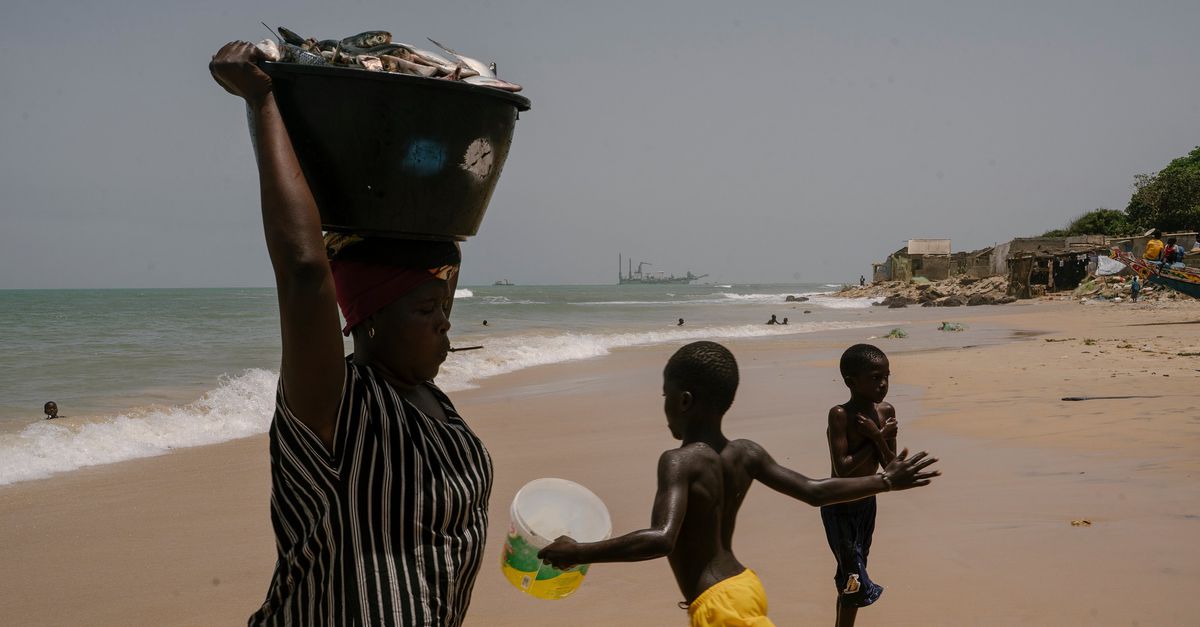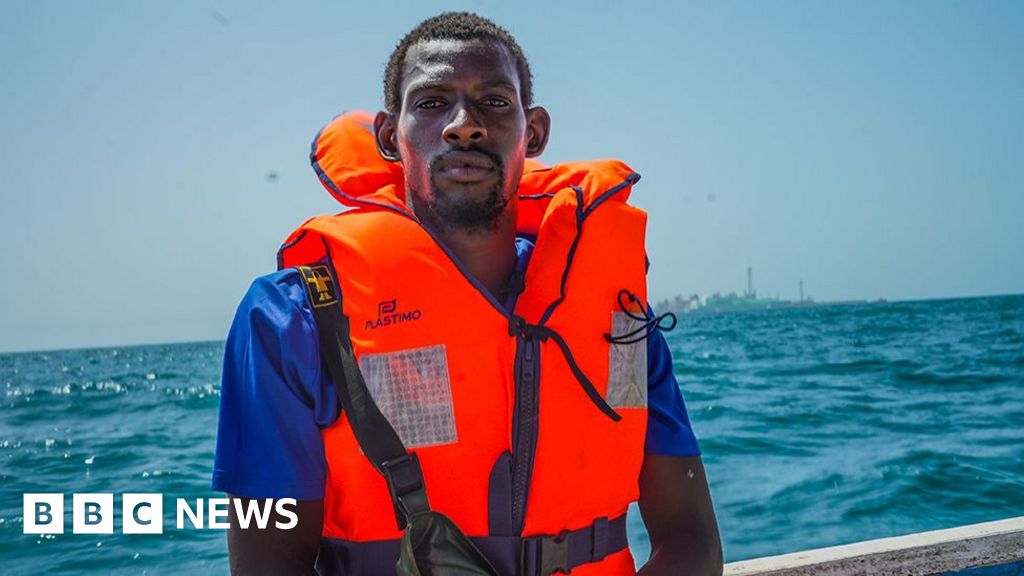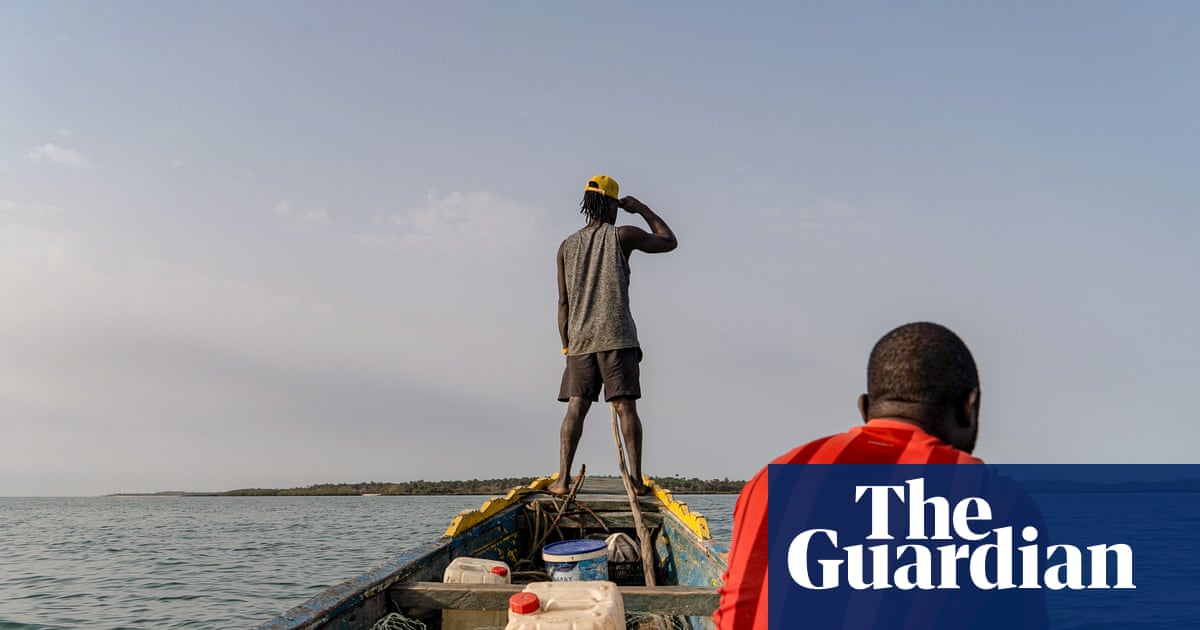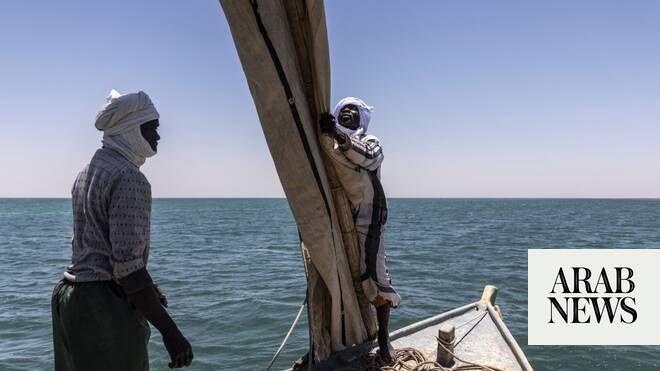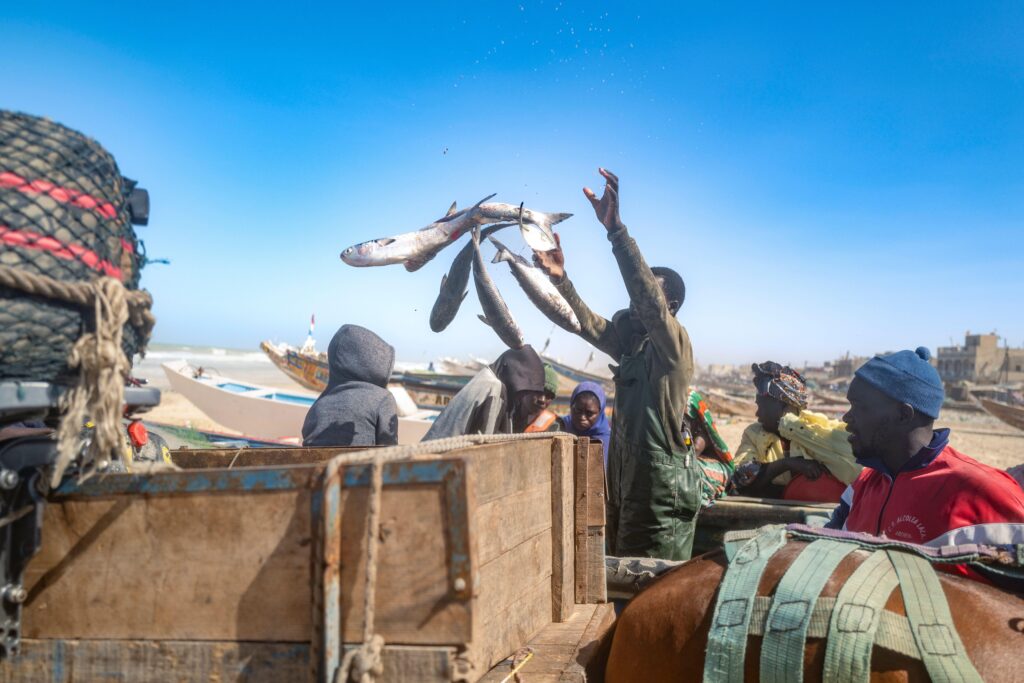
Amadou Diague sits in a plastic chair, looking out over the Atlantic Ocean. In the distance a traditional wooden pirogue cuts through the waves to deliver freshly caught fish to the city of Saint Louis in northern Senegal.
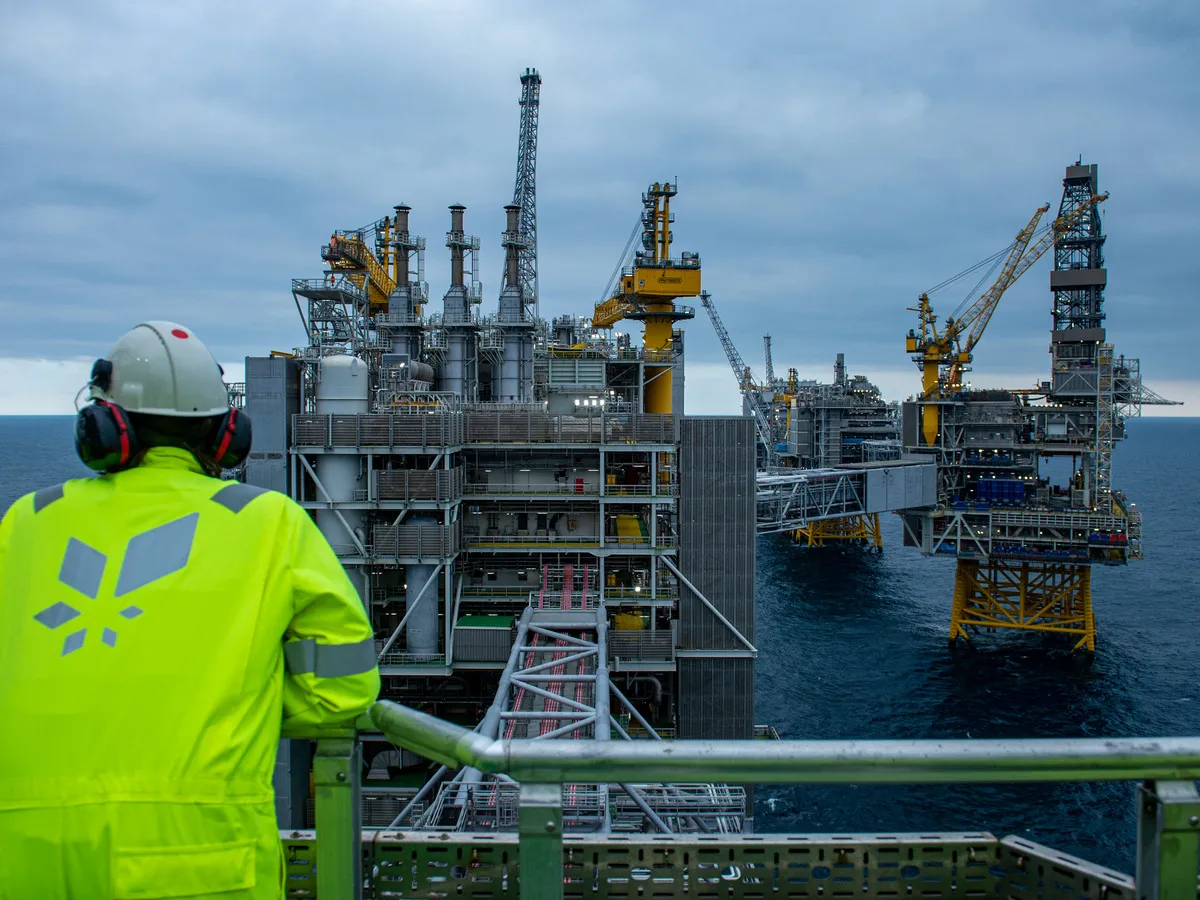
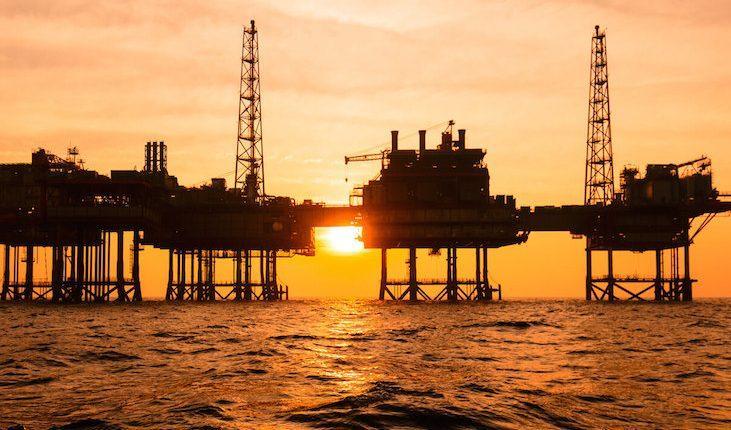
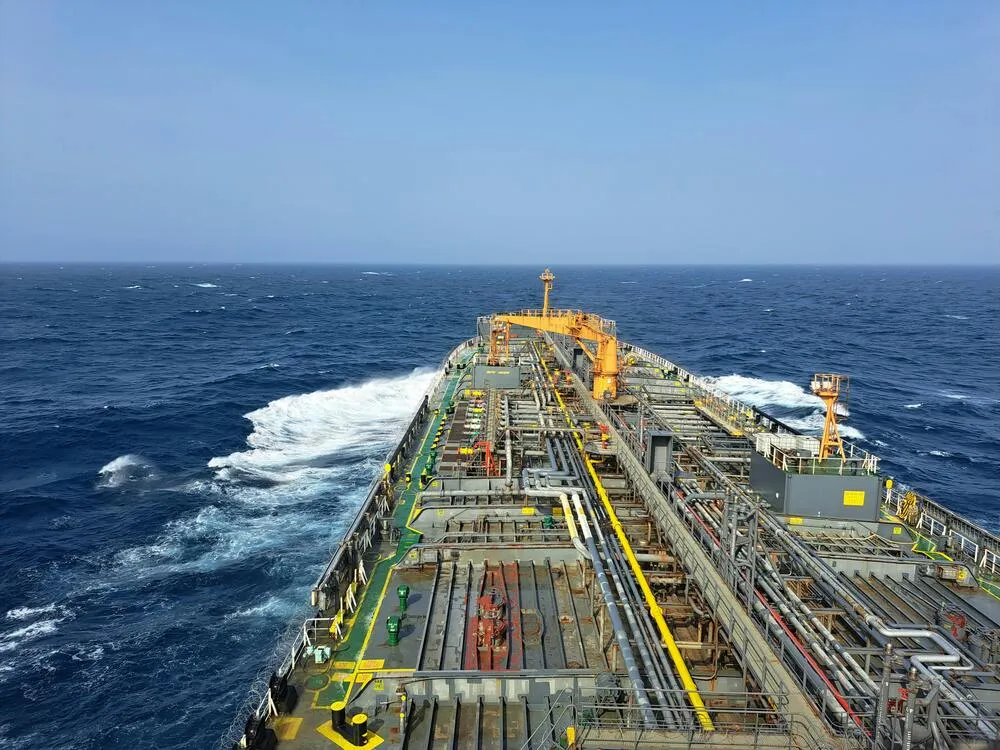
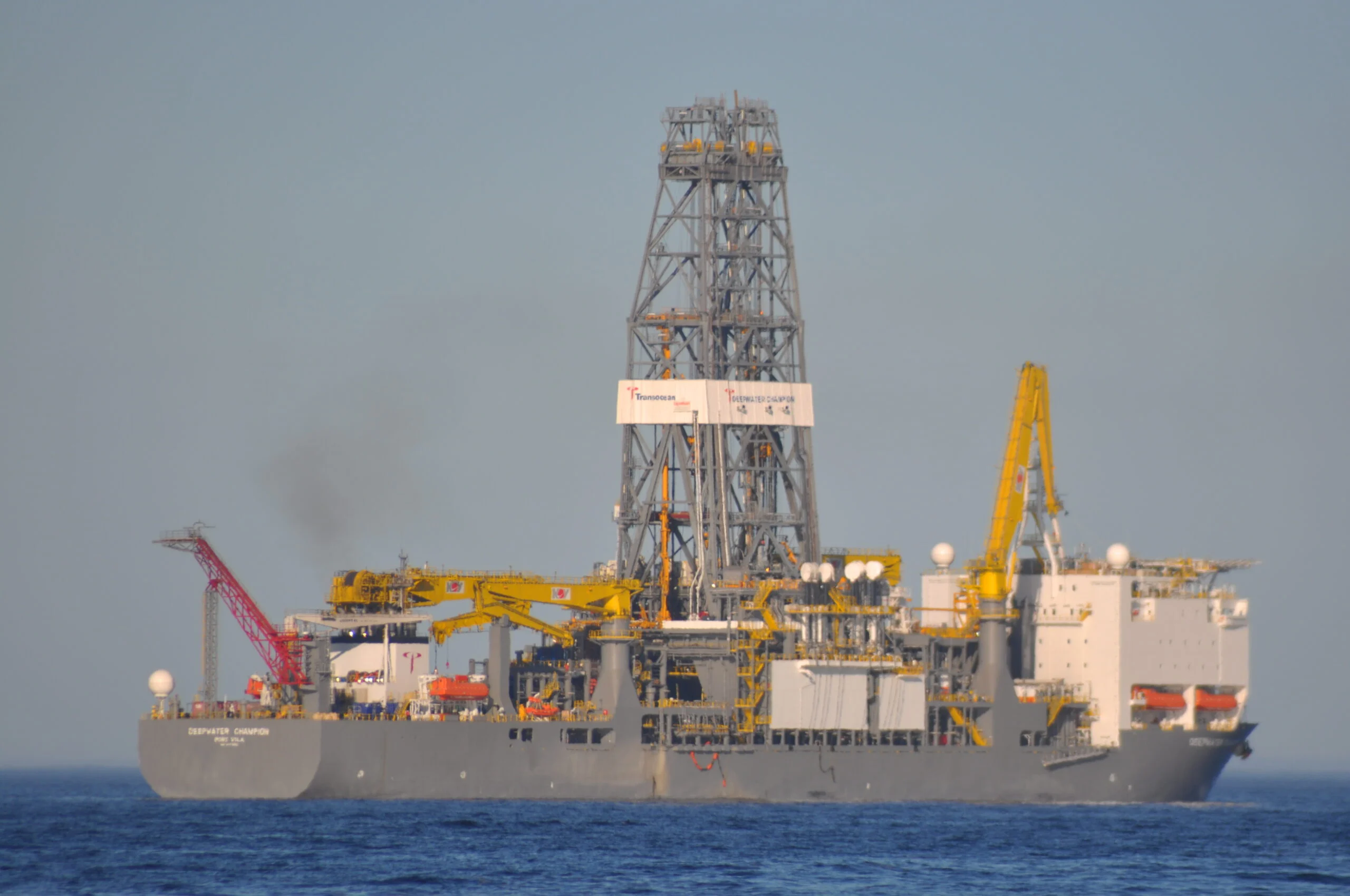
Further out at sea a bright flame lights up the evening sky. Production at the Grand Tortue Ahmeyim (GTA) gas field started on the last day of 2024 and in April 2025 GTA’s operating company BP loaded its first cargo of liquefied natural gas (LNG) into a British carrier.
The government in Senegal’s capital Dakar sees the sale of gas to Europe as a bridge to development. It hopes the fossil fuel will generate revenue, transform the country into a middle-income nation, and improve the standard of living for its population.
But as demand for gas continues to decline in the EU over the long term it may be the people of Senegal who pay the price for a risky investment. Local fishermen, whose livelihoods are threatened by the gas platform from Saint Louis, are the first in line — the gas field sits in the middle of their traditional fishing grounds.
“We are told to leave the coast because of climate change and sea level rise,” says Diague. “But at the same time a gas platform is being constructed meant to export LNG. I think these companies want us gone so they can have the whole sea for themselves.”