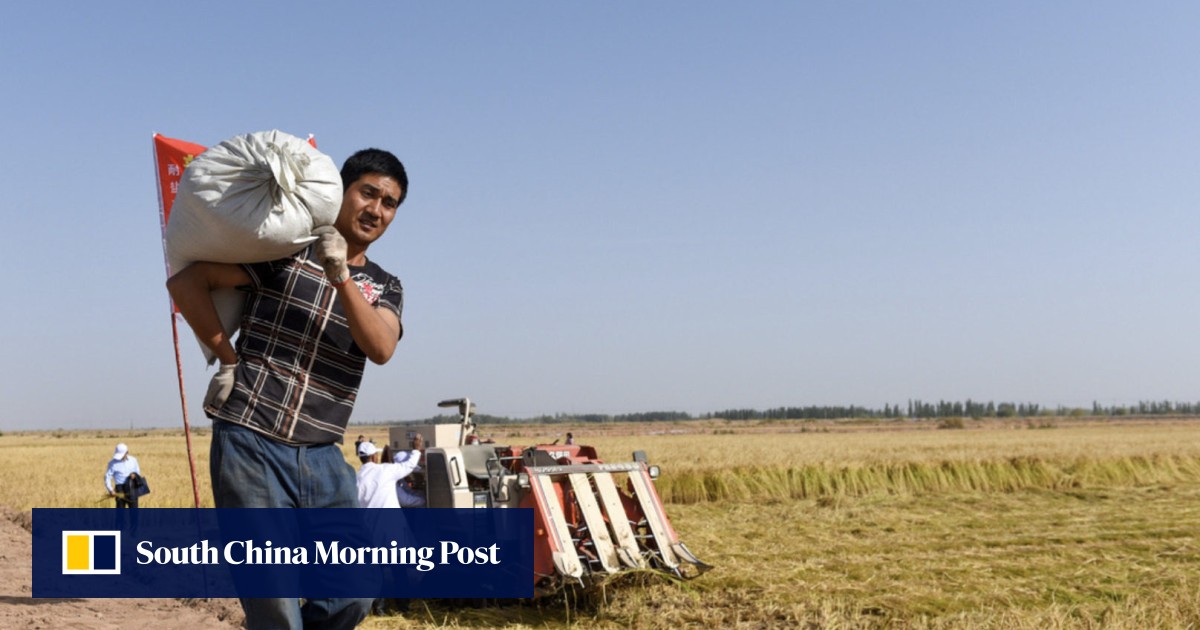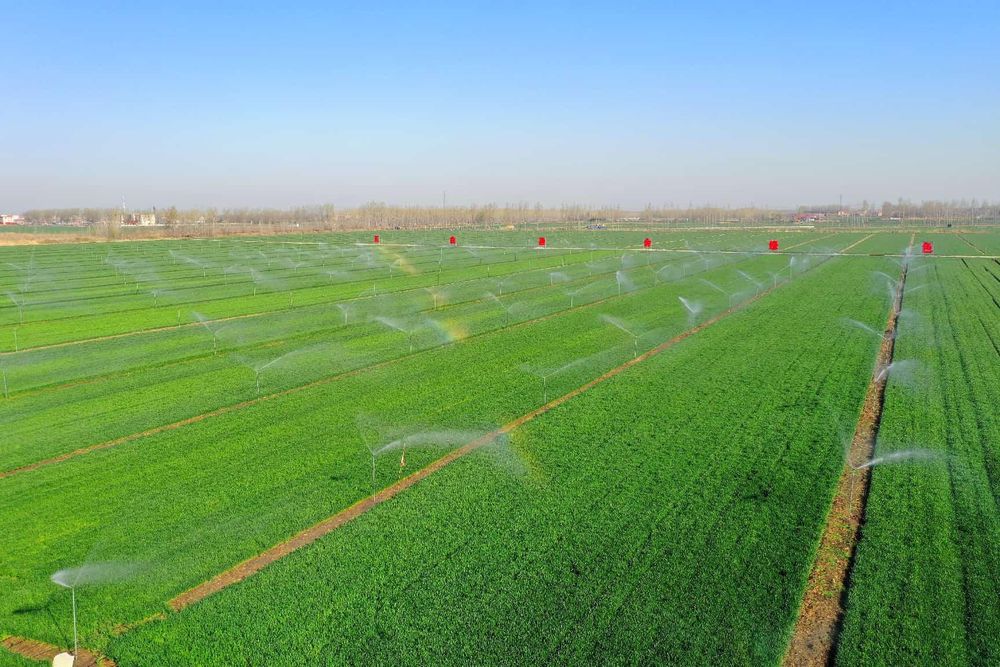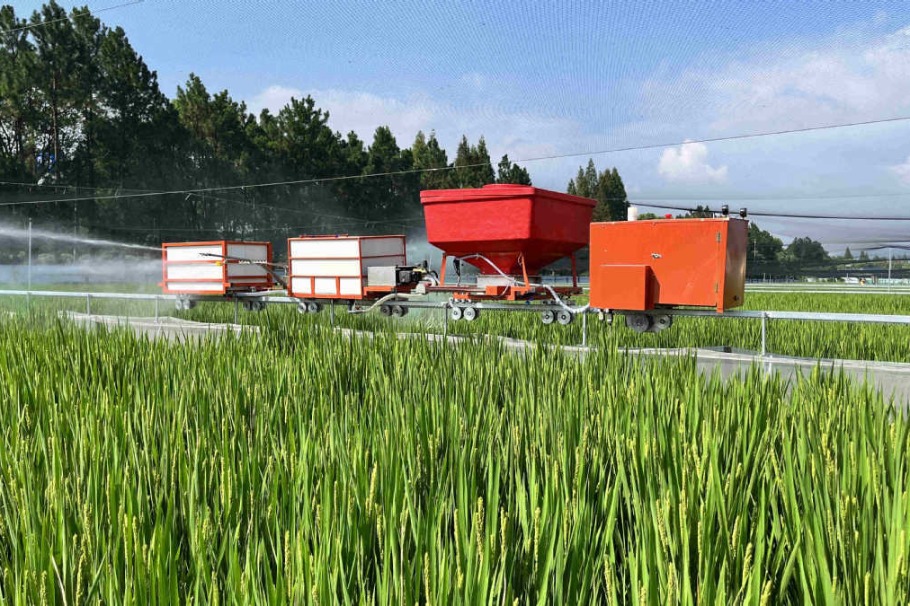
Fields dedicated to the sustainable, combined cultivation model for rice and black-spotted frogs in Changxing county, Huzhou, Zhejiang province, are watered by a mechanized sprinkler irrigation system. CHINA DAILY
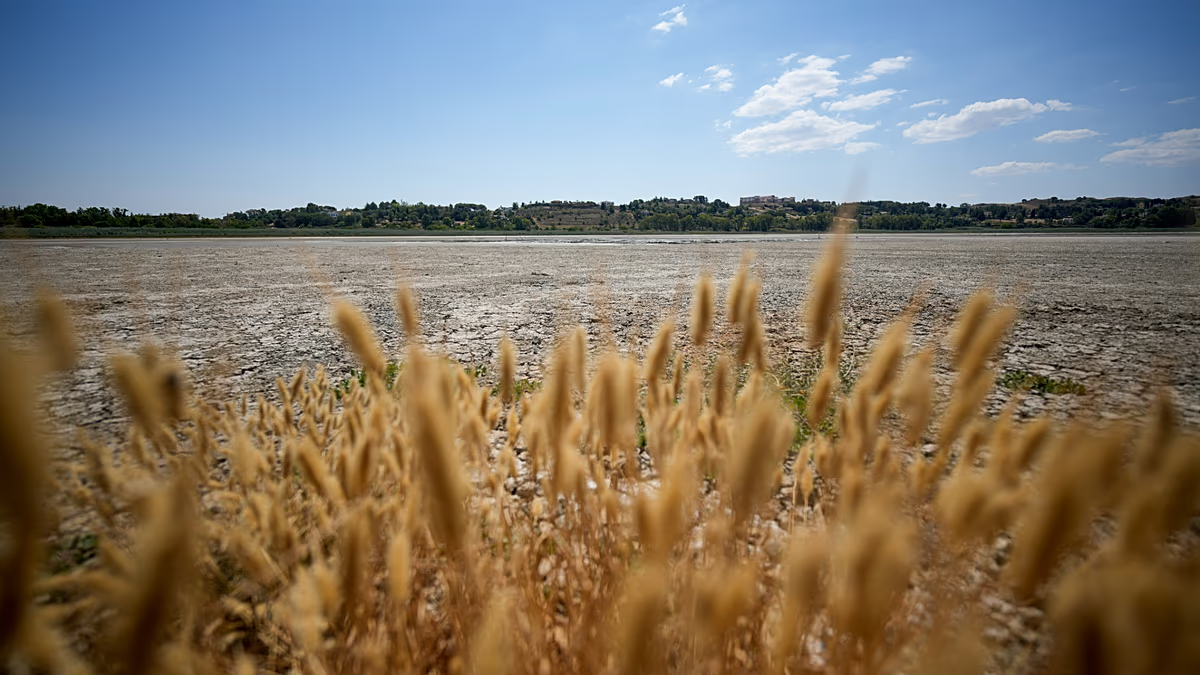
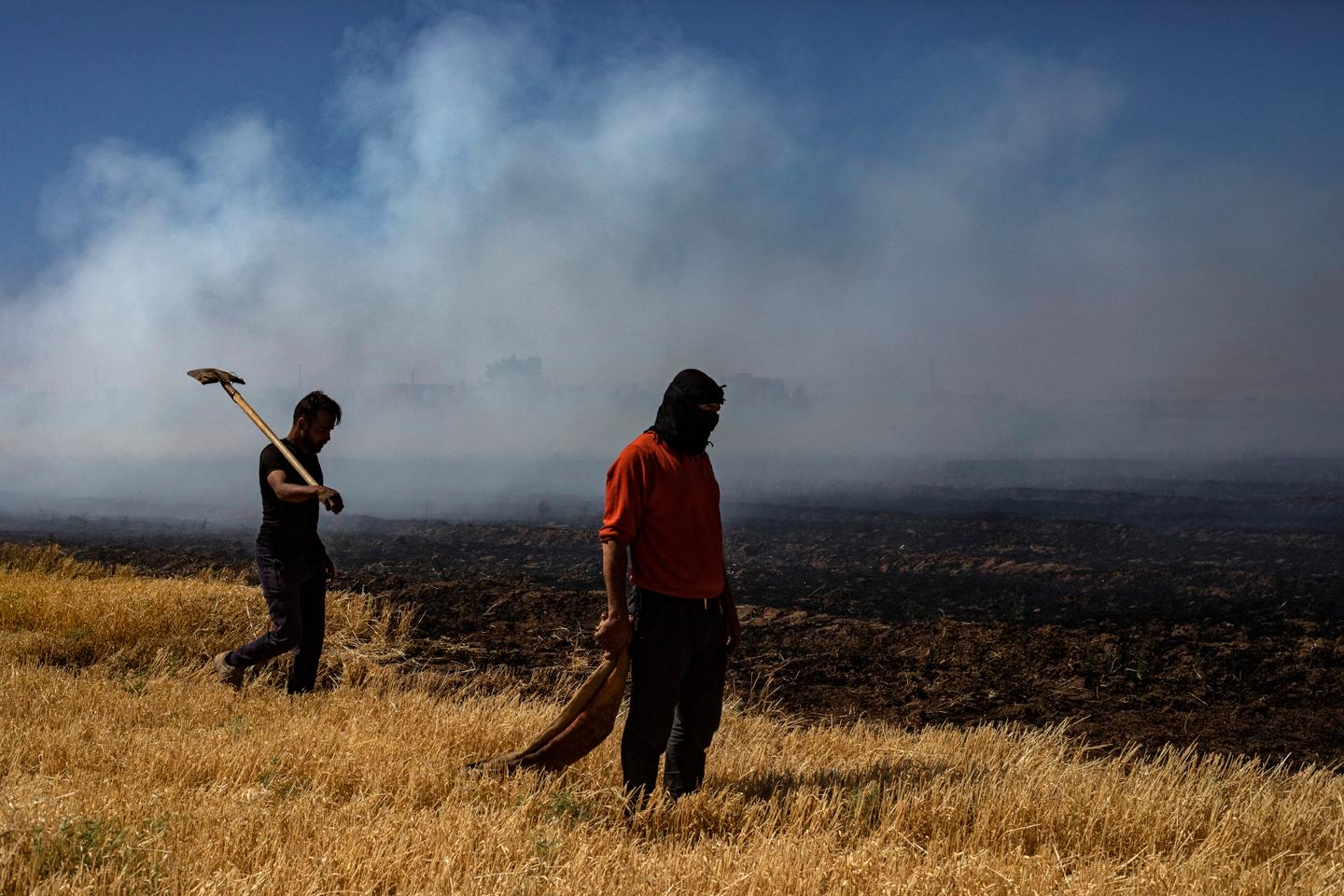
So far, this has been a summer of extremes. Record-breaking heat waves across the Northern Hemisphere have scorched fields and strained the food systems in Western Europe, which recorded its hottest June on record. In parts of Asia, temperatures have also soared well above seasonal averages. At the same time, Typhoon Bavi has just swept across eastern China, displacing millions and leaving a trail of damage to farmland and rural infrastructure in its wake. These events are not isolated incidents. They are the latest expressions of a climate system under severe and intensifying stress.
Extreme heat already threatens the livelihoods of over 1 billion people, causing an annual loss of 470 billion labor hours across the global agricultural sector. For most major crops, yield declines begin above 30 C; livestock experience stress at even lower thresholds. In 2024, 91 percent of the global ocean experienced at least one marine heat wave. Critically, extreme heat does not act alone. It amplifies water stress, triggers flash droughts and creates conditions for pest and disease outbreaks. According to the Food and Agriculture Organization of the United Nations and the World Meteorological Organization, agricultural losses can triple when heat coincides with other hazards such as drought.