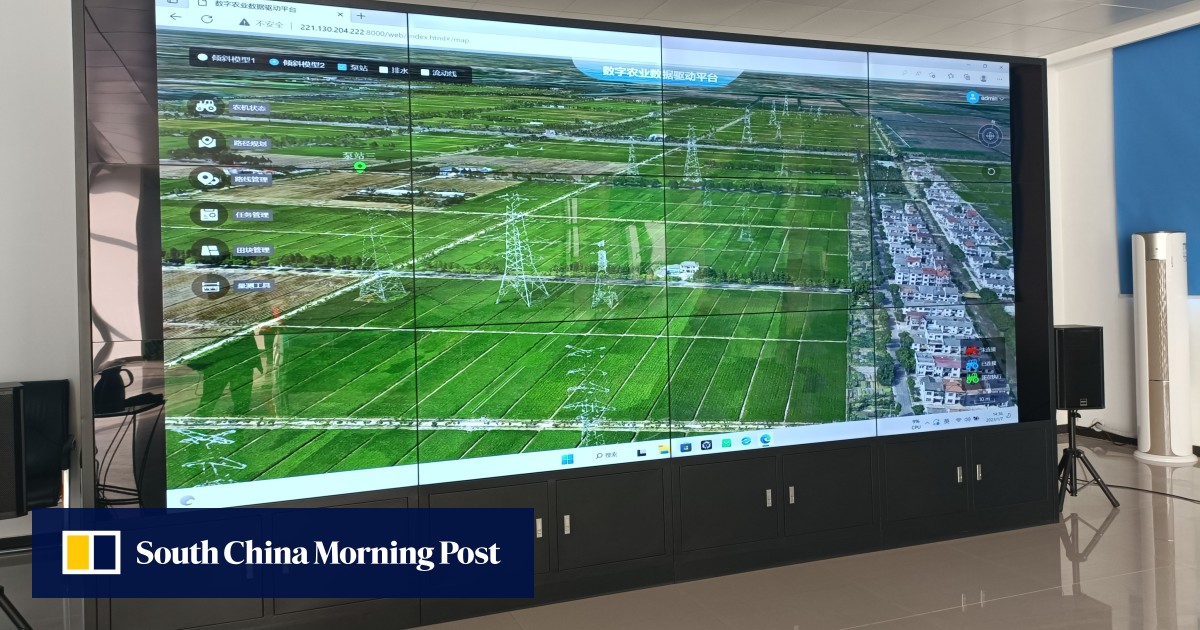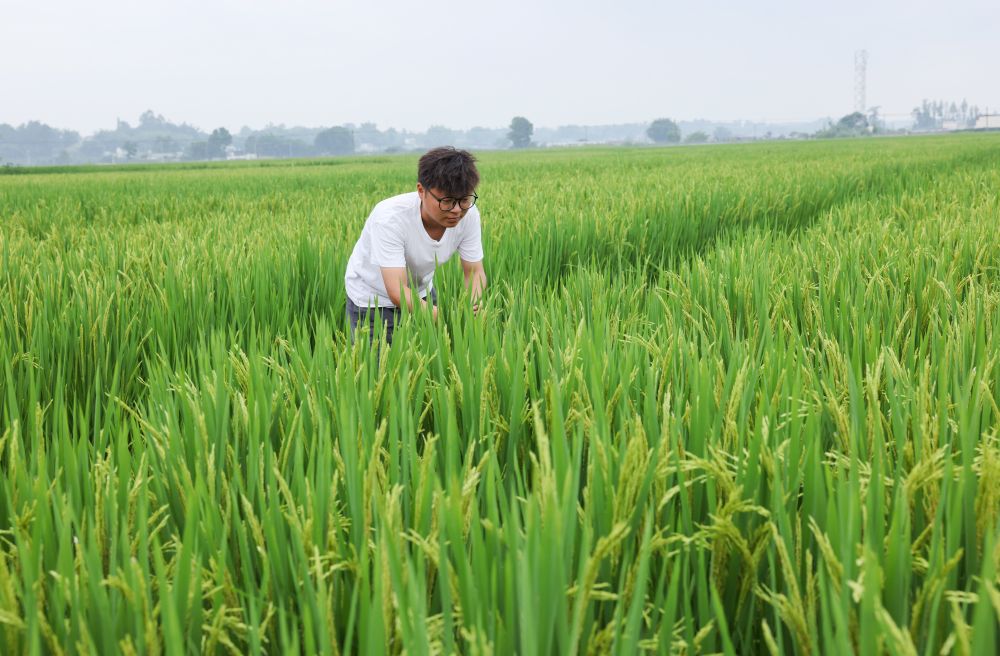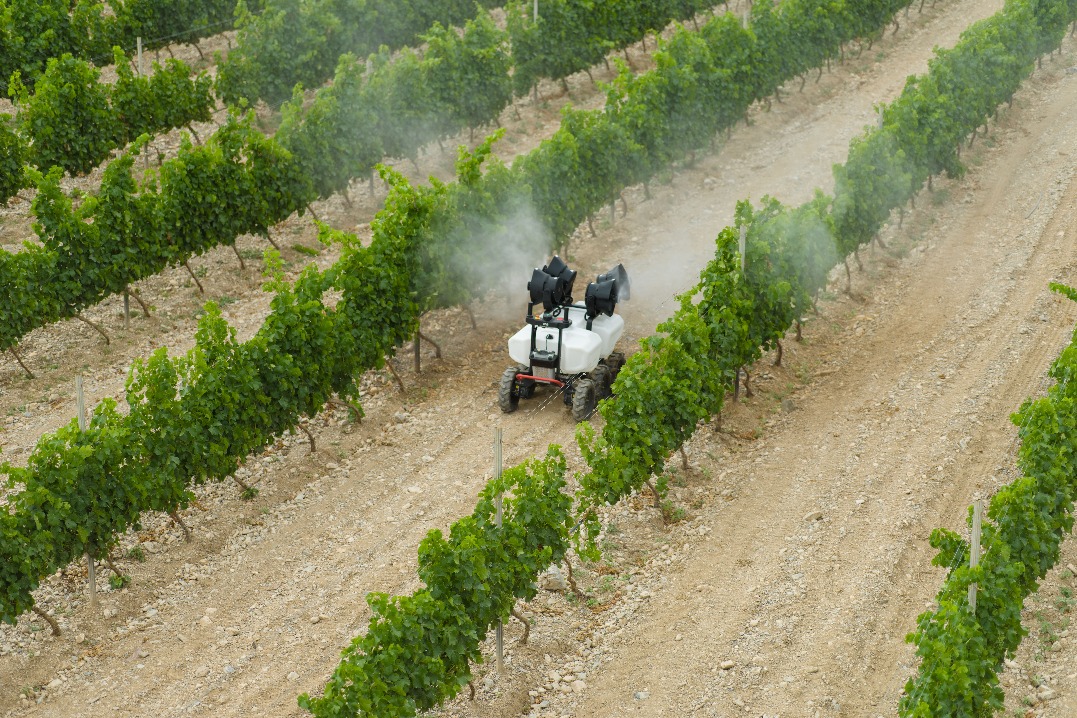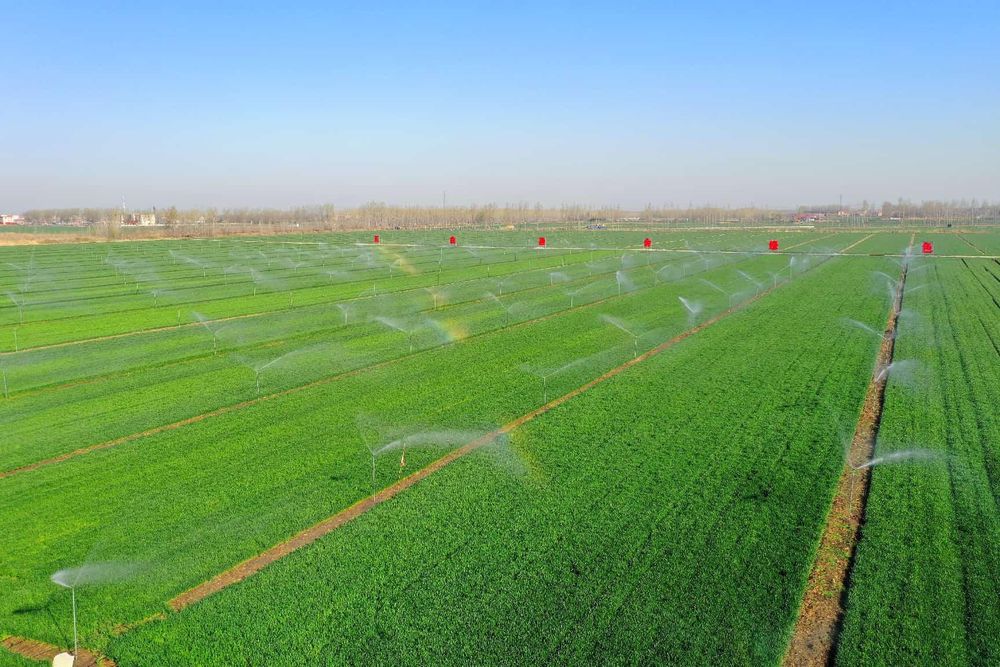
Upright sprinkler irrigation systems water the wheat crops in farmland run by a cooperative in Qingdao, east China's Shandong province.
As summer planting begins in Ningjin county in Dezhou, east China's Shandong province, fields hum with activity – but beneath this timeless agrarian rhythm lies a technological revolution transforming irrigation, crop management, and cultivation practices.
For Ye Jitao, director of a farming cooperative in Hupizhangxi village, the shift has been radical. "Irrigation was once a logistical nightmare," he recalled beside a new pipeline. "Several households had to share a single well, and we often waited three or four days just for one round of irrigation. Watering land could cost a lot in electricity alone."
"Now the government has built a pipeline network that delivers water from the Yellow River directly to our fields. We simply turn on the irrigation system and the water starts flowing. There's no waiting and no competition for water anymore."
Located at the tail end of Dezhou's Yellow River irrigation system, Ningjin has long struggled with water shortages and the overexploitation of groundwater, problems that once severely constrained agricultural development.