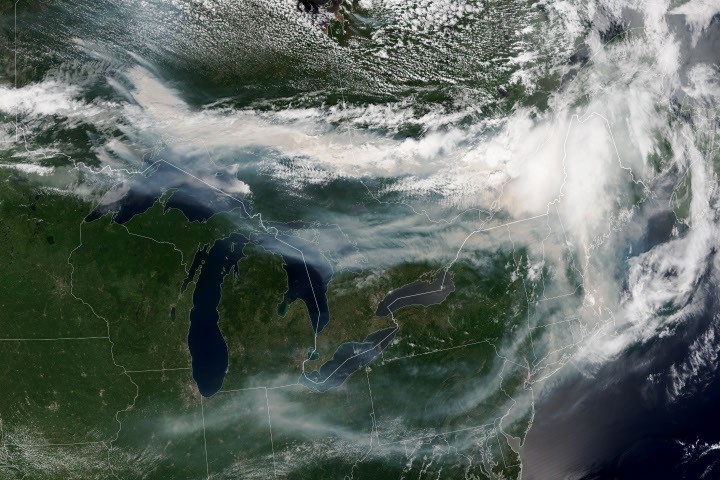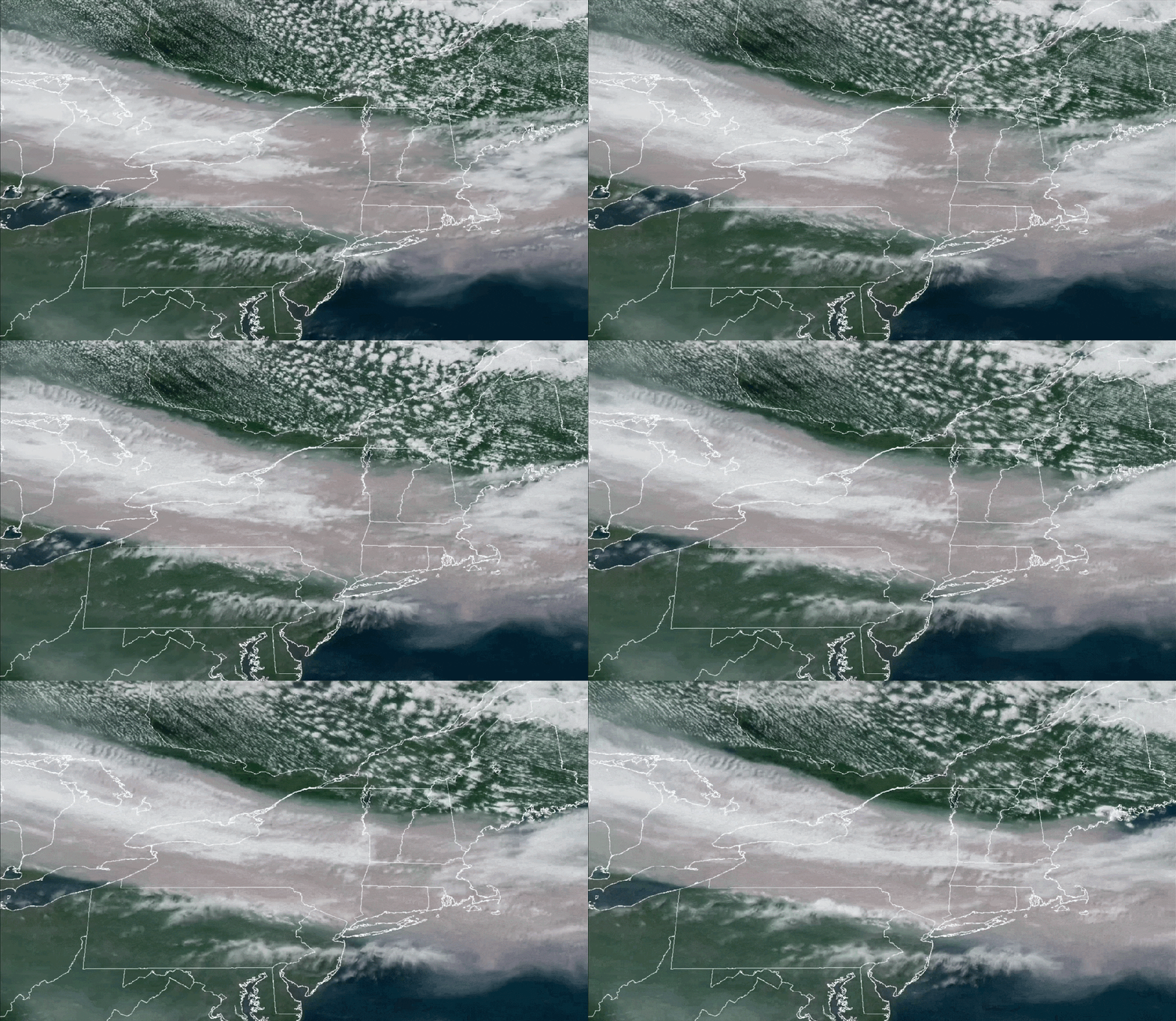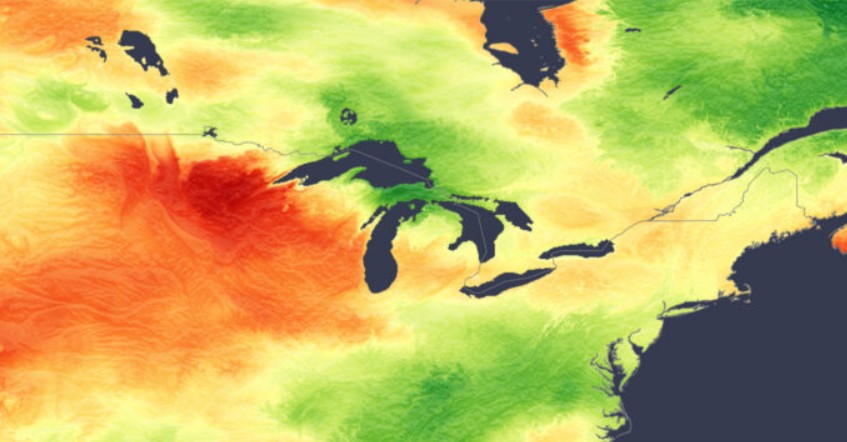
In a new weekly update for pv magazine, Solcast, a DNV company, reports that smoke-driven aerosols reduced solar irradiance across the Great Lakes region and along the US East Coast, with both clear-sky irradiance and observed GHI anomalies showing notable declines during the peak of the event.
Wildfire smoke limited irradiance across southern and western Ontario and the Great Lakes in mid-July, offsetting otherwise favourable high-pressure conditions. During 10-21 July, GHI around the Great lakes and down into the US Northeast were up to 10% below average. A majority of this losswas due to the reduced clear sky irradiance which was down over 6% in areas, according to analysis using the Solcast API.
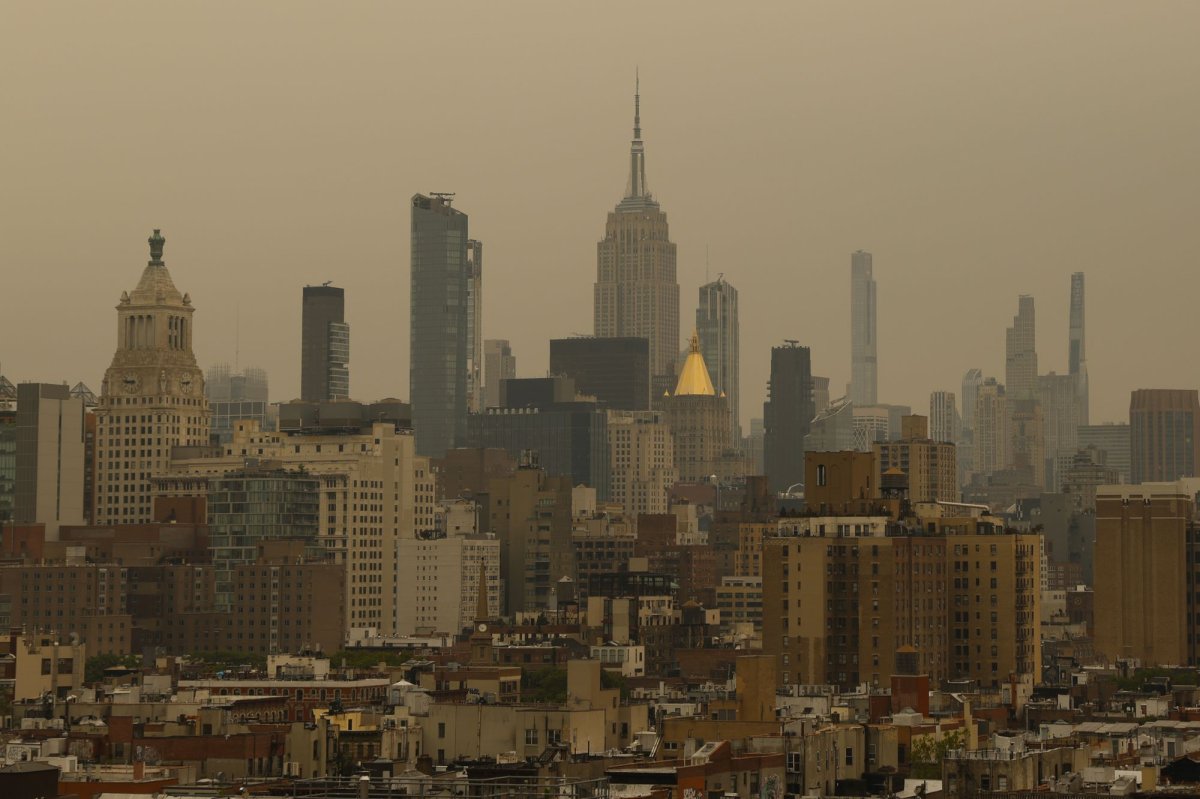
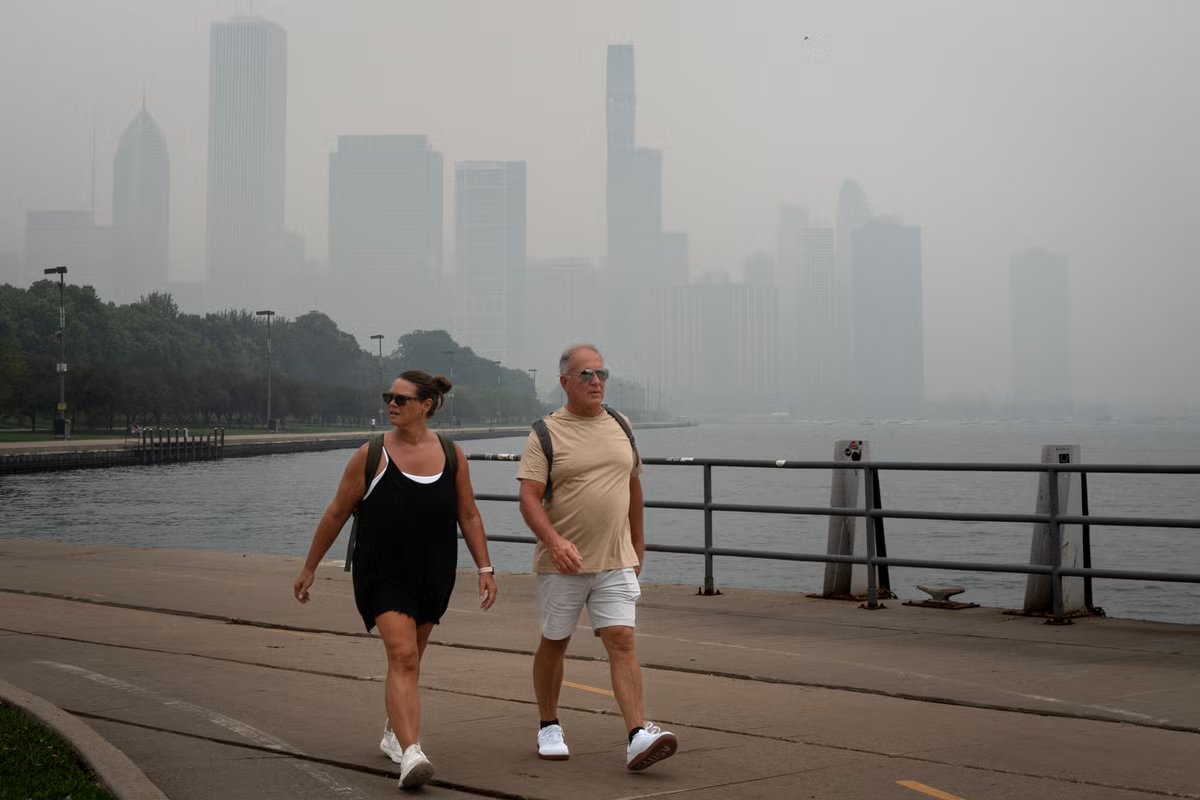
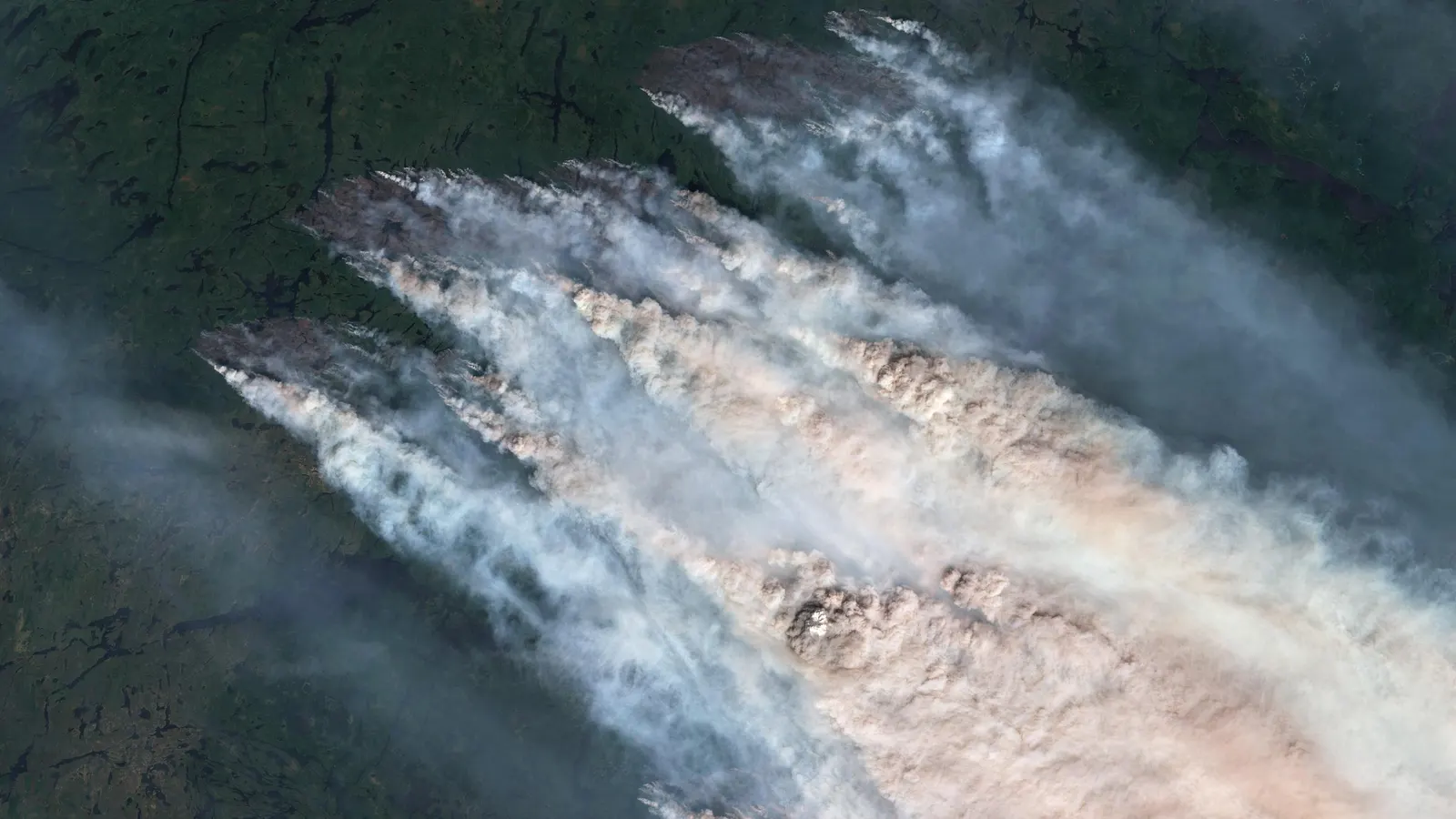
The muted irradiance result followed a rapid increase in wildfire activity across northern and north-western Ontario. More than 100 fires were active by mid-July, later rising above 180, as Ontario’s firedanger reached “extreme”. Smoke travelled south-east across southern Ontario and Quebec before extending into the US Midwest and Northeast. Toronto, Chicago, Detroit and Minneapolis recorded some of the world’s poorest air quality during 14–17 July, while alerts were issued across more than 20 US states.