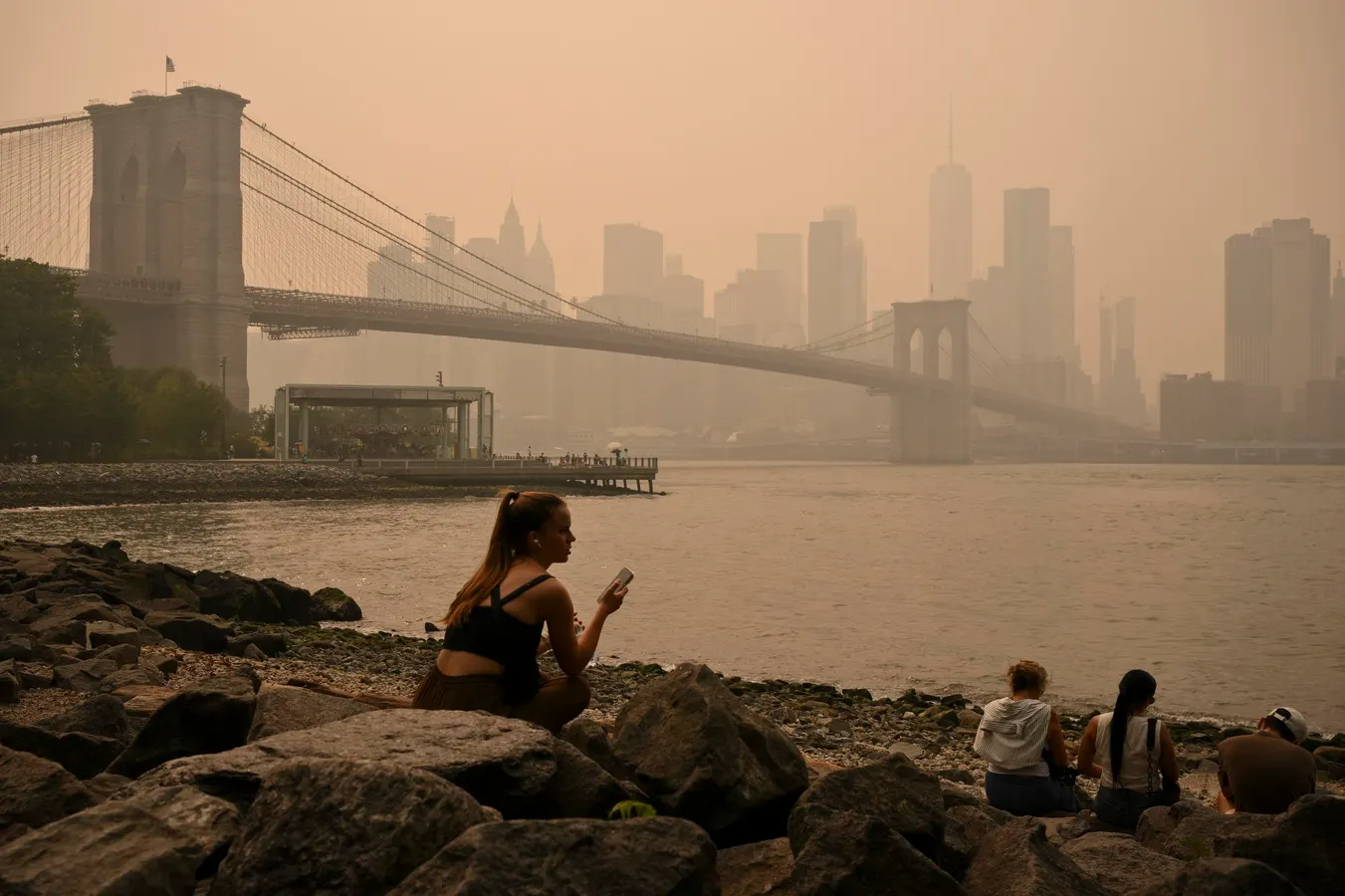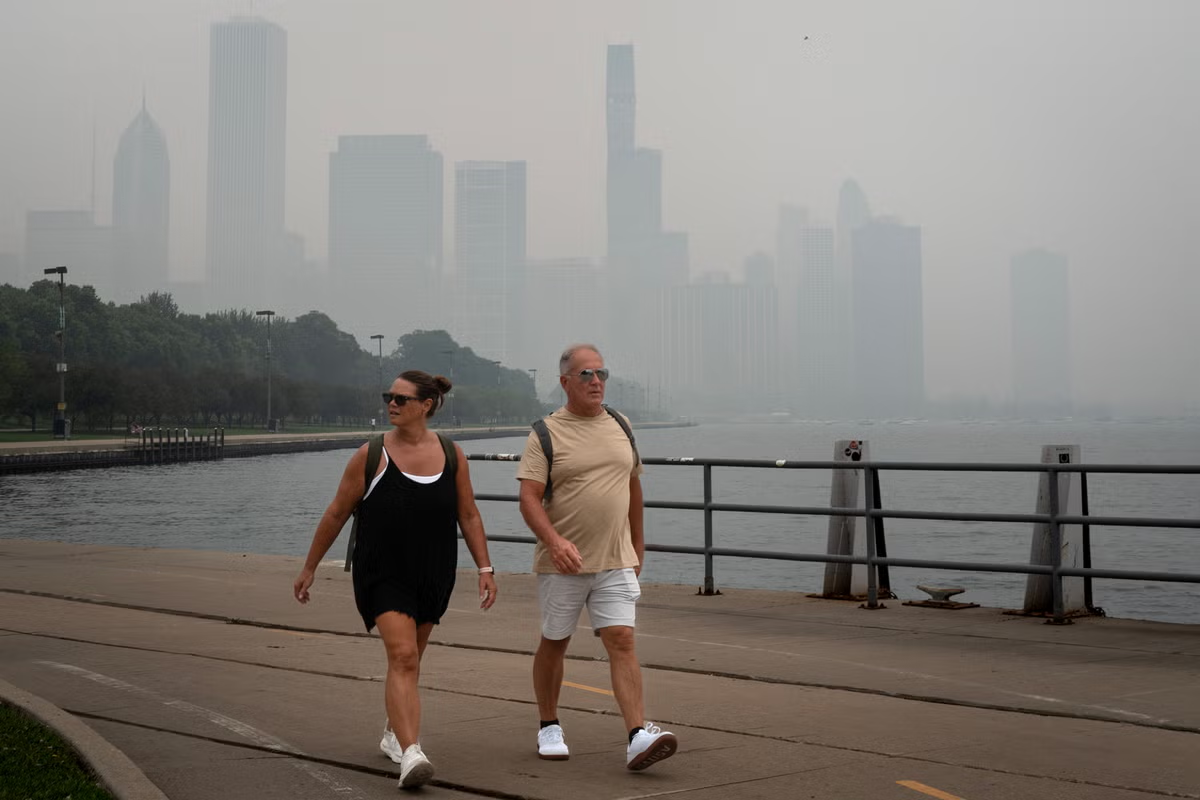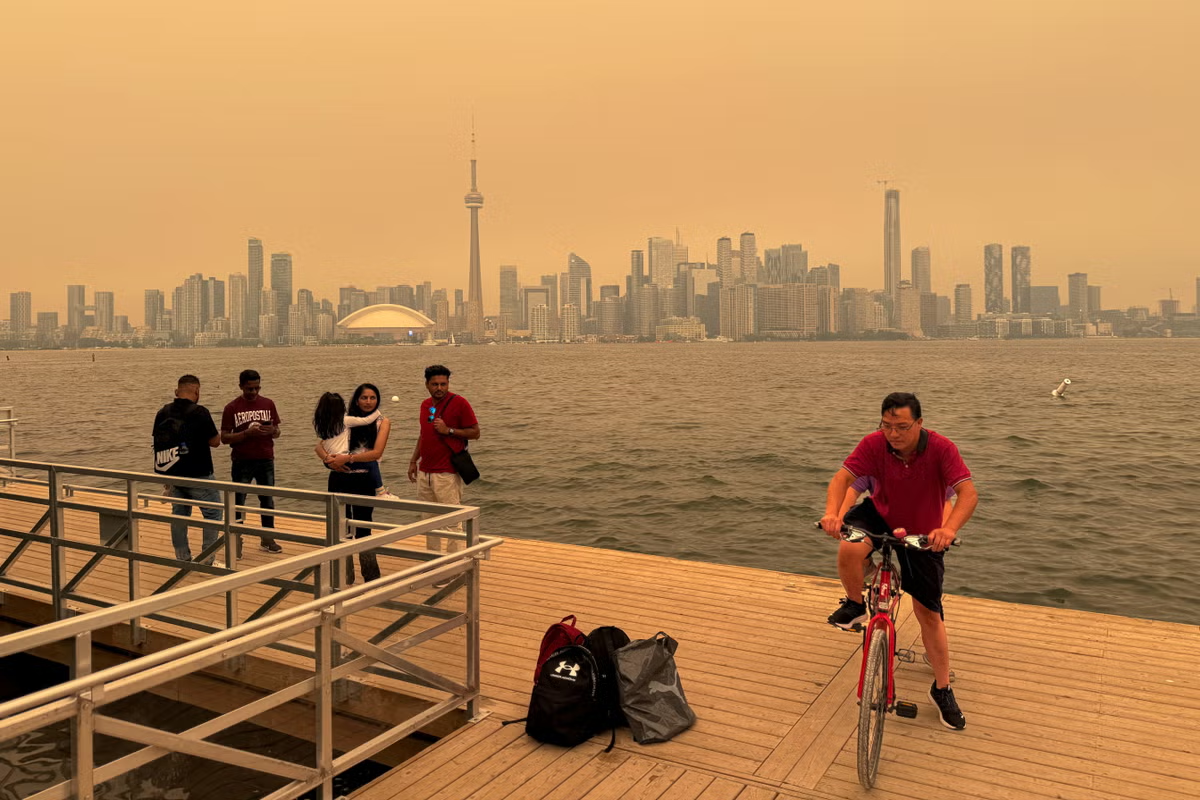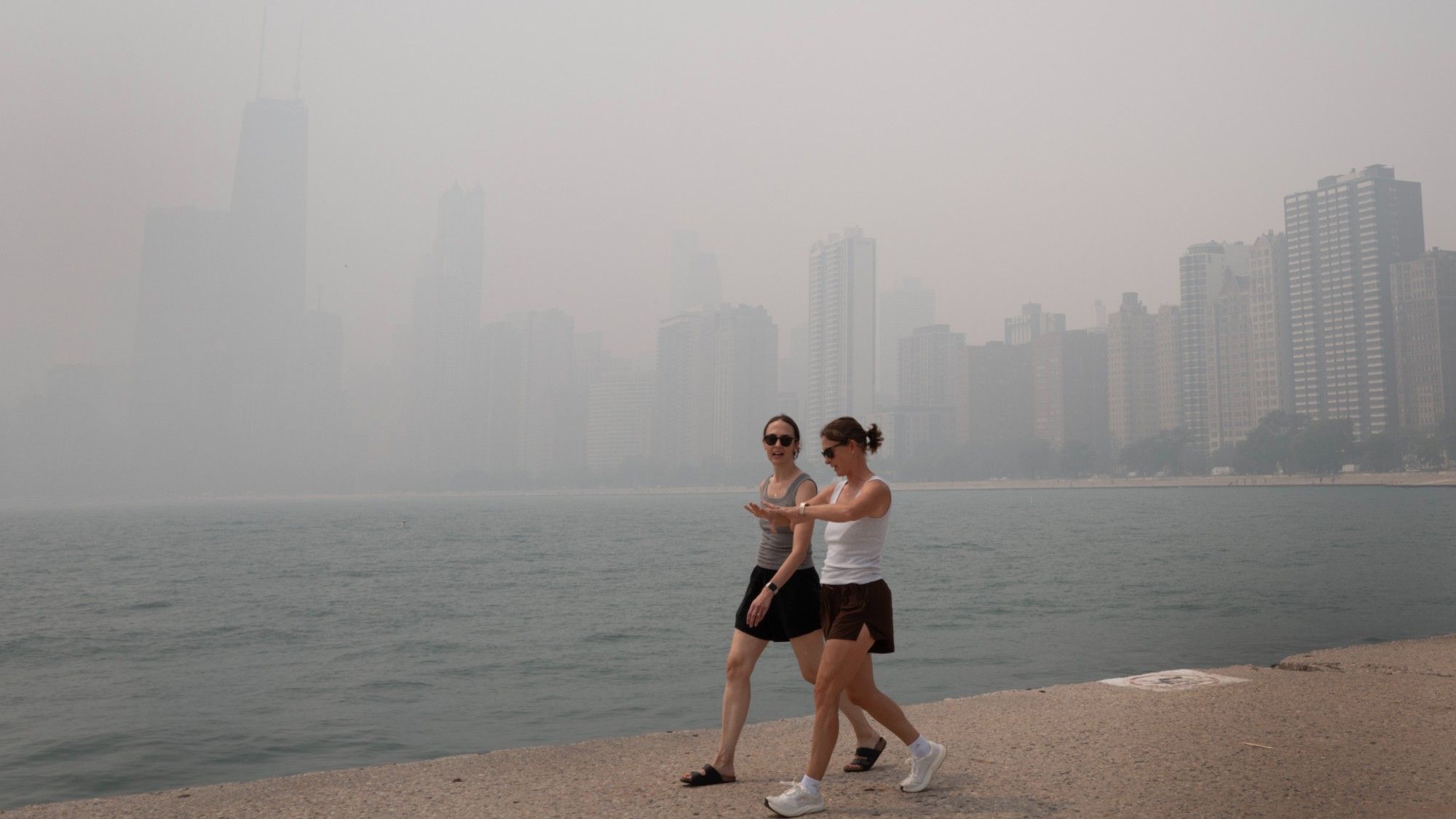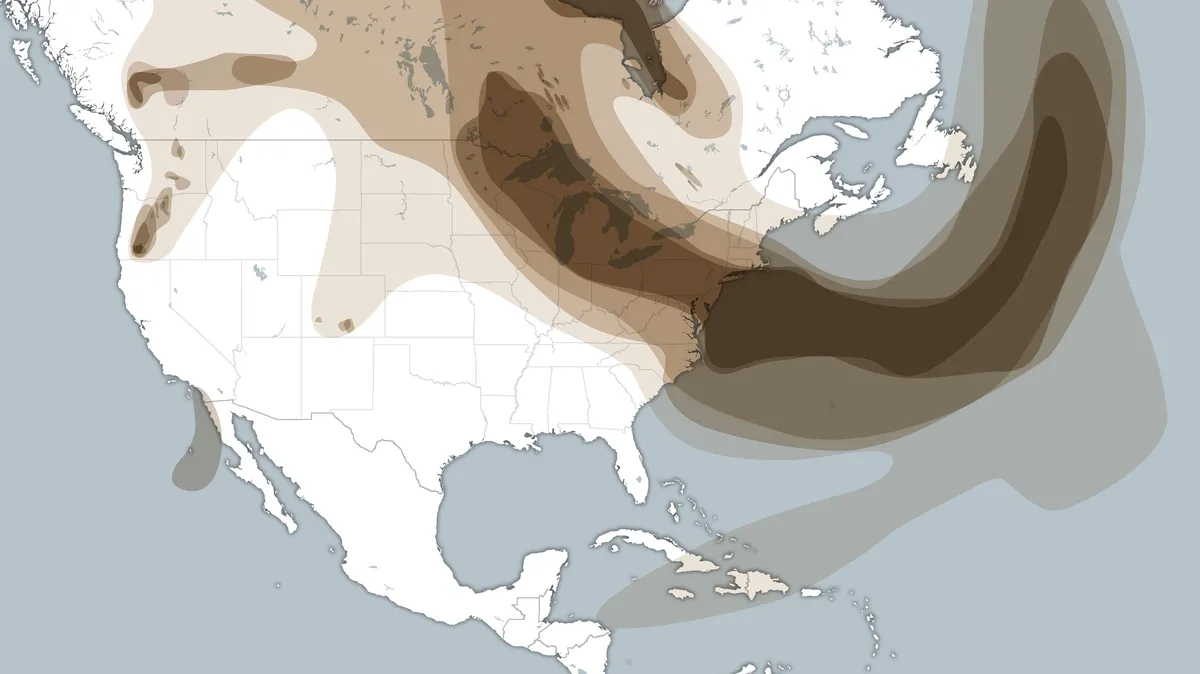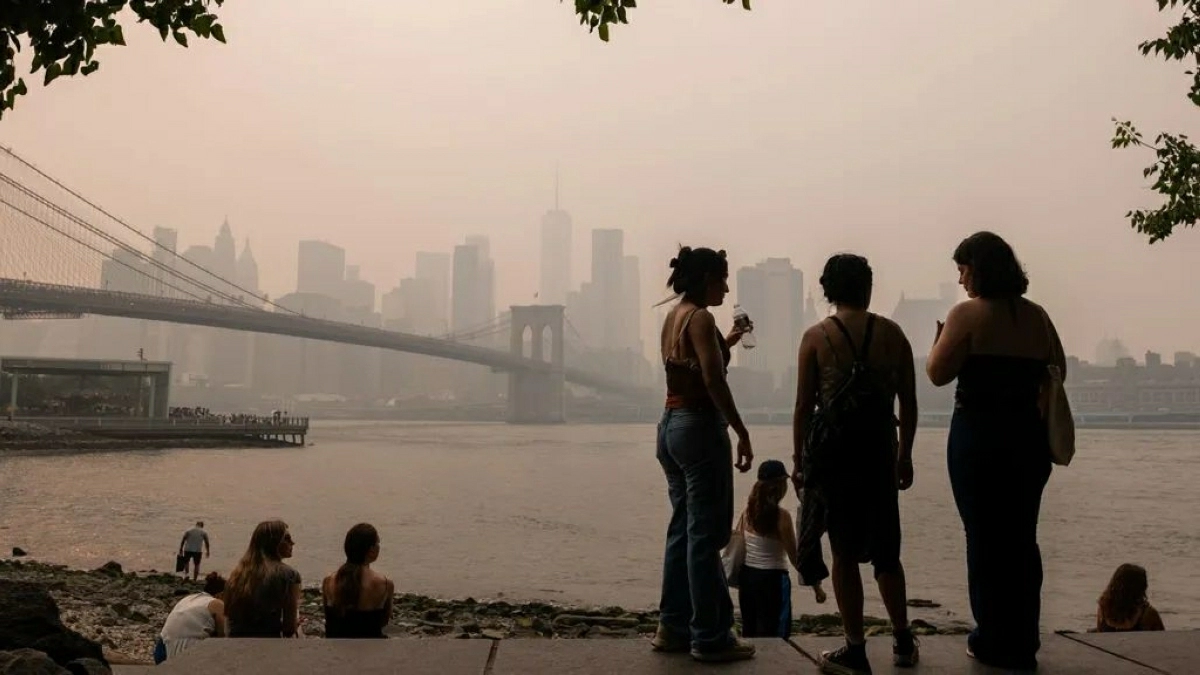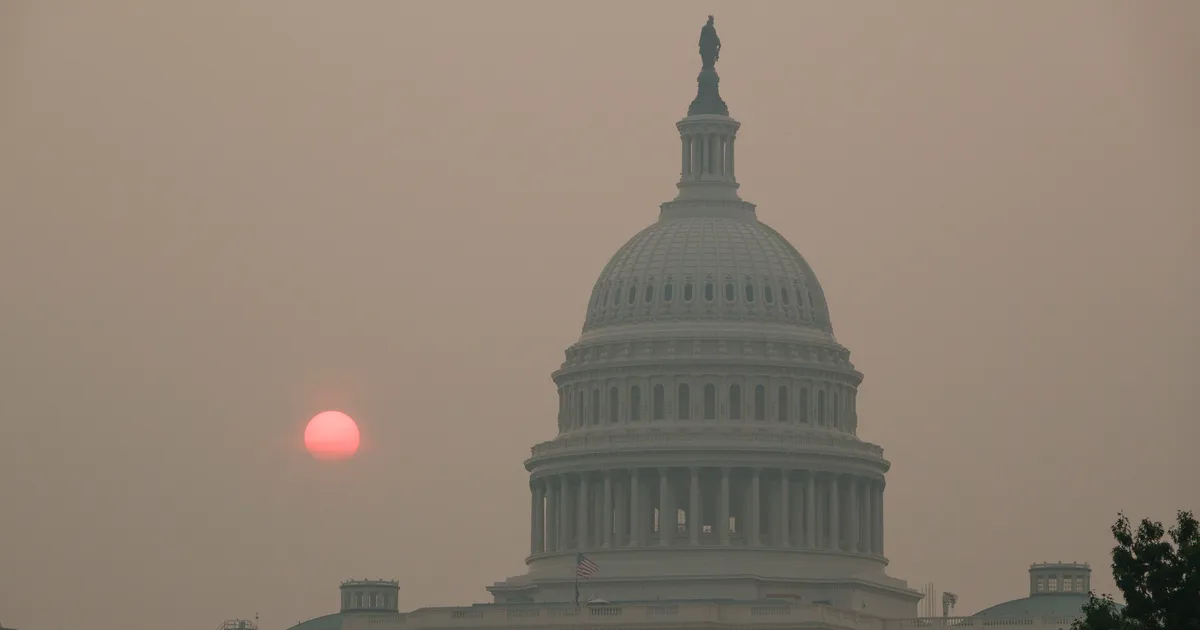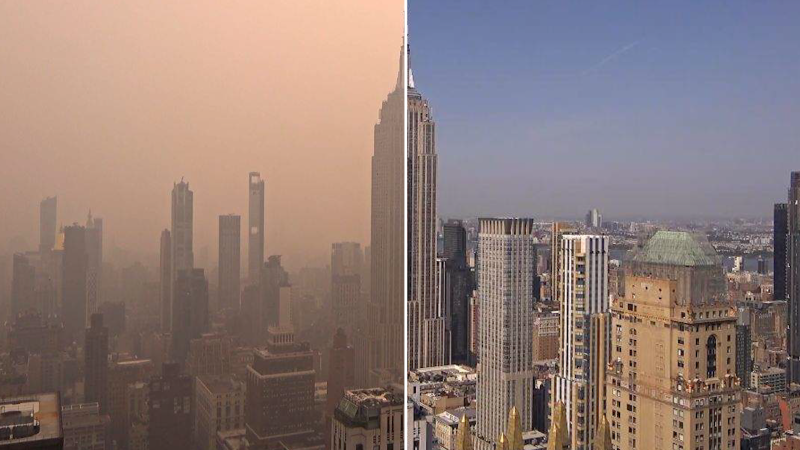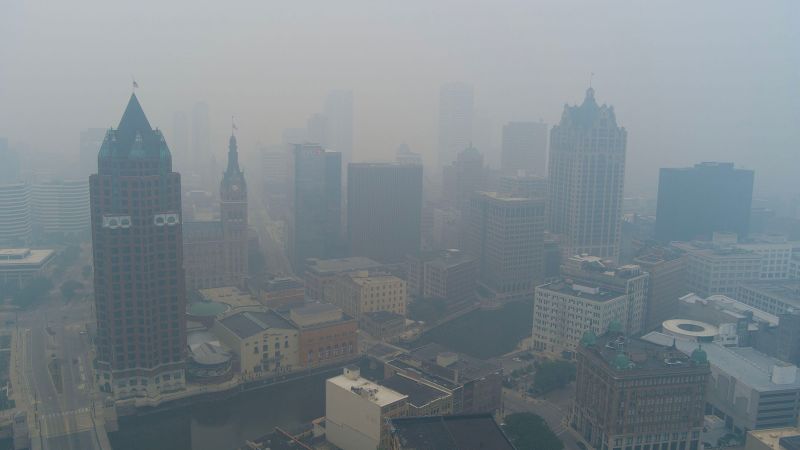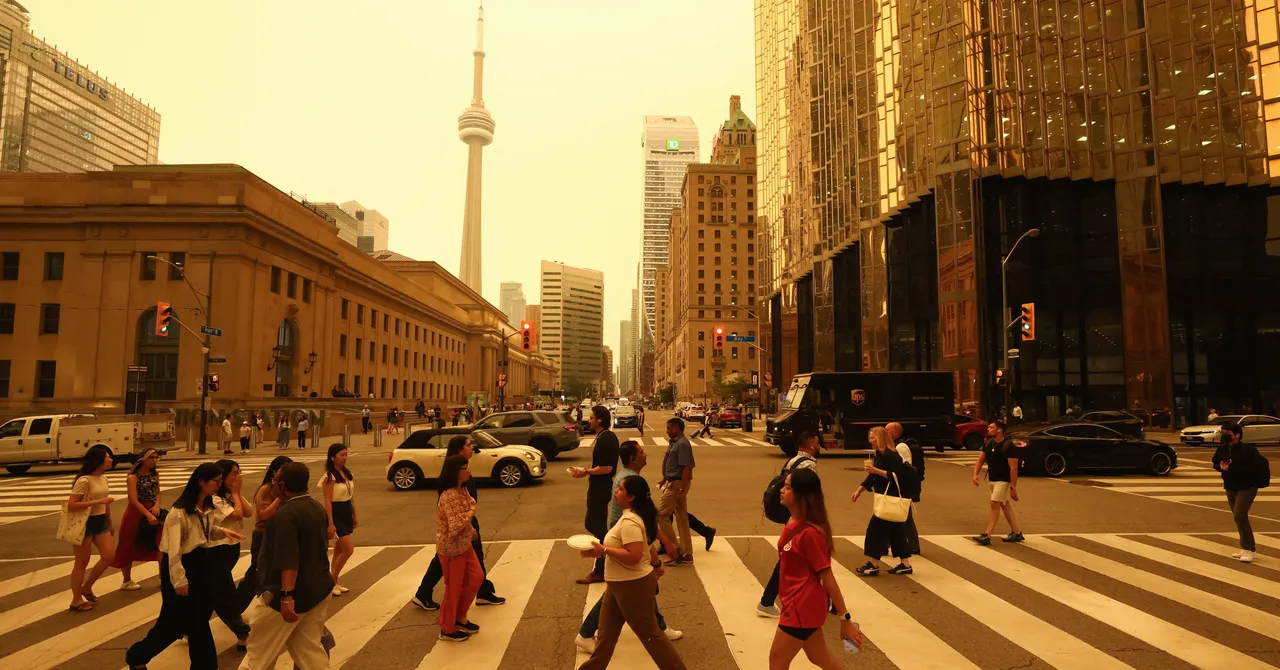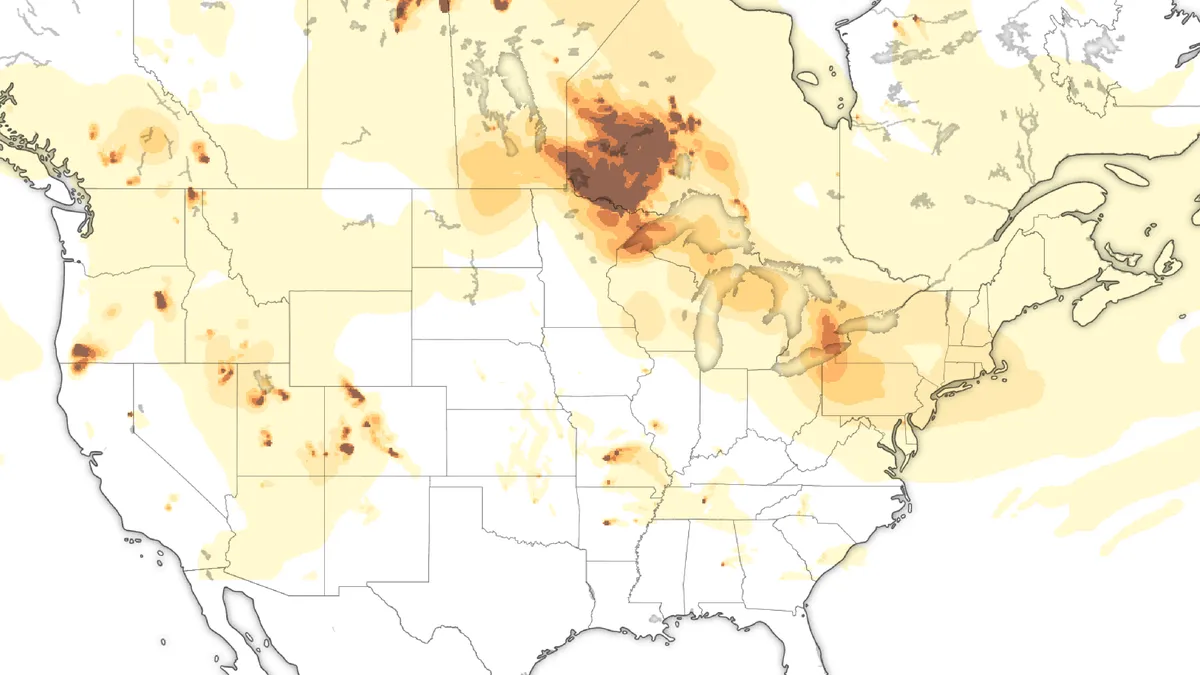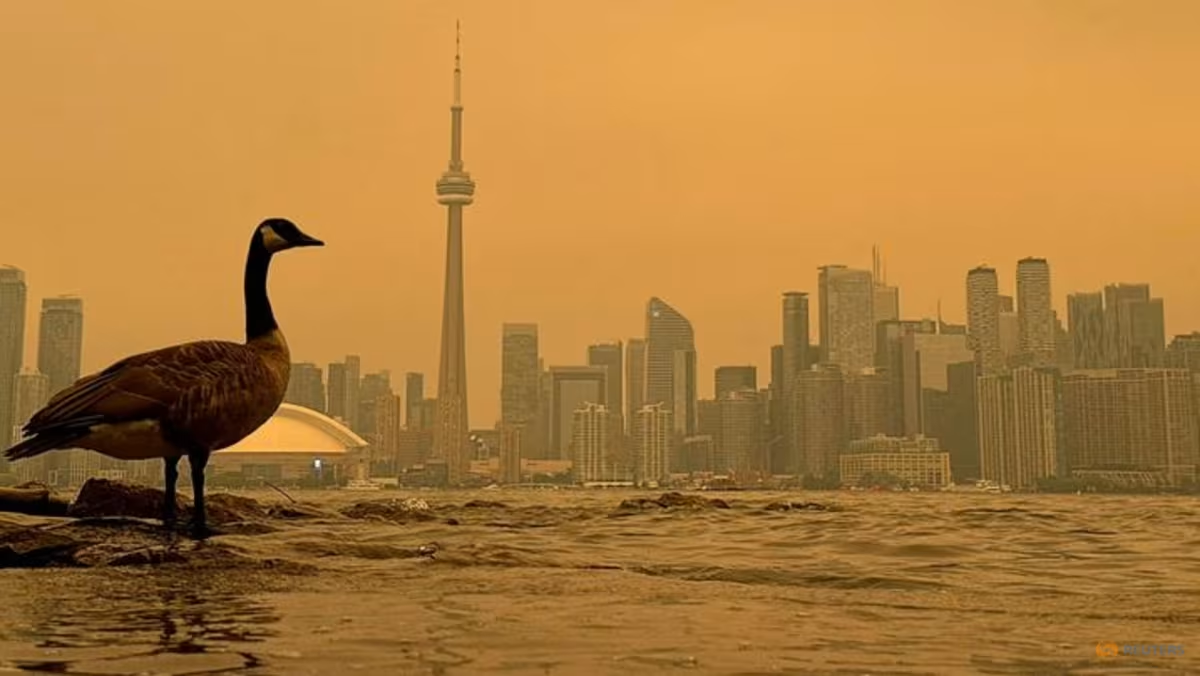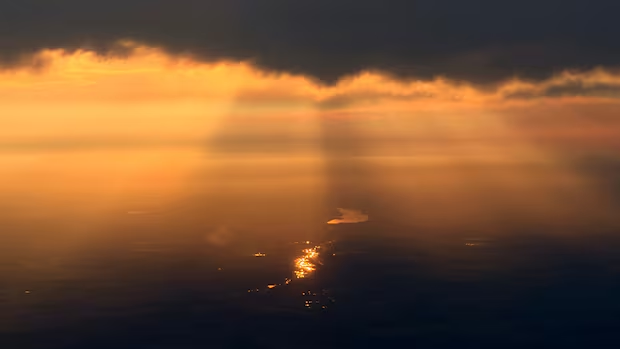
Wildfires that have torched huge areas of forest and devastated small communities are also sending smoke far and wide, prompting air quality warnings in distant cities and heated political rhetoric from the U.S. This year’s fire season has forced more than a dozen communities and areas to evacuate in recent days, including 10 First Nations communities across northern Ontario. But it's the smoke travelling across borders, causing hazy skies as far away as New York City, that has drawn the ire of some politicians. U.S. President Donald Trump lashed out at Canada for smoke "poisoning" American air, and even suggested the Canadian government should "pay some damages." At the same time, smoke from fires raging across the northwestern U.S. has made its way into B.C., as Western Canada contends with its own escalation in fire outbreaks. With blazes across B.C., the Northwest Territories and northern Saskatchewan, the haze and smell of smoke has been hanging over cities like Edmonton and Calgary this week.Experts who spoke with CBC News say there's nothing particularly unusual about this summer's smoke patterns, despite the inflammatory political discourse. But they say wildfires are getting worse, and that's not likely to stop on either side of the border. How does smoke from Ontario reach New York City?The short and obvious answer is that it travels with the wind.But Brian Wiens, research manager with the Canada Wildfire Network, says the intensity of a fire will affect just how high its smoke goes into the atmosphere and how far it's able to travel. "A really, really hot fire is going to send it really high into the atmosphere, which allows that smoke to travel thousands of kilometres," he said. "It's not at all unusual for smoke from North American fires to travel all the way over to Europe and, similarly, fires from Eastern Asia or Russia travel all the way over into North America." Ontario is in the middle of its worst wildfire season, early estimates suggestAn Essex County First Nation is collecting donations for a community destroyed by wildfireWiens says the smoke dilutes the further it travels from the source, but it can linger until wind flow changes or rain washes it out. Smoke can get trapped for weeks in communities situated in deep valleys, which are common in B.C., he said. WATCH | B.C. residents under evacuation alert:More than 8,000 residents under evacuation alert in Kimberley due to wildfireJuly 20|Duration 4:24An entire B.C. town near the border of Alberta remains under an evacuation alert due to an out-of-control wildfire. The Matthew Creek wildfire is about 10 kilometres west of Kimberley, home to more than 8,000 people.Kent Moore, a professor of atmospheric physics at the University of Toronto, says smoke from the Ontario fires has made it to Greenland.He says all kinds of pollutants travel both ways across the Canada-U.S. border, noting as one example that Ontario gets polluted air from American coal-fired power plants."Pollution in general kind of moves around with the air currents and it doesn't stop at boundaries," he said. Why does the sky turn orange?Videos from city dwellers experiencing heavy smoke often show eerie, orange- or yellow-tinged skies, with people saying how they feel like they're in a sci-fi film or an apocalyptic scenario. Moore explains that particulates in the air cause this phenomenon by scattering blue light, allowing other colours to come through more prominently. "Blue light, because of its wavelength, is scattered by this particulate matter in the atmosphere. Red light isn't," he said. After 34,000 lightning strikes, almost 100 wildfires burning across B.C.Wildfire smoke drifts into Alberta from N.W.T., triggers air quality warnings"That's why the sun tends to appear red when we have these wildfire events, because there's so much smoke in the air that it scatters all the blue light away."He compares this effect to sunsets, which often appear reddish because the sun is low and close to the horizon, so its light has a longer distance to travel to your eyes. WATCH | An explanation for the orange skies:Why the sky turned orange | About ThatJuly 16|Duration 2:46Andrew Chang explains how Ontario wildfire smoke is able to change the colour of the air in cities more than a thousand kilometres away, and the health risks of inhaling it.
How wildfire smoke from Ontario travels as far as New York City | CBC News
Wildfires that have torched huge areas of forest and devastated communities are also sending smoke far and wide, prompting air quality warnings in distant cities and heated political rhetoric from the U.S. Experts say there's nothing particularly unusual about this summer's smoke patterns — but they say wildfires are getting worse, and that's not likely to stop on either side of the border.
1,271 words~6 min read