Show Caption
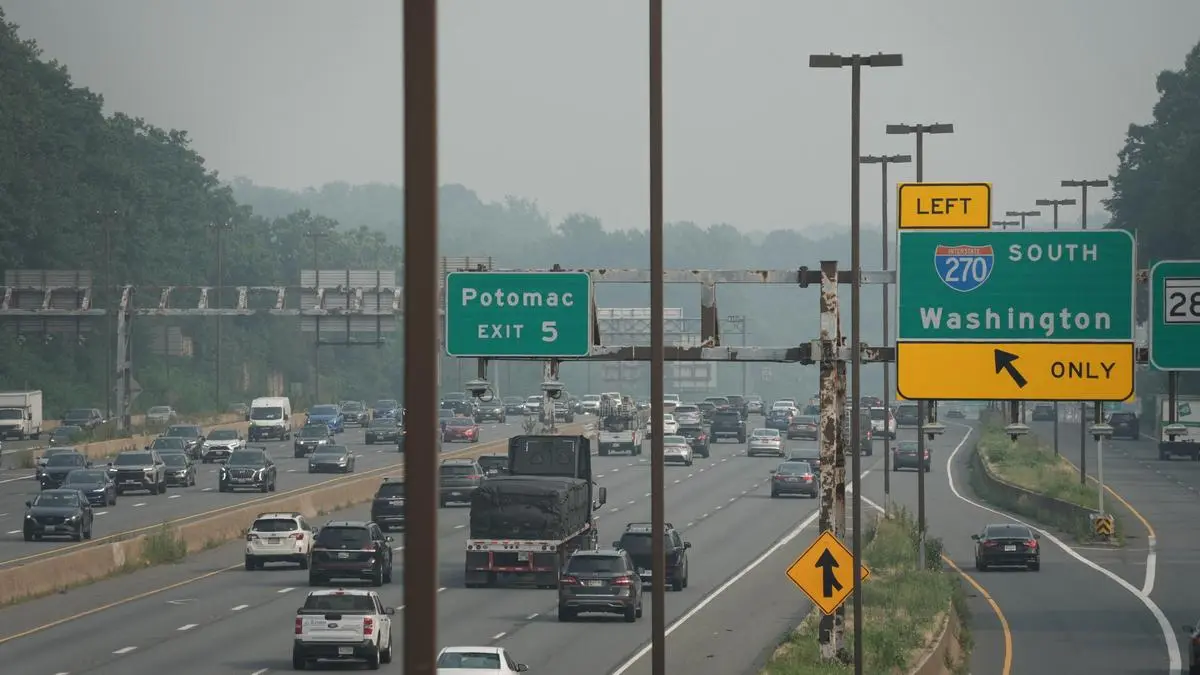
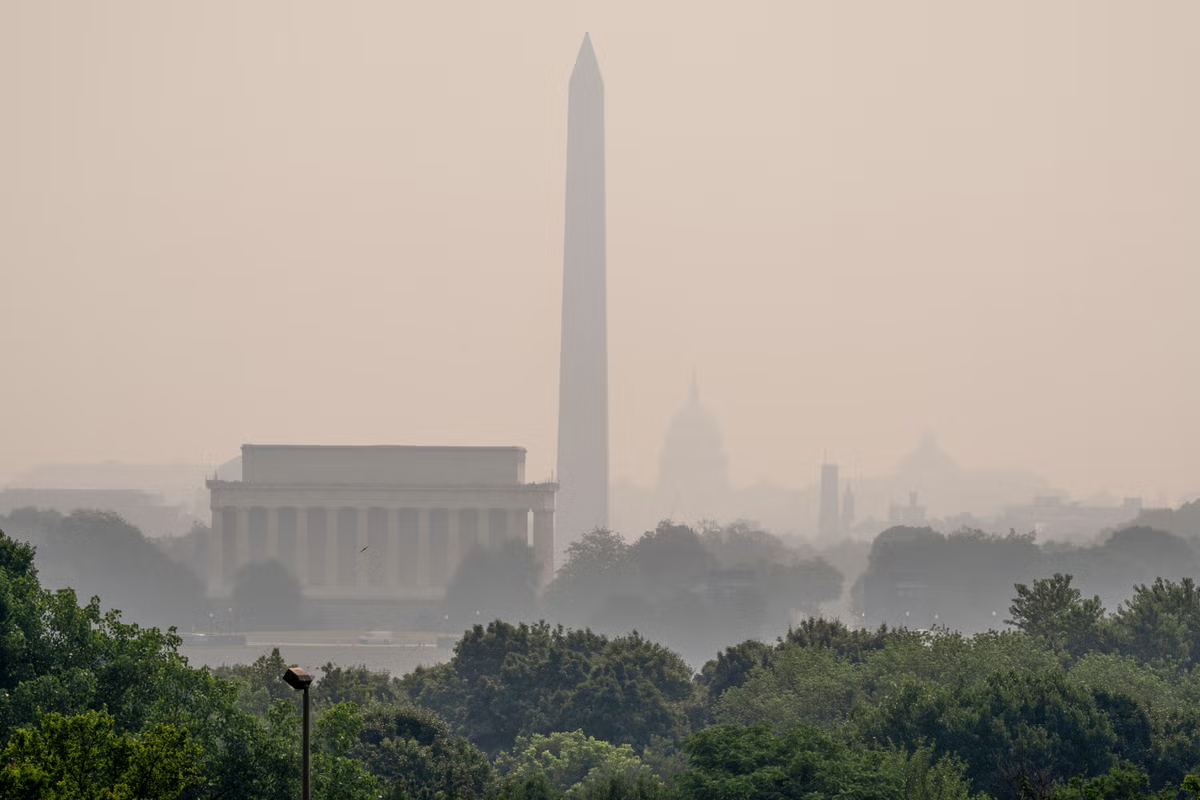
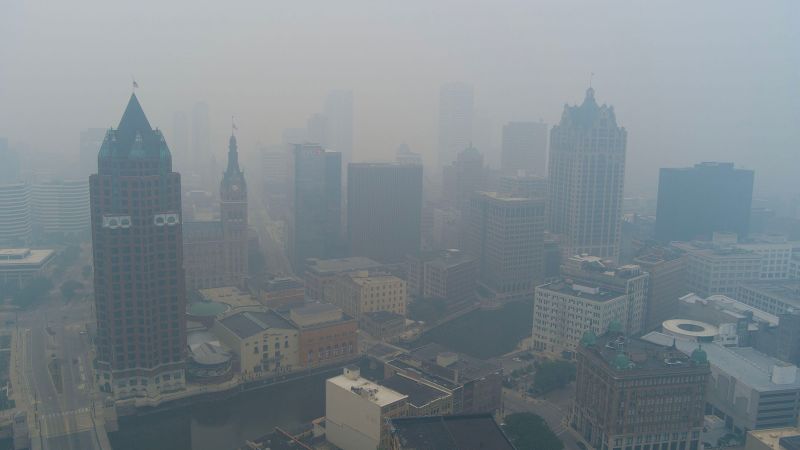
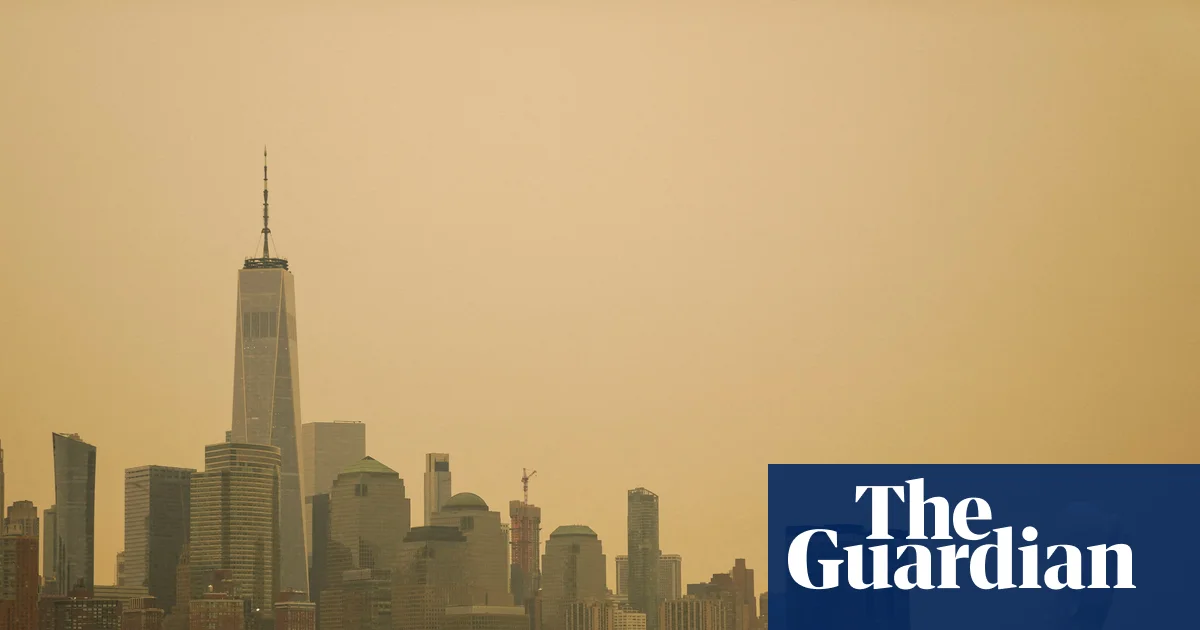
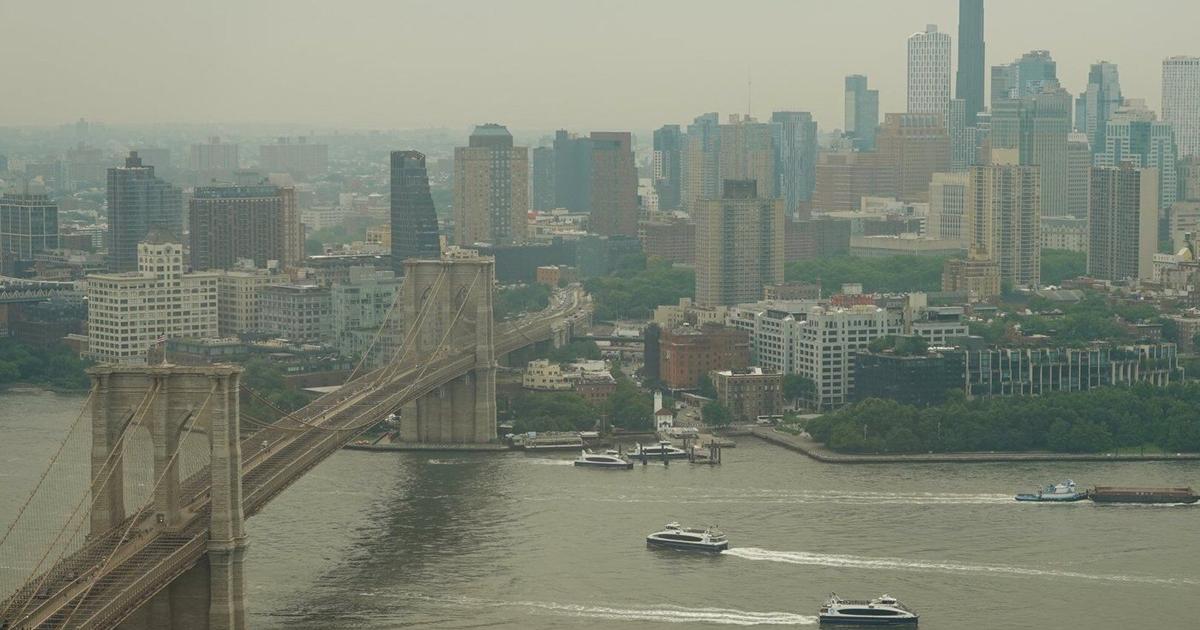
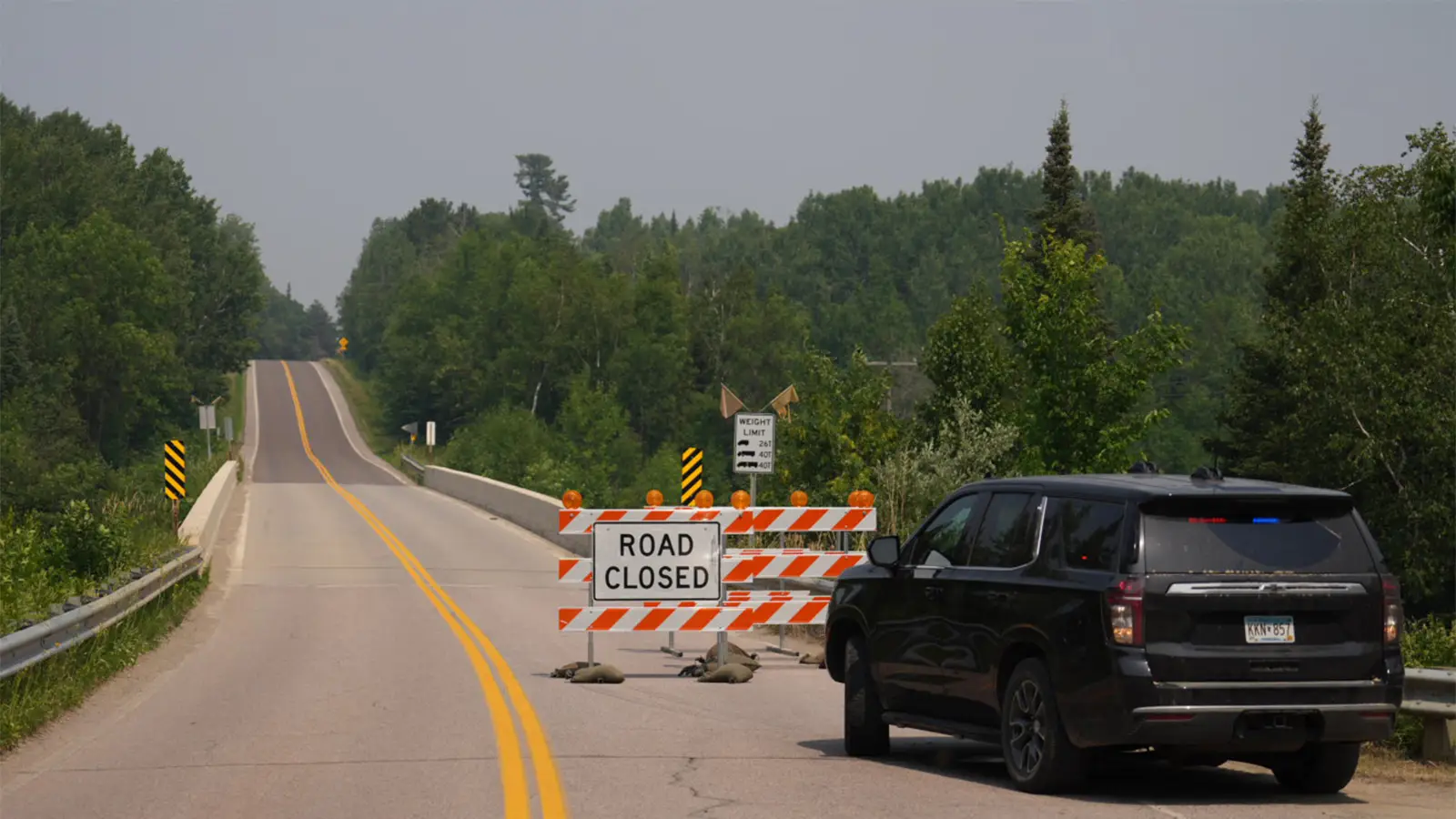
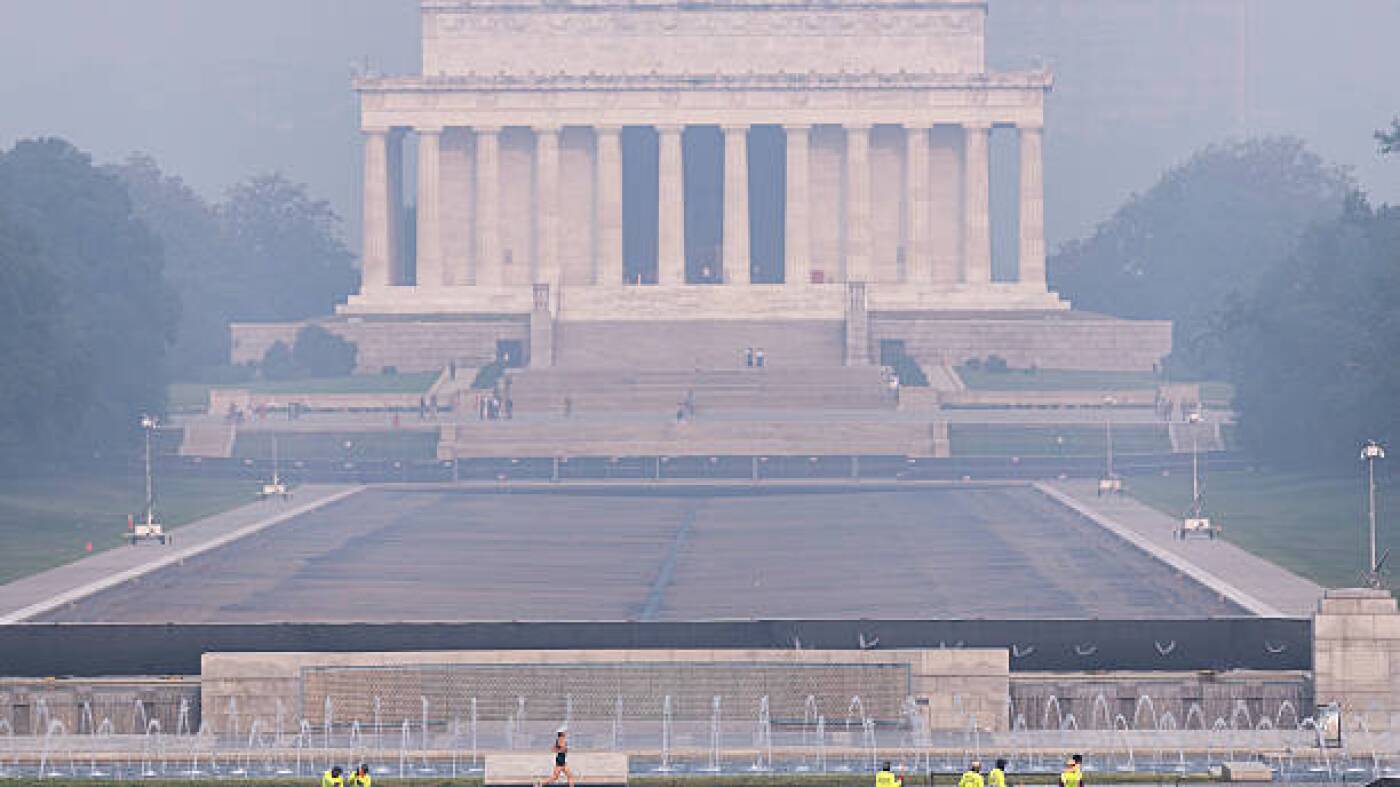
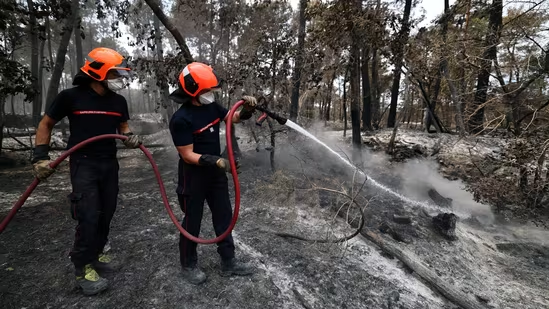
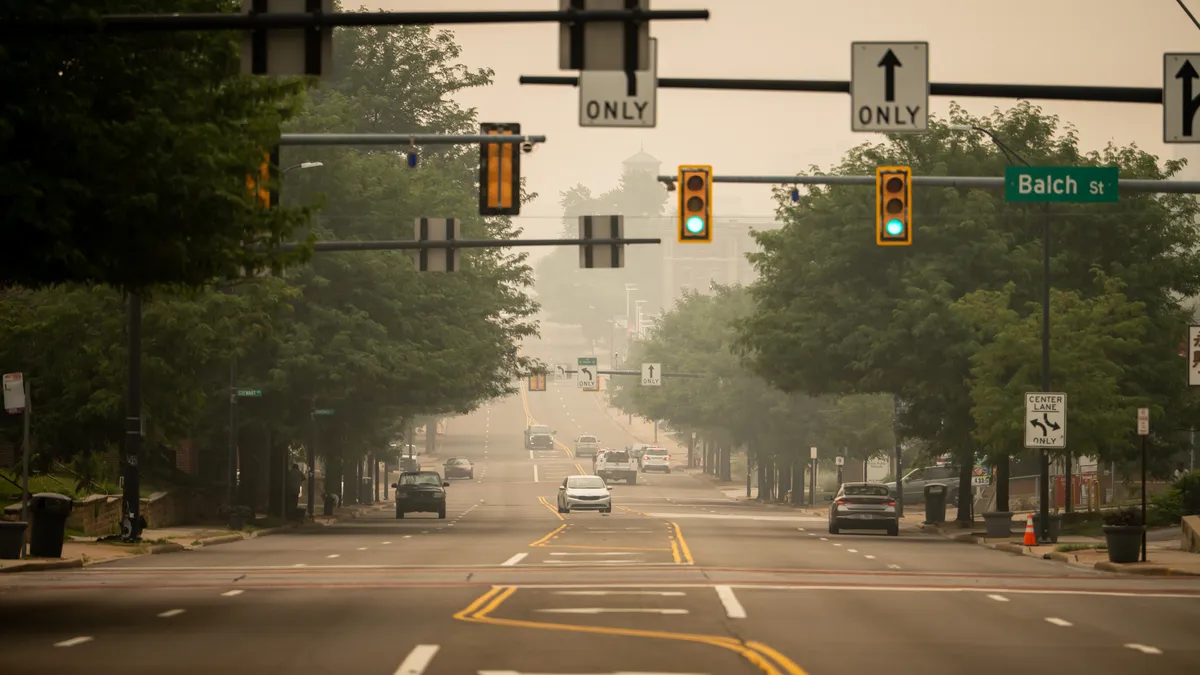
Air quality alerts remained in place on July 19 in parts of Minnesota, Michigan, Wisconsin, Illinois, Indiana, Ohio and New York, as well as in some regions in Idaho and Oregon, according to the National Weather Service, as smoke from the Canadian wildfires makes its way south and east.Toxic smoke from Canadian wildfires brought a sepia-tinged haze to wide swaths of the United States for several days, making conditions dangerous for people with respiratory issues, the elderly and very young ‒ and even for otherwise healthy people. Tiny particles in the smoke can enter the lungs and bloodstream, and cause both short- and long-term health effects.Canadian authorities say there are still more than 950 active wildfires burning, very few of them under control. On July 17, President Donald Trump threatened to levy new tariffs on Canadian goods over what he described in a social media post as the U.S. "being unnecessarily invaded by filthy, polluted, and unhealthy air, the quality of which is dangerous, and totally unacceptable!"There were initial concerns that wildfire smoke could possibly impact July 19's World Cup final in New Jersey, but a front that brought rain and storms to the region also cleared much of the smoke, according to the Record of Bergen County, part of the USA TODAY Network. The forecast for the game, at 3 p.m. Eastern, is now "beautiful," a meteorologist told the outlet.Health effects of wildfire smokeAccording to the American Academy of Allergy, Asthma and Immunology (AAAAI), wildfire smoke can be particularly dangerous for people with respiratory conditions like asthma and chronic obstructive pulmonary disease (COPD), as well as the elderly, pregnant women and infants and young children, whose lungs are still developing. Those with other underlying conditions like diabetes and heart disease can also feel effects sooner or more severely. Healthy people who are outdoors for prolonged periods, such as for work, can also be affected.The U.S. Centers for Disease Control and Prevention says exposure can cause eye irritation, scratchy throat and nasal and sinus irritation. Coughing, wheezing, headaches, tiredness and chest pain can follow.Fine particulates and gases, including carbon monoxide, are inhaled and can lodge deep within the lungs, causing inflammation and irritation. It can also impact the body's ability to fight infections and cause inflammation throughout the body, causing additional strain on the heart.How to stay safe from wildfire smokeThe AAAAI offers tips to stay safe from wildfire smoke, but the best advice is to remain indoors, with a fan to circulate air and/or air conditioning, and the windows closed. If you can, use an air cleaner or filter to remove particulates, and if possible, set your HVAC system to recirculate to reduce the amount of smoke that can enter the home.Not everyone can remain indoors, so an N95 mask can help filter smoke. Avoid strenuous activities outdoors if possible. Check local air quality reports at www.airnow.gov, where you can enter your ZIP code or other information to see what air quality is in your location.Contributing: Eduardo Cuevas, USA TODAY