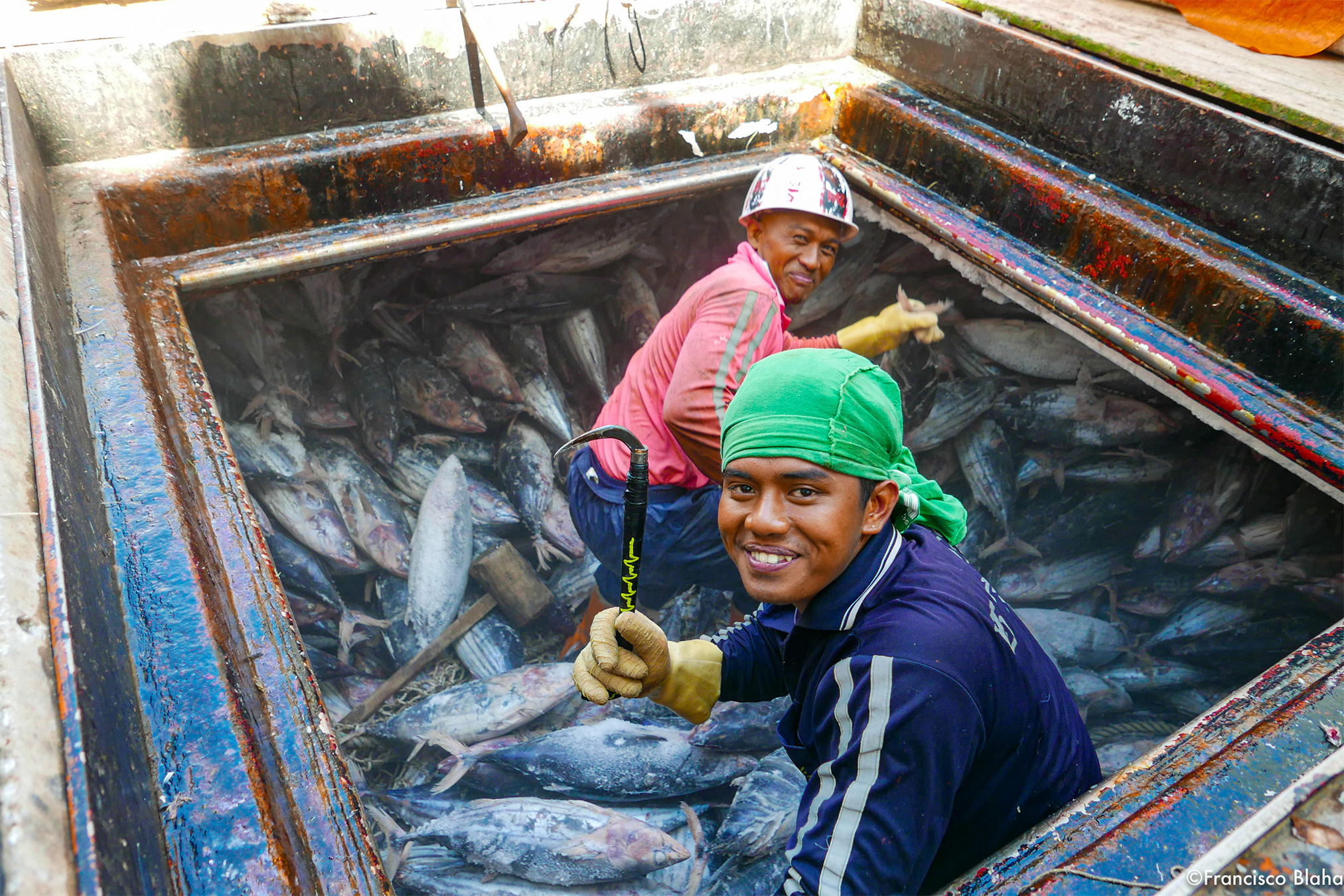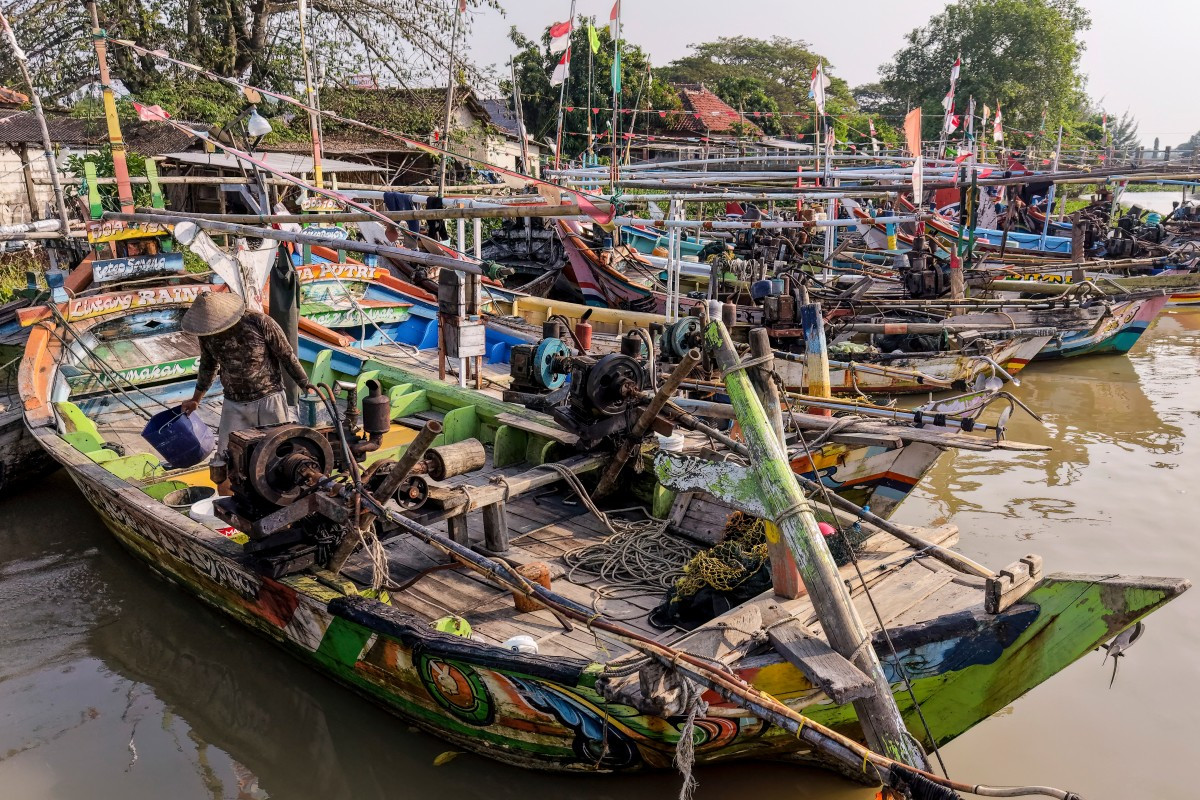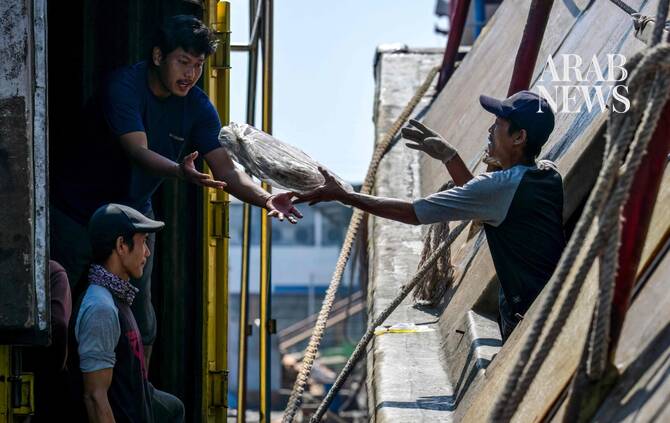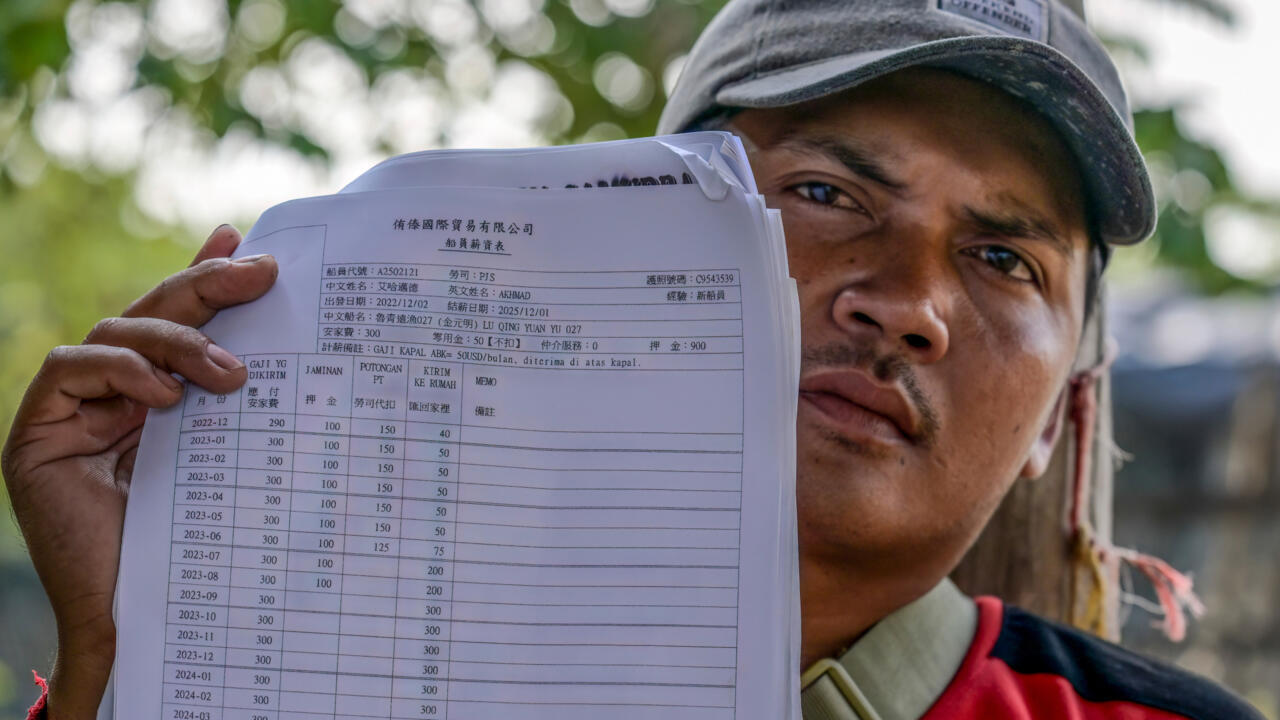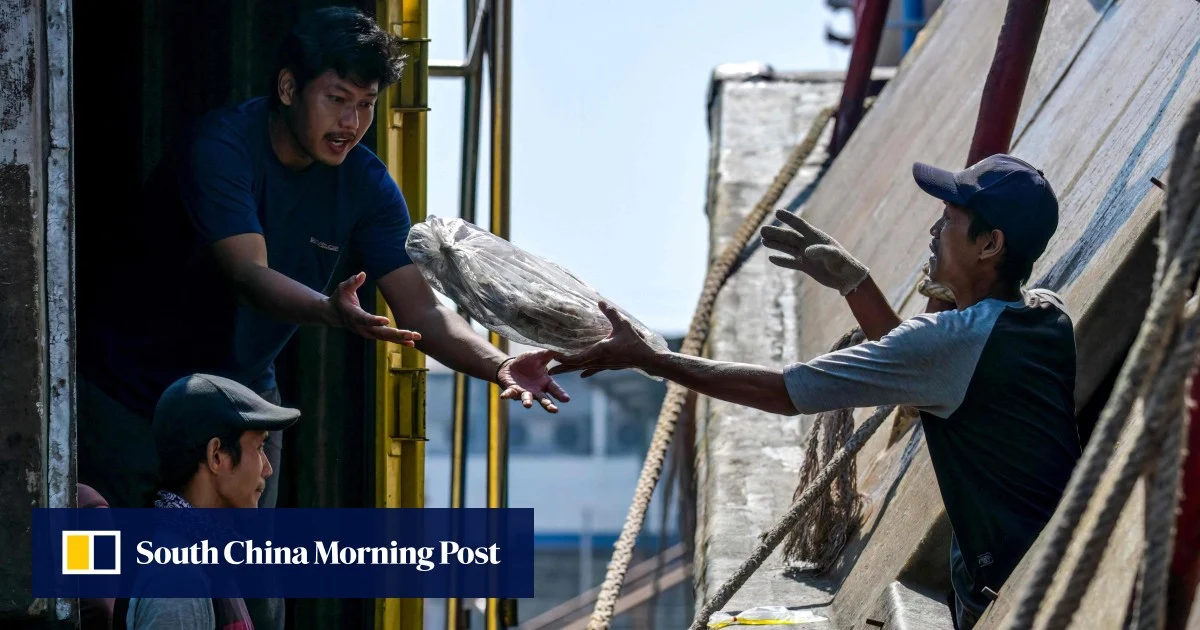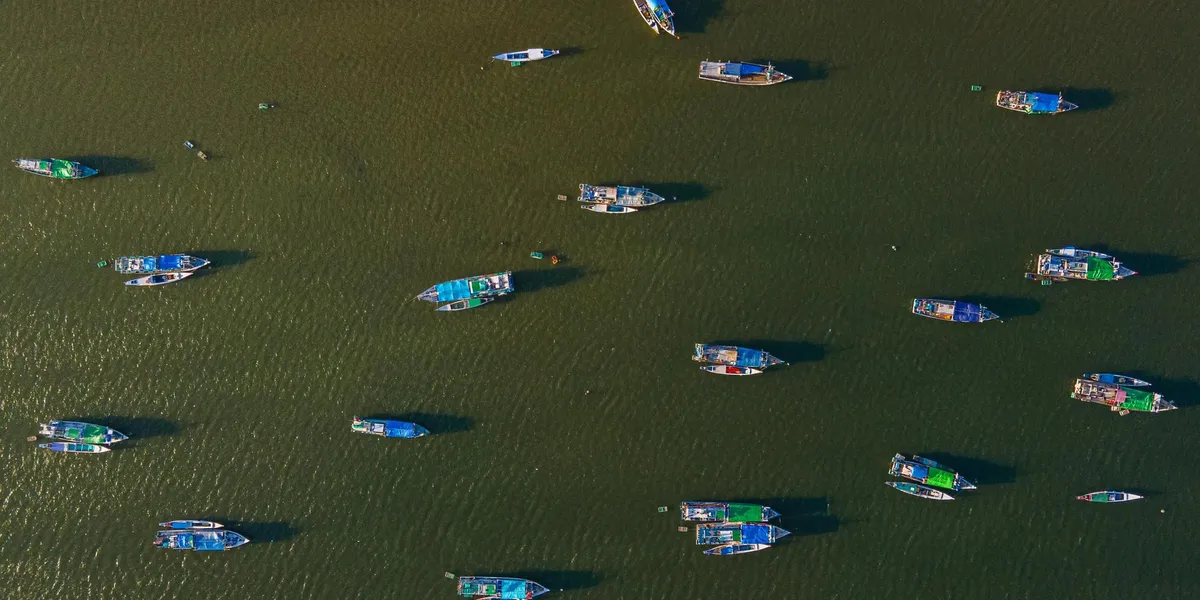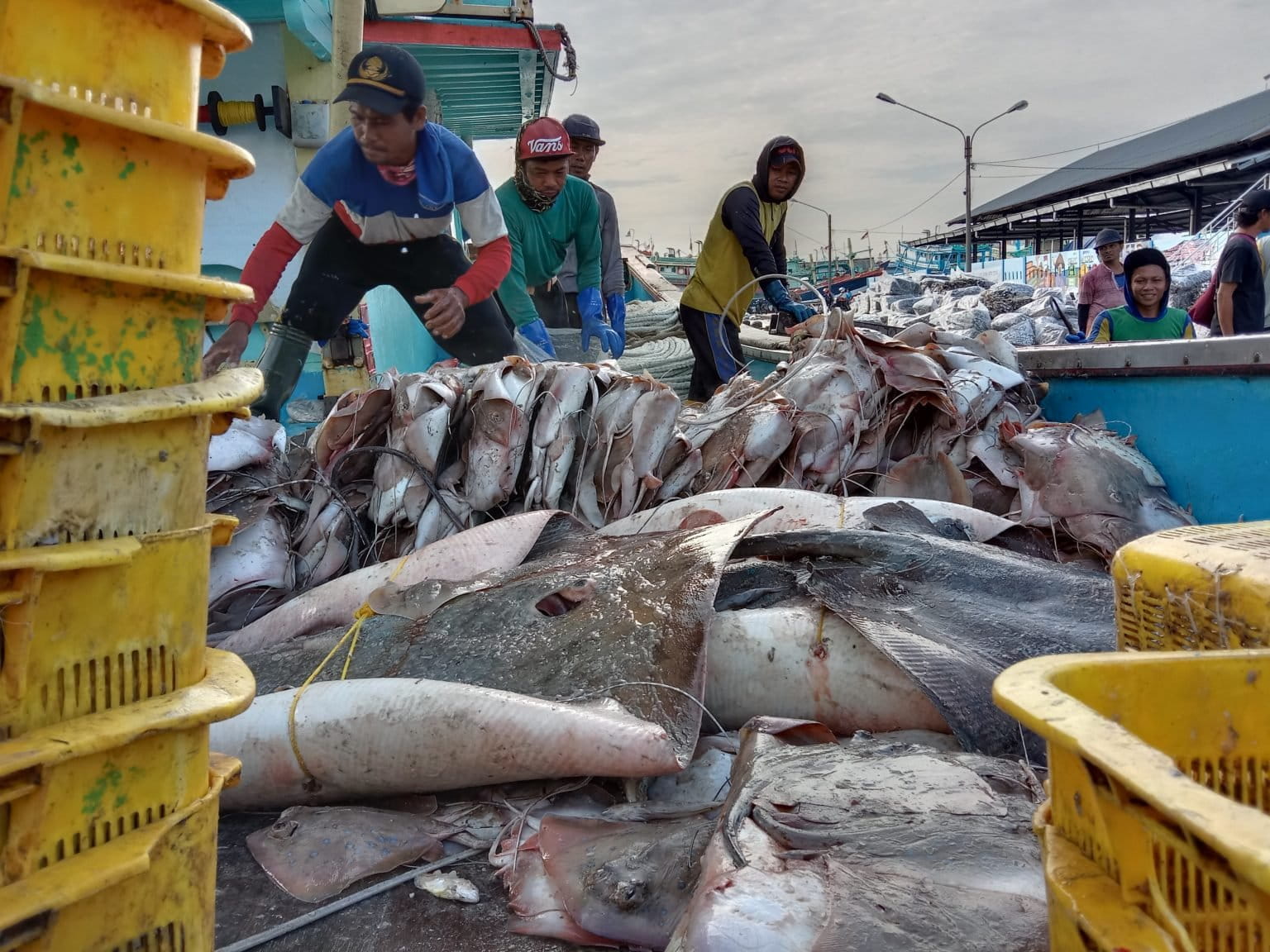
Indonesia has ratified the ILO Work in Fishing Convention (ILO 188), committing to stronger protections for fishing crews, including safer working conditions, fairer pay and better access to health care.Labor groups say the convention could close long-standing legal gaps that have left many domestic fishing workers vulnerable to poor conditions and weak oversight.Experts say stronger labor standards could also help curb illegal fishing and boost the credibility of Indonesian seafood exports in markets with strict sustainability requirements.The biggest challenge now is implementation, with the government facing a year to update regulations and improve enforcement, training, and support for the fishing industry.
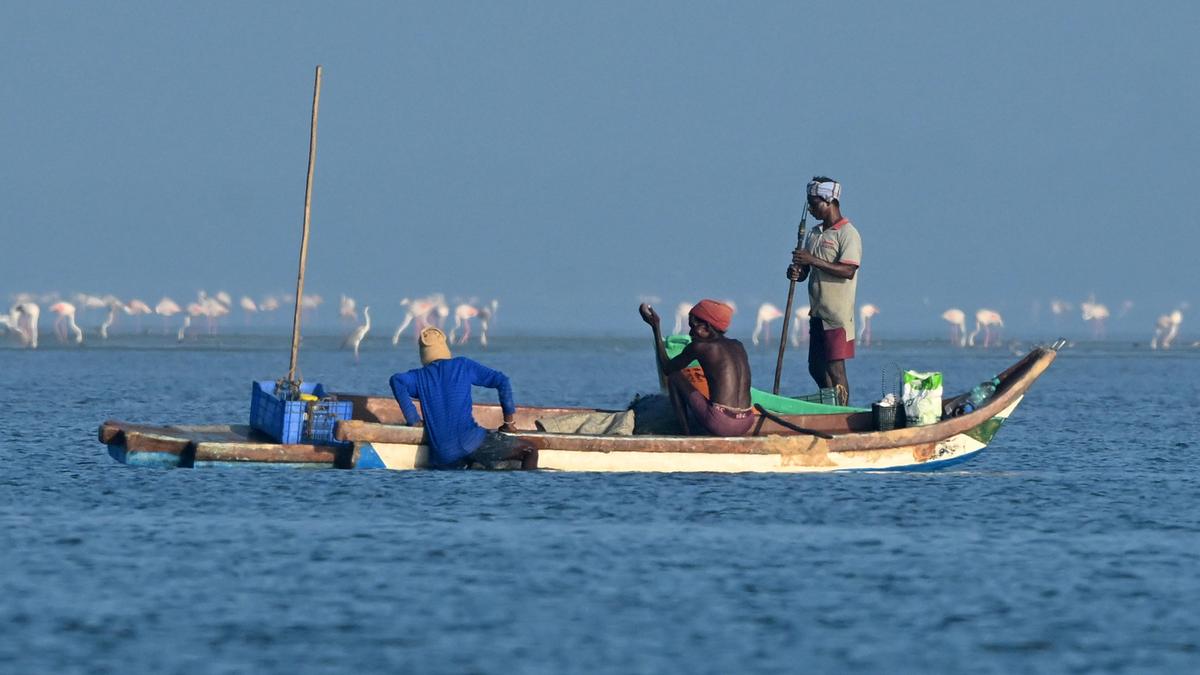
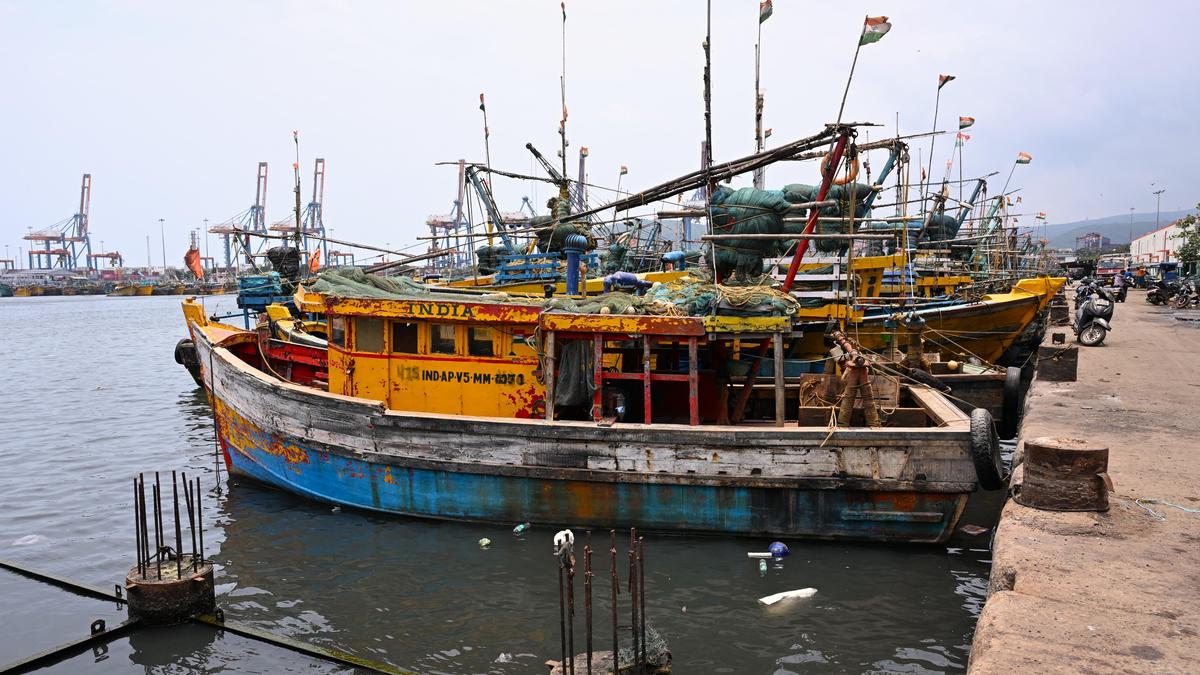
JAKARTA — Endi sat in front of the door leading to the second deck of a fishing boat at the Nizam Zachman fishing port in Jakarta. As he waited for the vessel to depart, the 42-year-old member shared his experience working at sea.
“I only have a primary school education. I tried other jobs, like construction, but I couldn’t handle it. The pay was low,” he told Mongabay.
On fishing boats, he said, crew members are paid according to their roles. Ordinary deckhands earn around 25,000 rupiah per day, or about $1.40, while the chief engineer gets up to four times that much. For a two-month voyage, that puts total earnings anywhere from 1.5 million to 6 million rupiah ($84-$334). Endi said that while this is still insufficient to support a family, he remains grateful to have work.