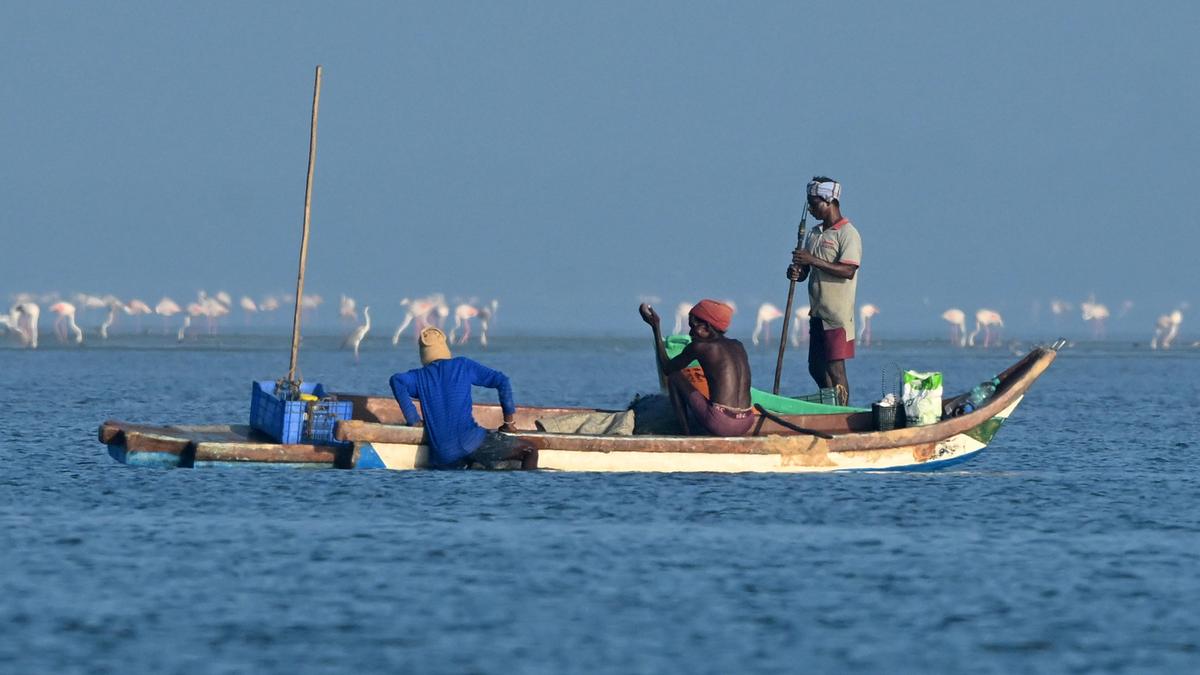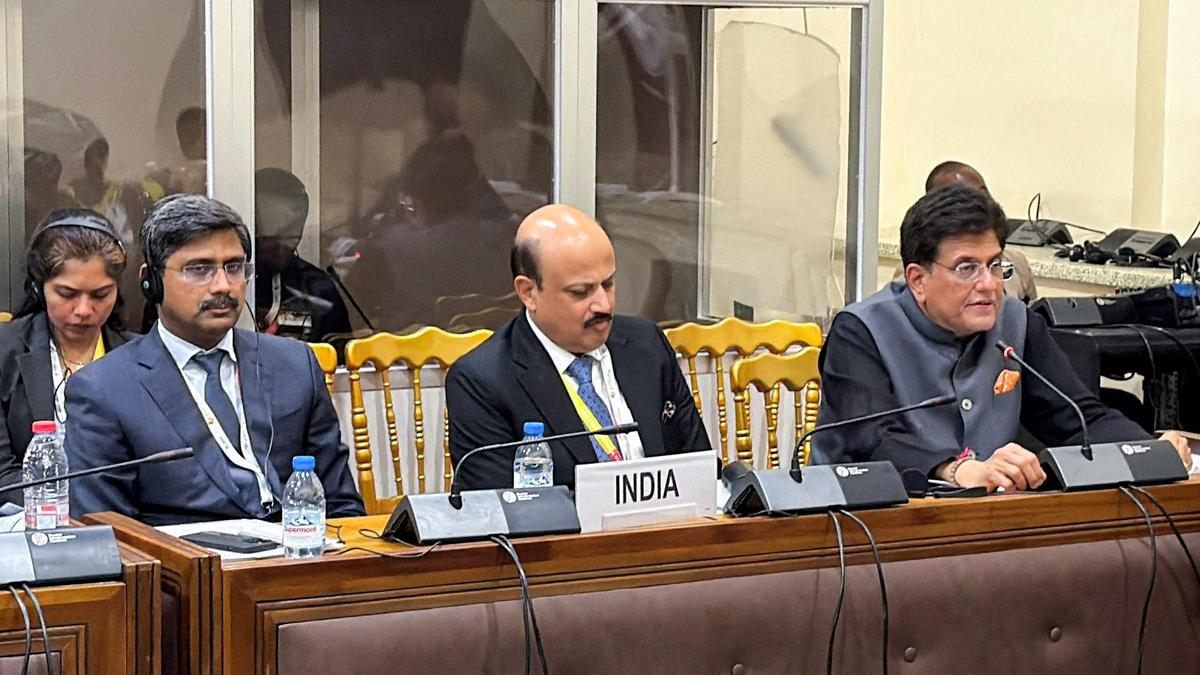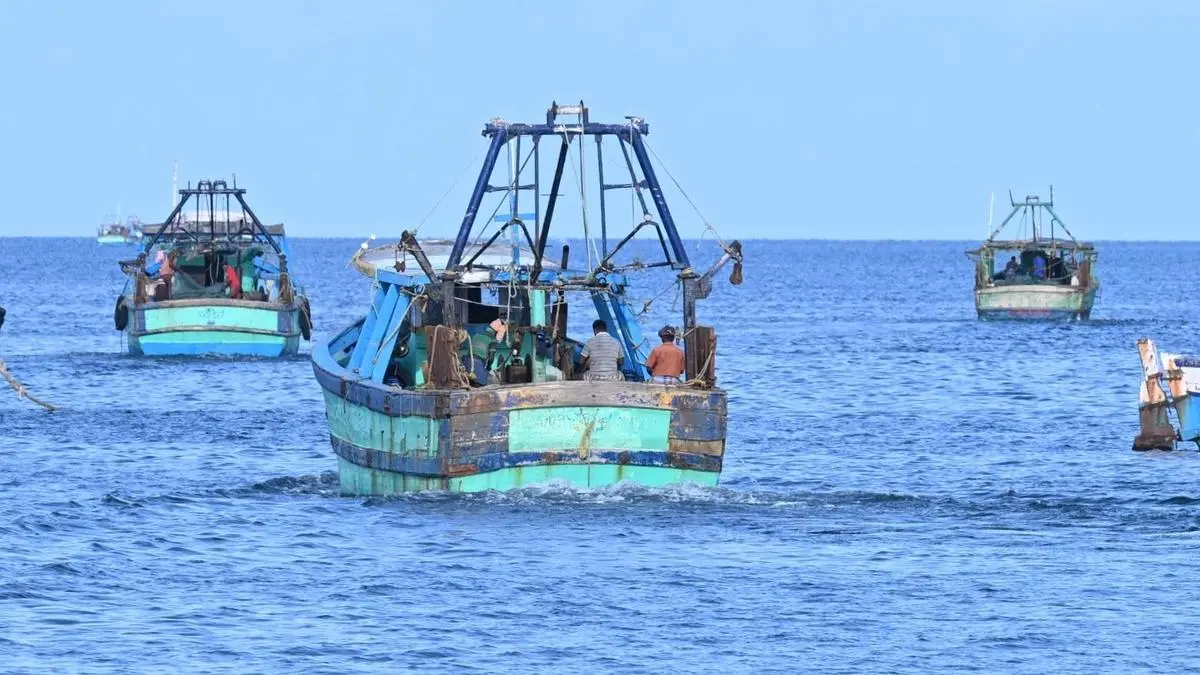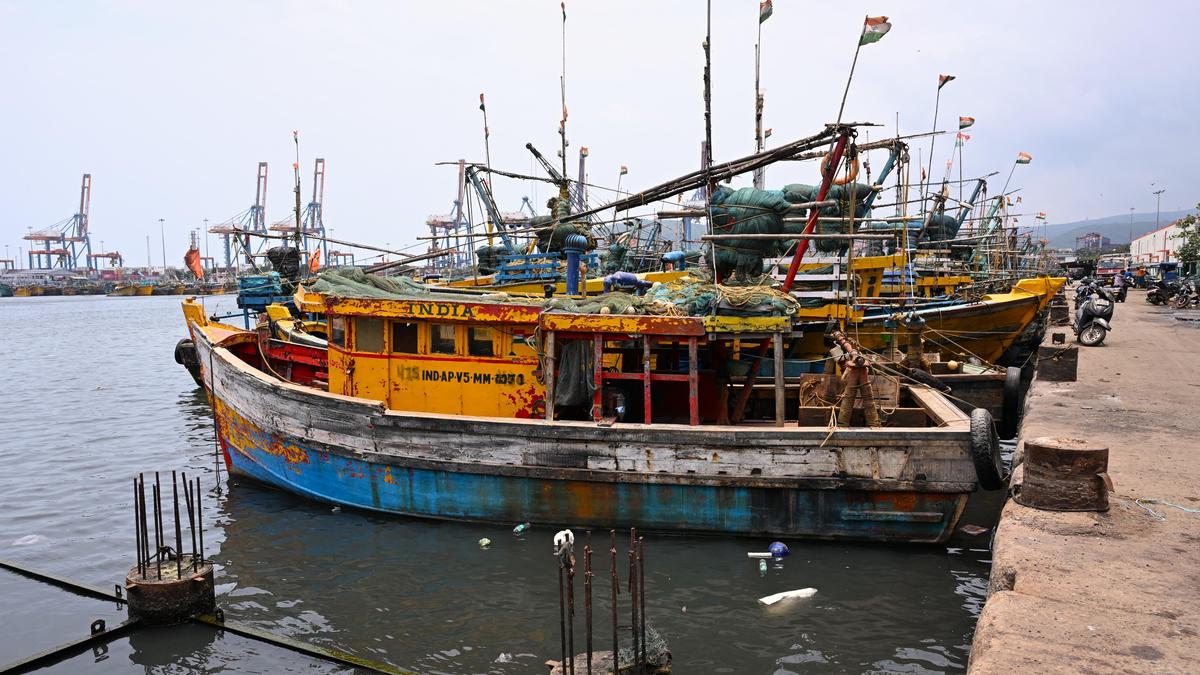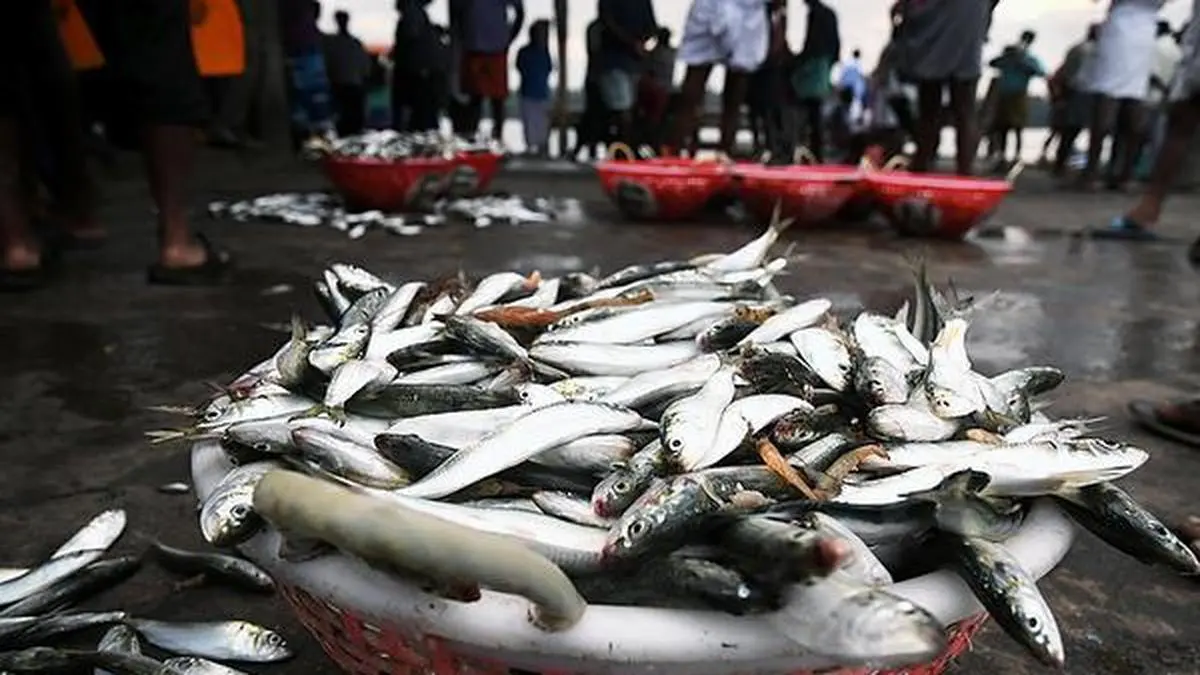
Fisherfolk groups in Kerala have raised strong objections to India’s ratification of the World Trade Organization (WTO) Fisheries Subsidy Agreement, warning that its implementation could threaten the livelihoods of millions of traditional fishermen and impede the country’s fisheries development.India formally ratified the agreement on July 20 by depositing its instrument of acceptance with the WTO Director-General in Geneva, becoming the 123rd member to join the pact. While the agreement seeks to curb harmful fisheries subsidies that contribute to overfishing and depletion of marine resources, fishing organisations fear its provisions could disproportionately affect developing countries where millions depend on government support for survival.The Coastal Area Development Agency for Liberation (KADAL) urged the Centre to ensure that the interests of traditional fishermen are fully protected during the implementation of the agreement and in future WTO negotiations.KADAL leaders Bishop James Annaparambil, Joseph Jude and Celestine Puthanpurakkal said Kerala’s fisheries sector is dominated by small-scale and traditional fishers who rely heavily on government assistance, including fuel subsidies, boat renovation grants, safety equipment, fishing harbour infrastructure, cold storage facilities and social security schemes. They expressed concern that central schemes such as the Pradhan Mantri Matsya Sampada Yojana and state-level financial assistance could face restrictions if they are classified as prohibited subsidies under the WTO framework.Issue of subsidiesThe organisation argued that India is only beginning to expand its presence in deep-sea fishing, tuna fishing and the blue economy, while developed countries have long dominated global fisheries through extensive state support. Subjecting India to the same subsidy restrictions as advanced economies would be inequitable, they said, urging the government to ensure that assistance to small-scale and artisanal fisheries is not treated as “harmful subsidies.” Sustainable fishing and marine conservation, they added, should go hand in hand with livelihood security and social justice.Charles George, president of the Kerala Fishermen Coordination Committee, alleged that developed countries continue to enjoy massive financial support for their fisheries sector. He claimed they provide about $35.4 billion in annual subsidies, including $22.2 billion for activities such as fleet modernization, fuel subsidies and port infrastructure. OECD countries provide an average subsidy of $5,722 per fisheries worker, with Belgium and the Netherlands extending around $62,000 and $75,000 respectively. In contrast, India provides only about $15 annually per fishing family, he said.He said India’s fisheries sector supports around 4.4 million workers, operates more than 314,000 fishing vessels, and commercially harvests 665 fish species. Nearly 68 per cent of India’s fishermen live below the poverty line, making continued government support essential. India has consistently argued at successive WTO ministerial conferences that developing countries should be allowed to continue fisheries subsidies for at least 25 years to safeguard livelihoods.Instead of strengthening cooperatives and promoting value addition and entrepreneurship among fishing communities, he alleged that current policies primarily benefit large exporters, corporate players and intermediaries at the expense of traditional fishermen.e.o.m.Published on July 27, 2026
India’s WTO fisheries agreement sparks concern among traditional fishermen
India's WTO fisheries agreement raises alarms among traditional fishermen, fearing it may jeopardize their livelihoods and development.
476 words~2 min read