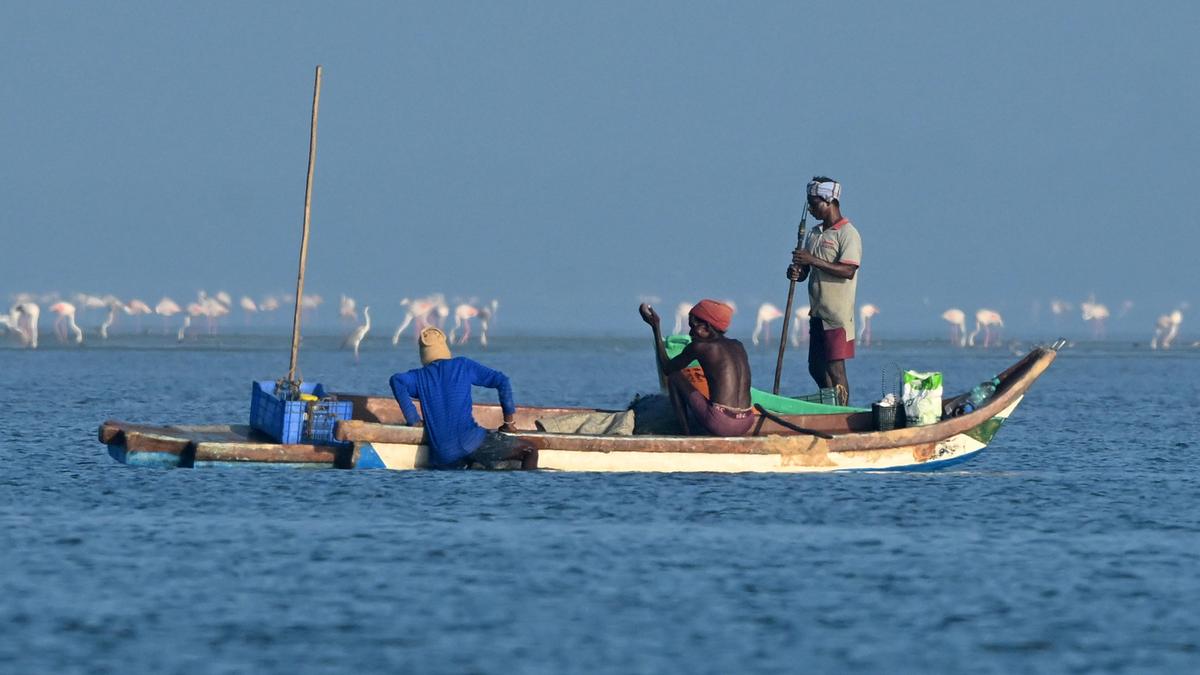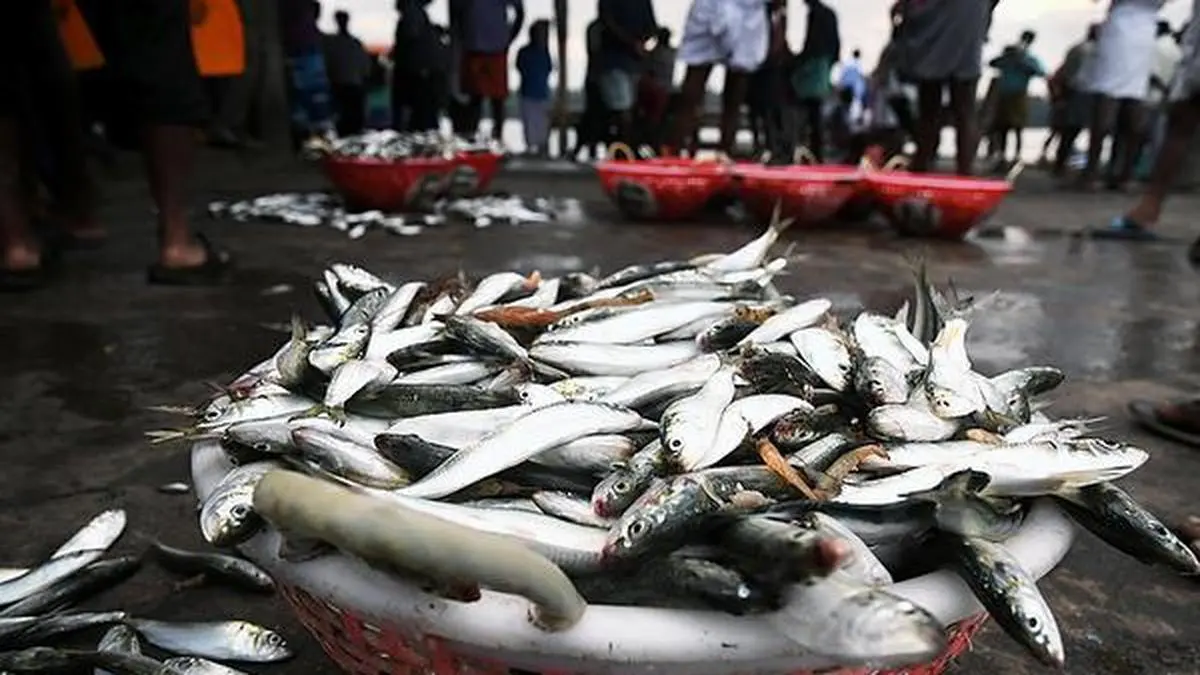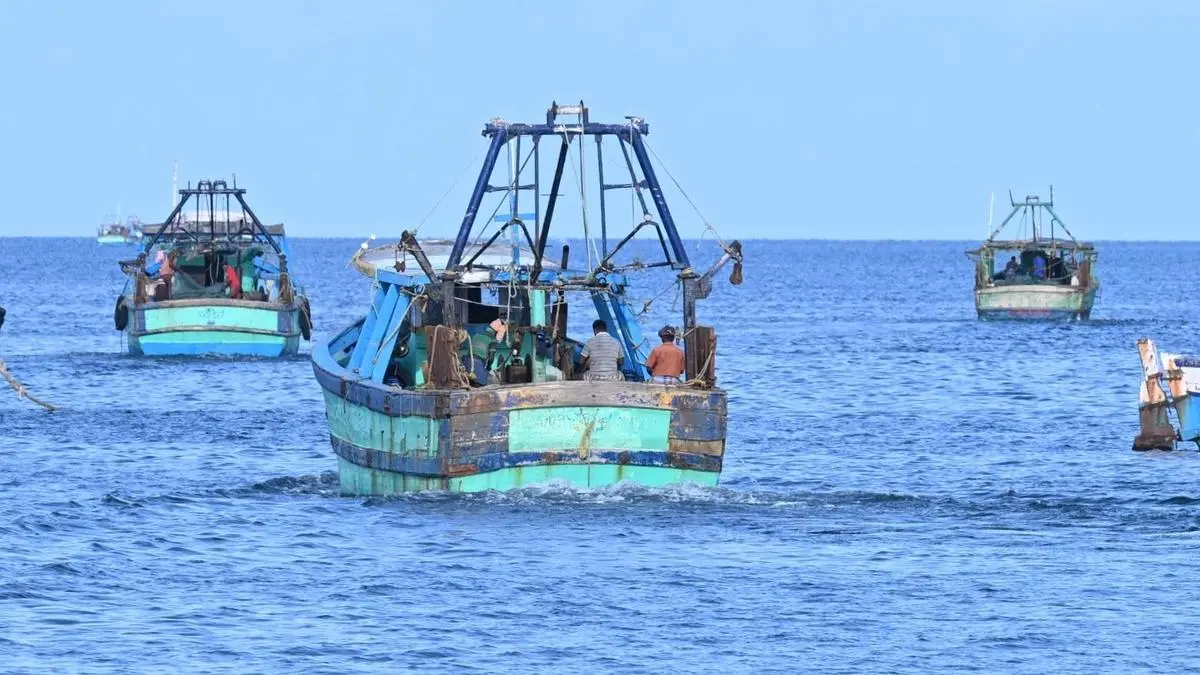
Indian fishery subsidies amount to only around $15 per fisher per year
| Photo Credit:
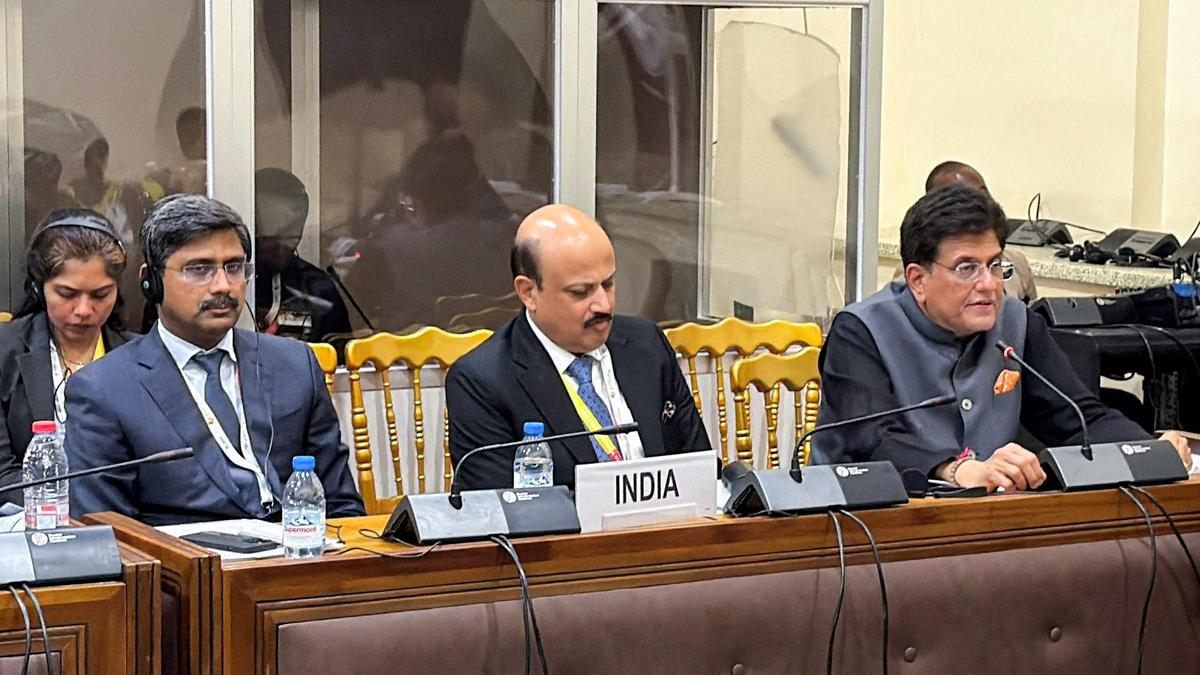
India left the WTO’s 14th Ministerial Conference in Yaoundé (capital of Cameroon, Africa) last month with a policy argument that is intellectually compelling and procedurally inert. That combination is becoming a pattern in Geneva, and it is worth examining before the next ministerial arrives.The Agreement on Fishery Subsidies came into force in September 2025, a genuine multilateral achievement. But the second round of negotiations, Fish 2, which was meant to discipline the capacity-enhancing subsidies that drive overfishing, has been deferred to 2028. India, alongside the US and Indonesia, was identified as having blocked those talks. The criticism is not entirely fair. But fairness alone does not change the outcome.Commerce Minister Piyush Goyal placed one figure on the table at Yaoundé that should have commanded the room: Indian fishery subsidies amount to approximately $15 per fisher per year. Against that, the OECD’s 2025 review of fisheries support puts average spending across 41 large fishing nations at $552 per fisher for 2020–22. Among OECD members, the figure rises to $5,722. Six economies — China, Japan, the US, Canada, the European Union, and Brazil — account for 85 per cent of total global fishery support, or $10.7 billion across those three years. China alone contributes 36 per cent of that sum. India, by contrast, accounts for between 2 and 4 per cent — while supporting nine million fishermen.The structural flaw in the Fish 2 draft is that it disciplines subsidies in absolute volume terms. Under this framework, a country spending $15 per fisher and one spending $5,722 are asked to make comparable concessions. India is objecting to that mismatch, and it is right to do so. The harder question is whether the objection is being translated into a workable proposal.It should be. The real harm that Fish 2 set out to address is not the subsidy itself but what subsidies enable at sea — specifically, distant-water fishing by large industrial fleets in zones where enforcement is limited. Fuel subsidies make such operations economically viable when they would otherwise operate at a loss. The Overseas Development Institute’s 2020 study estimated China’s distant-water fleet at 16,966 vessels, roughly six times larger than Beijing’s official count of around 2,700. According to the ORF, more than 60 per cent of Chinese vessels have been associated with illegal, unreported, and unregulated (IUU) fishing globally. The 2025 IUU Fishing Index, published by Poseidon Aquatic Resource Management and the Global Initiative against Transnational Organised Crime, reached similar conclusions. An Environmental Justice Foundation investigation in 2024 documented 86 cases of illegal fishing and human rights abuses on Chinese-flagged vessels in the Southwest Indian Ocean between 2017 and 2023. The absolute-volume rule that Fish 2 proposes is not calibrated to address any of this.India arrived at Yaoundé with a proposal that, on paper, addressed the problem directly. Three of its four demands reprised earlier positions: a 25-year transition period for developing countries, a permanent carve-out for small-scale and artisanal fishers, and stronger disciplines on industrial distant-water fleets. The fourth was new and substantive. India proposed that subsidy disciplines be measured not by total spending but by per-capita intensity; i.e., by expenditure per fisher rather than aggregate outlay. Under this metric, the fleet doing the most damage would face the heaviest adjustment burden. The structural logic is sound. The fleet most responsible for depleting global fish stocks is precisely the one that spends most per vessel and per fisher.Gaps that need to be closedThree gaps need to be closed before MC15 if the proposal is to move from a negotiating position to a draft text. First, the per-capita intensity framework exists only in India’s statements, not in any working document or chair’s text in Geneva. Second, India’s broader package conflates two distinct demands — a permanent exemption for small-scale fishers, which is defensible and enjoys support, and a 25-year transition period for all developing-country subsidies, which is much harder to sustain in multilateral negotiations. Separating the two would sharpen the ask. Third, and most consequentially, India has not submitted the subsidy disclosure that the agreement requires. The gap between $15 and $5,722 per fisher is, at present, a rhetorical figure rather than a verified number to anchor a negotiating position.The absence of disclosure is not a technicality. Countries that have not notified their subsidy regimes are not well-positioned to demand that others restructure theirs. The asymmetry that India is objecting to, where large subsidisers face lighter discipline than the per-capita framework would impose, is real and significant. But asymmetry in argument does not translate into leverage in a rules-based forum unless it is backed by procedural standing.Yaoundé has left India in an unusual position. It holds the most defensible case among developing-country members for differentiated treatment in fisheries subsidies. It also has the smallest procedural footprint in advancing that case. The per-capita intensity proposal, if formalised and paired with India’s own disclosure, would shift the burden of adjustment onto the largest subsidisers — which is precisely why it has not appeared in any chair’s draft to date. The question for Indian trade negotiators before MC15 is whether they intend to change that calculus, or to continue making the argument without making the move.The writers are, respectively, Associate Professor and Doctoral Student at IIM Indore. The views expressed are personalPublished on May 26, 2026