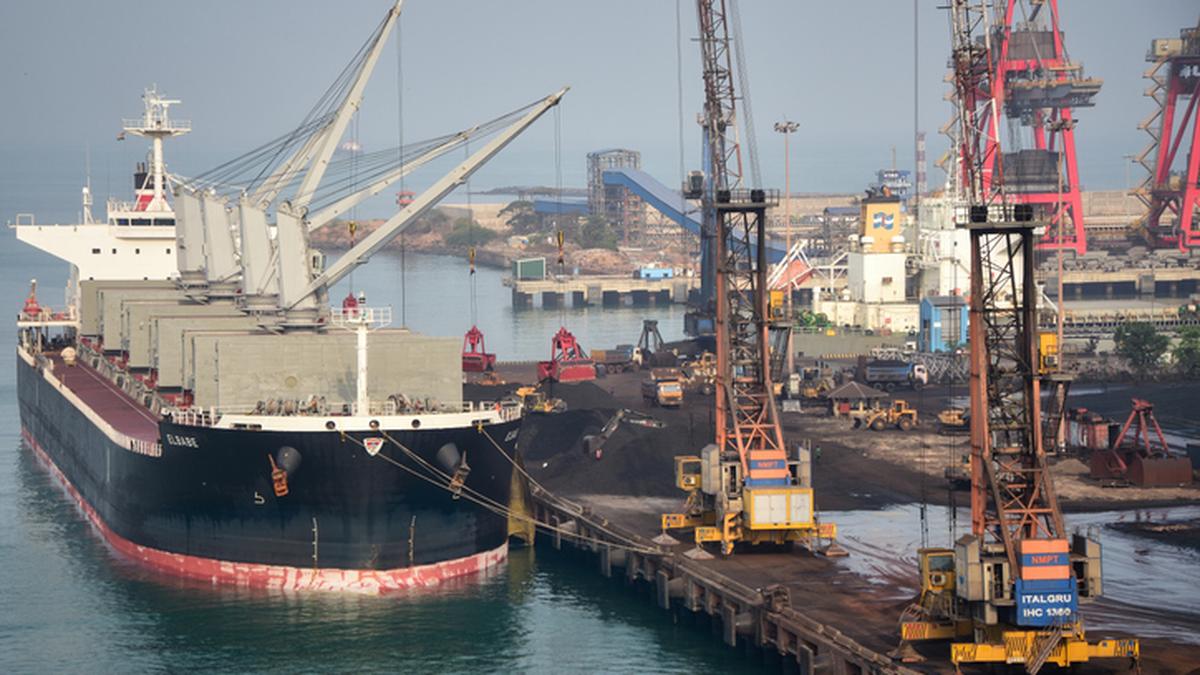
Data from recent financial years show that exports have increased, but the trade deficit continues. Ministry of Commerce data shows that between FY25 and FY26, India’s cumulative exports grew at 4.22 percent. Imports rose faster, at 6.47 percent.The trade deficit, as a result, widened from $94.66 billion to $119.30 billion. This highlights continued import dependence.
Also Read: Modi’s political boom is drowning out India’s economic gloom
Opening up the economy, but selectively
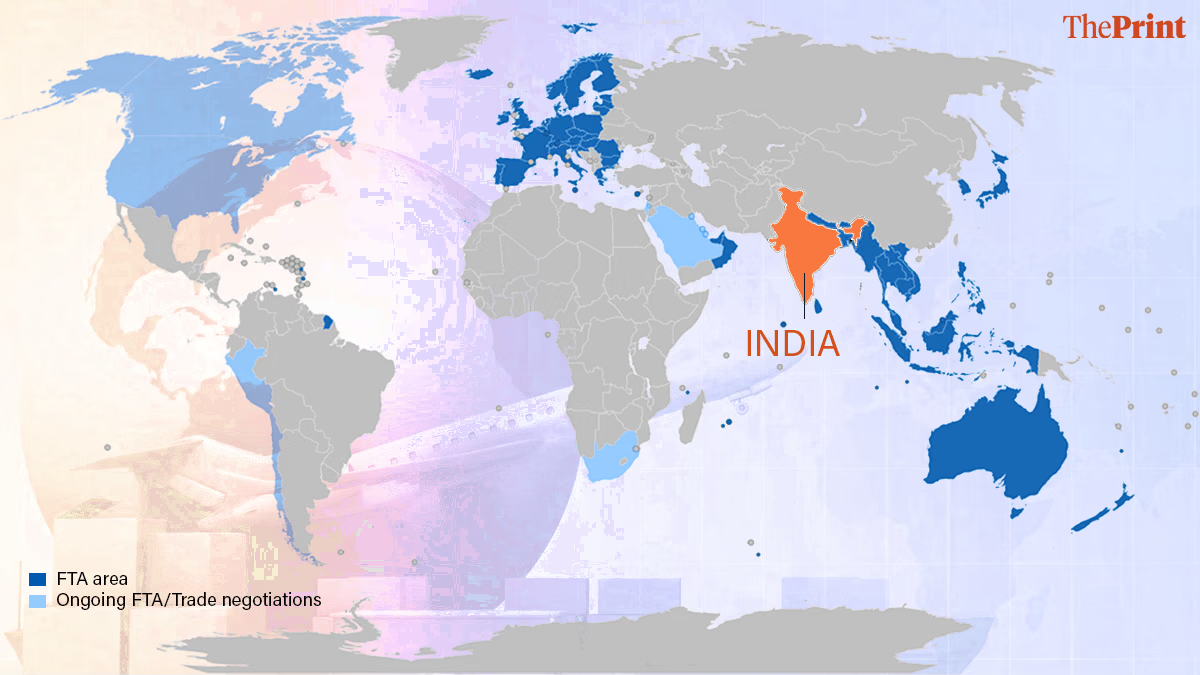
Not all trade deals are FTAs. ‘Trade deal’ is an umbrella term with its coverage ranging from limited tariff concessions to deeper economic partnerships.FTAs are legally binding agreements between two or more countries that reduce or eliminate tariffs and quotas across different sectors. They grant preferential access to boost exports, investments, and economic integration.Under FTAs, countries can protect sensitive sectors, impose rules of origin, regulate services, and set up investment rules. In practice, FTA negotiations revolve around which sectors open up, as well as to what extent.India has always approached FTAs cautiously.For decades after Independence, it followed an inward-looking economic model built around import substitution, high tariffs, and protection for the domestic industry.Even after liberalisation in 1991, the government remained wary about opening sectors such as agriculture and dairy. That caution continues.Agriculture remains politically sensitive because millions of Indians depend on farming for their livelihoods.Dairy is even more protected. India is the world’s largest milk producer, and farmer groups have repeatedly warned that cheaper foreign imports could hurt small producers.Concerns over rising Chinese imports and widening trade deficits contributed to India’s withdrawal from the Regional Comprehensive Economic Partnership (RCEP) in 2019. The fear was that domestic manufacturing would be overwhelmed by cheaper Chinese goods.So, while India is signing more FTAs, it is still practising what economists often call “calibrated protectionism”. It means opening up selectively, while shielding vulnerable sectors.From initial scepticism to an FTA boom