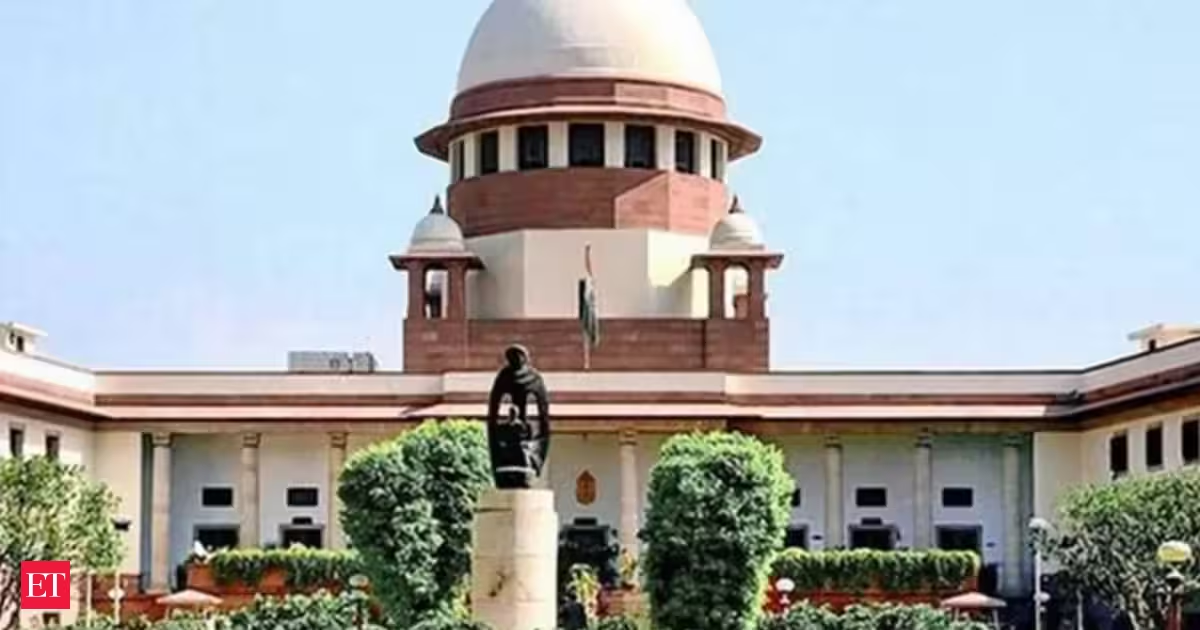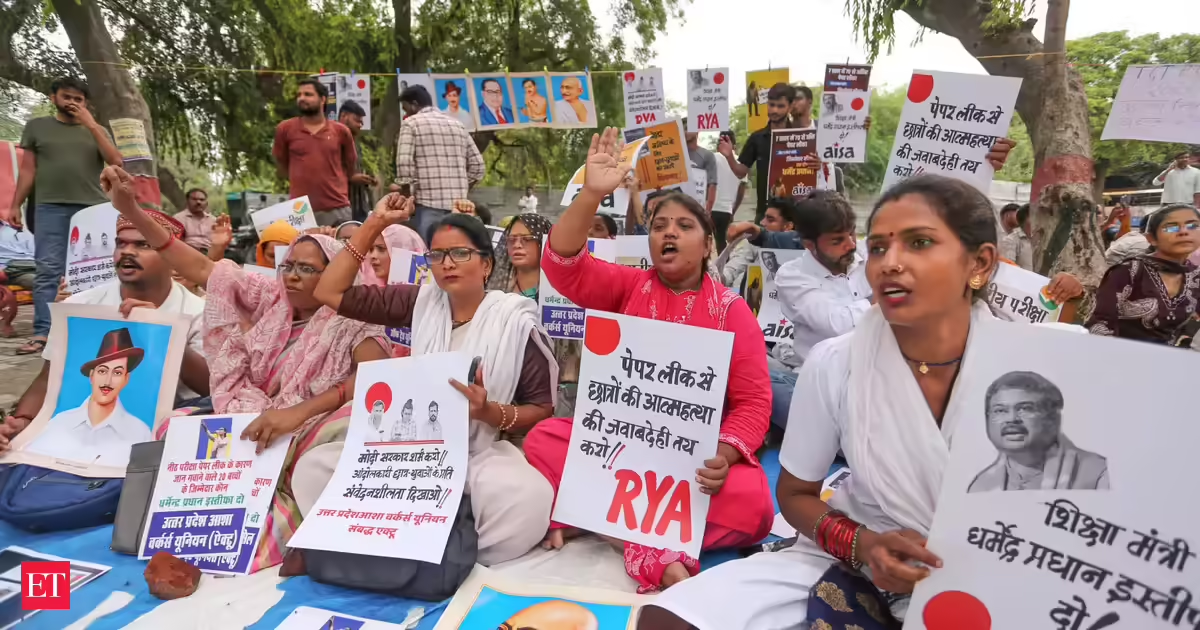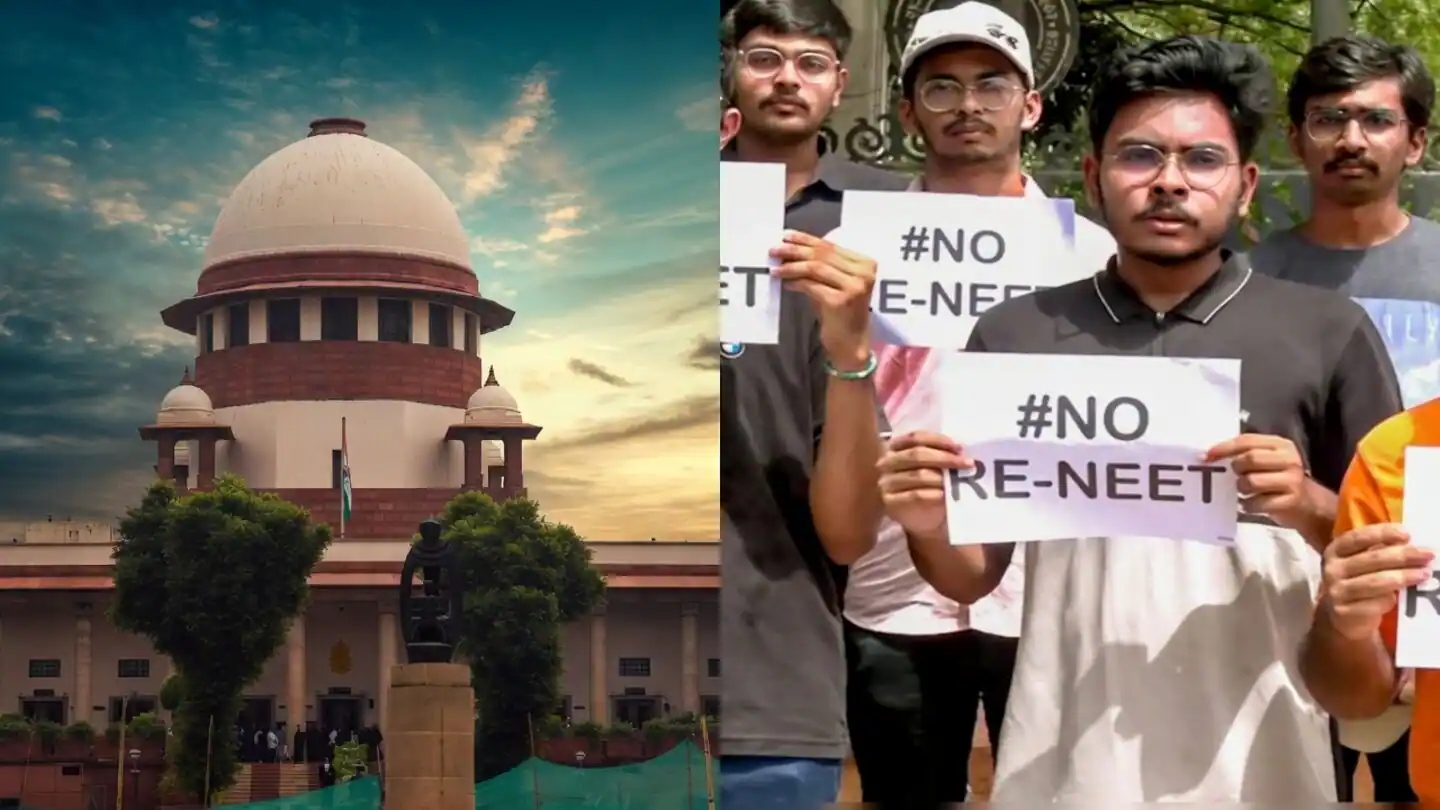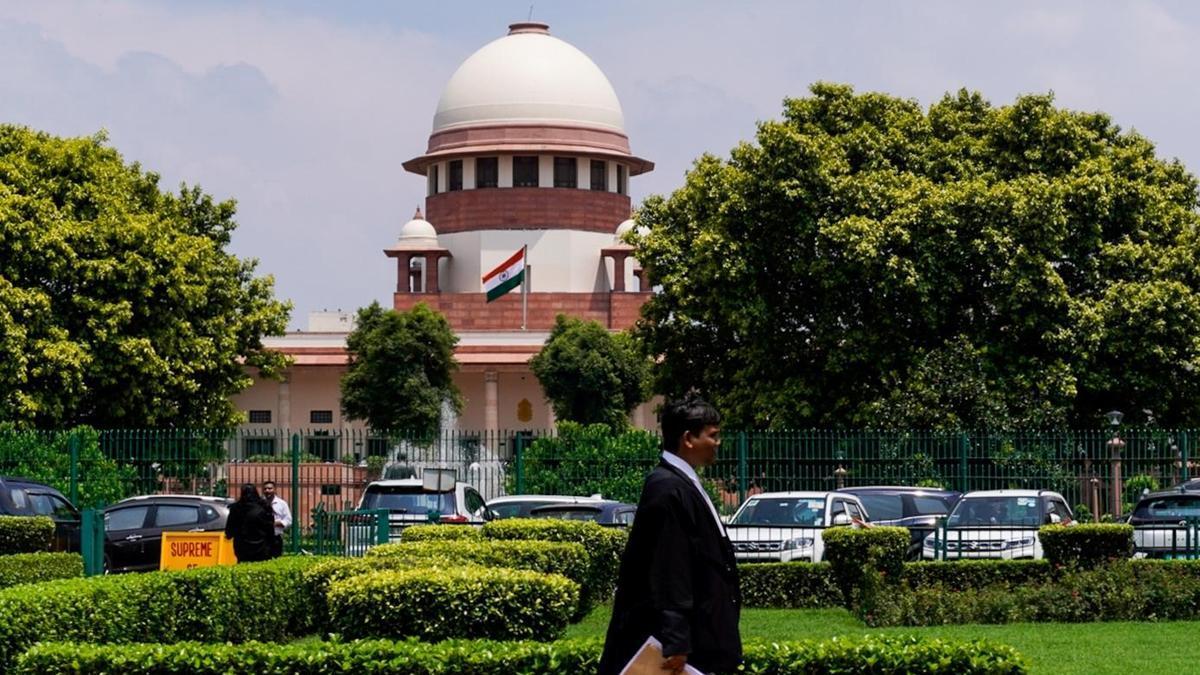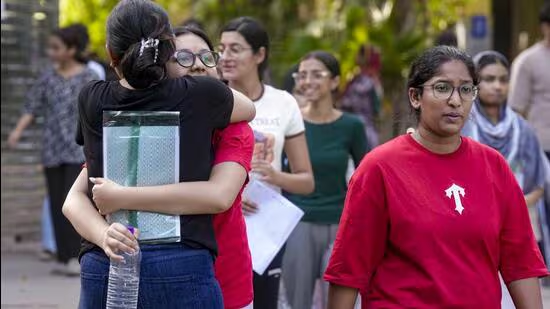
The Supreme Court on Friday told the Centre that it will closely monitor the steps taken to curb NEET examination paper leaks, while underlining that ad hocism has caused trouble for years.A bench of Justices P S Narasimha and Alok Aradhe, which was hearing a batch of petitions, including one by the Federation of All India Medical Association (FAIMA), told Solicitor General Tushar Mehta that the government should indicate the steps taken towards transparency, implementation of recommendations of the Radhakrishnan Committee and how the IIT model would be followed.The seven-member Radhakrishnan Committee was set up by the Ministry of Education in the wake of the NEET-UG paper leak to make recommendations on reforms in the examination process, improvement in data security protocols and the structure and functioning of the National Testing Agency (NTA).One of the pleas sought a direction to replace or restructure the NTA, which is responsible for conducting NEET-UG, with a robust and autonomous body to conduct the medical entrance examination.Mehta said there are some developments and the government will file a detailed report on a comprehensive overhaul of the examination process, which may be beyond the recommendations of the Radhakrishnan Committee."Students' futures can't be jeopardised. We are going beyond the Radhakrishnan Committee. I assure you that the government is walking 10 extra miles. I can assure you everything is being supervised at the highest level," Mehta submitted.He added that two years back, a similar issue arose and right from printing to transportation, everything was explained to the court.The bench said the government deployed the Indian Air Force to transport question papers for the NEET-UG retest, but all these measures are ad hoc."Ad hocism has troubled us for years," Justice Narasimha said, while pointing out that the court will ensure that "institutionalisation of the examination process takes place to avoid a repeat of paper leaks".While asking the Centre and the NTA to file detailed affidavits, the bench said that the government has earlier informed the court that IITs will have a role, but it has not been explained.Advocate Tanvi Dubey, appearing for FAIMA, sought a detailed blueprint of the SOP concerning the computer-based test (CBT) model that will be implemented by the NTA for the NEET-UG examination from next year.Dubey further submitted that the petitioners have prepared a slew of suggestions concerning the examination in light of the fact that the exam will shift to the CBT model next year.She pointed out that since 22 lakh students will be writing the exam in the CBT mode, it is important that a blueprint of the SOP is provided before the conduct of the examination, depicting how the government plans to conduct all three stages.Dubey urged that demo test papers be provided to students well before the exam so they are well acquainted with the CBT structure of the exam.Posting the matter to August 3, the court said it will monitor everything closely and follow it up throughout the year."We will see that complete and total institutionalisation takes place," the bench said.On May 29, the top court stressed that the real problem relating to the medical entrance examination National Eligibility cum Entrance Test (Undergraduate) or NEET-UG would not stop until "actual accountability arises".Mehta had submitted that the government was seriously concerned about the youths and Prime Minister Narendra Modi was personally supervising the situation so that "there is no lacunae".The bench had noted that Dr K Radhakrishnan, former ISRO chairman working in honorary capacity as the chairman of the high-powered steering committee on NTA reforms, had also filed an affidavit indicating the implementation of the recommendations of the committee and the future course of action.On May 12, the NTA cancelled NEET-UG held on May 3, amid allegations of paper leak. The retest was held on June 21.The paper leak allegations are under investigation by the Central Bureau of Investigation.After questions of NEET-UG were allegedly leaked in 2024, the top court had refused to cancel the test, but passed various directions aimed at tackling paper leaks and also a criterion for cancelling public exams.Published on July 24, 2026
Will monitor steps taken to curb NEET paper leaks: SC
Supreme Court to monitor government's measures against NEET paper leaks, emphasizing the need for transparency and institutional reforms.
677 words~3 min read