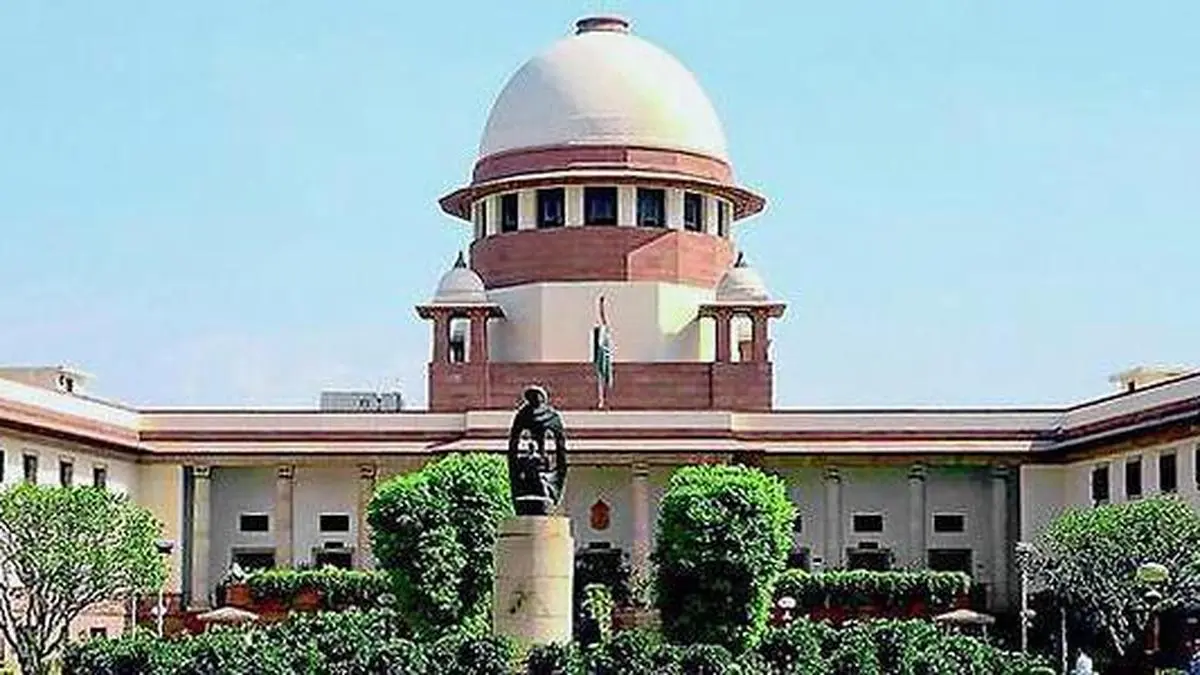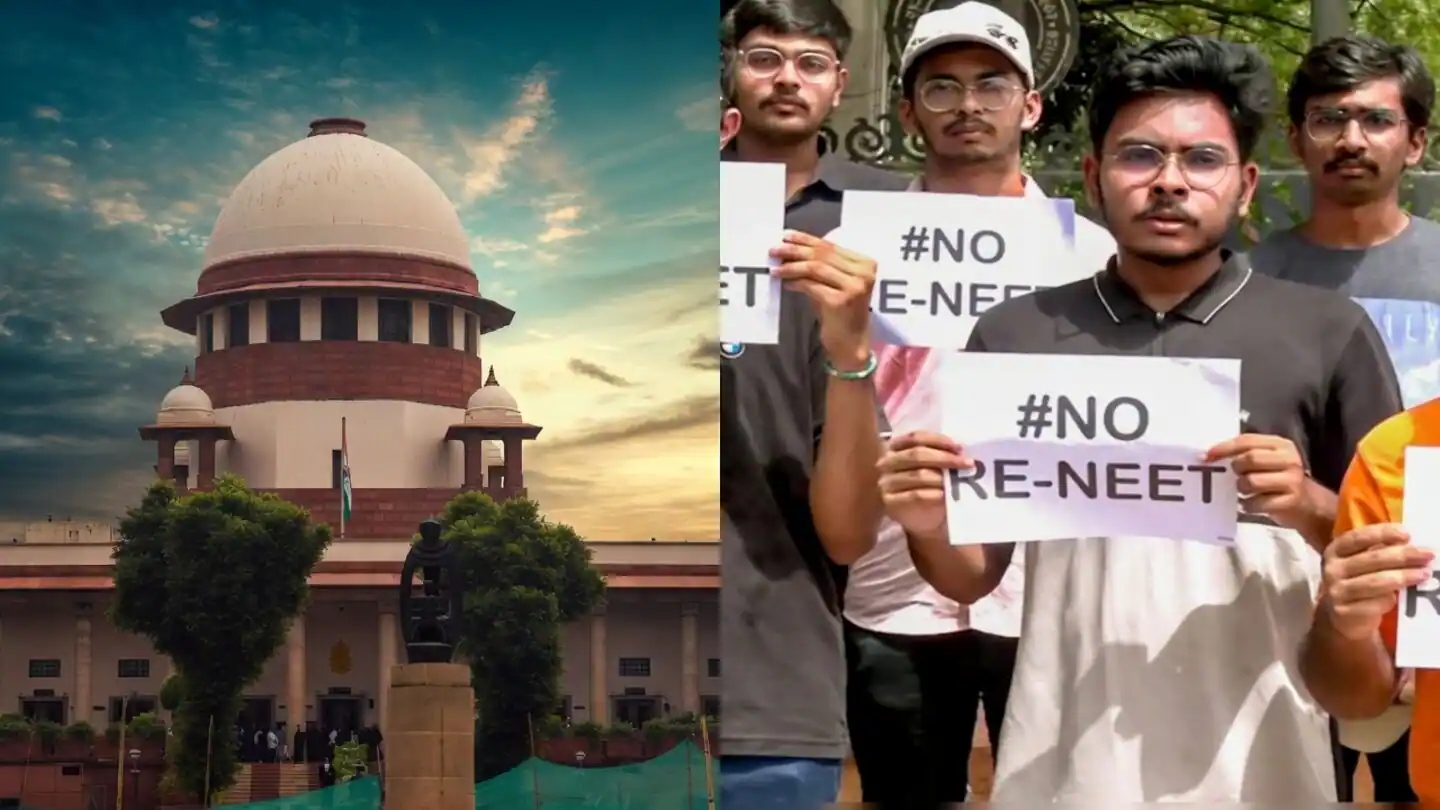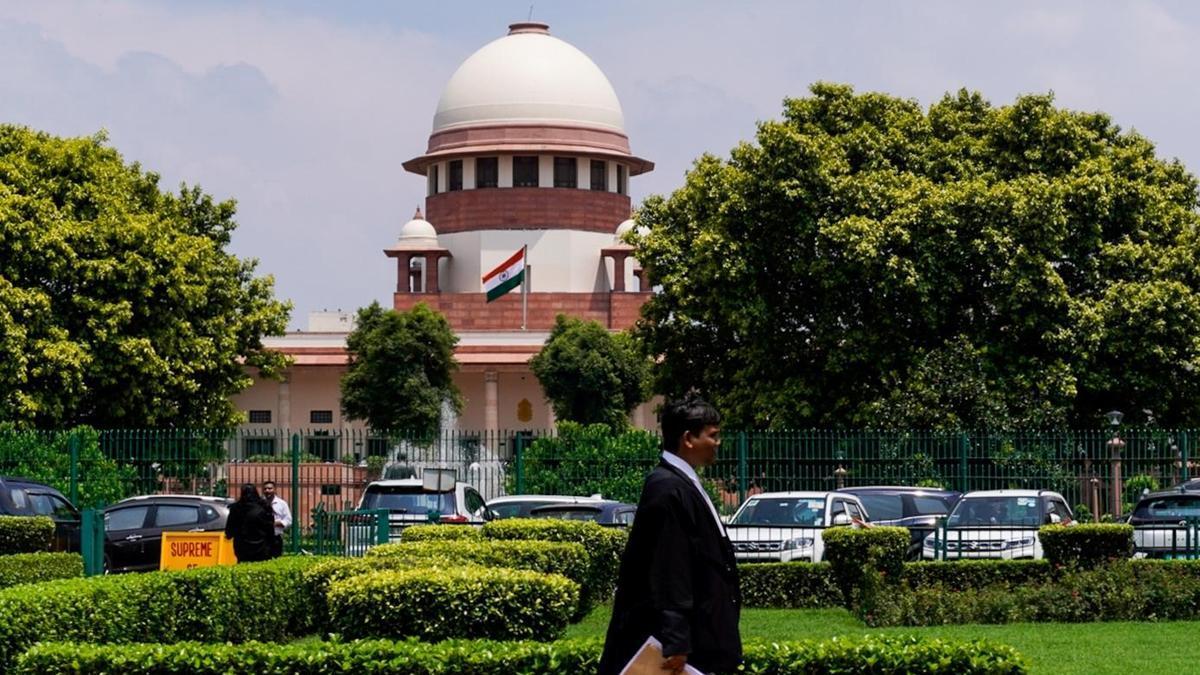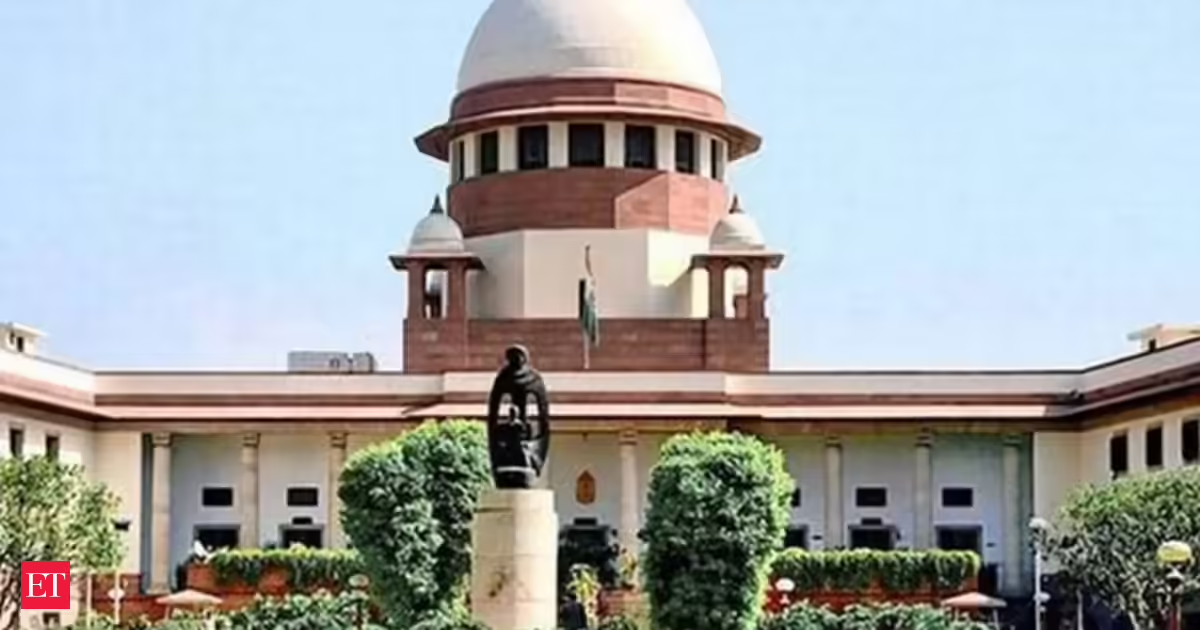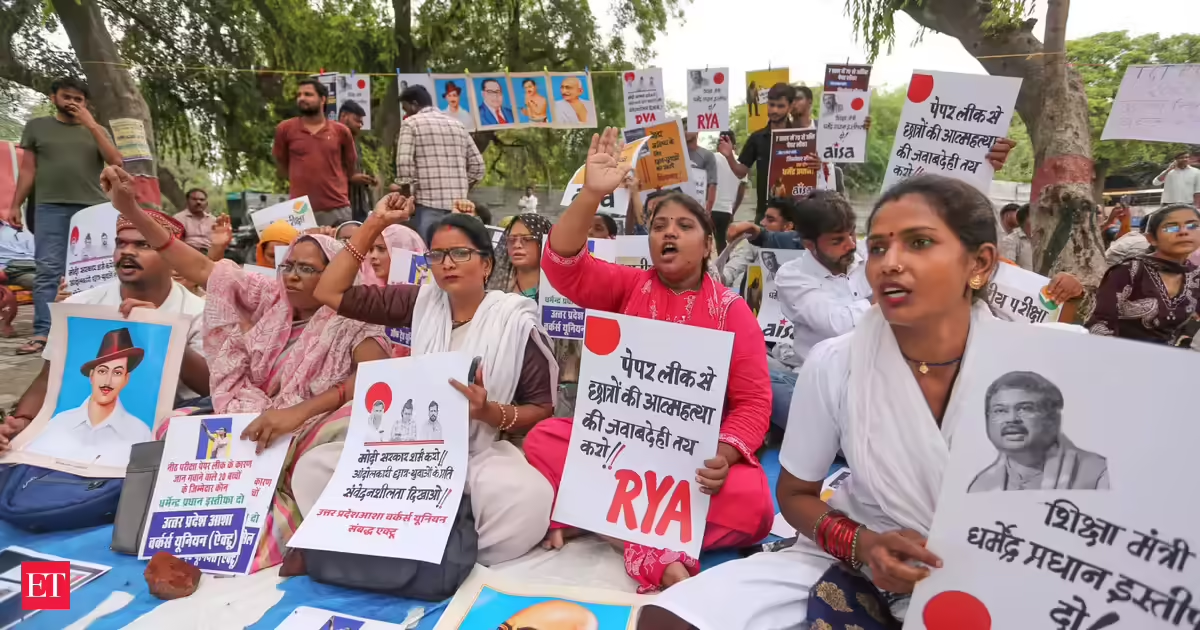
The Supreme Court on Friday said it will monitor the Centre's efforts to prevent question paper leaks in the National Eligibility-cum-Entrance Test (NEET), while stressing that years of "ad hocism" in conducting the country's biggest medical entrance exam must end.The observations came after the Centre informed the court that it has introduced several stringent measures to secure the examination process and is willing to go "10 extra miles" to address concerns raised by students.Solicitor General Tushar Mehta, appearing for the Centre, told the bench that "everything is being done under the supervision of the highest executive level" to curb paper leaks and restore confidence in the examination system.CJP Protests: Catch all live updates hereTaking note of the government's submissions, the Supreme Court said it would keep a watch on the implementation of the proposed reforms. Referring to the temporary measures adopted for the current examination cycle, the court observed that "ad hocism has troubled for years" and underlined the need for long-term structural changes.The bench also said it expects the government to put in place robust cyber security and data protection safeguards as the National Testing Agency (NTA) plans to conduct NEET-UG in a computer-based test (CBT) mode from next year.The hearing is part of a series of petitions before the apex court following the NEET-UG 2026 paper leak controversy, which has triggered nationwide protests by the youth and renewed scrutiny of the NTA's examination processes.Also Read: CJP founder Abhijeet Dipke says party members may be arrested tonight amid Jantar Mantar protestThe Supreme Court's observations came a day after Prime Minister Narendra Modi broke his silence on the NEET paper leak controversy, calling exam leaks "no ordinary matter" and assuring students that the government would act firmly against those responsible. In a video message, Modi said protecting the future of young people was the government's top priority and announced measures including fast-track courts, stricter punishment for offenders and stronger safeguards to prevent future leaks. Earlier this year, the Supreme Court had pulled up the testing agency, observing that it appeared not to have learnt lessons from previous controversies while seeking details of reforms being undertaken.The NTA has since proposed sweeping changes, including enhanced surveillance at examination centres, mock drills, stronger security protocols and a gradual shift to computer-based testing for NEET-UG. The move is expected to mirror the model used for JEE Main, which experts believe could significantly reduce the risk of paper leaks while improving exam security.The Centre is also considering strengthening the Public Examinations (Prevention of Unfair Means) Act by increasing jail terms for offenders and setting up fast-track courts to deal with paper leak cases, as part of a broader crackdown on examination malpractice.
'We'll go 10 extra miles': Centre to SC on NEET leaks as top court to monitor govt's steps
The Supreme Court will monitor the Centre's efforts to prevent NEET paper leaks. Stringent measures are being introduced to secure the examination process. The court stressed that years of ad hocism in conducting the exam must end. Robust cyber security safeguards are expected for future computer-based tests. The government is also strengthening the Public Examinations Act to curb malpractice.
447 words~2 min read