July 24th, 2026
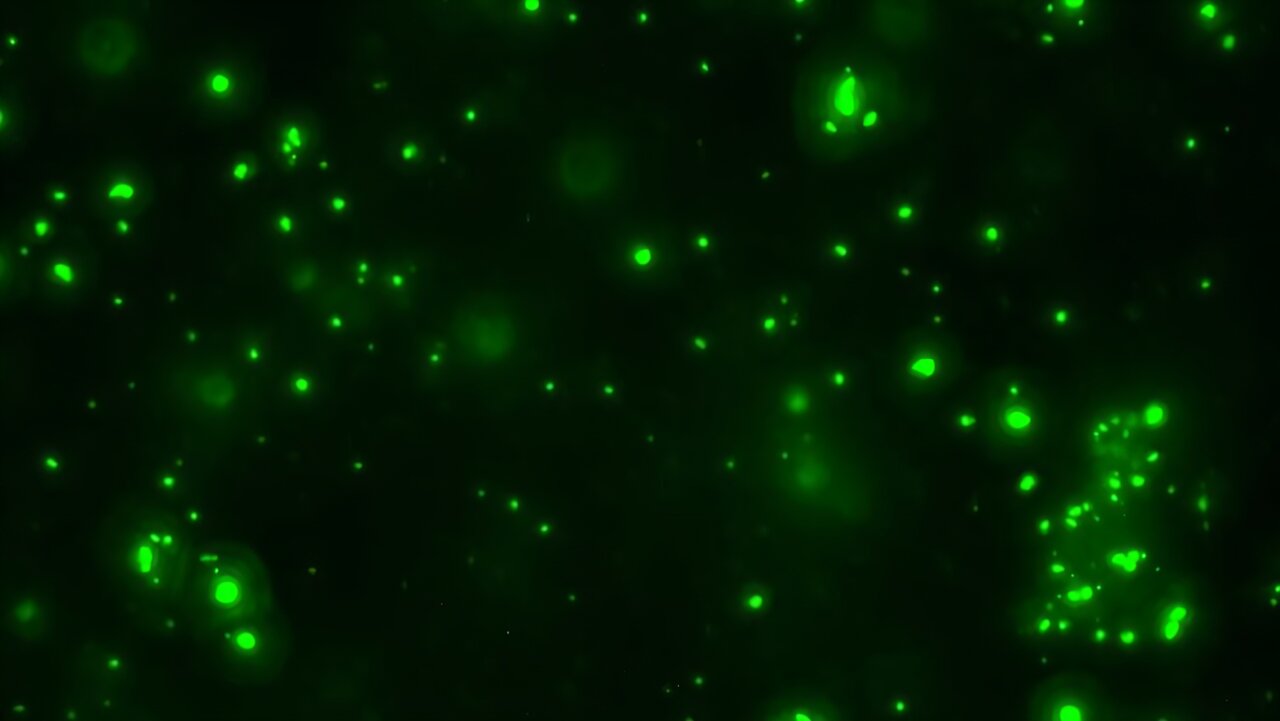
One of the hallmarks of dysfunctional lipid metabolism in the brain the context of age-related neurodegenerative disease is an increase in lipid droplets in brain cells. This is seen in a number of different neurodegenerative conditions. Evidence suggests lipid metabolism dysfunction to be involved in the inflammatory behavior of the innate immune cells known as microglia, thought to be an important contributing cause of neurodegeneration. Here, researchers provide evidence for lipid droplet formation to be associated with cellular senescence, a state in which cells cease to replicate and secrete inflammatory signals. Senescent cells are not cleared efficiently in aged tissues, and their numbers grow to disrupt tissue structure and function. It is already known that some fraction of overly inflammatory microglia in the aging brain are senescent; it remains to be seen as to the degree to which lipid metabolism dysfunction contributes to the burden of cellular senescence or vice versa.
Senescent cells (SnCs) are growth-arrested yet remain metabolically active and undergo extensive reprogramming to support their survival and the Senescence-Associated Secretory Phenotype (SASP). SnCs undergo key metabolic changes, including increased glycolysis, altered mitochondrial function and dysregulated lipid metabolism. While these metabolic changes are increasingly recognized, a comprehensive understanding of how they contribute to the pathophysiological effects of SnCs is still lacking.