As reported by Reuters, Thailand is currently reviewing a 24-billion-baht EV adoption programme. Potential measures under discussion include subsidies, low-interest loans and tax incentives. The purchase of pickups is also expected to be included. Details such as subsidy amounts, specific vehicle classes and a potential start date have yet to be announced.
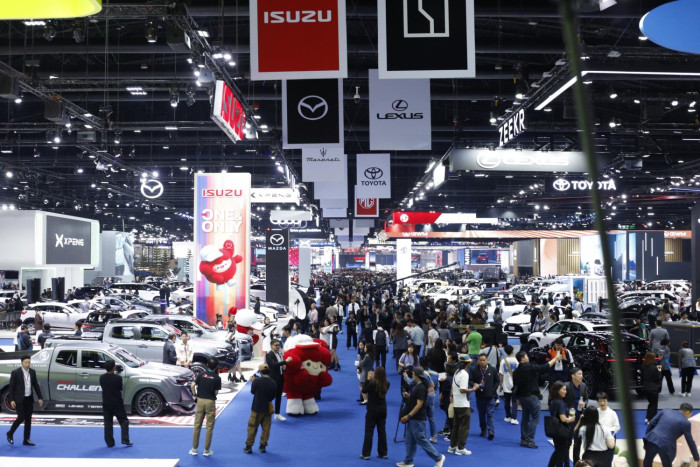
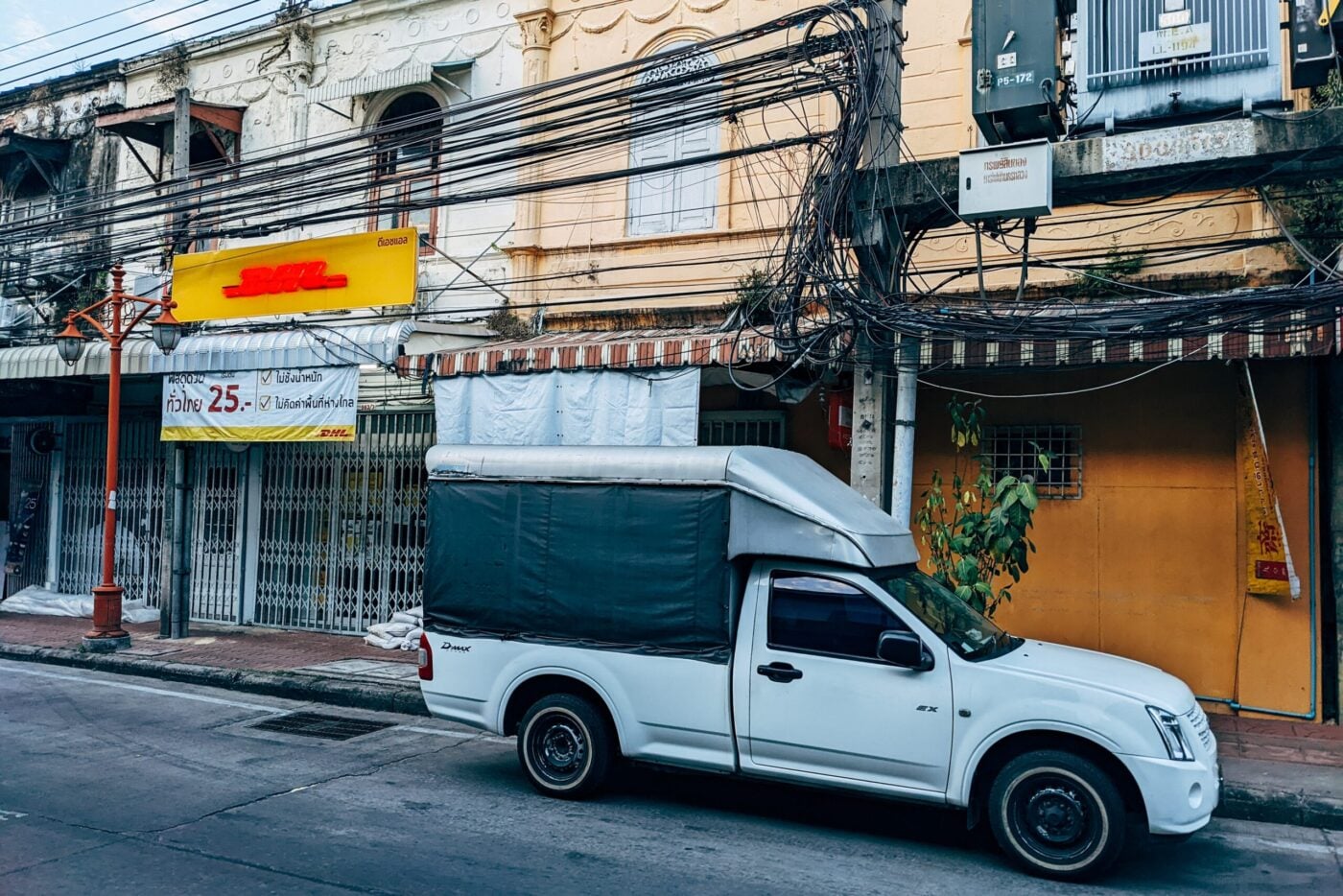
Through this programme, Thailand aims not only to accelerate the electrification of its vehicle fleet but also to support its domestic automotive industry. The country is the largest automotive production hub in Southeast Asia but has recently struggled with weak domestic demand. High household debt and stricter lending practices are particularly affecting the pickup market, which is of significant importance to Thailand.
The government is therefore considering expanding the measures beyond the replacement of the initially planned 80,000 older vehicles to include additional electric vehicle purchases. Such a step could significantly increase the programme’s impact but would also require correspondingly higher funding.
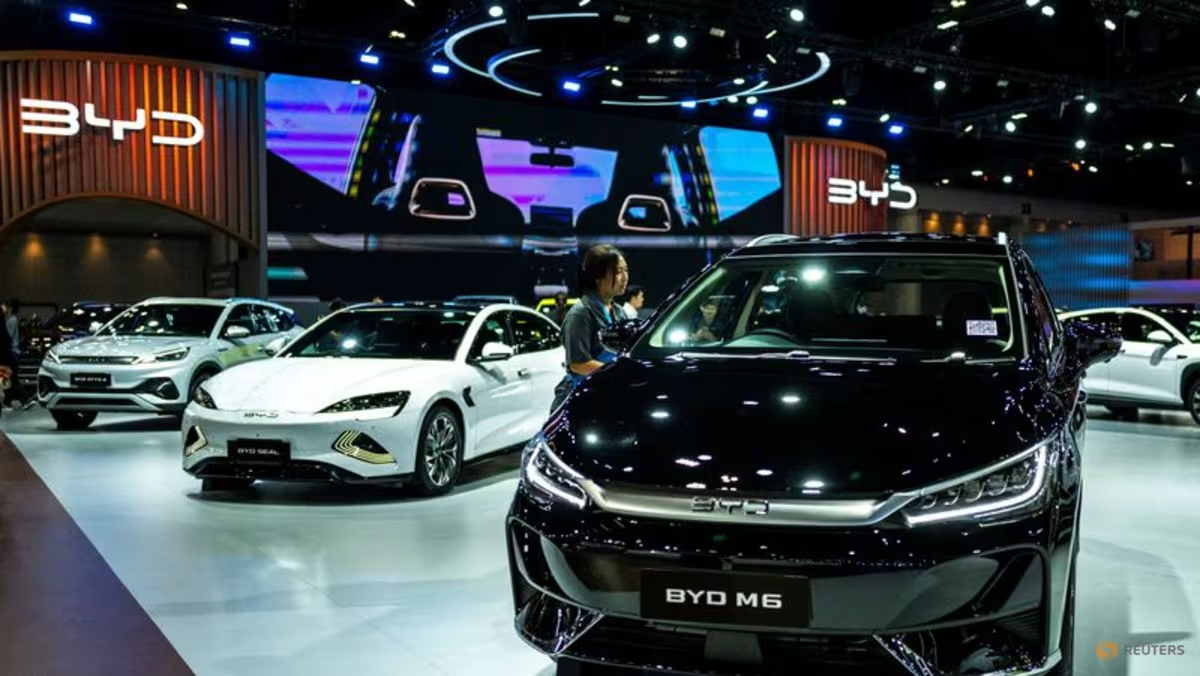
Thailand’s EV market has recently gained considerable momentum. According to the Thai Industrial Federation (FTI), a total of 120,301 battery-electric vehicles were sold in 2025 – an 80 per cent increase over the previous year. BEVs thus accounted for 19.4 per cent of the total market of 621,166 vehicles. Domestic production saw even stronger growth: in 2025, Thailand manufactured 70,914 all-electric cars, more than six times the number produced the year before. This surge is partly driven by new production capacities established by Chinese manufacturers. BYD has been producing in the country since 2024, while Changan opened a plant in 2025. As production ramps up, Thailand has also begun exporting locally produced electric vehicles.