Audio By Vocalize
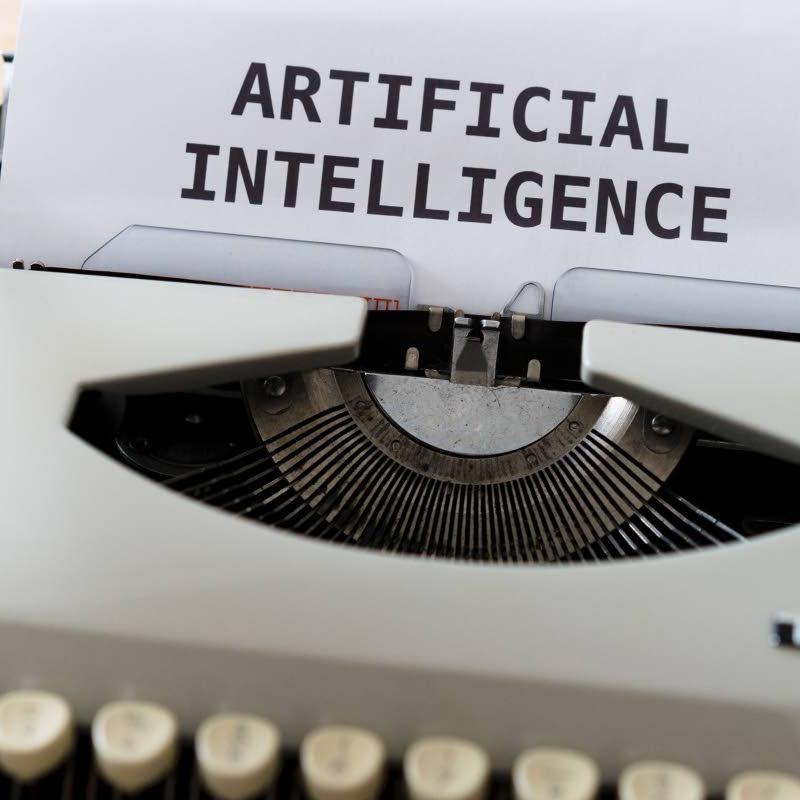
For decades, a ‘good education’ in Kenya was measured by a student's ability to retain vast amounts of information and reproduce it accurately under exam pressure. However, the rise of advanced technologies such as artificial intelligence has disrupted this model.
With generative AI and search engines making information instantly accessible, memorisation has lost its economic premium. In a world where a chatbot can draft an essay or solve an equation in seconds, the more valuable human capability has become knowing how to question, evaluate, interpret, and apply that information responsibly.
This shift matches what modern employers are actively looking for. According to the World Economic Forum’s Future of Jobs Report, analytical thinking has become the single most essential core skill employers are looking for when recruiting staff today.
The report also highlights that skills like technological literacy, creative thinking, resilience, adaptability, and lifelong learning will rapidly grow in importance towards 2030. Parents are seeing that technology is changing faster than traditional career pathways. For them, choosing a school is no longer simply about examination results, but about the kind of person their child becomes in terms of whether they can communicate confidently, solve unfamiliar problems and work with people from different backgrounds.