Story audio is generated using AI
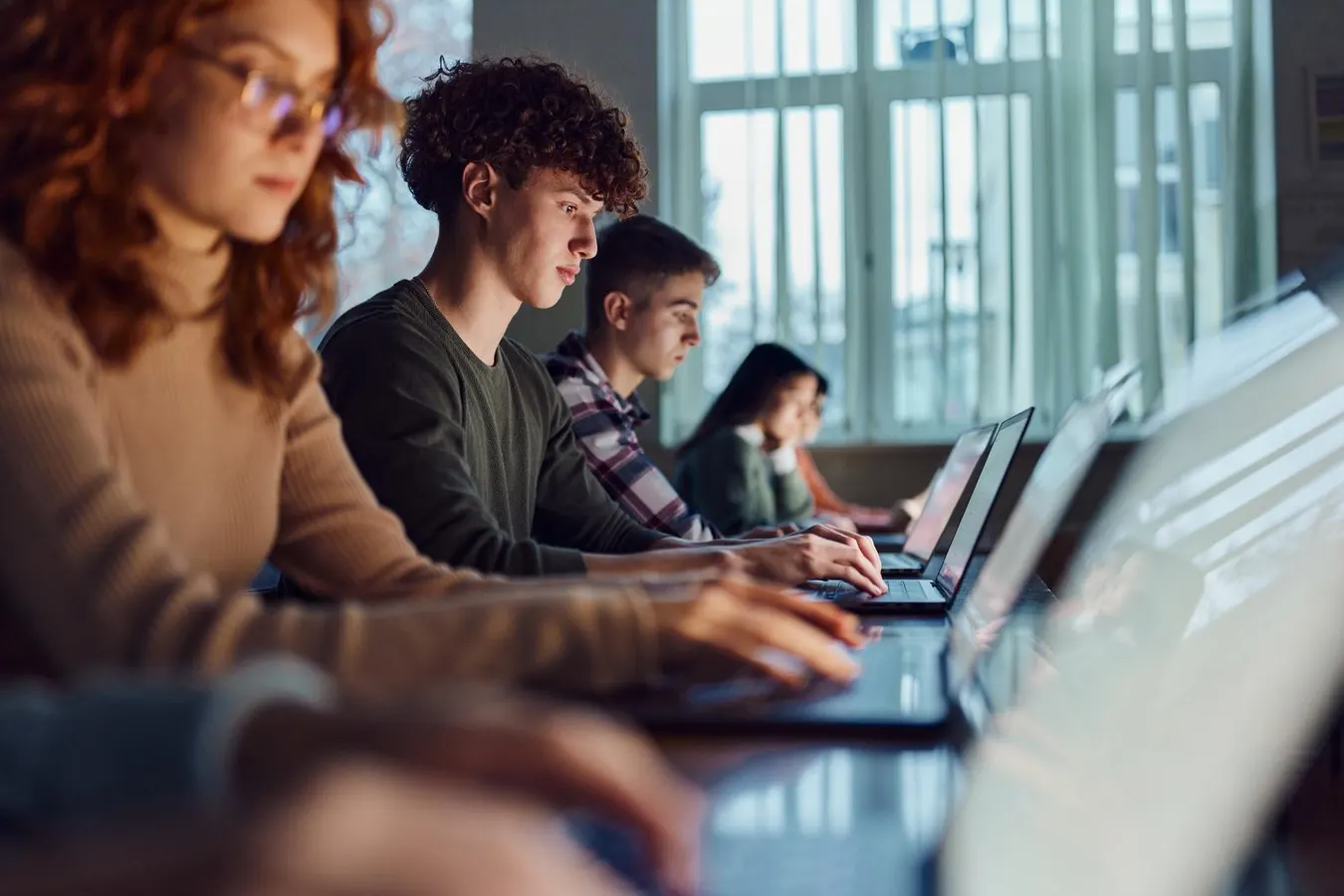
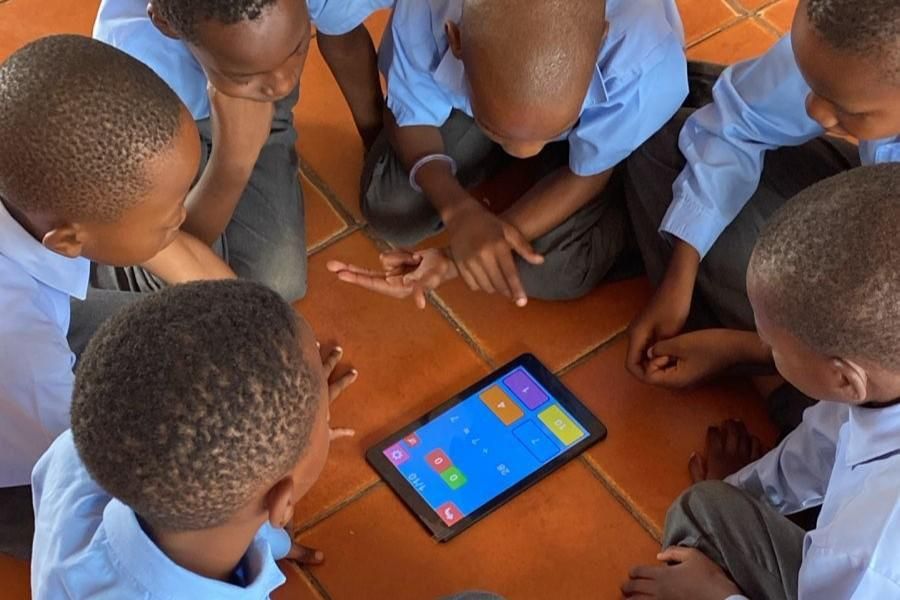
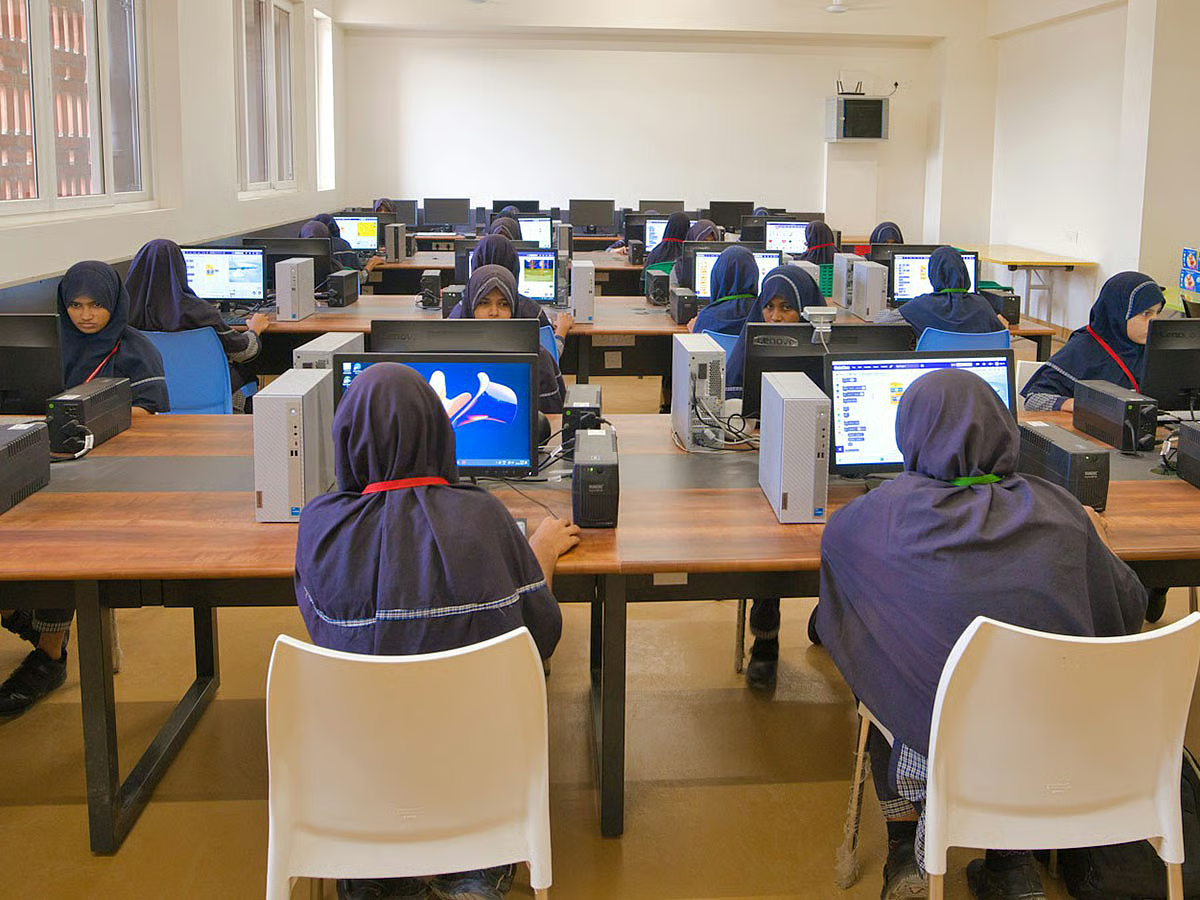
Since the late 1800s, children have been taught in rows so that teachers could handle classes that increased exponentially and prepare them for the routine of industrial-era factory work. Despite huge leaps in technology ― and regardless of what we collectively experienced during Covid-19 ― very little has changed.Technology has long played a part in education. The chalkboard appeared in 1890, the pencil became widespread a decade later, followed by radio a century ago, the overhead projector in 1930 and the photocopier in the late 1960s. The computer arrived in the 1980s and mobile devices have since made it possible for learners to access content anytime, anywhere.Covid-19 moved everything online almost overnight. Technologies that might have taken years to adopt became mainstream in months, normalising digital learning for teachers and students.It was not a perfect system, as many children were left behind due to unequal access to technology, and the solutions implemented as part of lockdown were not systems that were designed to teach foundational skills remotely. But it challenged the production-line model of learning. Students had to manage their own schedules, learn independently, find information themselves and develop digital skills. And then most of them went back to sitting in rows.What the pandemic birthed was a rapid expansion of online schooling ― new schools, new teaching models ― that showed learning can be interactive, engaging and creative. Children who are engaged with subject matter are more motivated and retain more. Research backs this up and it is something I experienced first-hand when I previously developed foundation phase coding and robotics textbooks that integrated play into lesson plans.Young children learn better through play because it fosters natural curiosity and actively engages the brain. When learners explore and discover through guided play, outcomes improve in areas such as mathematics and problem-solving.One technique I have used was drafting age-appropriate stories containing algorithms, which learners in grades one to seven had to decode to find the hidden Easter egg. One group exceeded my expectations entirely as they looked up the spelling of words and then created their own stories around their algorithms rather than simply inserting them.That is higher-order thinking, not just reading, and the kind of outcome that static, chalk-and-talk teaching rarely produces.This kind of interactive, technology-enabled learning is not out of reach in South Africa. About 80% of public schools now have internet connectivity and national penetration is almost 75%.Almost two-thirds of children in grades four to 11 owned a phone or tablet by age 10 another survey found, while a 2025 study of adolescents found that almost all participants had smartphones.This kind of interactive, technology-enabled learning is not out of reach in South Africa. About 80% of public schools now have internet connectivity and national penetration is almost 75%.That is not just a connectivity statistic but rather the base for making genuinely personalised, interactive learning a realistic prospect rather than an aspiration. The devices are already in learners’ hands. The question is whether we use that fact deliberately or continue to confiscate phones at the classroom door.A thoughtful focus on using the tools at hand creates a good opportunity to head off another potential divide: that of children not being promptly literate and knowing how to communicate with the AI tools that will become the bedrock of not just the future world of work but also learning.A child who leaves school without these instincts will be at a disadvantage across almost every sector. Some learners are developing them informally, through curiosity and access. Others are not, and without structured guidance that gap will widen along the same lines as every other inequality in our system.Realising that opportunity requires deliberate, planned implementation ― starting with teachers. Active learning is not just about empowering learners; it requires skilled educators who are confident with these tools ― because teachers who aren’t will inadvertently suppress their use, however good their intentions.Technology used without intention produces little of value. Used correctly, from foundation level, it builds the skills that bridge divides and prepare children for a world in which innovation moves faster than any curriculum committee.Failing to do so is setting our children up for failure.• Labuschagne is a PhD candidate as well as lecturer and learning framework developer at Belgium Campus iTversity.