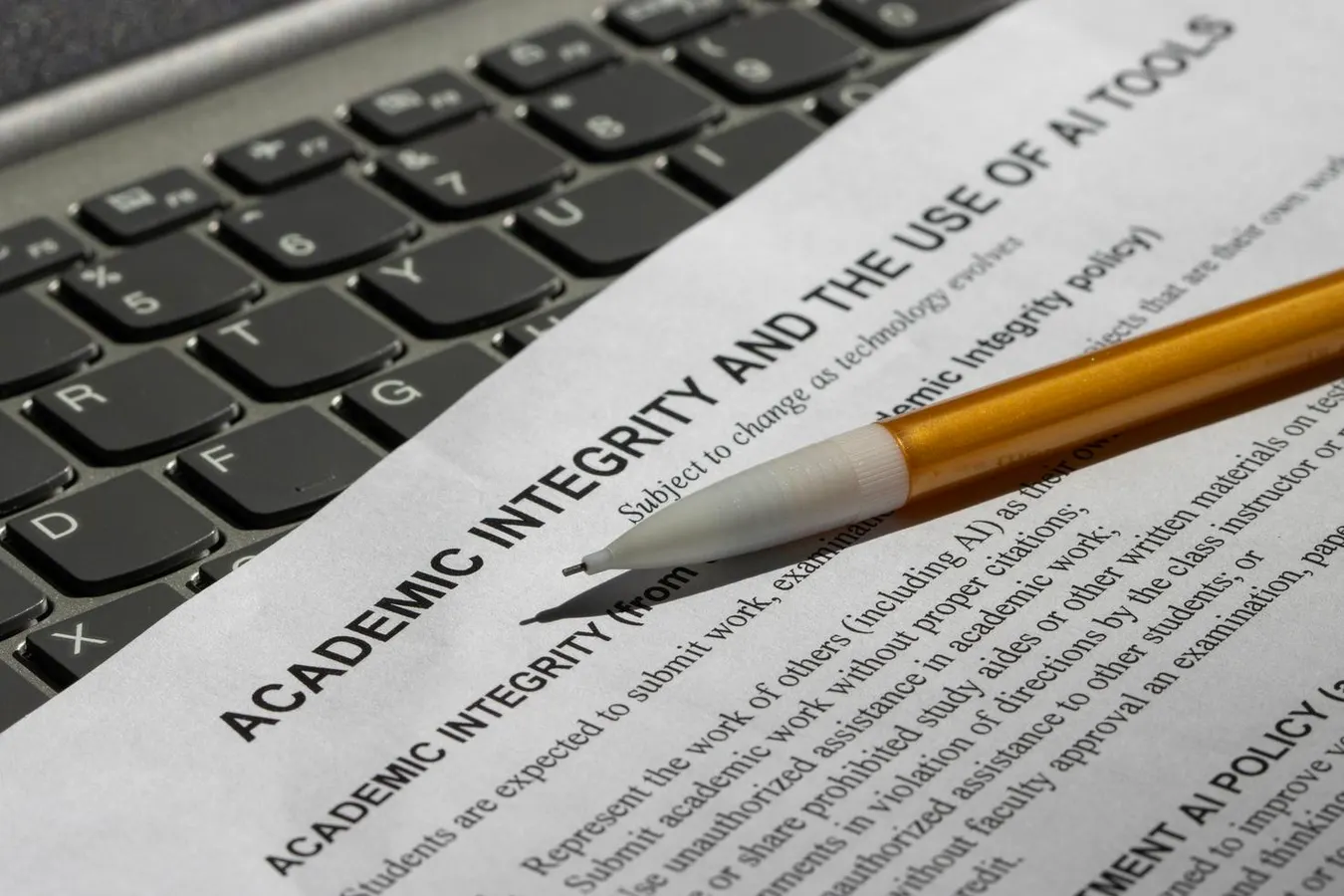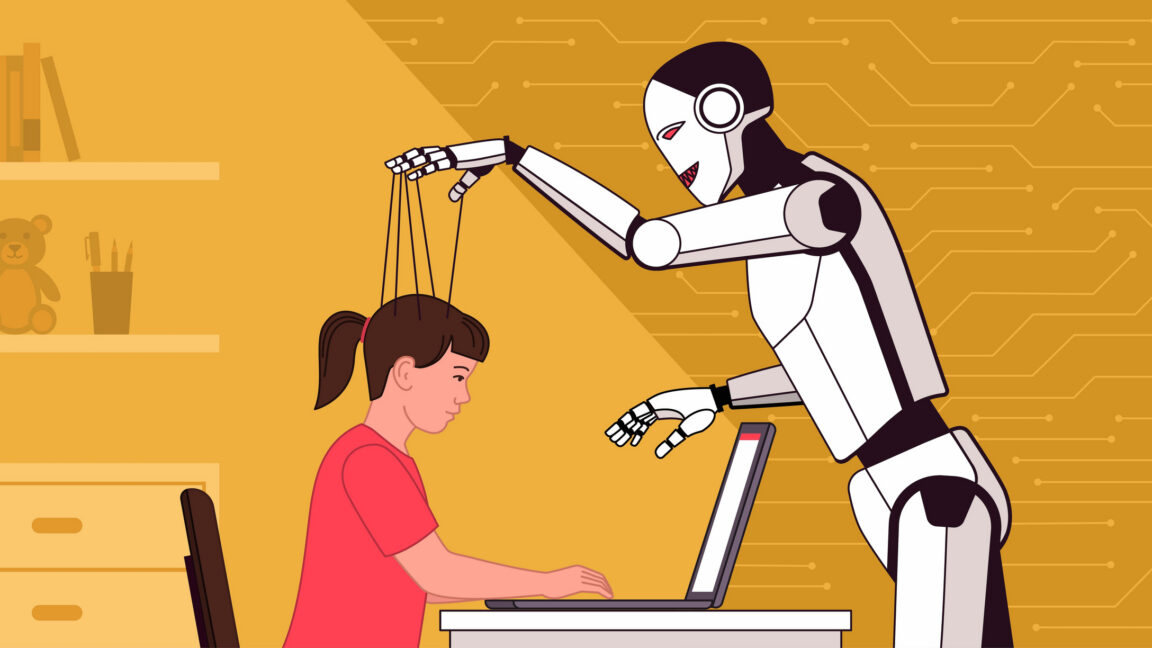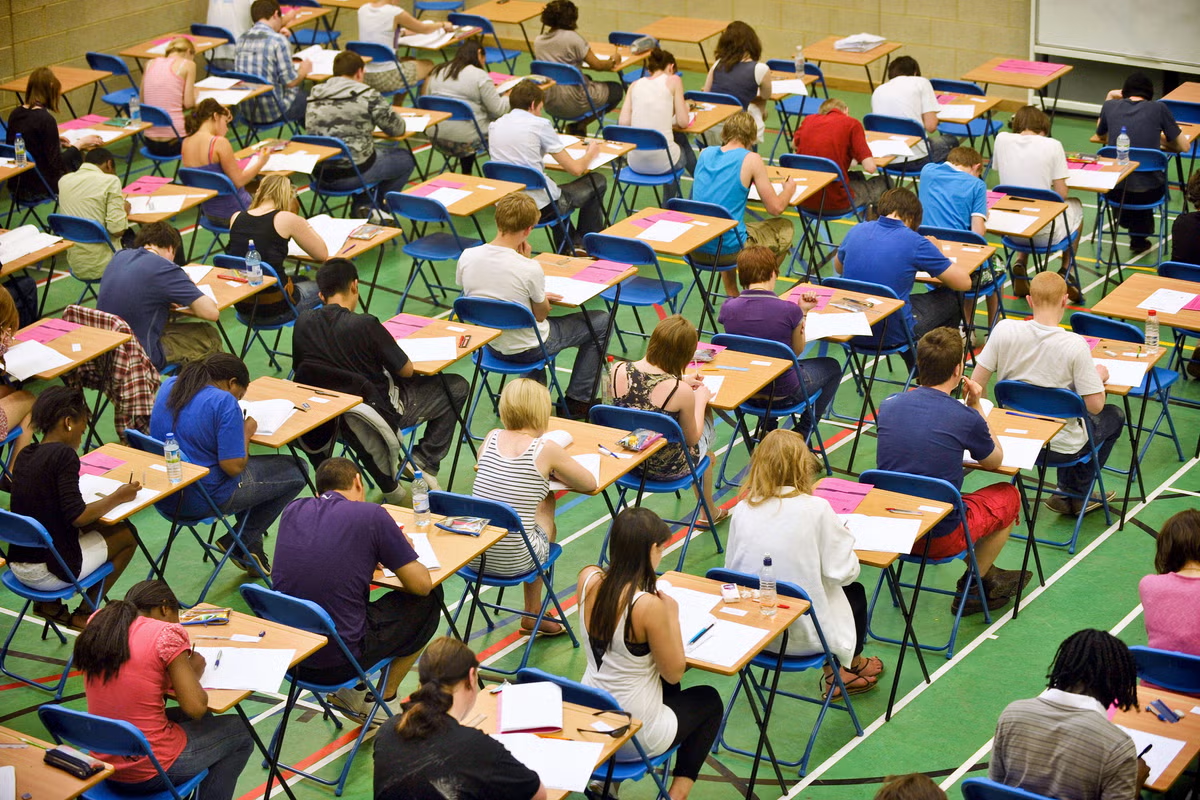
The toll AI is taking on education can’t be understated. Many teachers from primary schools through to post-graduates at elite colleges and universities are at a loss about the scale of cheating, with students using increasingly sophisticated AI programs to write essays, coursework, and outsource reading any books or course material. Often, universities rely on integrity alone to prevent students from using AI to do their work for them. Take Oxford University’s ethical guide to students’ use of AI as an example. It states that “AI tools must be used responsibly and ethically, in accordance with the academic standards of rigour and integrity that are expected of you as a student at Oxford. You should always use AI tools with integrity, honesty, and transparency, and maintain a critical approach to using any output generated by these tools.”Schools and universities have clear guidance on the penalties for cheating on papers and coursework, and increasingly sophisticated detection models of their own. But a whole new grey area has opened up in the world of education, and one that’s far more difficult to police: using AI to predict exam questions. Eighteen months ago, I spoke to some boys from one of the more famous and expensive schools in the UK. They had spent the previous year training an AI model, using large language models (LLMs) and techniques given to them by one of the boys’ fathers, who works at the cutting edge of this field. Using two decades of GCSE and A-level exam papers plus information on course content, classroom content and patterns on the rise and fall of national exam results, they essentially trained the model in the patterns of GCSE and A-level exams. Last year, they claim their model predicted the A-level and GCSE exam papers across all subjects with 85 per cent accuracy. This year, this group claims they have increased that to above 90 per cent and have been revising for months using what they believe will be on the exam papers they turn over in the coming weeks of the national exams season. So far, they say their risky strategy has paid off: the A-level exams they’ve already sat in maths and French last week and chemistry, biology and French this week were close matches to the exam paper the AI model suggested. Anybody not using AI, good for you, enjoy the 20th century. We’ve had enough taken from our generation; we might as well get something out of itHenry*, 18“Teachers have been trying to predict what will come up in the exam for decades,” says Henry*, 18, when asked about the ethics of this. “That’s a totally accepted practice and loads of teachers are brilliant at it. How’s this any different? It’s just an evolved version of that, and honestly, I don’t think it’s cheating. You still have to learn and understand the material. You don’t have to waste your time now revising for stuff that won’t come up.”Yichen*, 18, feels a similar lack of remorse, believing it reflects an innovative spirit rather than a dishonest one: “It’s going on in probably every school in the country and the more you understand AI, the more accurate it can be. I wouldn’t recommend anyone to randomly ask ChatGPT for exam questions and pin all your hopes on that. You have to know what you’re doing. I’ve been working on AI training for as long as it’s been about.”One student interviewed said that such use of AI is ‘probably going on in every school’ (Getty/iStock)Students globally are aware of and paranoid about getting caught for cheating, but that hasn’t stopped a tsunami of new cheating devices, including smart glasses and earpieces, from being used in exams across the world. England’s Ofqual chief Sir Ian Bauckham recently warned that universities are relying on advanced invigilation to stop high-tech cheating, but other academic leaders admit that the sophistication of the new devices makes detection almost impossible. Irene Glendinning, the academic manager at Coventry University, recently discussed how cheating was discovered by other students reporting and not sophisticated detection, which suggests the cheating discovered at schools and universities around the world is the tip of the iceberg compared to what students are successfully getting away with. Of course, not all Gen Alphas and Gen Zs are using AI; many have an intense dislike for AI, viewing it as something that is stealing human creativity, thought, originality, and their jobs. Platforms like Reddit are awash with furious UK students describing how their university courses are “like a ChatGPT bot that’s charging you £10,000” and complaining teachers are using AI both to generate course content and to mark coursework.But at the same time, while many of the younger generation are choosing not to use it, particularly in educational contexts, plenty of them are – especially when it comes to securing their futures. “A-levels are just a means to an end,” Henry says. “When I get to the university I want [I agreed not to disclose his dream destination for concern about detection], I’m going to develop AI for something good. If AI now helps me get there, well, good. Anybody not using AI, good for you, enjoy the 20th century. We’ve had enough taken from our generation; we might as well get something out of it.” I ask the boys if they’d ever consider selling the papers to their peers or online. After all, there would obviously be a serious market for them given the value of theoretical exam papers and model coursework answers among parents wanting to give their kids an edge all over the world. They all give a vociferous “no”, but not for moral or ethical reasons. In the future, there will be so many instances where you have to think on your feet and AI can’t give you the answer, whether in your professional or personal lifeEmma McKendrick, headteacher“No way,” says Yichen. “We don’t need the money and it’s always idiots who run their mouth on TikTok or Discord about cracking the exam code who get caught. This is for us and us alone, and you know what? I’d bet money there are thousands, if not tens of thousands of kids in the UK who are close to or the same as what we’ve done. This really isn’t rocket science. That’s for later, after uni.” I ask the boys what they think of the tech devices being used to cheat in exams and they have a similarly dim view. “Those can still get you caught, even though it’s harder. No one can catch you for things you’ve memorised in your own brain. Our way is like revising but doing it smarter.” Emma McKendrick is one of the longest-serving and most respected headteachers in the country, having led Downe House School for over 20 years. She’s seen the ways that the technological revolution has transformed both young people’s lives and education, and not always for the good. She believes using AI to game the exam system does the students a serious disservice in the long term. “In the future, there will be so many instances where you have to think on your feet and AI can’t give you the answer, whether in your professional or personal life,” she says. “Gaining resilience, discipline and gaining things on your own merit is a much better path to long-term future success.”Darren Coxon, founder of Kompass Education, which advises schools on safe AI implementation, has a more philosophical and futurist view on the use of AI to predict exam questions, explaining, “It isn’t cheating. It’s simply using the predictive nature of AI tools in the way every industry does to gain an academic edge. What this does is highlight how the whole examination and assessment system needs a massive overhaul to reflect the changing nature of the world and young people’s capabilities."
The kids using AI to accurately predict this year’s exam questions
As the excitement around the new technology cools among the younger generations over concerns that it will steal their future careers, some are using it to level the playing field. Chloe Combi speaks to a group of students who generated the questions on their upcoming test, and how it could turn our education system upside down
1,307 words~6 min read