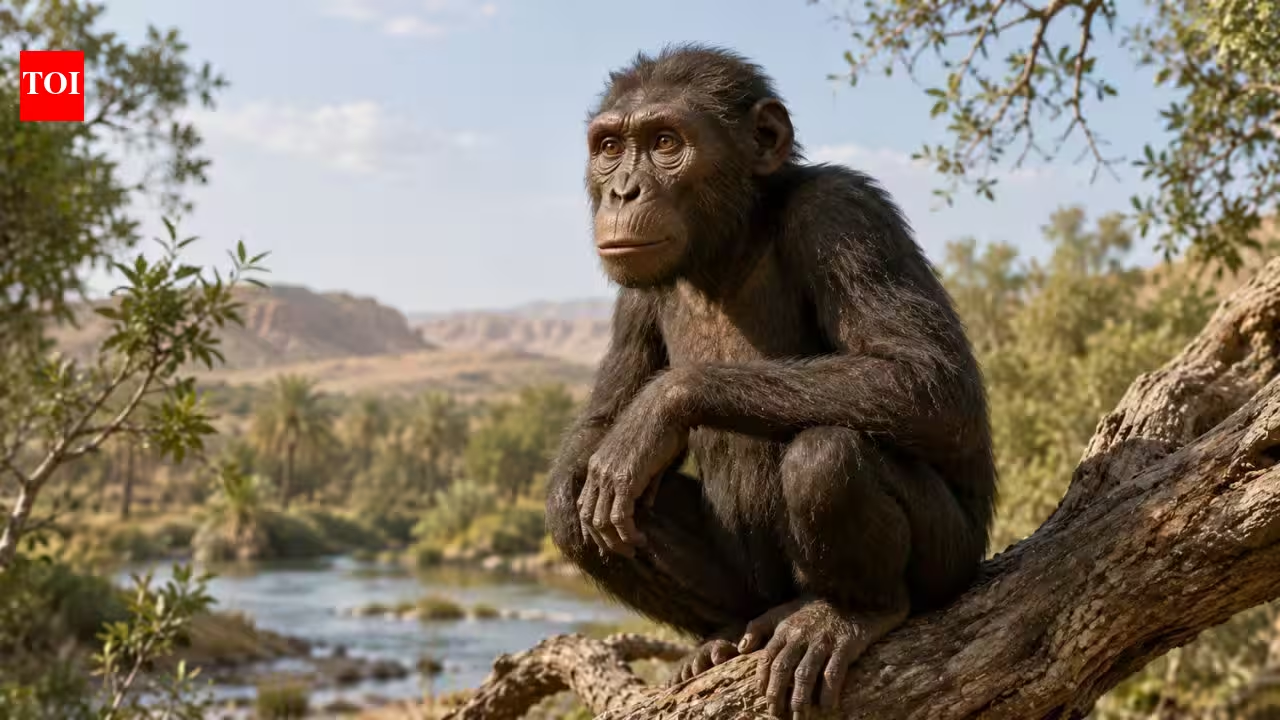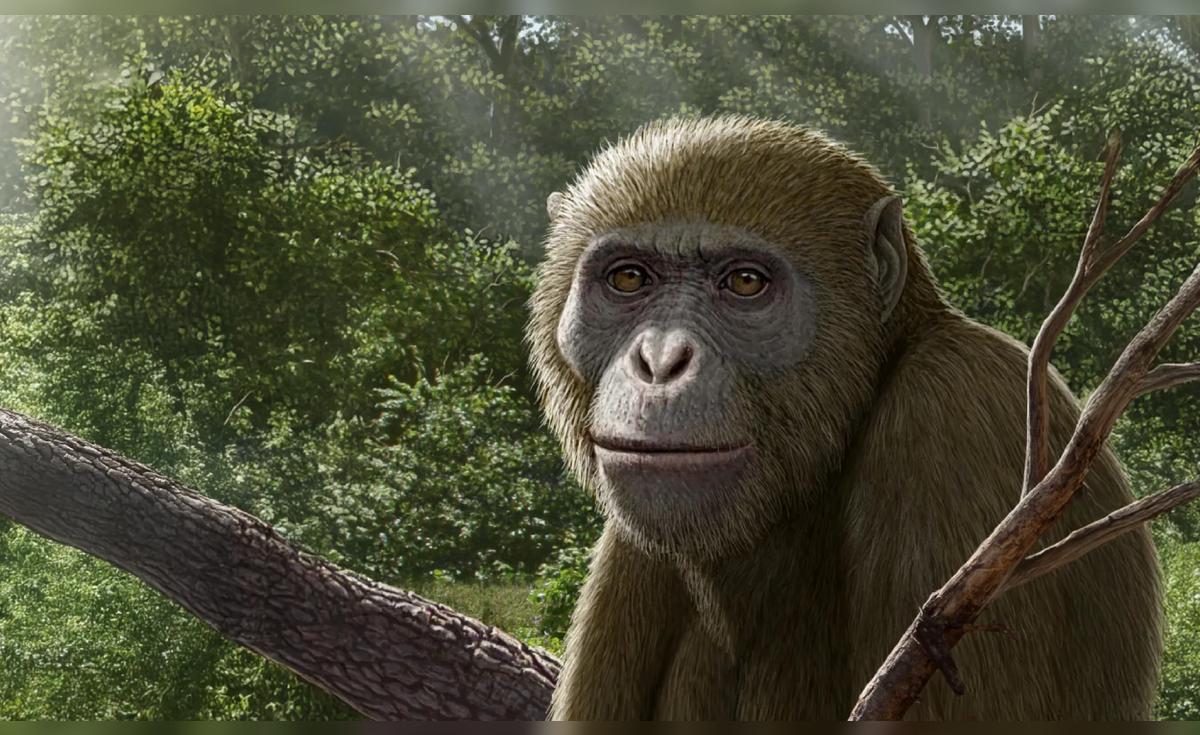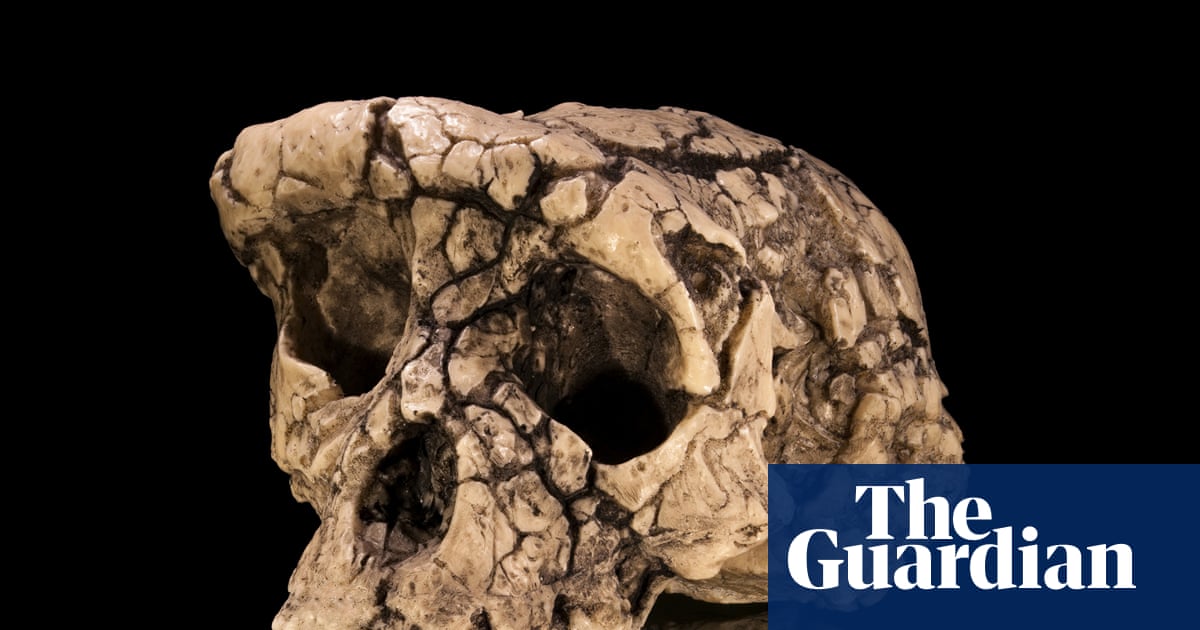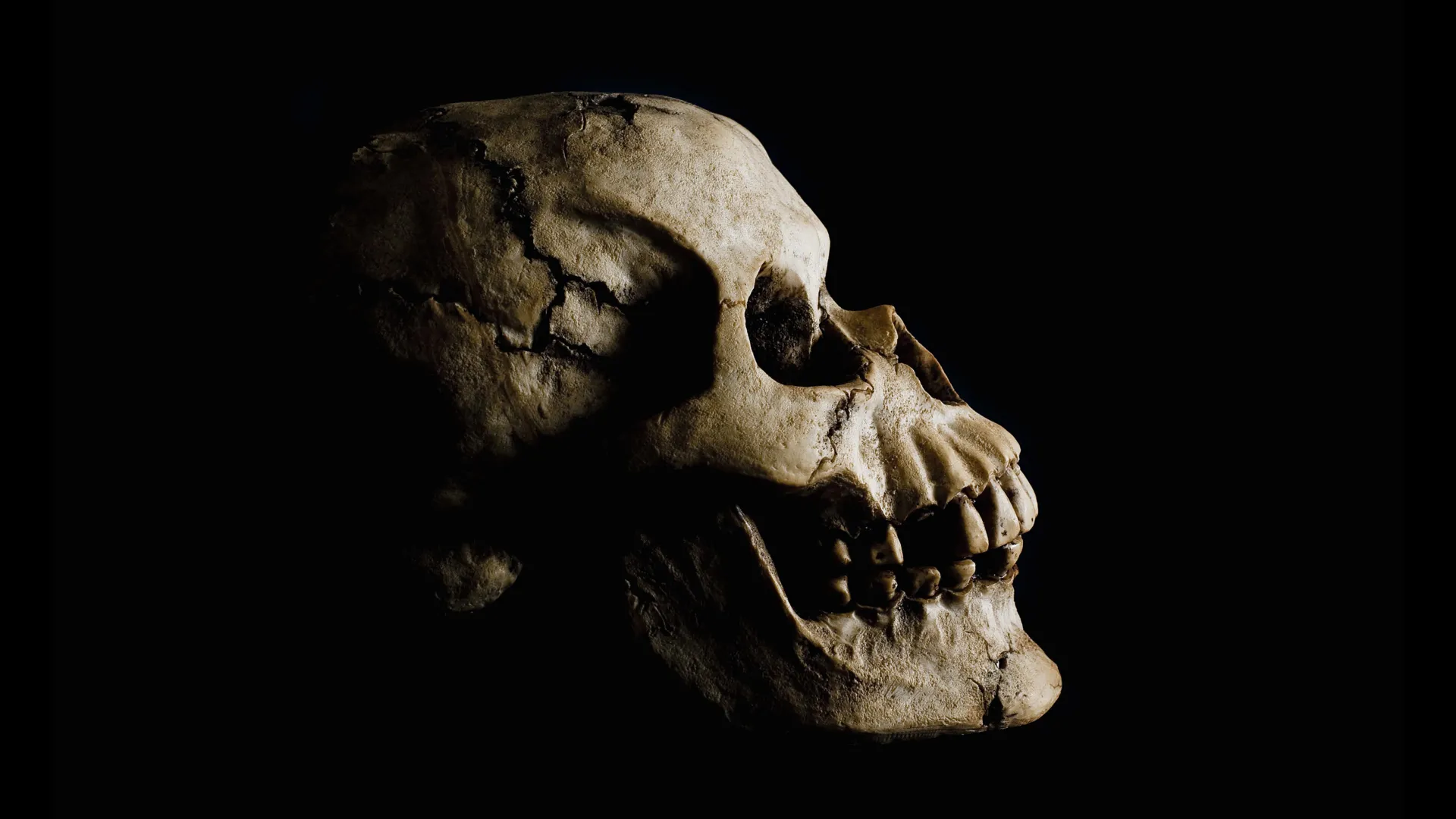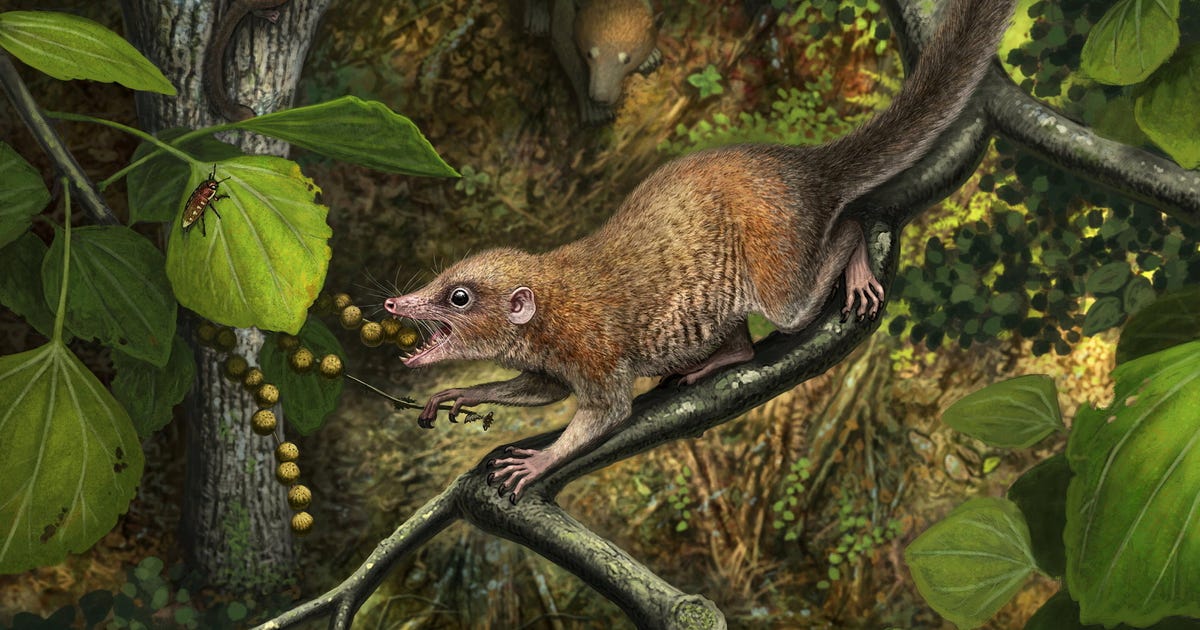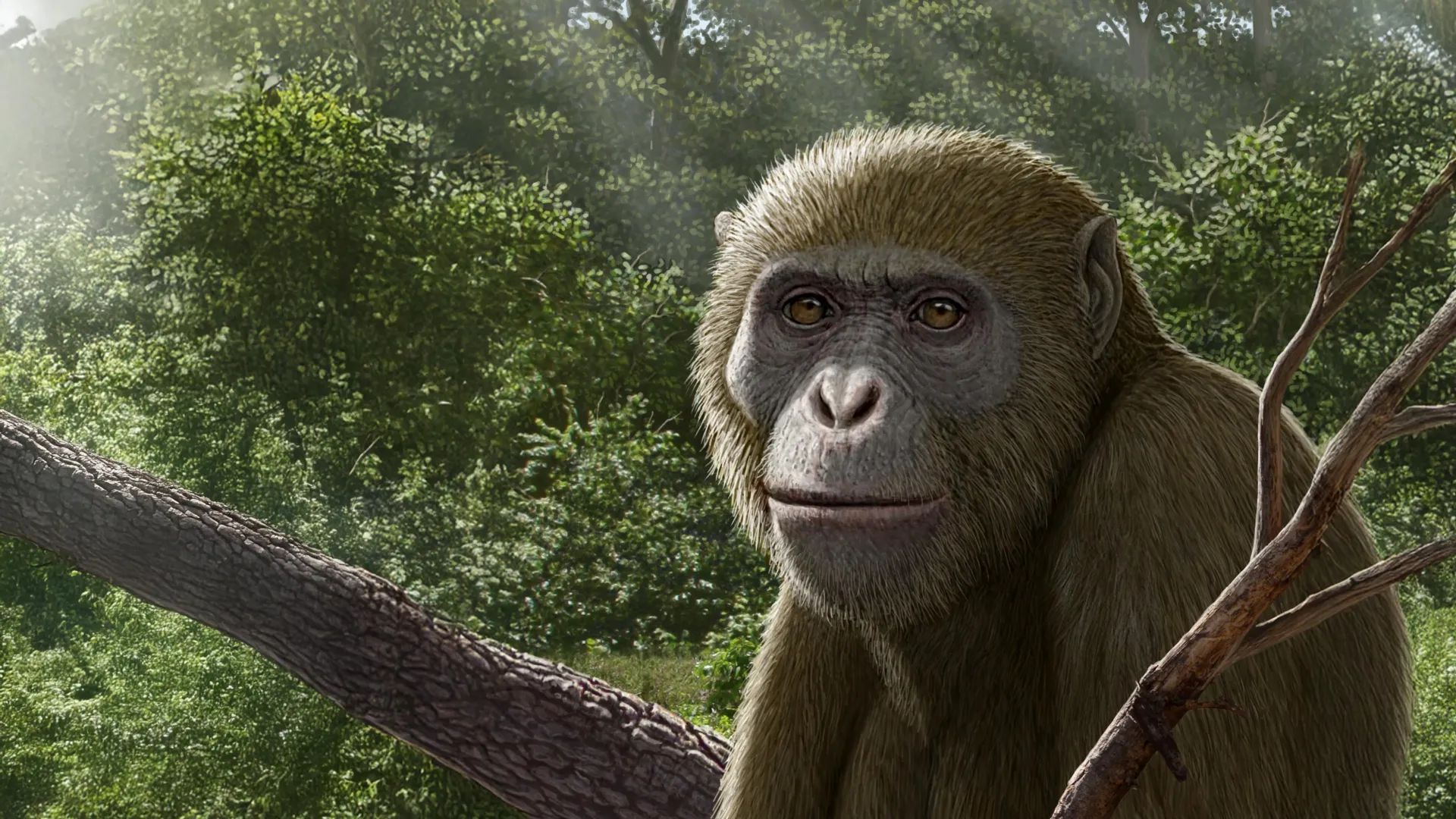
An international team of researchers has identified a previously unknown fossil ape that lived about 17 to 18 million years ago during the Early Miocene. The species, named Masripithecus moghraensis, was described in a study published in Science by scientists from the Mansoura University Vertebrate Paleontology Center (Egypt) and the University of Southern California (USA).
The fossils were discovered at Wadi Moghra in northern Egypt and provide the first definitive evidence of an ape from North Africa. Their age and location broaden the known distribution of early apes and suggest that Egypt, along with the wider Middle East region, played an important role in the evolutionary developments that eventually gave rise to modern apes.
A Missing Piece in North Africa
Hesham Sallam, a paleontologist at Mansoura University, Egypt, and senior author of the study, said, "We spent five years searching for this kind of fossil because, when we look closely at the early ape family tree, it becomes clear that something is missing -- and North Africa holds that missing piece."
Before this discovery, Early Miocene fossil sites in North Africa had produced remains of monkeys but no confirmed apes. That absence led many researchers to conclude that apes and their close relatives were largely restricted to areas farther south in Africa at the time.