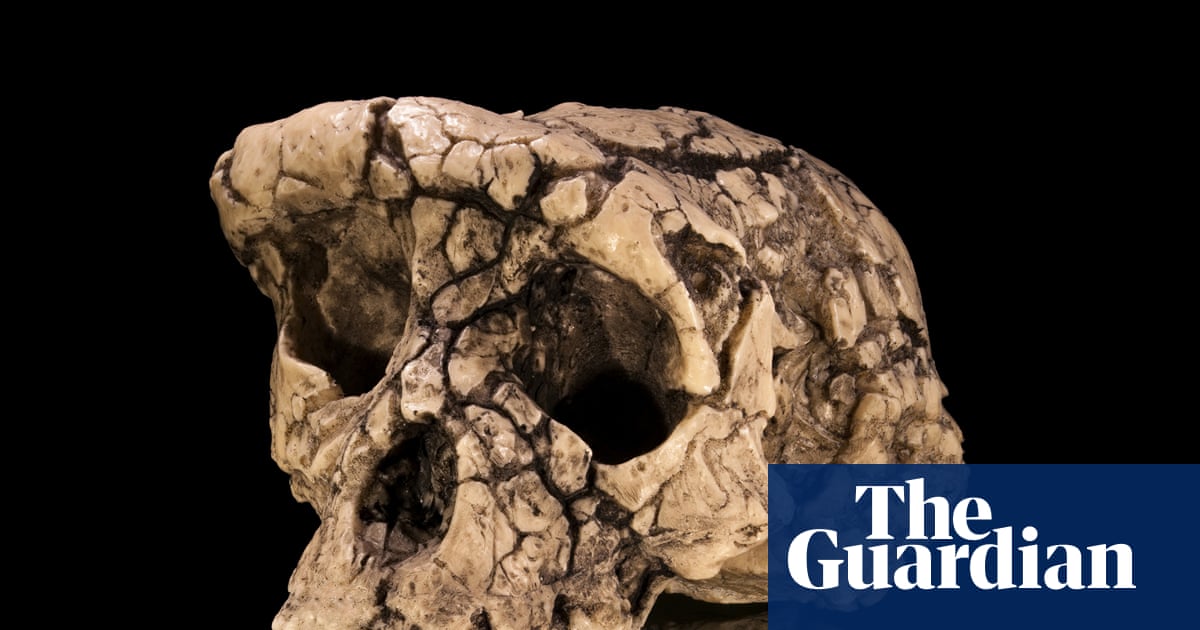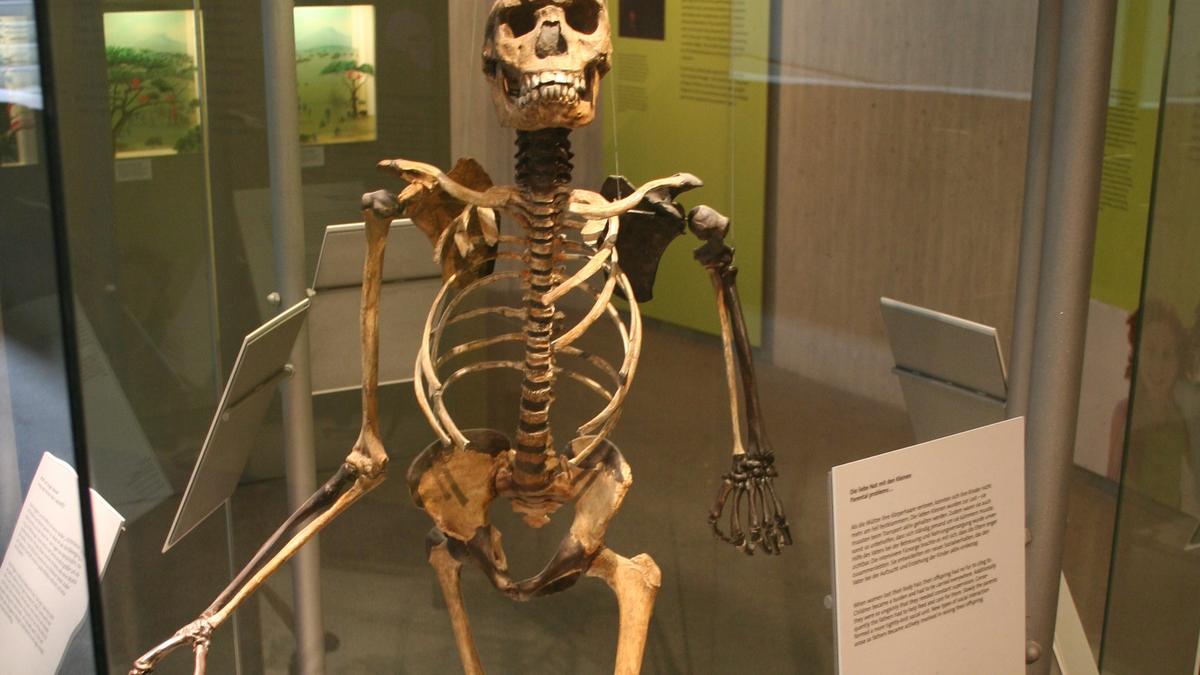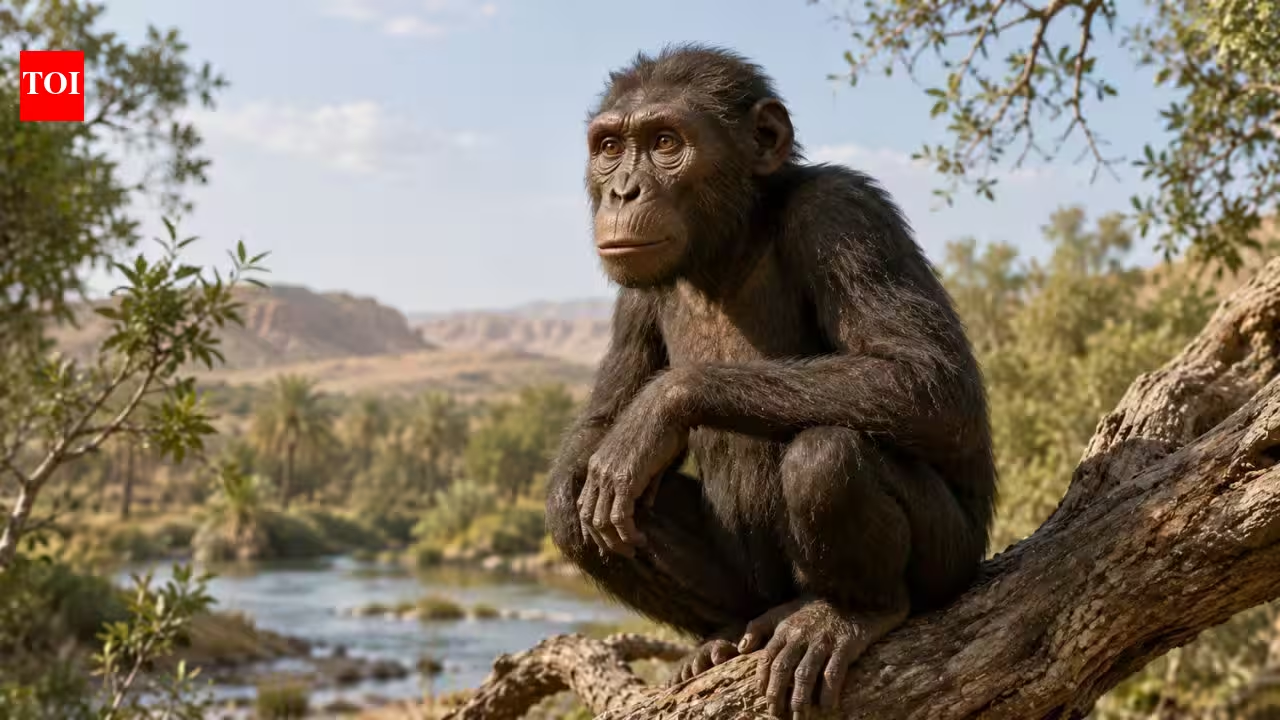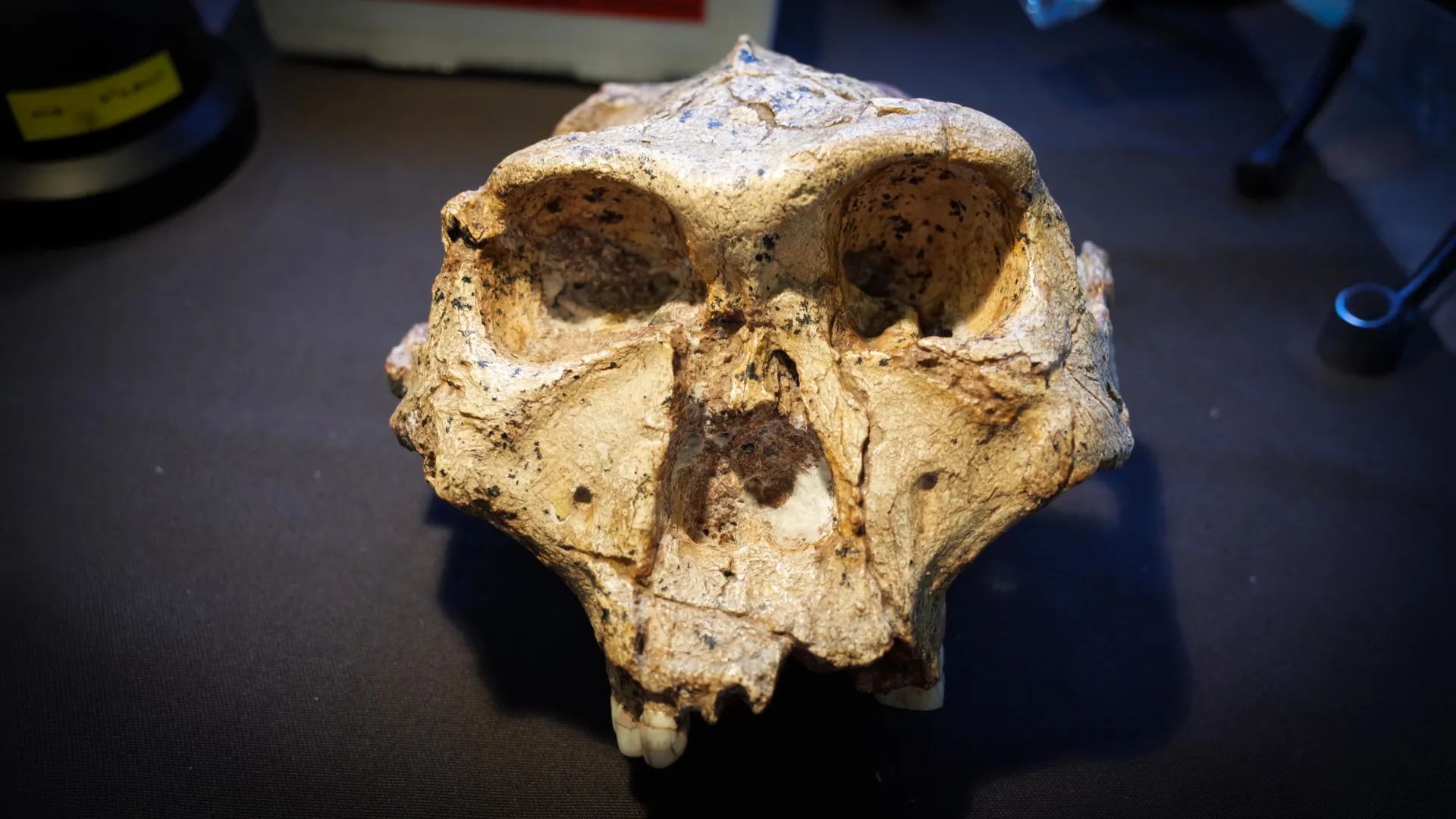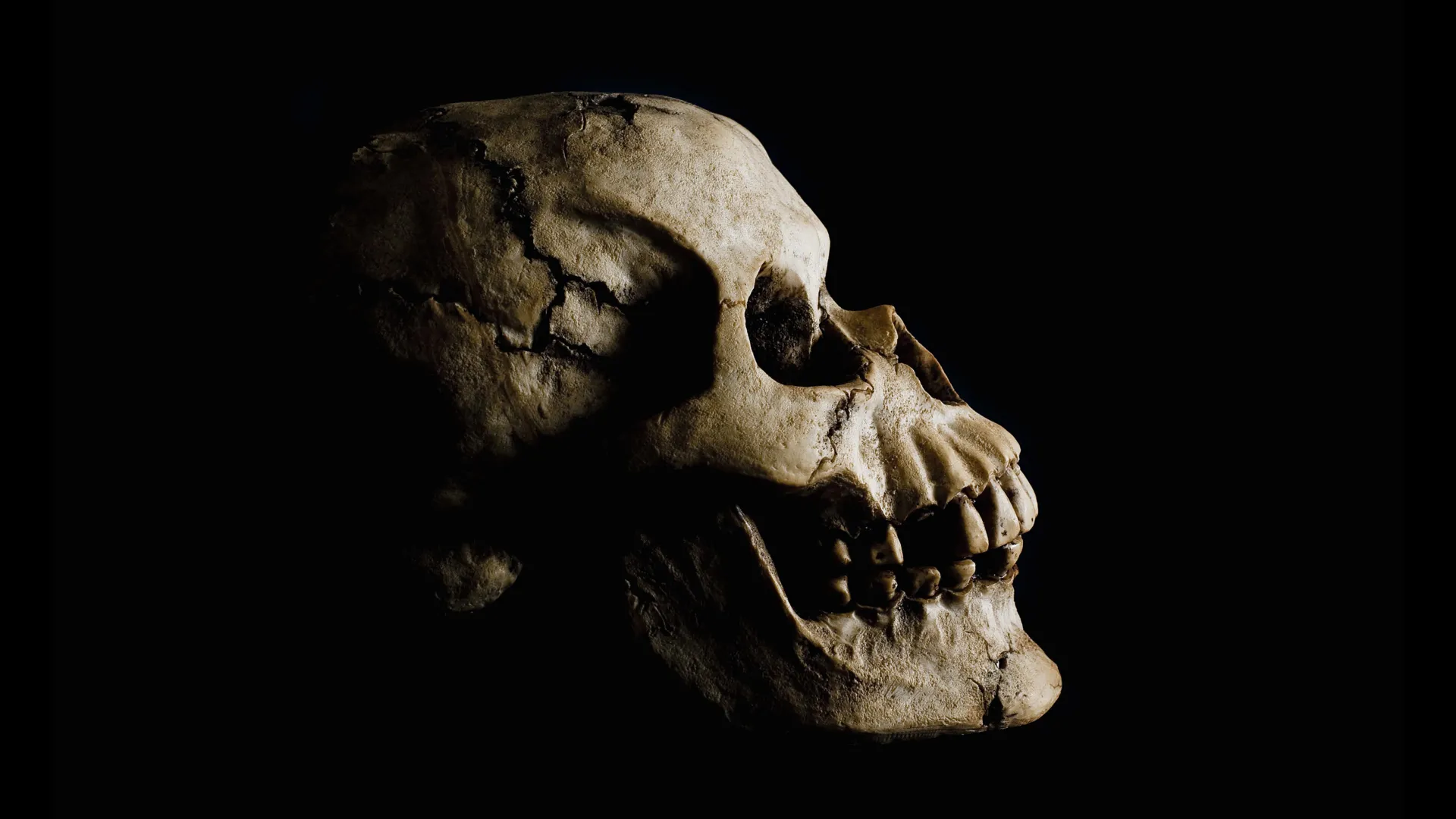
Fossils from Ethiopia are reshaping one of the biggest stories in human history. Instead of a neat march from ape like ancestors to modern humans, evidence from the Ledi Geraru field site points to a much messier and more fascinating reality: several human relatives may have shared the same African landscape at the same time.
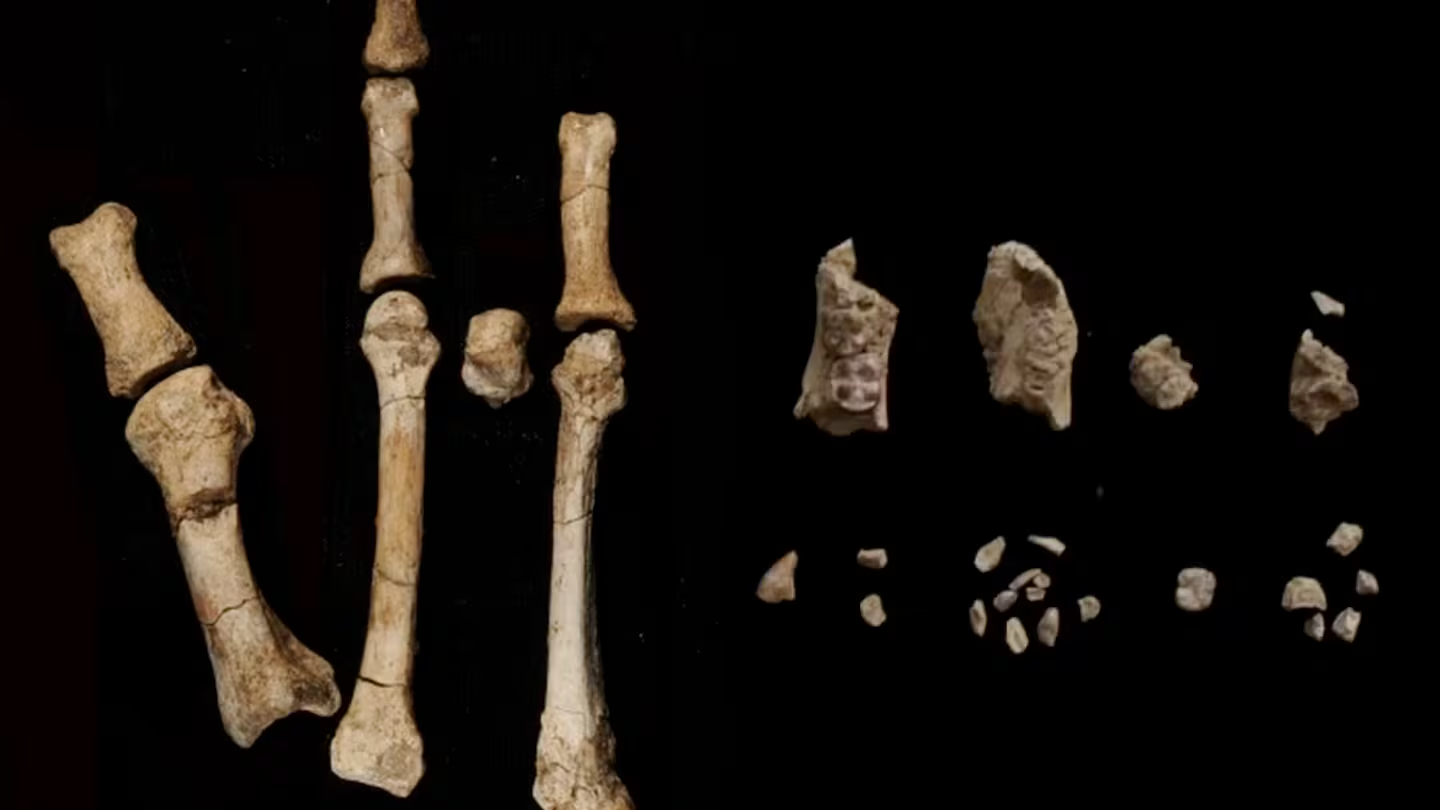
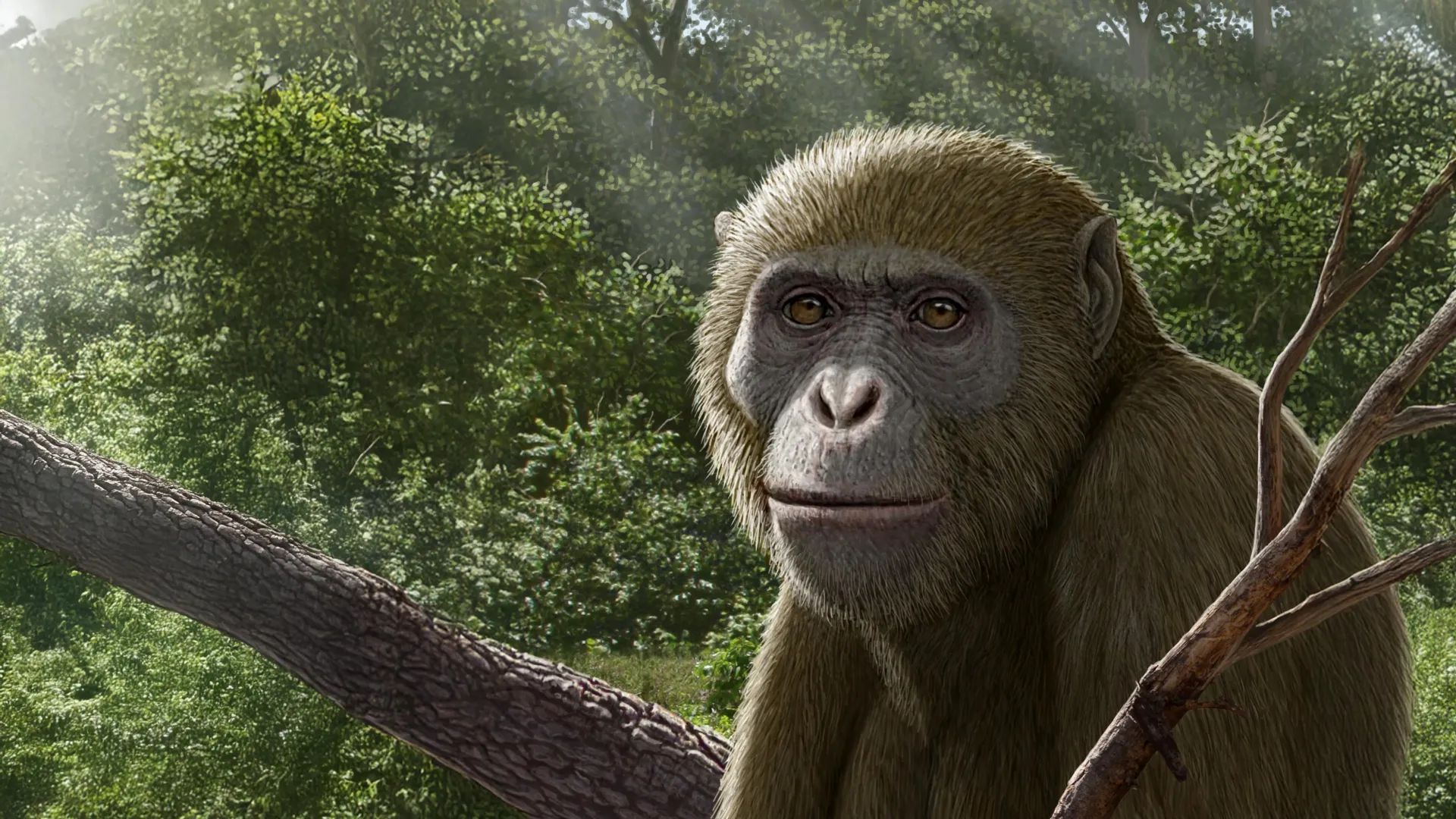
An international research team studying fossils from the site found evidence that Australopithecus and the earliest known members of Homo lived in the same region between about 2.6 and 2.8 million years ago. The fossils also point to an Australopithecus species that has not been found anywhere else.
The Ledi Geraru Research Project, led by scientists at Arizona State University, has already earned a major place in human origins research. The site has produced the oldest known member of the genus Homo and the earliest known Oldowan stone tools on Earth.
The team determined that the Ledi Geraru Australopithecus teeth did not belong to Australopithecus afarensis (the famous 'Lucy'). That finding supports the view that there is still no evidence of Lucy's species surviving later than 2.95 million years ago.
"This new research shows that the image many of us have in our minds of an ape to a Neanderthal to a modern human is not correct -- evolution doesn't work like that," said ASU paleoecologist Kaye Reed. "Here we have two hominin species that are together. And human evolution is not linear, it's a bushy tree, there are life forms that go extinct."