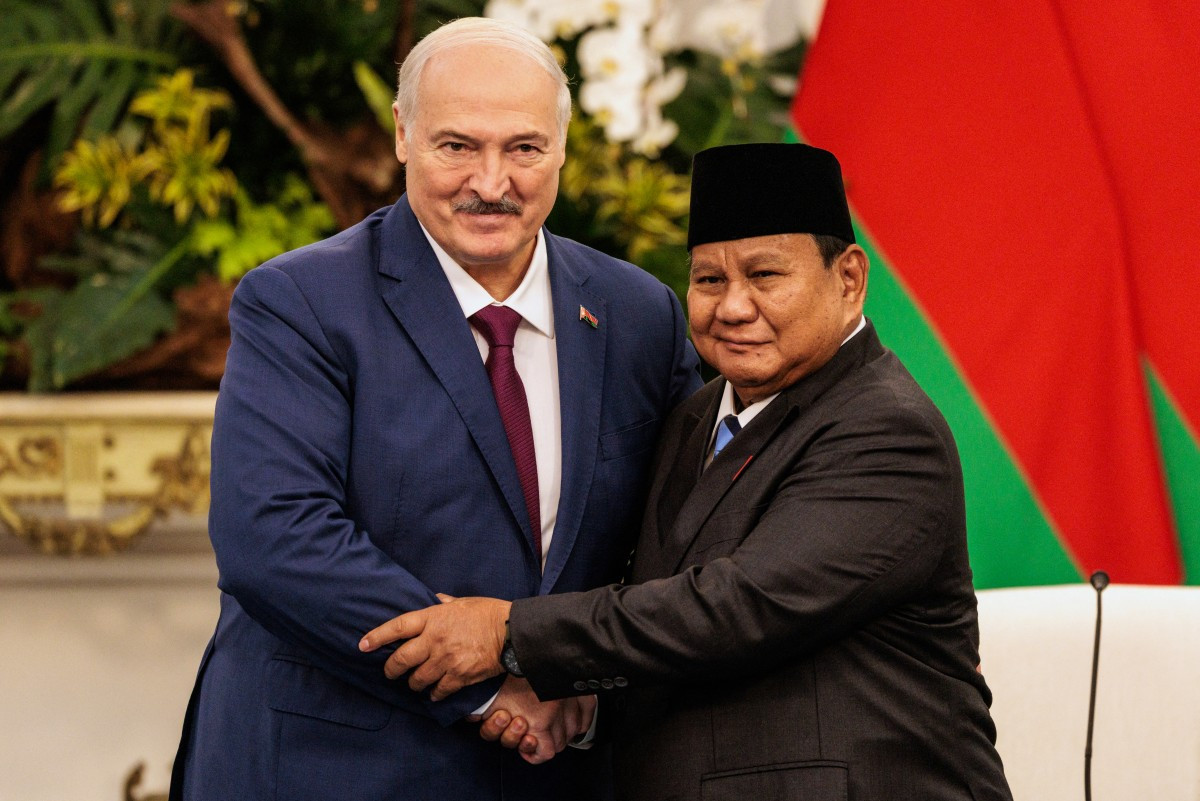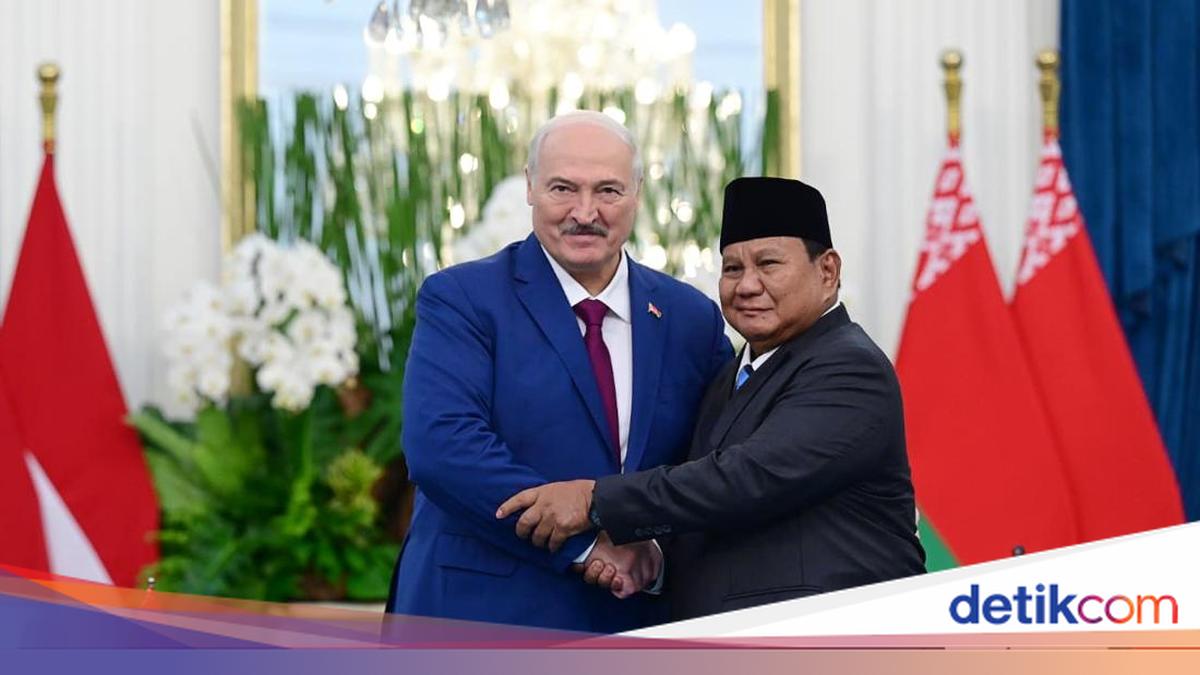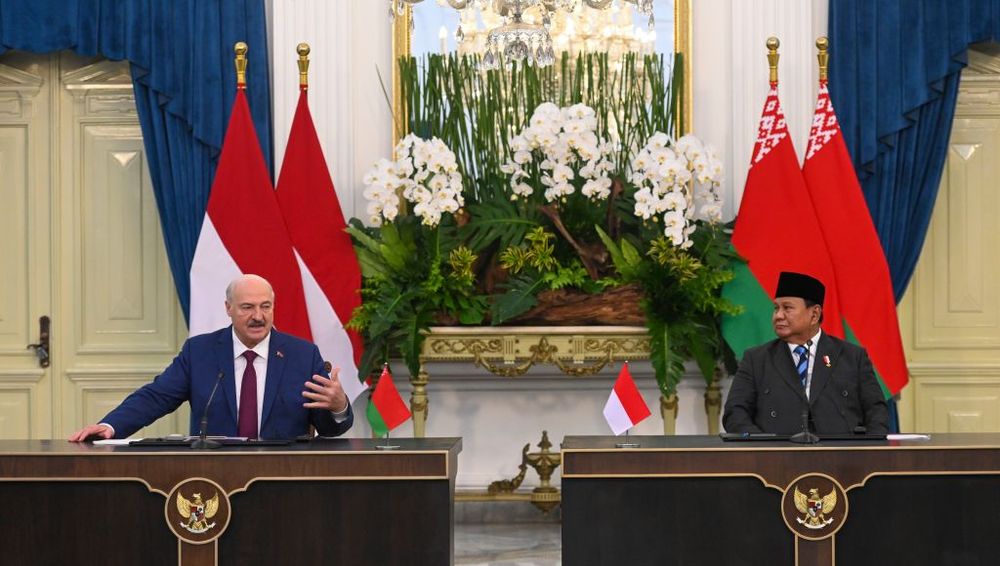
Indonesian President Prabowo Subianto (R) and Belarusian President Aleksandr Lukashenko attend a joint press conference at the Merdeka Palace in Jakarta, Indonesia, July 2, 2026.
If you want to see what BRICS expansion actually produces in practice, look at a $76 million milk powder deal between Belarus and Indonesia, two countries that, eighteen months ago, had barely any trade relationship to speak of.
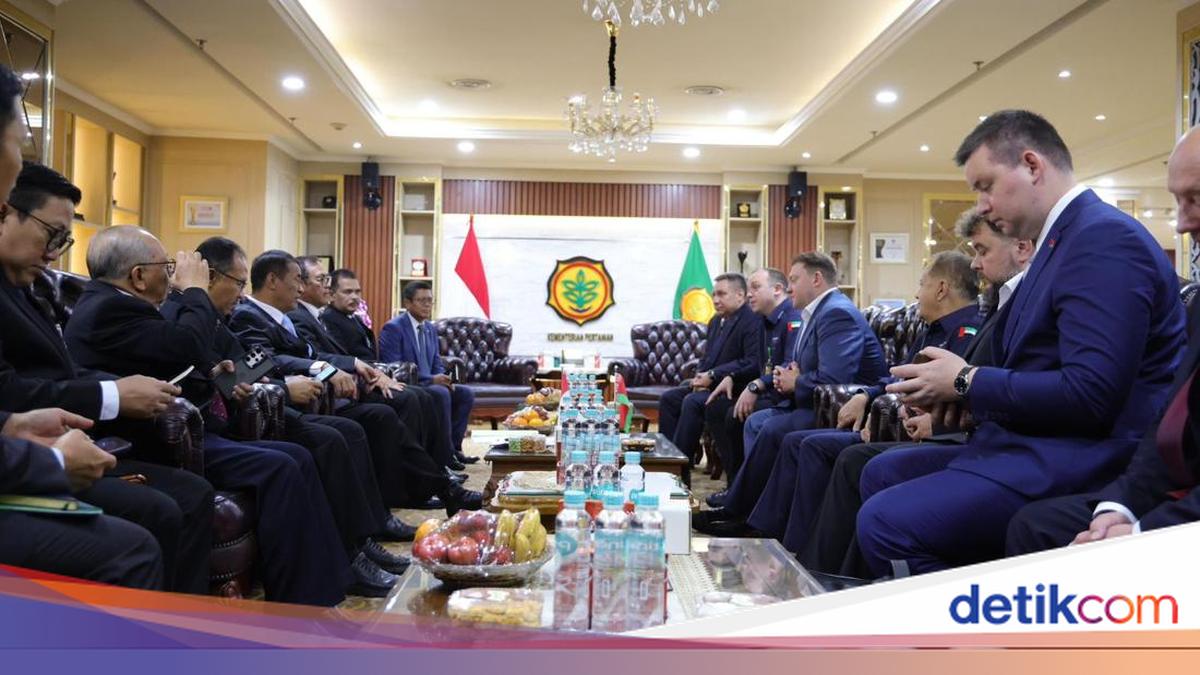
Belarus has signed contracts to supply 20,000 tonnes of milk powder to Indonesia by the end of 2026, with part of that supply feeding directly into Indonesia's flagship Free Nutritious Meal programme, the government's national school feeding initiative. The agreements were signed during Belarusian President Aleksander Lukashenko's state visit to Indonesia, and deliveries under the first contract are already underway. Belarus's Deputy Agriculture and Food Minister, Aleksander Yakovchits, says the country is well placed to keep scaling supply: national milk production hit 9.25 million tonnes in 2025 and is projected to reach 12 million tonnes in 2026.
Belarus and Indonesia sit at opposite ends of the map with wildly different economies, so a dairy-for-nutrition-programme deal between them might seem like a one-off. It isn't. Both countries are now formally inside the BRICS architecture: Indonesia became a full BRICS member in January 2025, while Belarus joined the same year as one of the bloc's first ten "partner countries" — a new tier created at the 2024 Kazan summit that gives non-member states a formal seat at BRICS meetings without full membership. That shared membership is now translating into real commercial activity: alongside the dairy contracts, Belarus and Indonesia have also agreed a visa-free travel regime, direct flights, and a 2026–2030 roadmap covering trade, industry, agriculture and investment, signed during the same presidential visit.