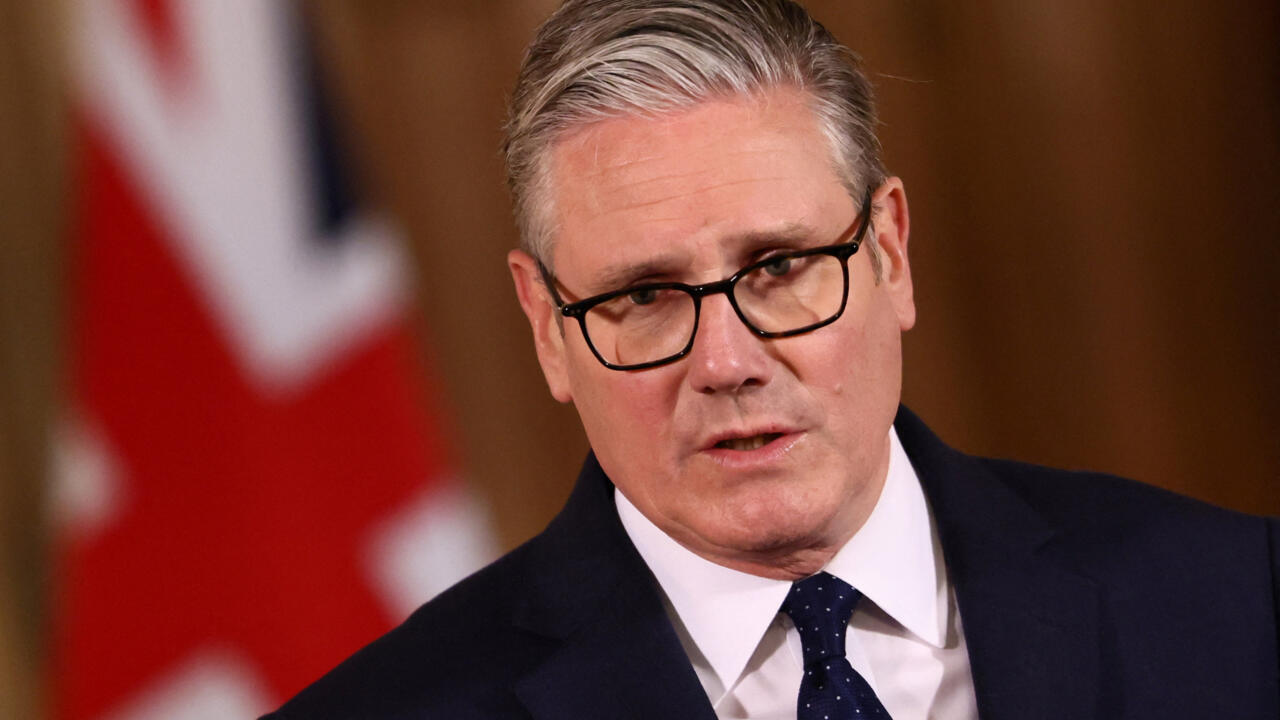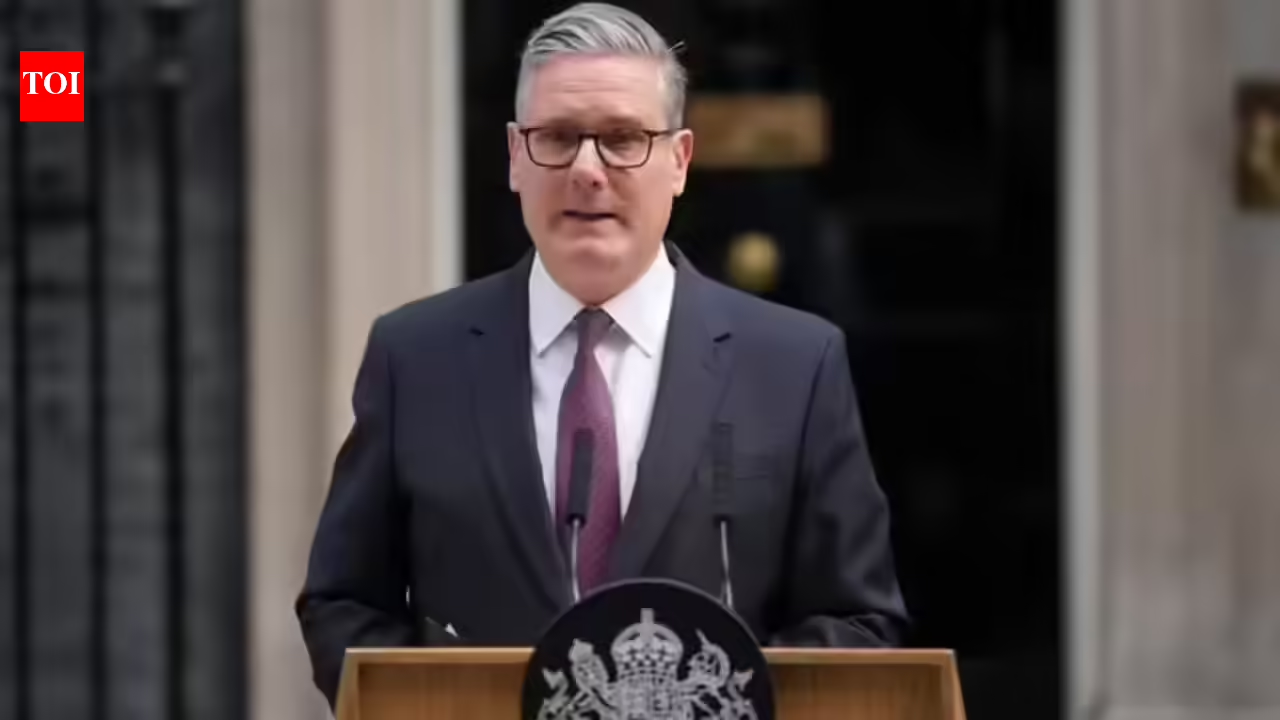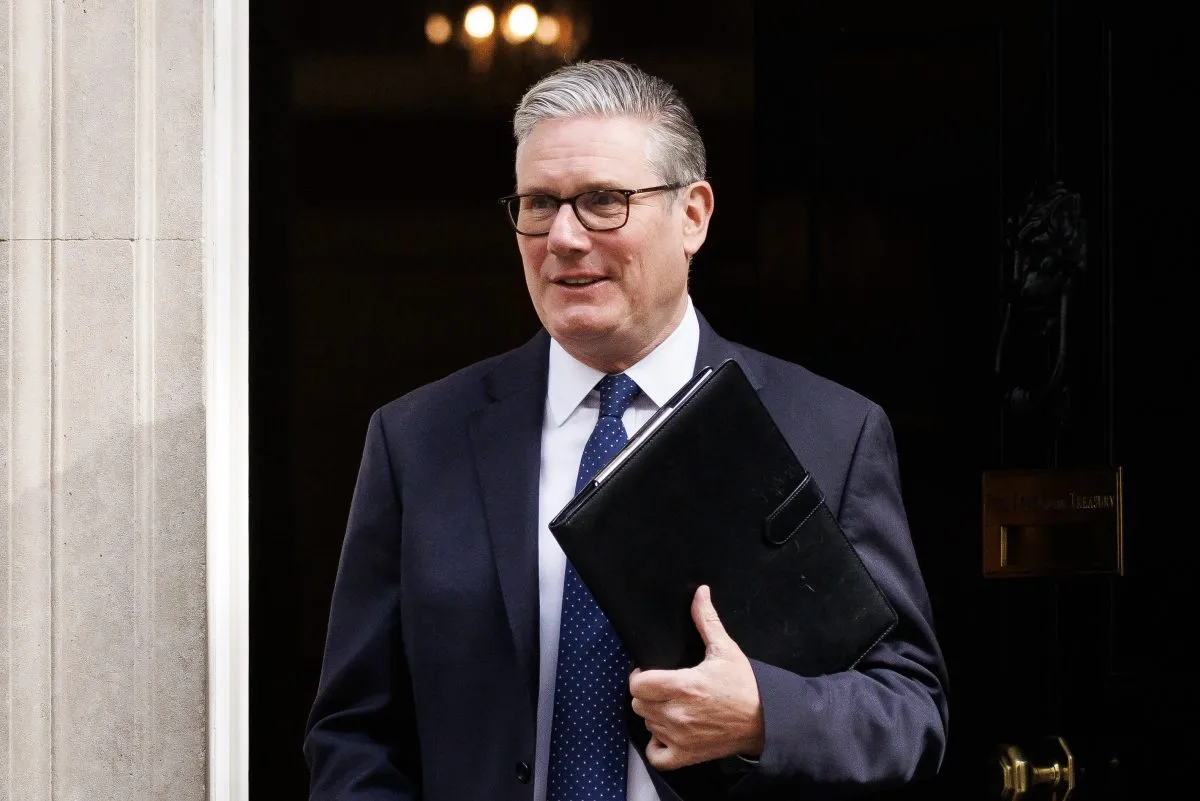
It was painful to watch him outside No.10 on Monday. Despite his immaculate suit and well-groomed hair, British Prime Minister Sir Keir Starmer looked like he was facing a public execution.
The bespoke podium, which had been in use since David Cameron’s tenure, looked more like a stake, and Starmer’s valedictory like a miserere before the bullets would be discharged.
The carnage that British politics has become has just claimed its sixth prime minister in a decade. Britain is not doing as badly as Italy – yet – which had 50 governments and 15 prime ministers between 1946 and 1994, but at the current rate, it’s not doing badly at becoming Europe’s next Britaly, as The Economist once described it.
Which is all difficult to understand, given that for the two-and-a-half years of his premiership, Starmer never failed to remind voters that he came to power in one of the largest electoral landslides in recent British history.
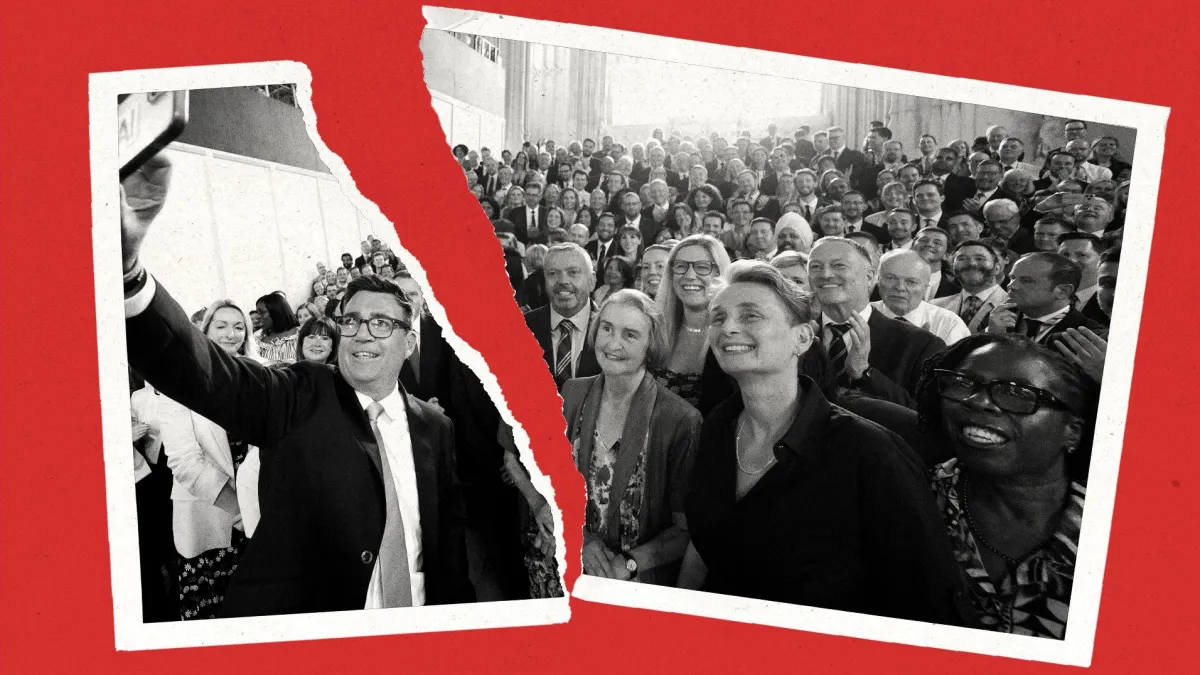
Not entirely untrue. Labour won 411 of the 650 seats in the House of Commons, a majority of 174 seats over all other parties combined. Starmer’s Labour was the largest party in England, Scotland and Wales, and the first government since 2010 to end 14 years of Conservative rule.