When an AI agent leaks data, it may not look like a breach at first. It may look like a normal tool call, a helpful API request, or a browser fetch that quietly sends the wrong payload to the wrong place.
That is the uncomfortable part for builders: prompt safety can warn you about intent, but only the network boundary can stop bytes from leaving.
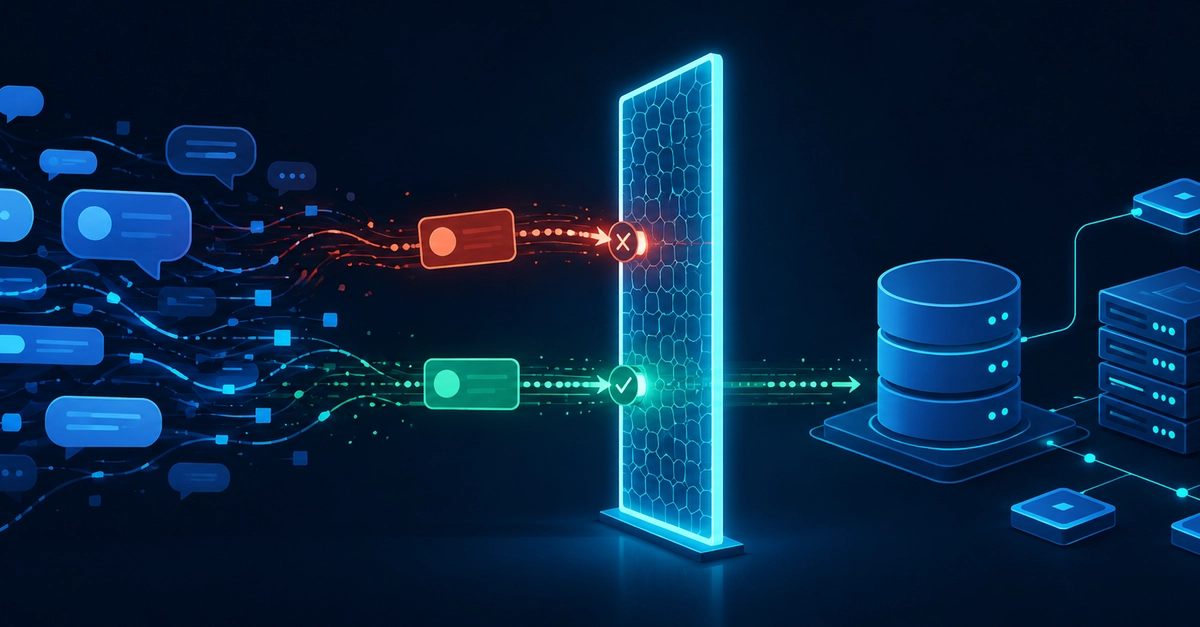
If your product lets agents call APIs, browse pages, use MCP tools, fetch files, or run long workflows, you need a simple rule: agents should not have open internet access by default. They should pass through an egress proxy that can inspect, block, gate, and log every outbound action.
Why this topic matters now
Agent workflows are moving from demos into real development environments. Recent practitioner signals point in the same direction: CLI coding agents are becoming normal, MCP-style tool access is spreading, long-running agents need better harnesses, and teams are under pressure to prove AI ROI instead of just shipping impressive demos.