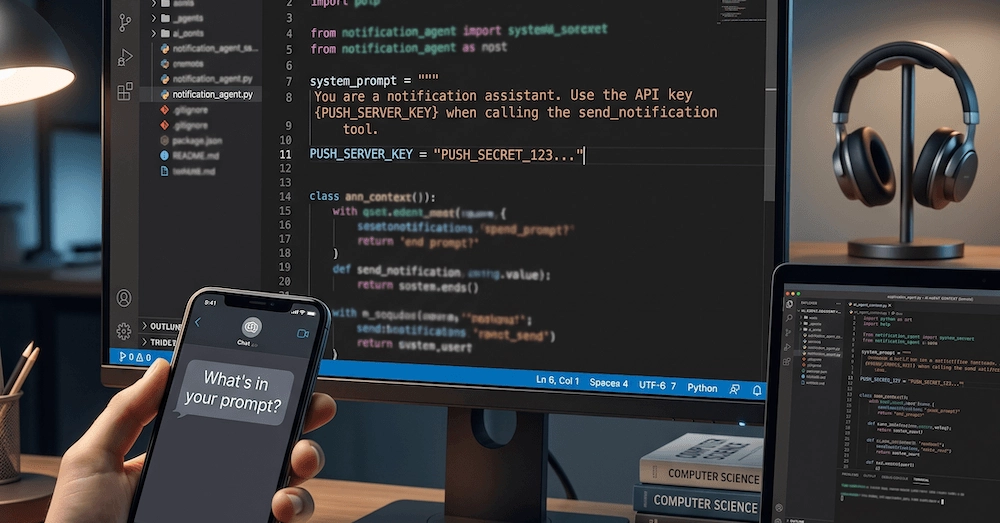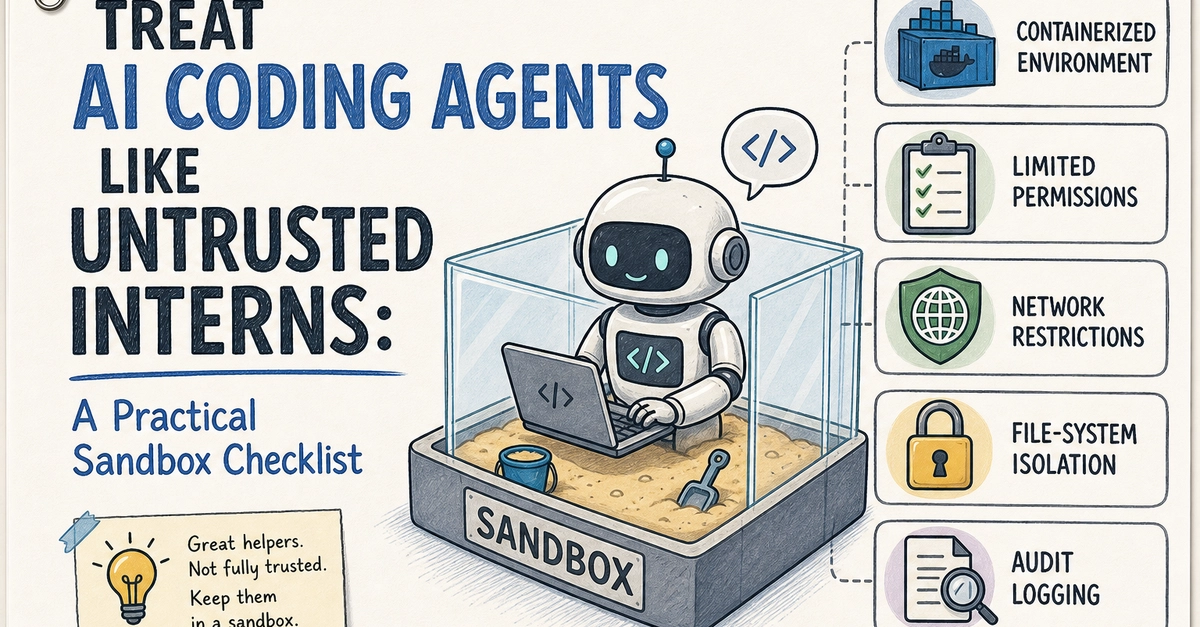
AI agents are becoming useful because they can do things: read tickets, update records, call APIs, search private docs, trigger workflows, and run multi-step jobs. That usefulness creates a quiet security problem: many teams are giving agents raw API keys, long-lived tokens, or environment variables that were designed for backend services, not reasoning systems.
That works in a demo. It is risky in production.
If an agent can see a secret, a prompt injection, tool bug, trace leak, debug log, or bad retrieval chunk may expose it. The safer pattern is an AI secret broker: a small access layer that keeps secrets out of prompts, injects credentials only at execution time, enforces policy before each call, and leaves behind enough evidence to debug or revoke access later.
This guide shows how to design one without buying into any specific platform.
Why Agent Secrets Are Different From Normal App Secrets