Story audio is generated using AI
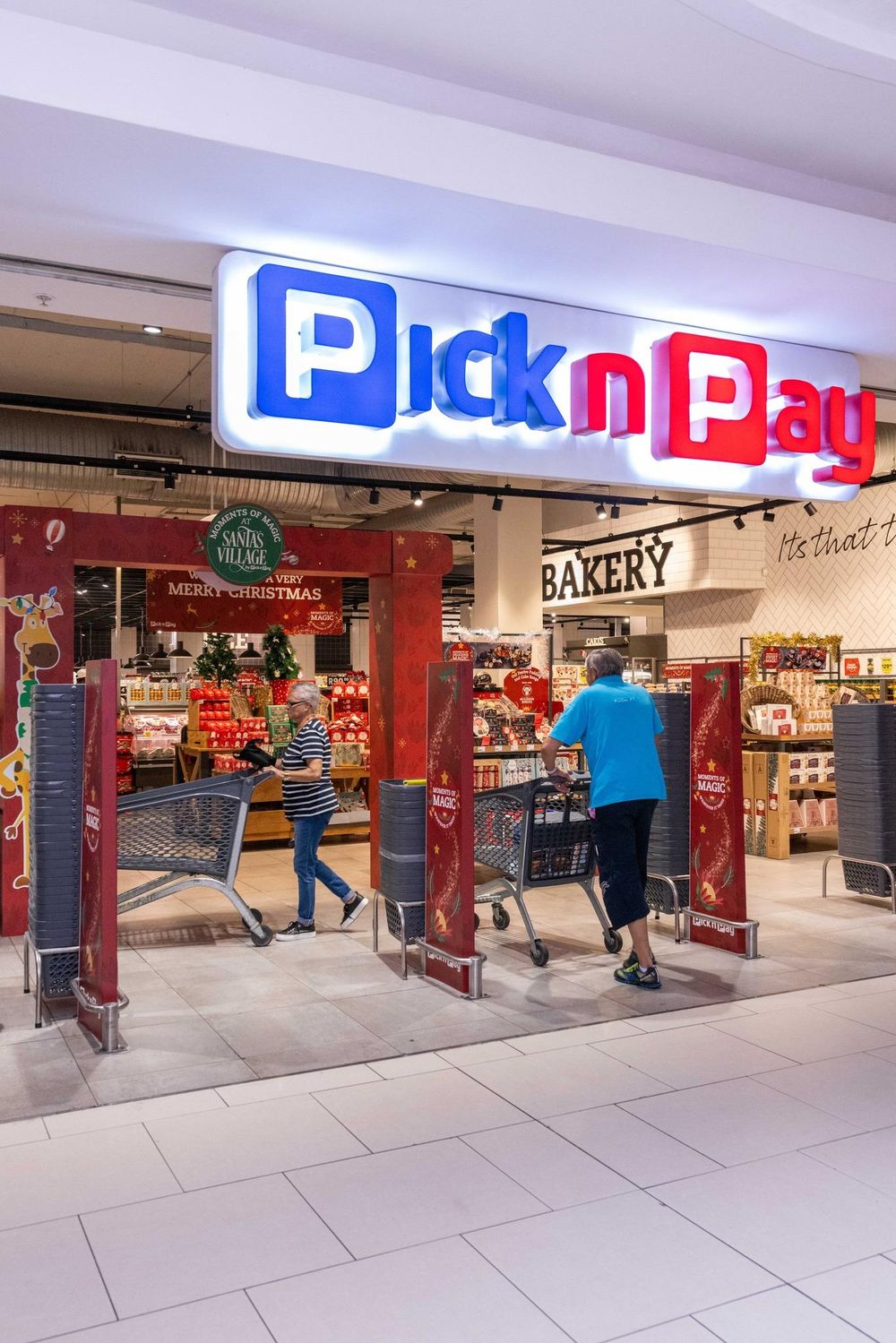
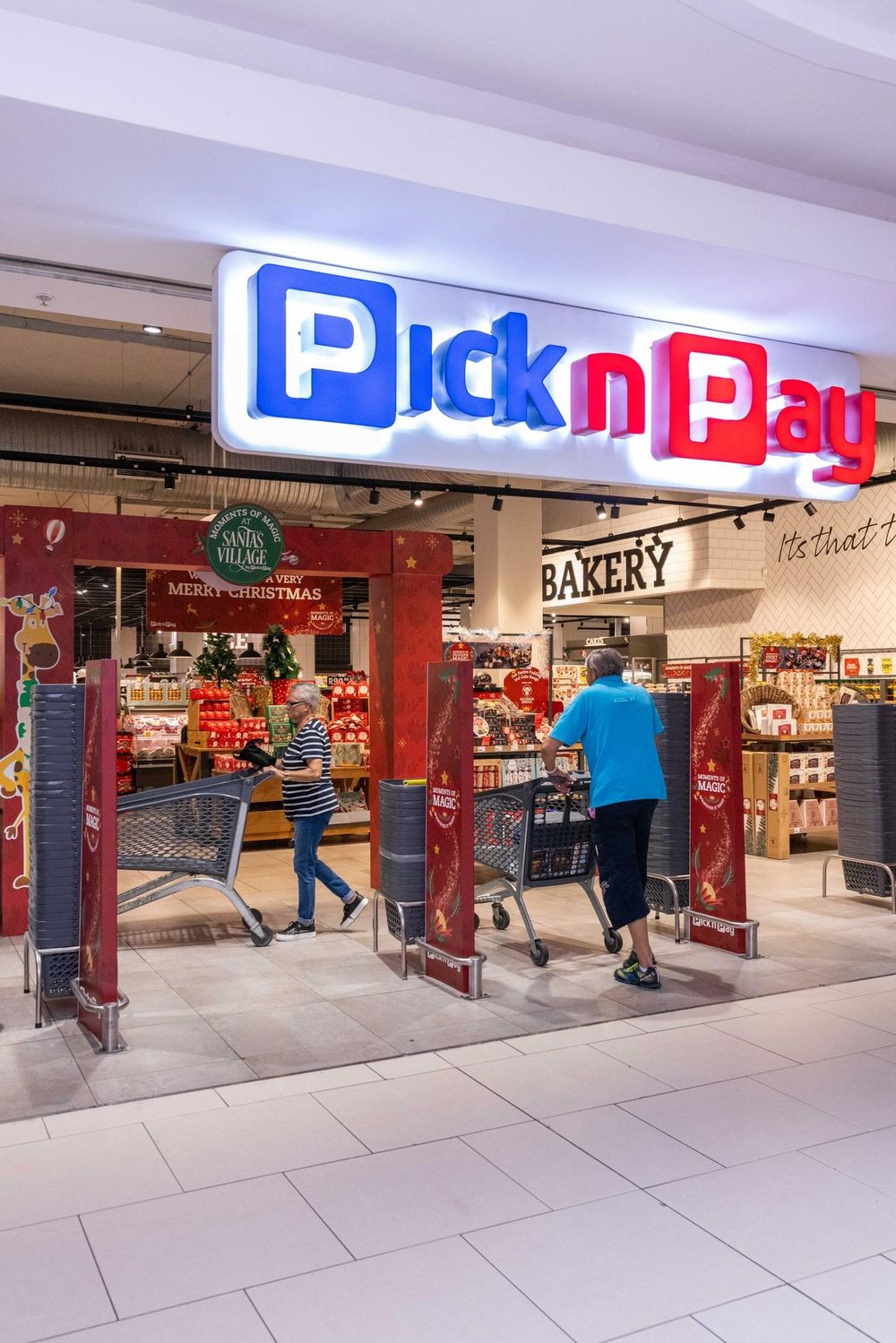
When retail maestro Sean Summers returned as Pick n Pay’s CEO in September 2023, he warned that turning around what was once South Africa’s second-largest grocery retailer would take time. Nearly three years later, the retailer has completed much of the heavy lifting, but the final stage of the recovery has become the most contentious and is now before the labour court.The court on Wednesday reserved judgment on an urgent application brought by the South African Commercial, Catering and Allied Workers Union (Saccawu), which wants to stop Pick n Pay’s proposed retrenchments. Pick n Pay argues that the labour overhaul is key to restoring its core supermarket business to profitability after years of mounting losses.(Dorothy Kgosi) Since Summers’ return, Pick n Pay has recapitalised its balance sheet, reset its leadership team and closed or converted underperforming stores. Those measures have helped stabilise the business, while the listing of its discount offering Boxer strengthened the group’s finances.Still, the retailer’s core Pick n Pay supermarkets remain loss-making. For the year ended March, the business reported a trading loss of R1bn, prompting management to extend its breakeven target for a second time. The company initially expected the core supermarket business to break even by the 2027 financial year; that was pushed out to 2028, and now it expects the business to reach break-even only in the 2029 financial year.The remaining phase of the turnaround involves improving the competitiveness of Pick n Pay’s supermarkets. The retailer had previously said its labour model no longer reflects how customers shop, leaving stores overstaffed during quieter trading periods while struggling to match demand at peak times, Business Day reported. It had also argued that some employment benefits are no longer aligned with the wider retail market.To address this, Pick n Pay started consultations with unions and staff affecting about 22,000 store-based, nonmanagement employees. The section 189A process includes proposed changes to working arrangements and employment conditions that the company says are necessary to create a more sustainable store model while avoiding job losses.Saccawu approached the Labour Court, seeking to urgently interdict the section 189A process. The union has told Business Day that many of the changes proposed by Pick n Pay should be negotiated through existing collective bargaining agreements rather than through retrenchment consultations.Saccawu deputy general secretary Jerry Mmoneri said the union believed progress had been made after both parties agreed to suspend the official consultation process and continue discussions via a bargaining forum.“We agreed as parties at some point to suspend the section 189A process and go to the correct forum that we have been calling for to engage and find a solution,” Mmoneri said.He said the union had submitted proposals that sought to accommodate the company’s operational challenges but alleged that Pick n Pay later resumed the section 189A process.Among the proposals disputed are changes to guaranteed working hours, the removal of the 13th pay cheque, attendance bonuses and transport provided to employees working early and late shifts. Saccawu says those conditions are protected by collective agreements and should be negotiated through established bargaining structures.Pick n Pay said it continues to support the consultation process, facilitated by the Commission for Conciliation, Mediation & Arbitration and will extend it during July, saying its goal is to establish a more competitive and suitable labour model that will enable the business to expand and generate jobs in the long run.“We remain confident in our legal position and have entered the section 189 consultation process as a business imperative, in direct response to operating losses incurred. Our aim remains not to lose jobs,” the retailer told Business Day.Having revised its turnaround deadline twice and now being entangled in a labour dispute, the question is whether the company can afford another setback. Business Day