Story audio is generated using AI
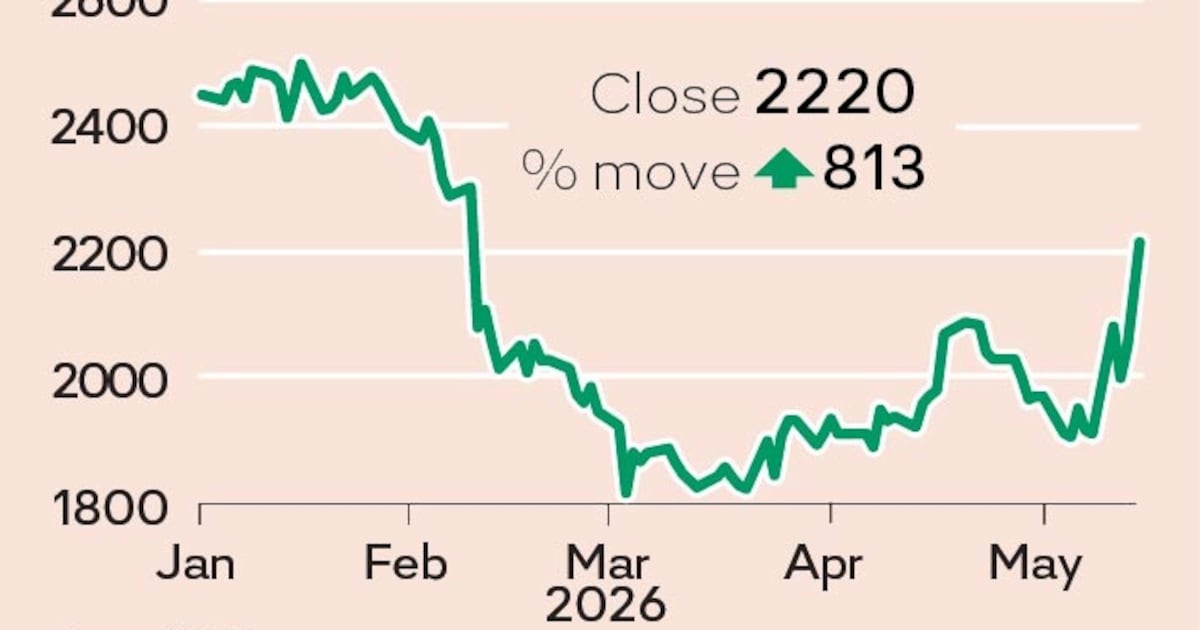
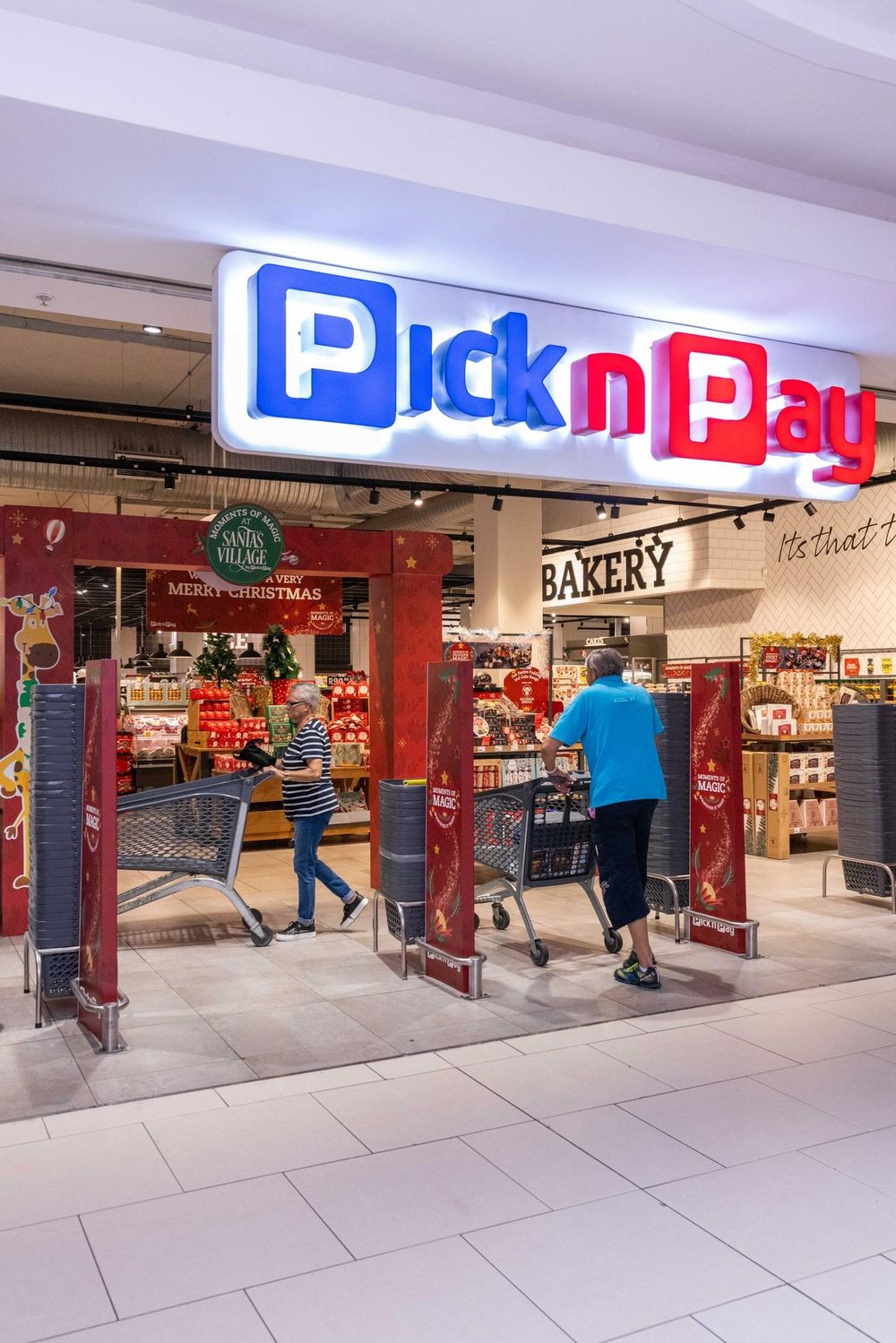
Are South Africa’s big retail and consumer goods turnarounds working or just buying time?That’s the question hanging over Pick n Pay, Spar, TFG and Tiger Brands as each group pushes through recovery plans years in the making. Though their stories are not directly comparable, the market’s early verdict is mixed at best: three of the four have seen their share prices fall by between a third and a half over the past three years, even as management teams point to asset sales, restructuring and improving margins as evidence of progress.Only Tiger Brands has convincingly turned the corner. Its share price is up more than 70% over three years under CEO Tjaart Kruger, with operating margins above 11% for the first time since before the pandemic. For the rest, the picture is murkier, and analysts say the next 12-18 months will determine whether these turnarounds are genuinely taking root or simply stemming the bleeding.“The recent [Tiger Brands] share-price pullback looks more valuation-driven than fundamental — investors had enjoyed a strong multiple rerating that carried the stock back to levels last seen in early 2018, and some of that enthusiasm is being given back,” said Aeon Investment Management head of research Shaakir Salie.The food producer’s turnaround followed the reputational and operational fallout from the 2018 listeriosis crisis. Tiger Brands has since simplified its portfolio by disposing of underperforming businesses while focusing on improving productivity, strengthening margins and concentrating on key brands. Its market capitalisation now stands at about R50bn, despite a 20% pullback this year.For the other three retailers, the path is far less settled and, according to Salie, far harder to call.(Karen Moolman) “Elsewhere, there are question marks, particularly at TFG and Pick n Pay, while it remains too early to judge Reeza Isaacs and Megan Pydigadu’s partnership as CEO and CFO of Spar. The Pick n Pay turnaround is really two different stories, depending on whether you’re looking at the share price or the supermarkets. “The share trades at a significant discount to its Boxer shareholding, ascribing a negative value to the core Pick n Pay business. On that basis, returns to shareholders aren’t fully reliant on a full, swift operational turnaround; they could come from a shift in sentiment, takeover interest, or management choosing to unbundle. The operational turnaround is the far harder one to call,” Salie said.Pick n Pay’s share price has fallen more than 38% over the past three years and over 16% in the past year, according to Iress data, leaving the retailer with a market capitalisation of about R15bn.Its turnaround follows years of underinvestment, supply chain inefficiencies and continued market share losses in its core supermarket business. While the Pick n Pay brand struggled, its discount format Boxer continued to outperform. The recovery plan under CEO Sean Summers has included, among other things, a capital raise exceeding R4bn, store closures and refurbishments, exiting clothing ranges in supermarkets and the Boxer unbundling. Pick n Pay has said the turnaround is expected to result in it breaking even by 2029, from an initially projected 2027.Spar has faced a different set of challenges altogether. The retailer’s share price has halved over three years.Its problems include a delayed, costly SAP IT implementation, which is now subject to litigation, as well as weaker international operations. Spar has exited Poland and Switzerland while refocusing on its core Southern African market. The wholesaler has also faced retailer dissatisfaction and governance concerns as the management attempts to stabilise operations and rebuild confidence.TFG’s turnaround has focused heavily on restructuring its international business. Its share price has dropped 31% over three years, with the past year being particularly tough, with a fall of 48%.The group has faced pressure from its UK and European operations due to high debt levels and weaker consumer demand. TFG London underwent restructuring, including store closures and brand rationalisation. Its African and Australian operations have continued to provide support, putting the group further along in its recovery journey than the steep 12-month share price fall suggests.“Tiger Brands has had the least in the way of structural issues to deal with. Pick n Pay has had a few hiccups along the way but has done well with the Boxer listing, getting to a net cash balance sheet, and growing sales while attempting to right-size the business at the same time. Spar has also made progress by exiting Poland and Switzerland,” said MP9 Asset Management chief investment officer Aheesh Singh. “All three retailers [TFG, Pick n Pay and Spar] still have a long way to go, and the landscape they’re operating in makes it no easy task. The ability to operationalise well, manage competition and keep customers happy is what matters most for success, and what success looks like is different for each of them.”The next test for all four companies will be whether their turnaround plans can move beyond restructuring and cost-cutting into sustained growth, stronger customer demand and improved financial performance — and whether the market’s scepticism toward three of the four is a temporary setback or a verdict on execution.Beneath the headline numbers, shopper-level data suggests the recoveries are more fragile than they appear. According to Trade Intelligence, like-for-like growth at Pick n Pay and Spar partly reflects the closure of underperforming stores rather than genuine customer wins, and both retailers have seen shopper penetration decline, with Pick n Pay falling from 32% in 2024 to 21% in 2026 and Spar from 32% to 29% over the same period. Much of that lost ground appears to be migrating within the same stable: Trade Intelligence says Boxer’s penetration has climbed from 25% to 30% since 2023, overtaking Pick n Pay and Spar, a shift driven partly by the conversion of some Pick n Pay stores into Boxer outlets. Shoprite, meanwhile, continues to extend a run of seven consecutive years of market share gains.For Spar, the data points to a quieter but equally telling concern: franchisee loyalty, measured by purchases through the Spar distribution centre network, has remained about flat at 78.5% against a group target of 80%, with only marginal improvement despite the broader turnaround push, the market researcher said.