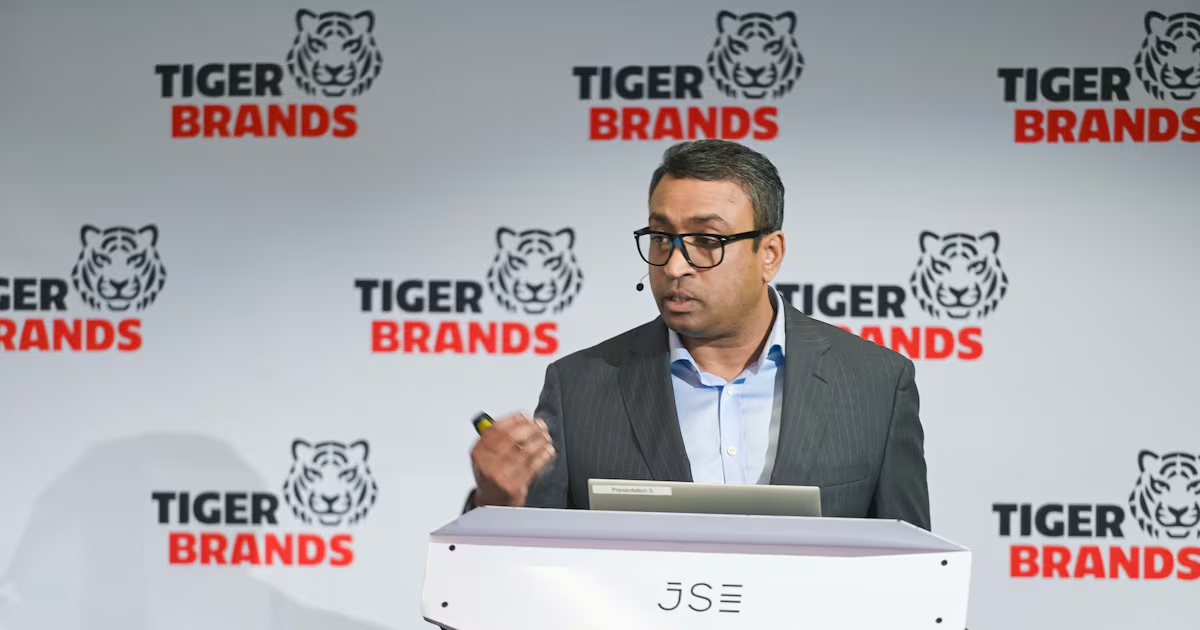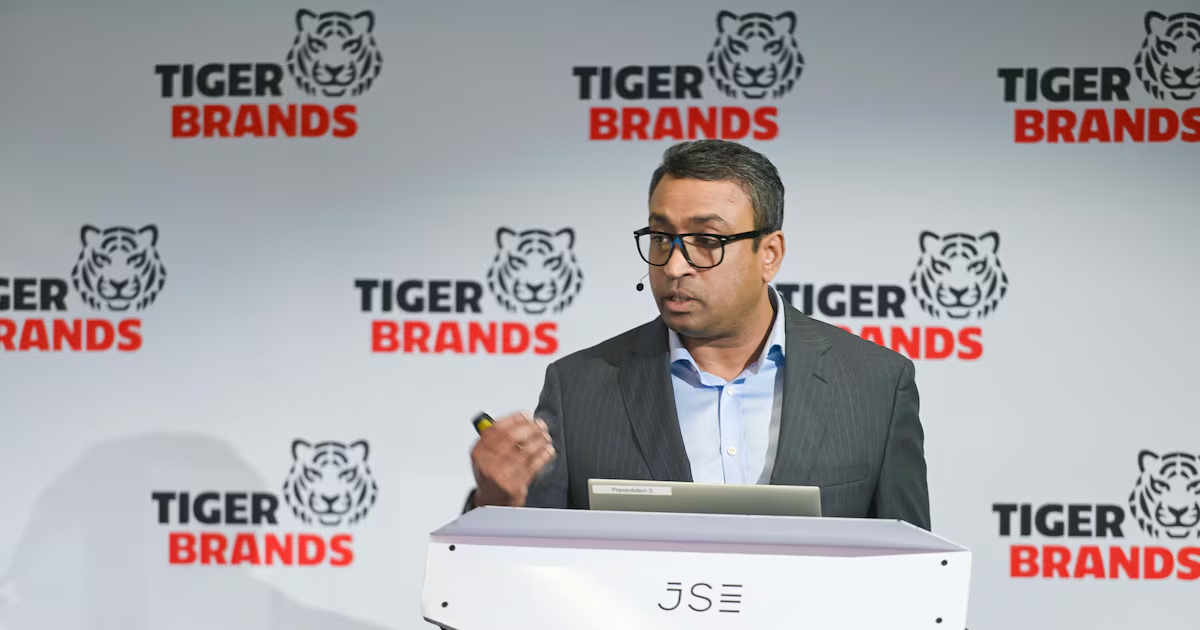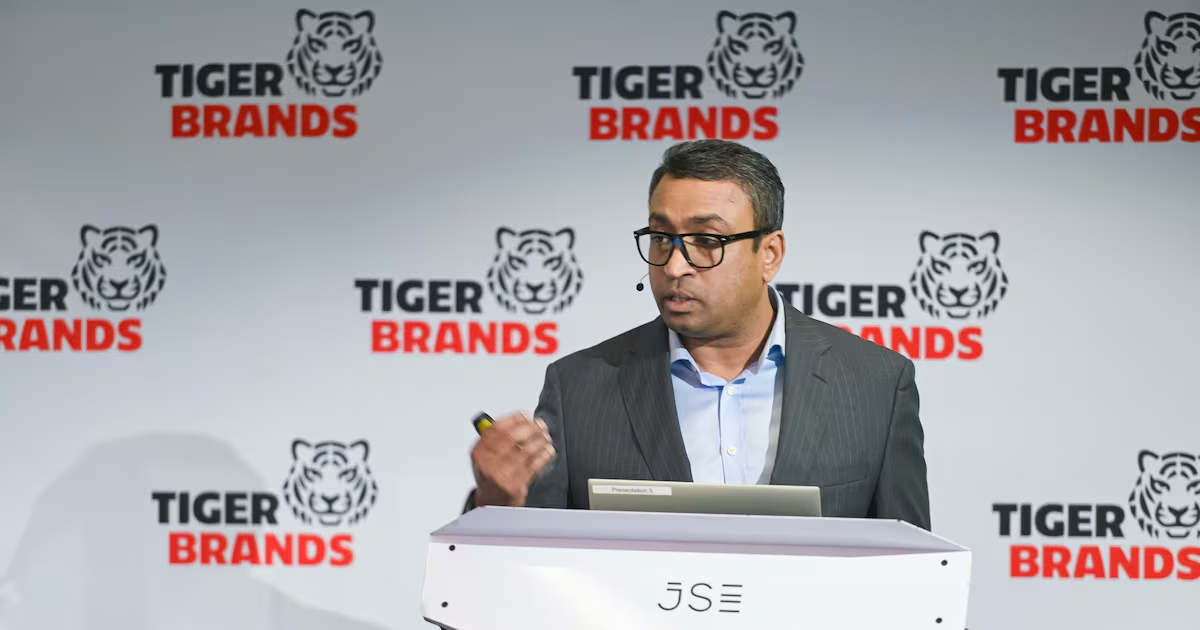
Tiger Brands CFO Thushen Govender has pushed back against a sharp decline in the food producer’s share price, saying it does not reflect the underlying performance of the business as it undergoes a sweeping turnaround.Govender’s comments highlight a gap between Tiger Brands’ internal view of its performance and the market’s current valuation, as investors continue to weigh execution risks against signs of recovery.The group’s shares have fallen more than 16% over the past year, according to Iress data. This has left the producer of Black Cat peanut butter and Jungle Oats with a market capitalisation of about R48bn, even though its operating performance has improved.“We believe the share is undervalued,” Govender told Business Day after the group’s interim results release on Monday.
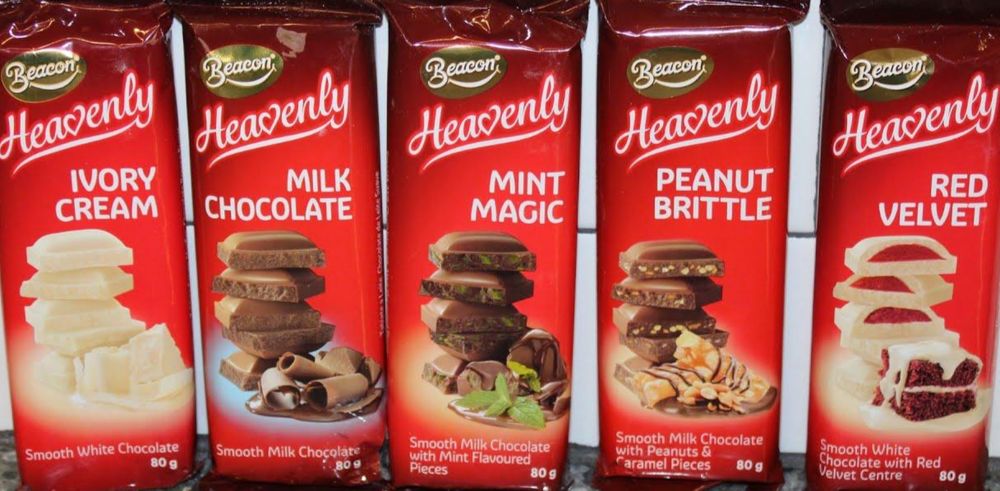
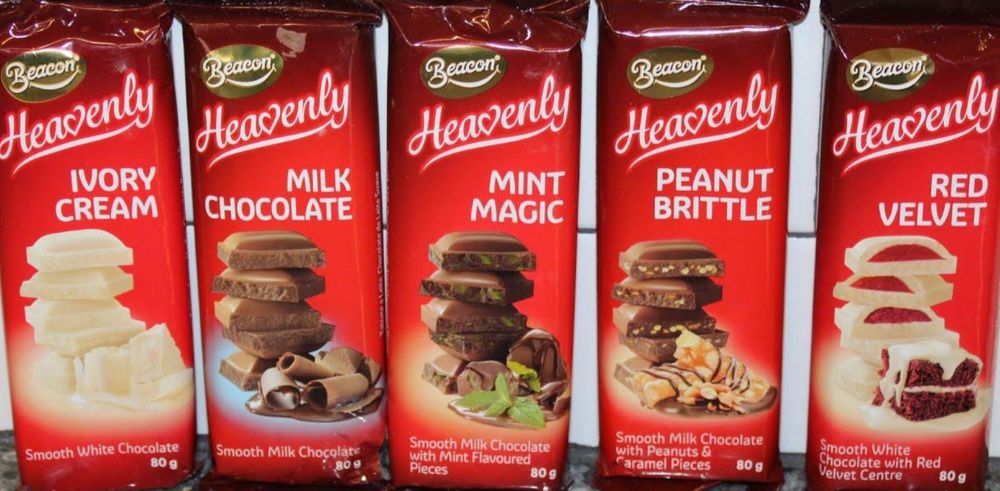
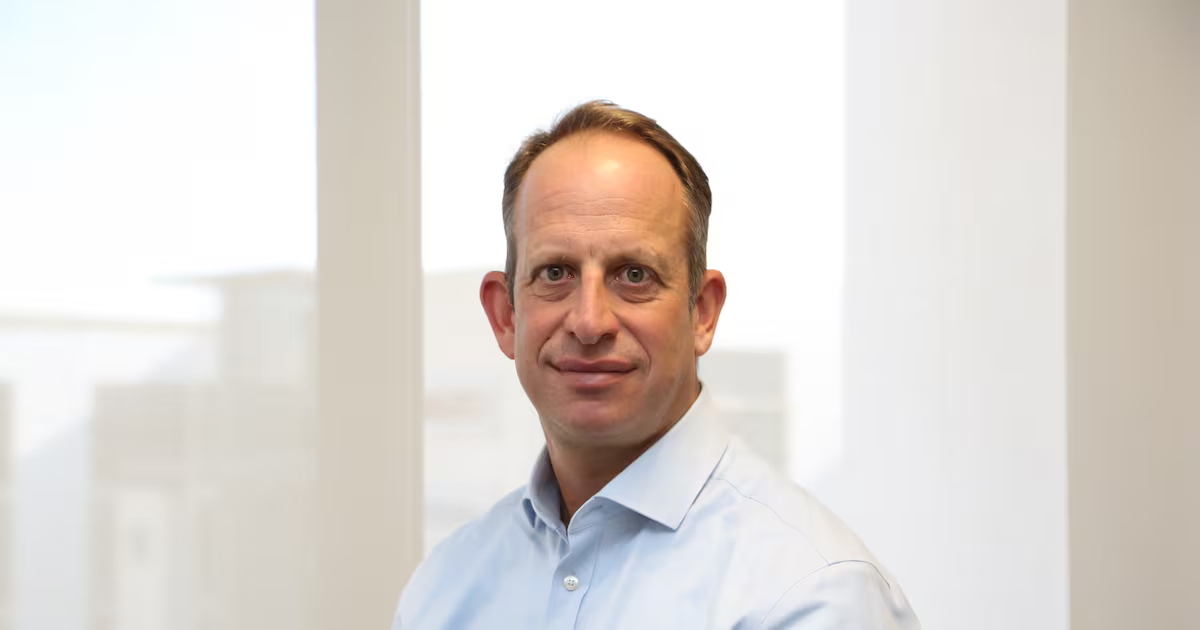
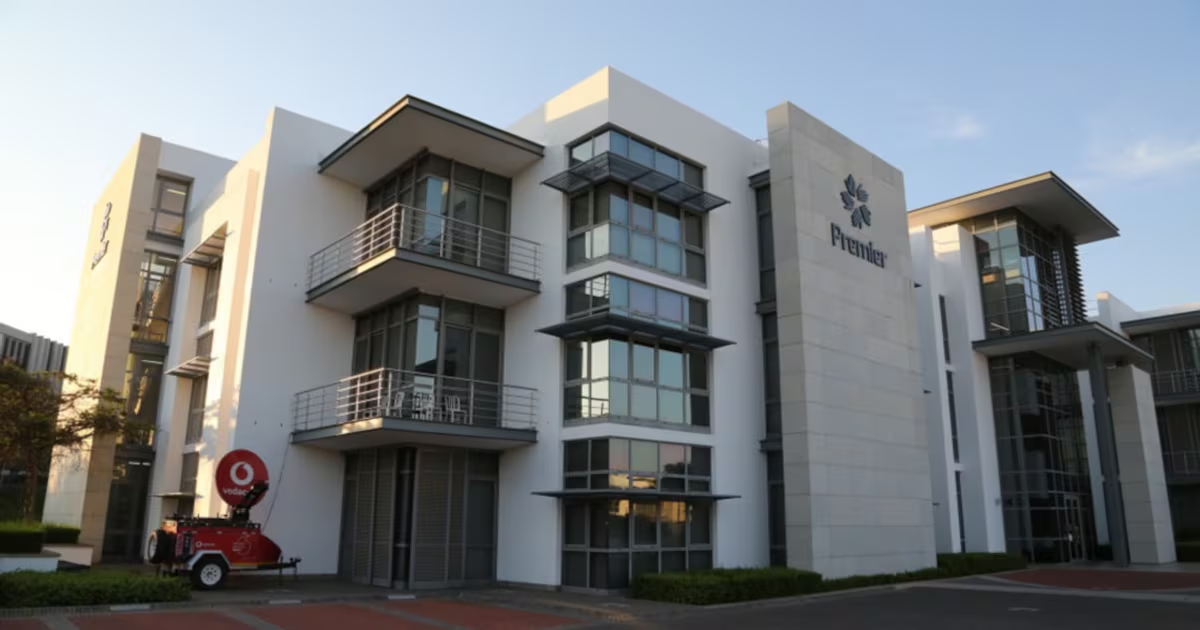
This statement comes at a critical point for Tiger Brands, which is in the middle of a multiyear effort to rebuild margins, restore volumes and fix operational inefficiencies that have weighed on performance.Under Tjaart Kruger, who was appointed CEO in 2023, Tiger Brands has simplified its structure, cut costs and is exiting underperforming or noncore businesses. This includes recent disposals such as parts of the Beacon chocolate operation, which was confirmed on Monday, alongside earlier portfolio changes.The group has also stepped up capital returns to shareholders through dividends and share buybacks. According to Govender, returning value to shareholders remains a top priority for the company.“We will continue to return excess cash to shareholders where appropriate,” he said.Despite these efforts, Tiger Brands’ share price has continued to lag rival Premier. With a market capitalisation of R28.4bn, Premier shares have climbed more than 30% over the past 12 months. AVI, valued at R31.8bn, has delivered a largely flat performance, while the value of RCL Foods, with a market capitalisation of R7.1bn, fell more than 18%.(Dorothy Kgosi) Its historical dividend yield of 5.81%, however, places it between higher-yielding peers such as AVI and RCL and lower-yielding Premier.Govender has pointed to improving operational metrics as evidence that the turnaround is gaining traction. Operating income has risen in the first half of the group’s 2026 financial year, boosted by cost-saving initiatives and volume growth, even as pricing has remained constrained in a weak consumer environment.“We are focused on improving the quality of earnings and driving sustainable growth,” the CFO said.Govender said Tiger Brands continues to face external pressures, including constrained consumer spending, input cost volatility and ongoing local infrastructure challenges.He has told Business Day the portfolio restructuring is nearing completion, with only a limited number of disposals still under way. He said focus is moving towards strengthening core brands and driving growth from within its remaining operations.Tiger Brands will continue to prioritise operational discipline, portfolio focus and capital allocation as it works to improve returns and stabilise long-term performance, Govender said.