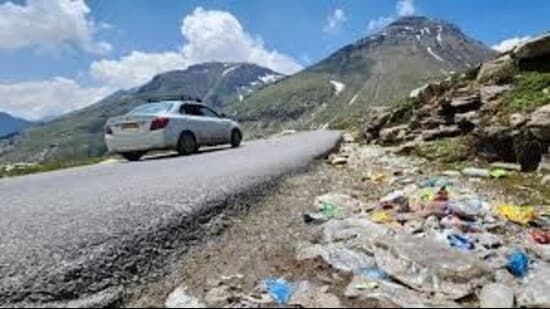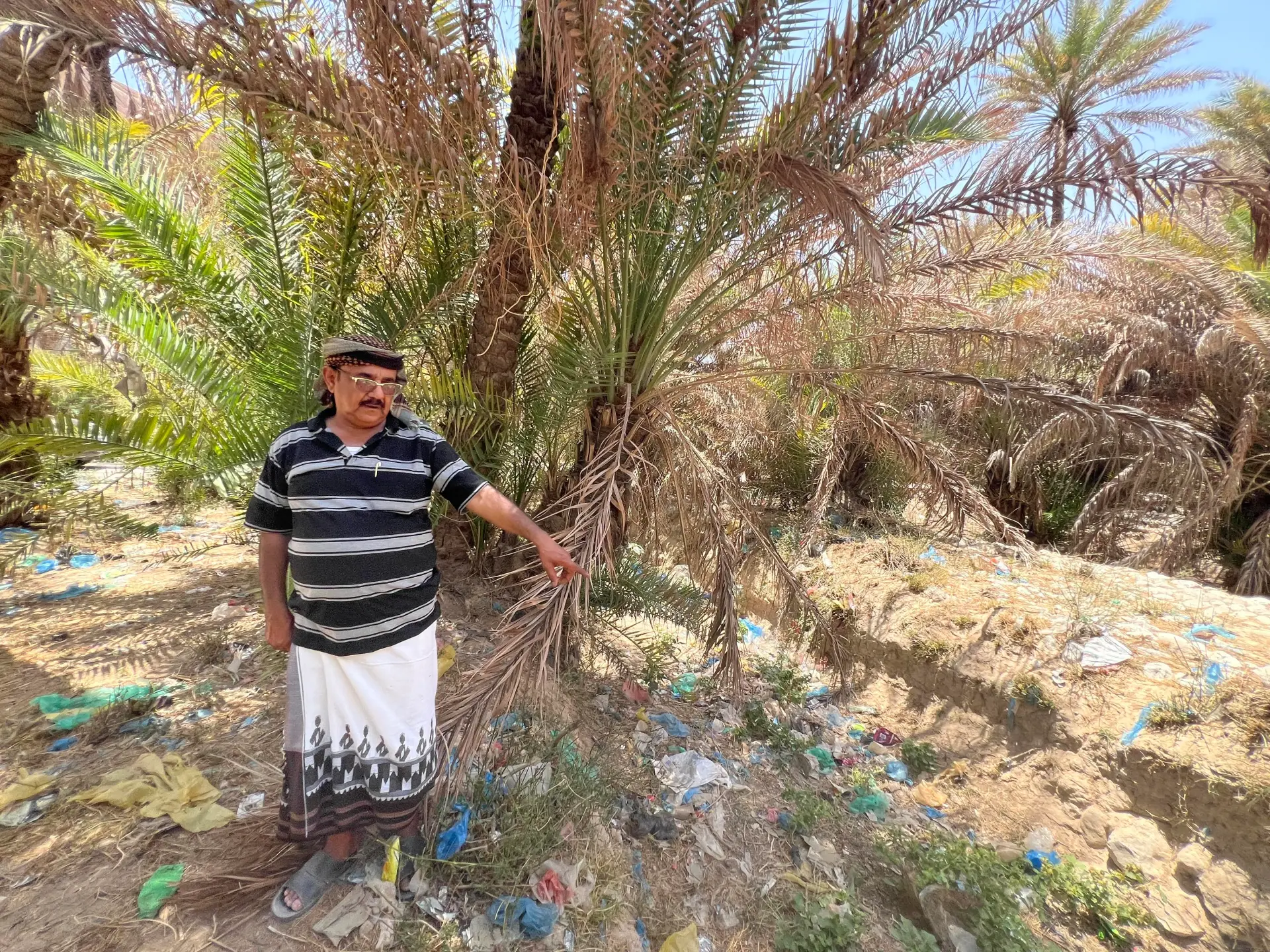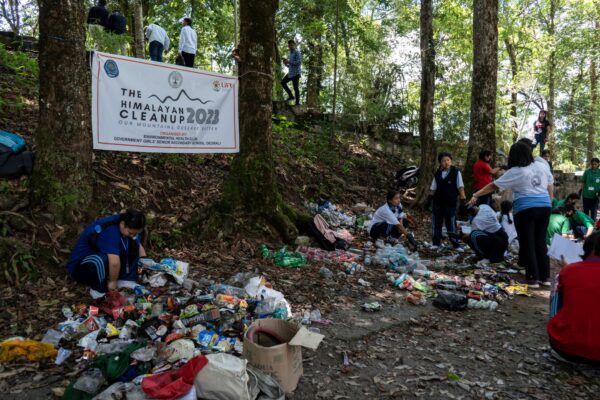
Every cleanup in Ladakh, India, tells the same story. Volunteers arrive expecting pristine mountains, crystal-clear streams, and breathtaking landscapes, only to find colorful snack wrappers buried in the soil, plastic bottles washed into rivers, and food packaging scattered across mountain slopes. Visitors move on, but leave their rubbish behind.
More than just a litter problem, this is evidence of a broken system that continues to push disposable plastic into one of the world’s most fragile mountain ecosystems while expecting local communities to manage the consequences.
The evidence gathered through The Himalayan Cleanup (THC) 2025 and 2026, coordinated by Little Green World, Navikru Eco Foundation, and local stakeholders, leaves little room for doubt. In 2025, volunteers cleaned 59 sites across Ladakh and documented 22,582 waste items, with more than 21,000 of which were plastic. Just over 74 percent of the plastic collected was non-recyclable.
One year later, THC 2026 painted an equally worrying picture. Across 19 cleanup sites, 1,050 volunteers from 23 schools and organizations collected 19,521 waste items, of which 18,709 (95.8 percent) were plastic. Even more alarming, 75.6 percent of this plastic was non-recyclable, while 71.5 percent consisted of multilayer packaging – the wrappers used for chips, biscuits, confectionery and other everyday products that have little recycling value.