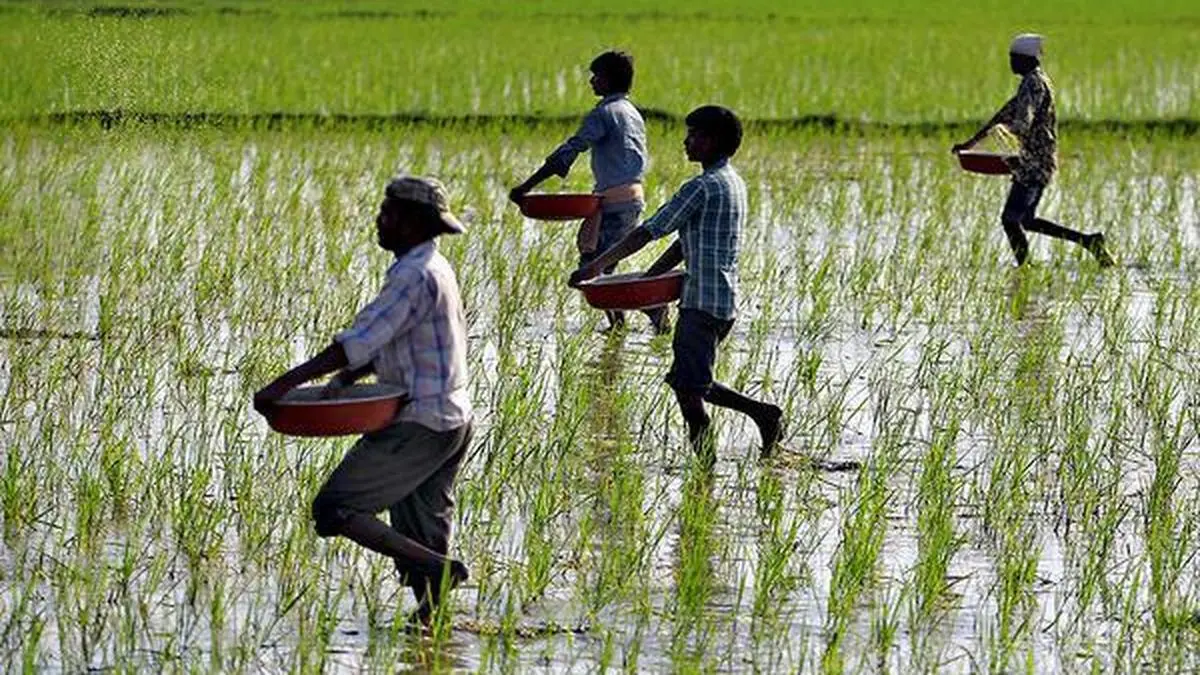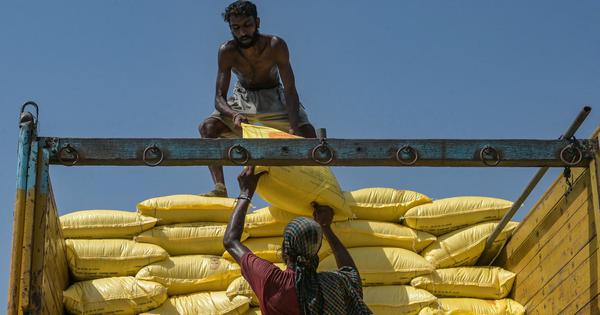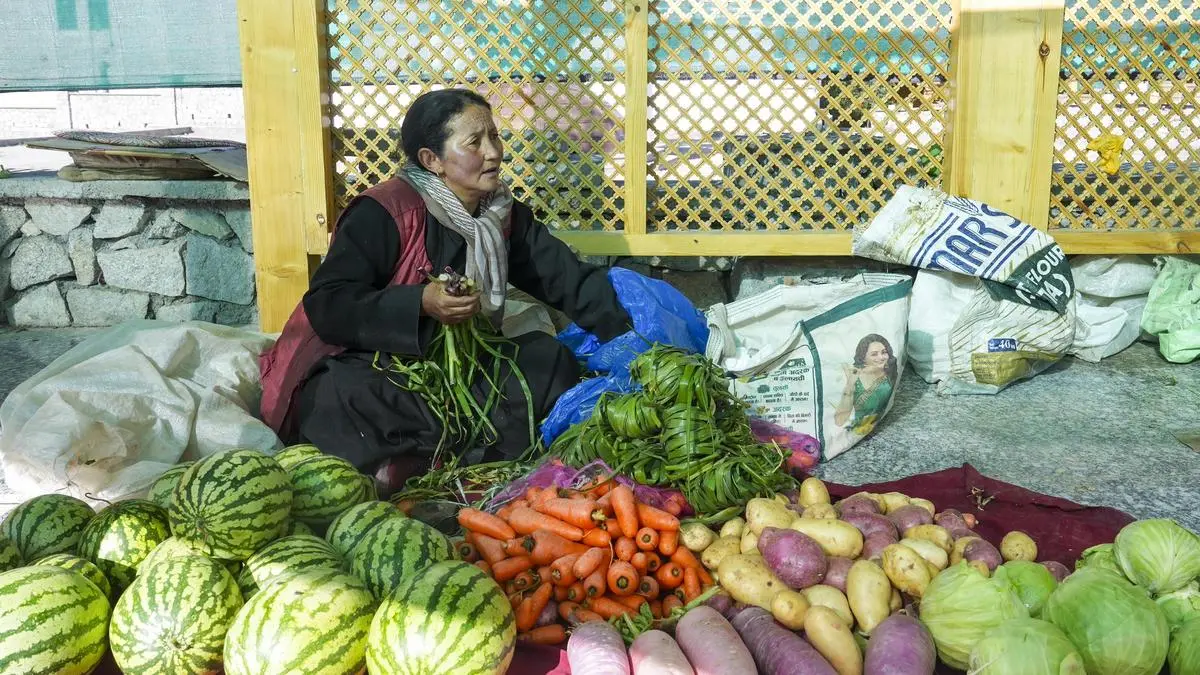
Farmers face challenges in accessing sufficient organic manure for crops.
| Photo Credit:
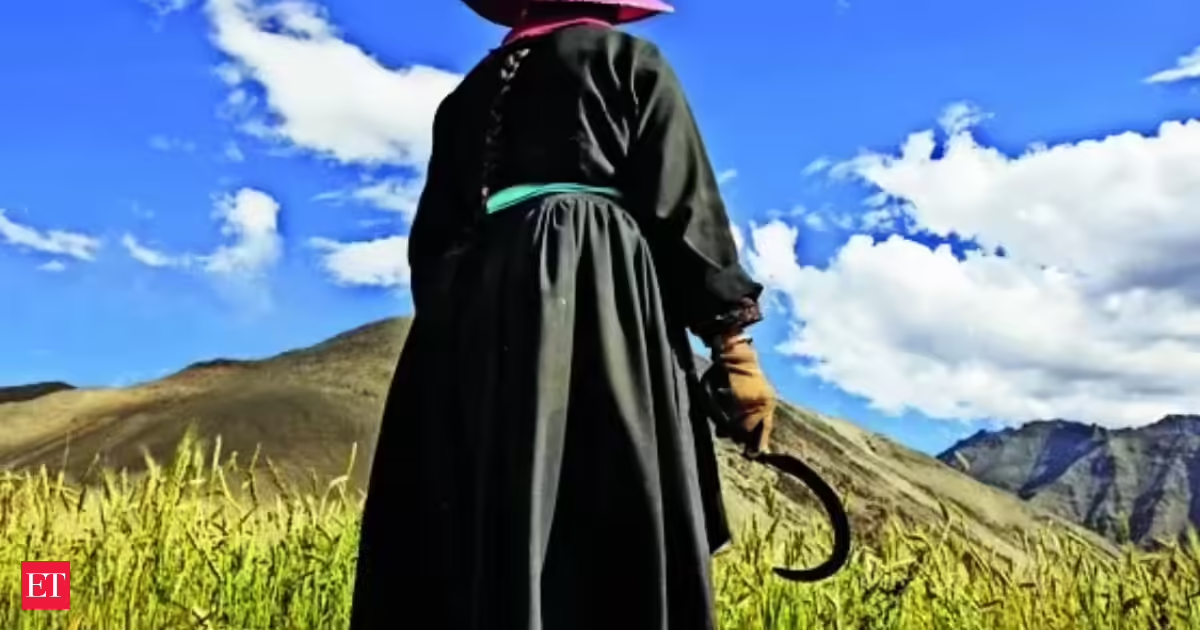
The Ladakh administration’s decision to ban the sale and use of chemical fertilisers marks a significant step toward its ambition to become India’s first fully organic Union Territory. However, even as the move is being hailed as a boost for sustainable agriculture, farmers say the success of the transition will depend on one critical factor: the availability of organic manure.The ban, announced by LG VK Saxena last week, aligns with Ladakh’s long-term plan to promote natural farming and preserve the fragile Himalayan ecosystem. The Union Territory has already brought 207 revenue villages under organic certification and, under the Mission Organic Development Initiative (MODI) launched in 2020, aims to convert all 666 villages into certified organic hubs. The ₹500-crore initiative includes support for bio-fertiliser production, seed distribution, protected cultivation and marketing of organic produce.Organic shift to impact a wide range of cropsLadakh’s farmers cultivate a diverse range of crops suited to its high-altitude, cold-desert climate. Staple crops include barley, wheat, peas, buckwheat, foxtail millet, and mustard seed, while vegetable cultivation includes cabbage, cauliflower, tomato, onion, carrot, potato, radish, turnip, and various green leafy vegetables. The region is also known for its horticulture, producing apricots, apples, walnuts, pears, grapes, and mulberries. With chemical fertilisers now banned, the organic transition will directly affect yields and quality across this entire range of crops, raising the stakes for ensuring farmers have adequate access to alternative nutrient sources.Farmers flag shortage of organic manureFor many farmers, however, the challenge lies not in adopting organic farming but in finding enough manure.Before chemical fertilisers were introduced in the 1980s, farming in Ladakh was entirely organic. We used cow dung and even compost from traditional dry toilets to fertilise our fields,” said Tashi Namgyal, a farmer from Leh.He said those traditional sources have steadily diminished over the years.“Livestock numbers have declined, and many households have replaced dry toilets with modern sanitation systems. That has reduced the availability of organic manure, making it difficult for farmers to meet their requirements,” Namgyal said.Farmers say the administration has put in place mechanisms to ease the shortage, but demand is likely to rise sharply after the ban.Stanzin Phungchok, another farmer from the region, said traditional dry toilets now survive mostly in remote villages, limiting one of Ladakh’s long-standing sources of compost.“Village heads submit the requirement for organic manure to the authorities, and cooperatives supply it to farmers at subsidised rates,” he said. “The system is helping, but livestock-based compost is declining, and that remains a concern.”Success hinges on reliable organic inputsIn 2020, officials earmarked ₹50 crore under the Mission Organic Development Initiative programme for developing the organic value chain and ₹125.54 crore for protected cultivation, including subsidised greenhouses. The Ladakh Autonomous Hill Development Council in Leh also offered incentives to encourage sustainable farming practices.Agriculture experts say the fertiliser ban could strengthen Ladakh’s brand as a producer of premium organic crops, but only if the administration can ensure a reliable supply of organic inputs.Without expanding compost production, bio-fertiliser units and livestock-based manure availability, they say, the Union Territory’s ambitious organic transition could face its toughest challenge in the fields rather than on paper.Published on July 22, 2026