Support CleanTechnica's work through a Substack subscription, on Patreon, or on Stripe. Help us produce all of the high-quality, original content we publish week after week despite the challenges of content-scraping AI, antisocial media, inflation, and other hurdles.
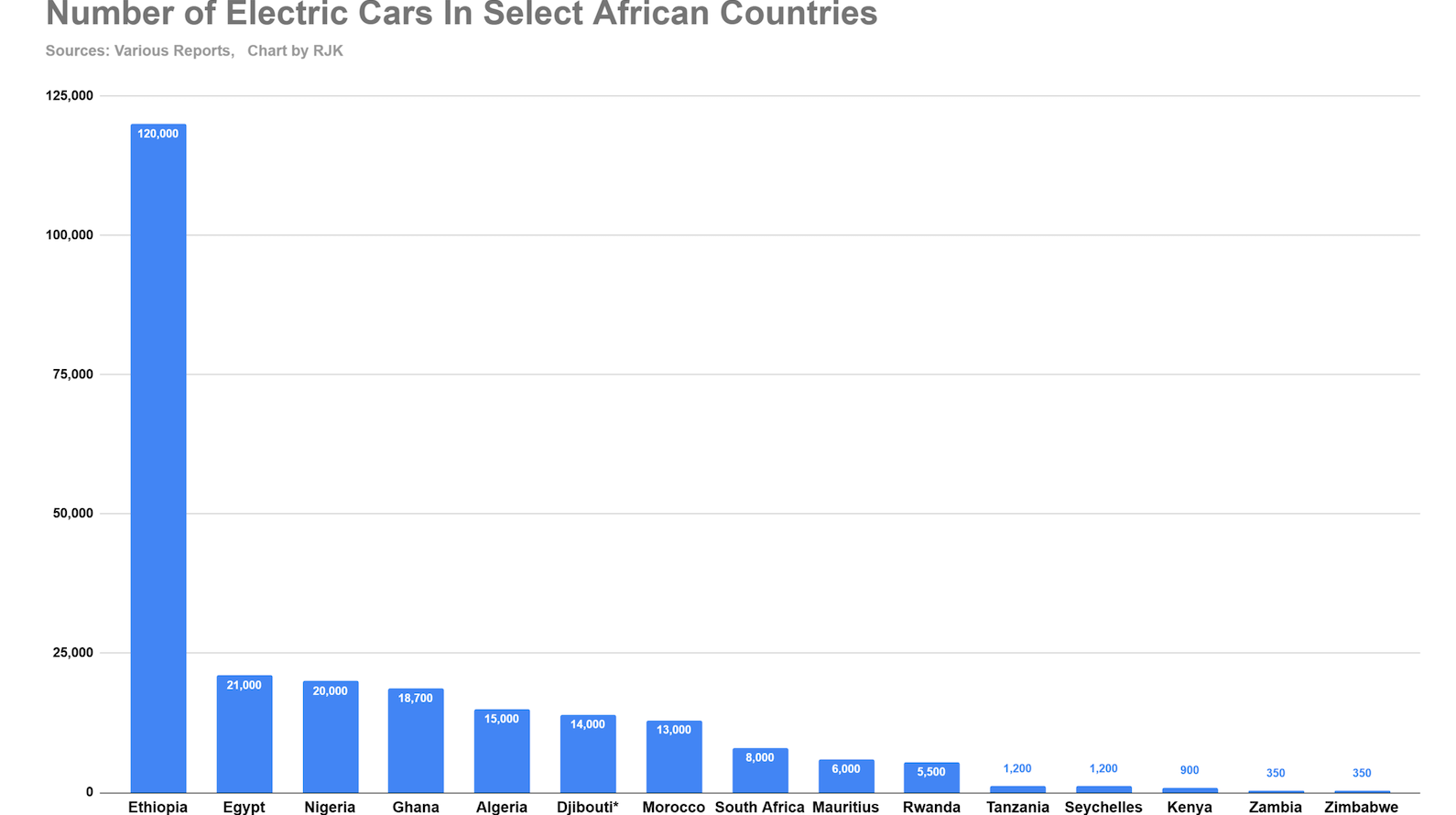
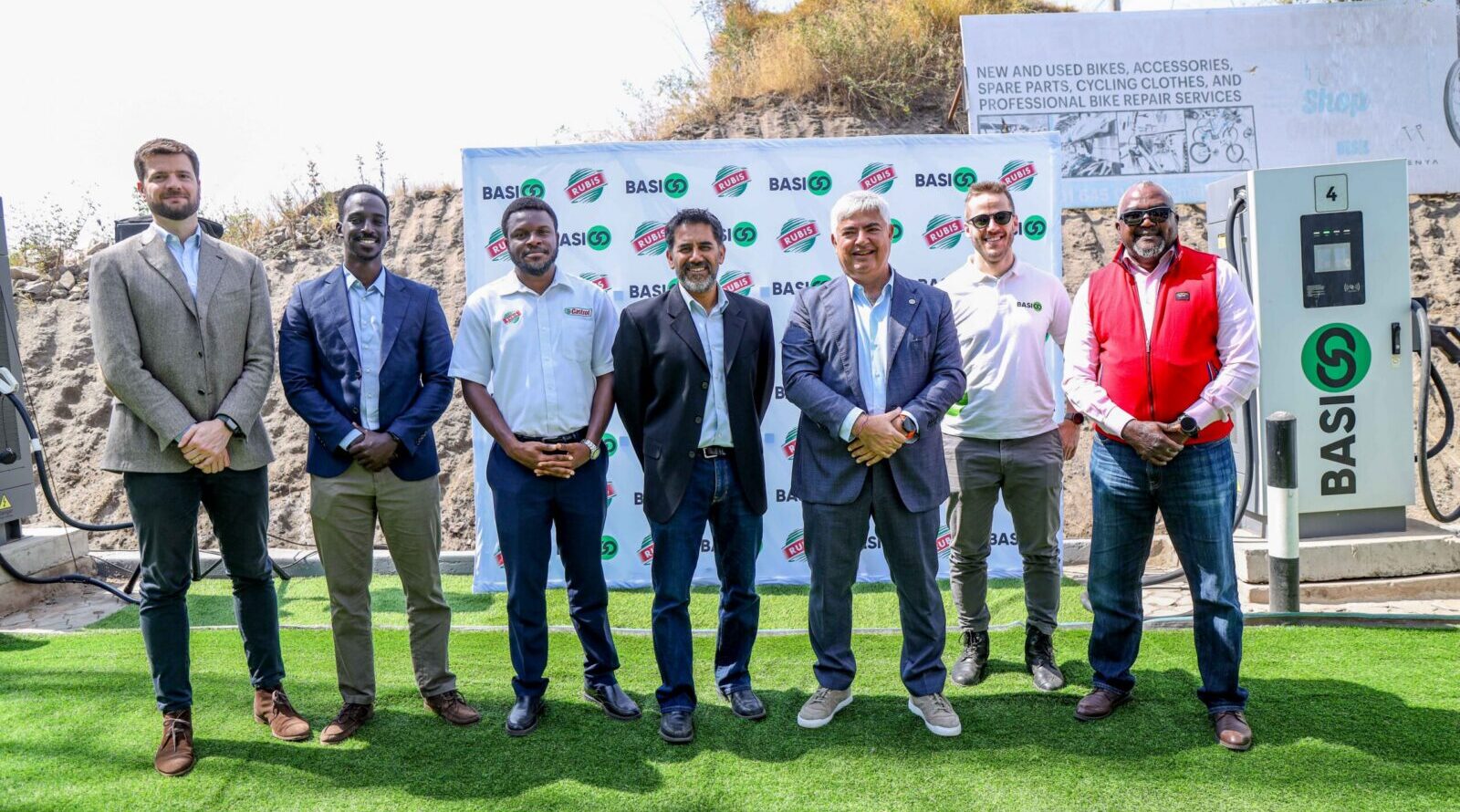
Kenya is, surprisingly, one of the countries that is lagging behind when it comes to the adoption of electric cars. One sector that has seen some significant action in Kenya, however, is the electric bus segment, catalysed by innovative pay-as-you-drive programs which are essentially energy as a service channels. For example, BasiGo’s pay-as-you-drive offering unbundles ownership of the battery from the vehicle. Transport operators then get access to a bus at a price that is more comparative to a diesel bus and then pay a subscription for an energy bundle packaged as a battery rental that includes all charging, all scheduled maintenance, and roadside assistance. Through the pay-as-you-drive service, bus owners are also provided with real-time monitoring and comprehensive analytics of every electric bus in their fleet.
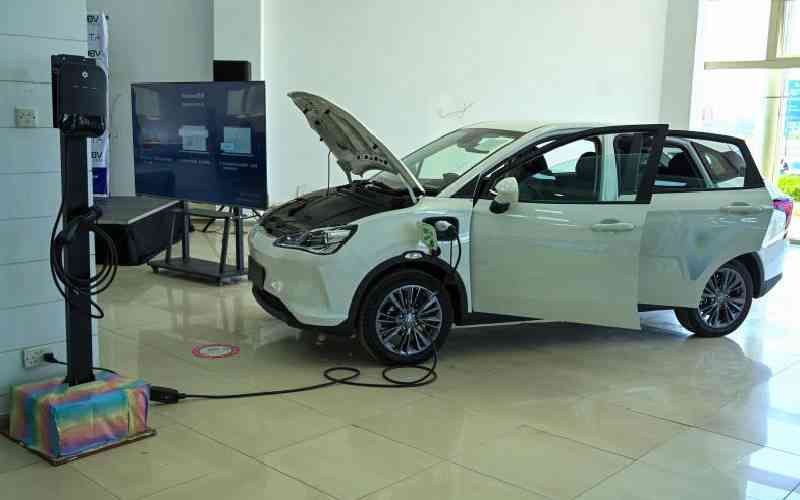
As this charging infrastructure grows to support an expansion bus fleet, there will be room to open it up to the public to charge their electric cars. The main driver of a successful charging business is utilisation. With Kenya’s low penetration of electric cars, a stand-alone infrastructure business becomes a challenge. But a charging network underpinned by the captive electric bus fleet becomes promising. Therefore, the increasing adoption of electric buses in Kenya could play a key role in supporting the adoption of electric cars, as EV owners’ concerns around the availability of adequate infrastructure, and ultimately range anxiety, will slowly but surely be alleviated.