Support CleanTechnica's work through a Substack subscription or on Stripe.
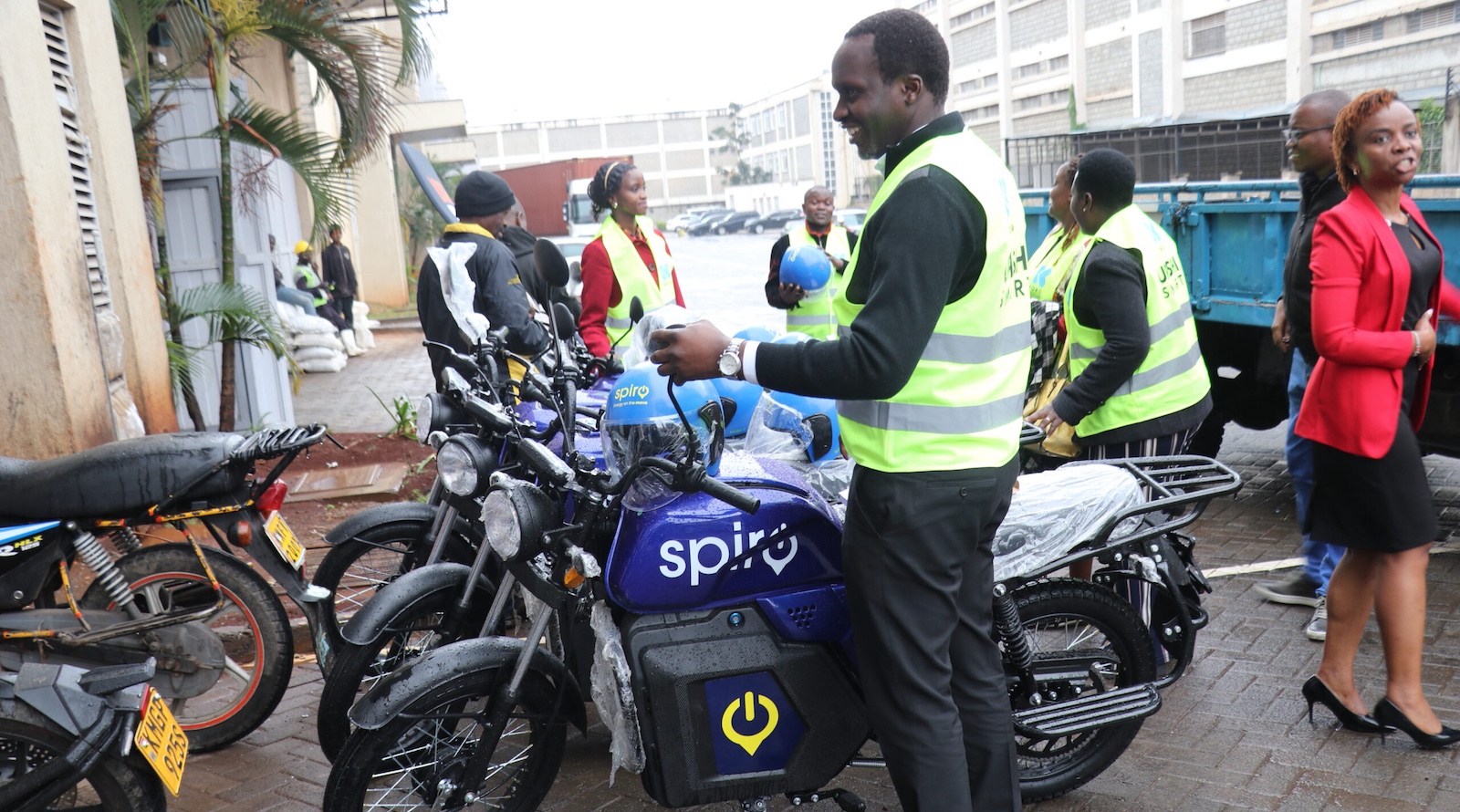
Kenya’s electric motorcycle sector is starting to blossom now as several firms move from initial commercialisation of their products to full commercialisation, and scaling up their operations. In the beginning, several startups moved to validate their models using electric motorcycles built with off-the-shelf battery cells, BMS, controllers, motors, and other components all bundled into a package housed into a frame of old internal combustion engine motorcycles that had the ICE components stripped out. During this early pilot phase, the startups worked on the ground with motorcycle taxi riders to gather insights on the critical requirements to build electric motorcycles that are best fit for local conditions.
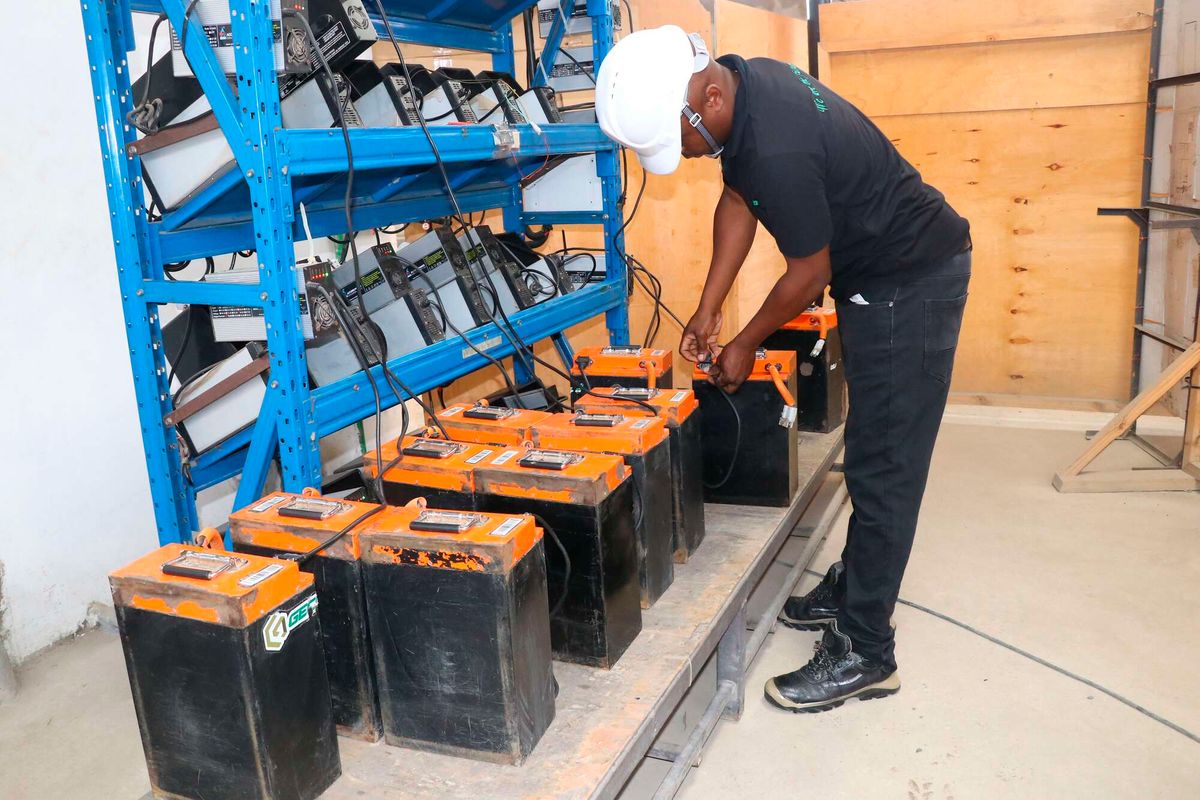
Armed with real-world data, they raised grant funding, debt, as well as equity investment to build essentially the first generation of their own motorcycles with proprietary BMS from their own designs guided by local findings. These motorcycles were then deployed on the ground in volumes of tens, and eventually low hundreds, leading to more iterations of the motorcycles themselves as well as the battery charging/swapping infrastructure. At this stage, all companies were involved across the whole value chain. That meant developing the electric motorcycles as well as the enabling infrastructure for charging batteries at their battery swapping hubs and other related services. This stage helped prove the unit economics, the demand for electric motorcycles, backed by the large addressable market in Kenya, a market that has over 2 million internal combustion engine motorcycles.