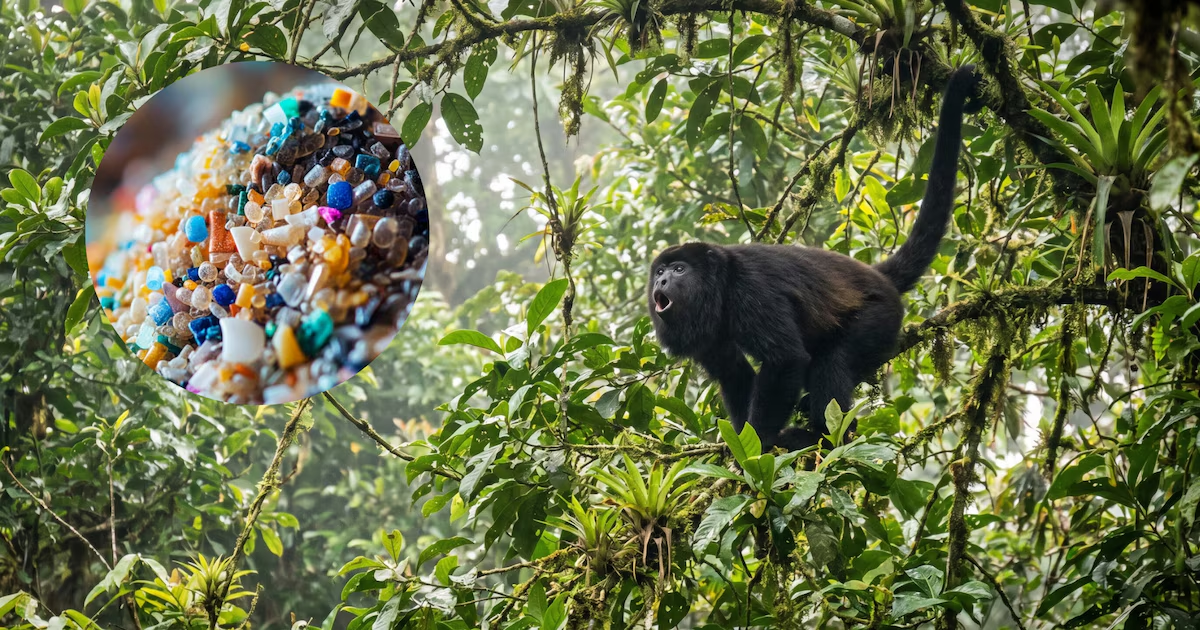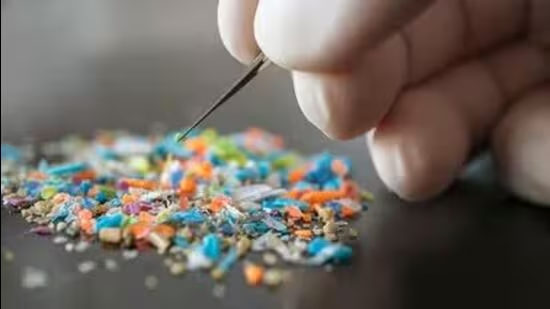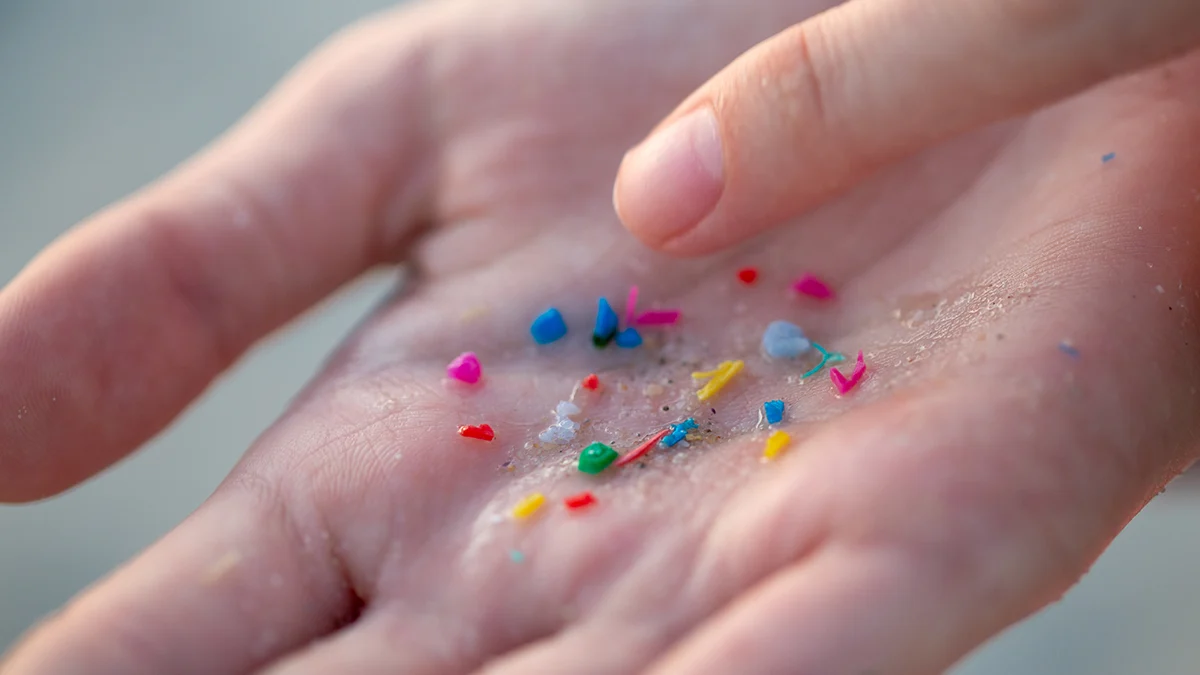
Scientists have detected microplastics in the digestive systems of red howler monkeys living in protected areas in the Brazilian Amazon, marking the first evidence of plastic ingestion by a tree-dwelling primate, according to a recent study.
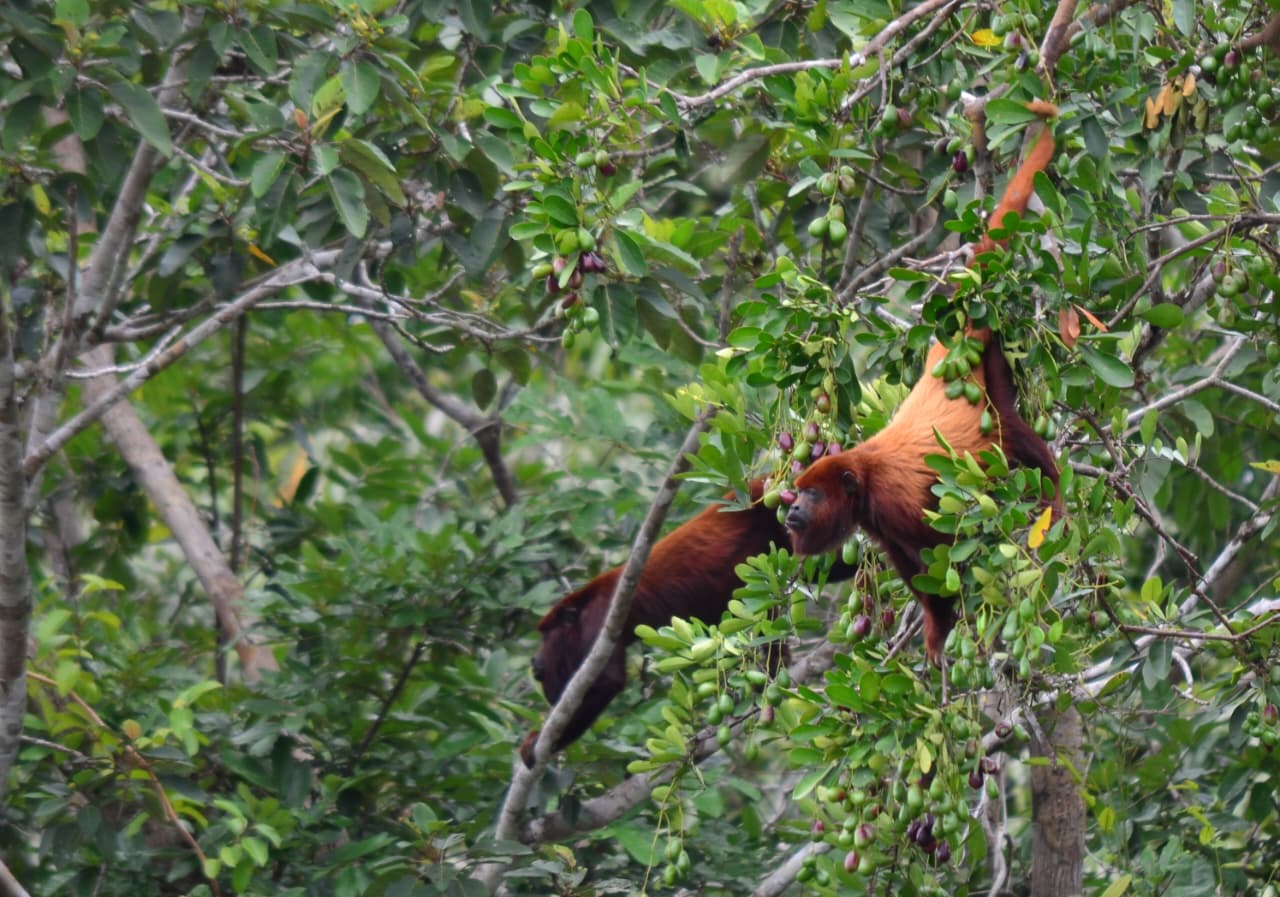
The researchers evaluated 47 Juruá red howler monkeys (Alouatta juara) and found green-colored microplastic filaments, smaller than 5 millimeters (0.2 inches), in the stomachs of two individuals. The monkeys, called guaribas or bugios locally, lived in the Mamirauá and Amanã sustainable development reserves in Amazonas state in northwestern Brazil.
“The frequency was low. We found [plastic] in only two monkeys. Still, that’s already a lot. I would have preferred to find none,” lead author Anamélia de Souza Jesus, a researcher at the government-funded Mamirauá Institute, in Tefé in Amazonas state, told Mongabay by phone. “Finding microplastics in preserved environments sounds an alarm. It shows that plastic pollution is reaching places we assumed were protected.”
No animals were killed or harmed for the study. Rather, the researchers relied on remains of monkeys donated by subsistence hunters through a two-decade partnership between local communities. This allowed the scientists to study organs that would otherwise have been discarded.