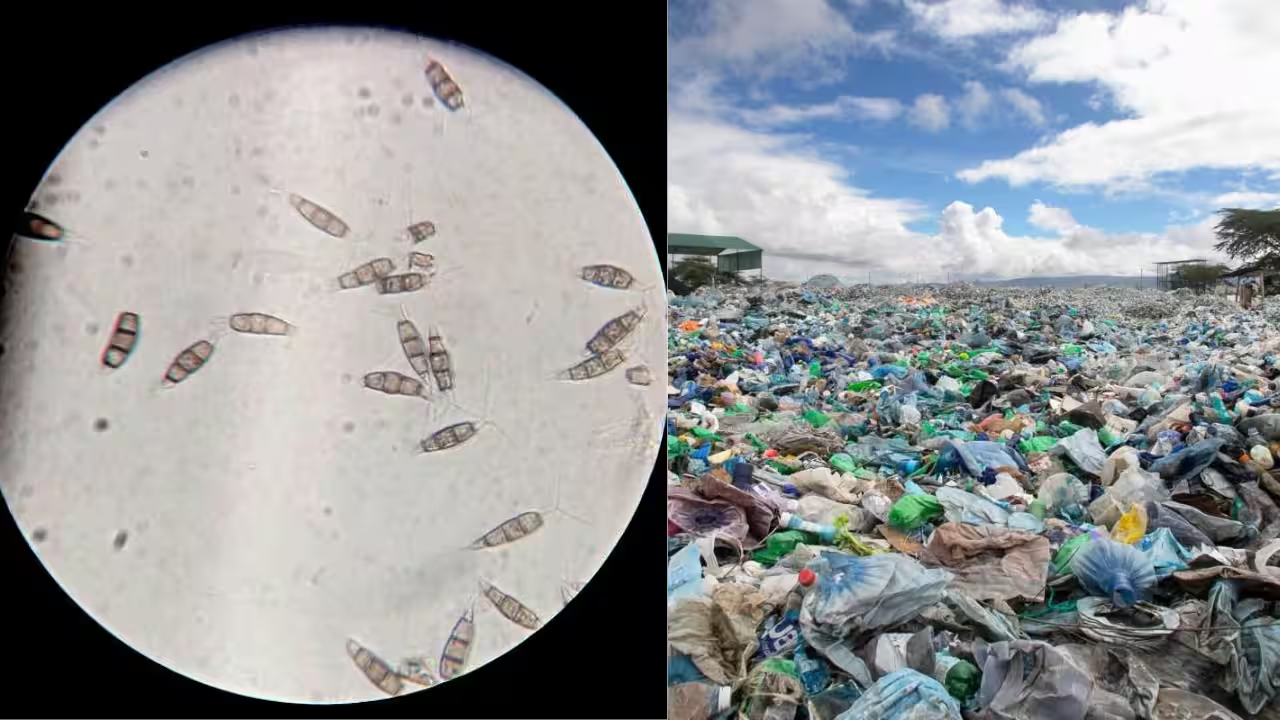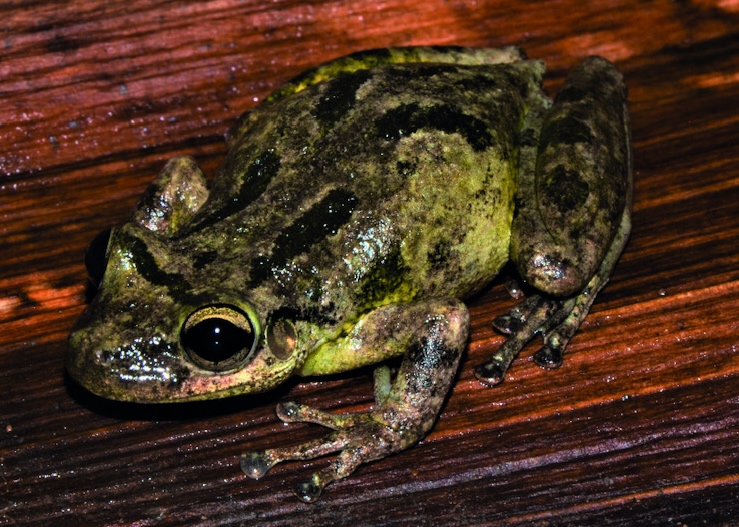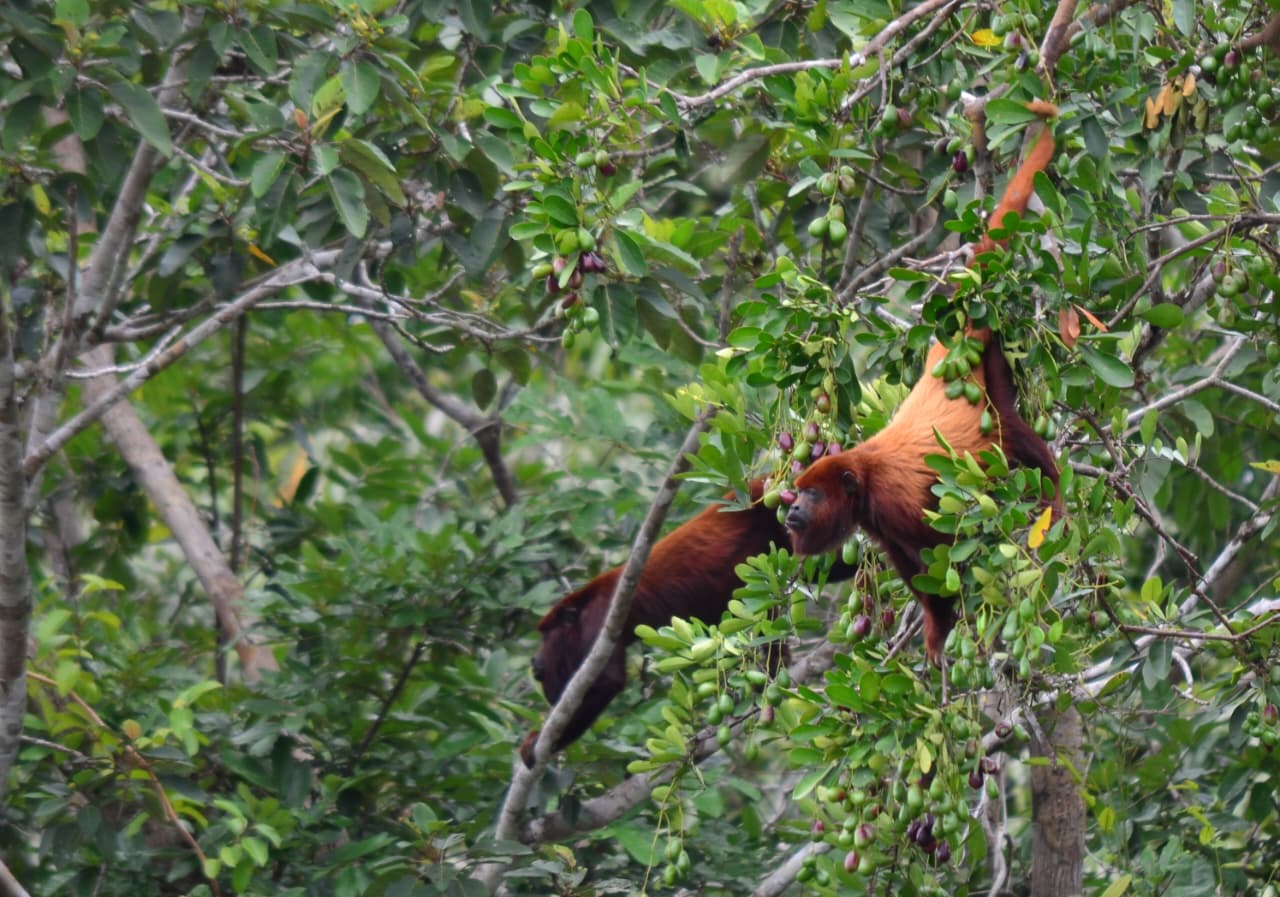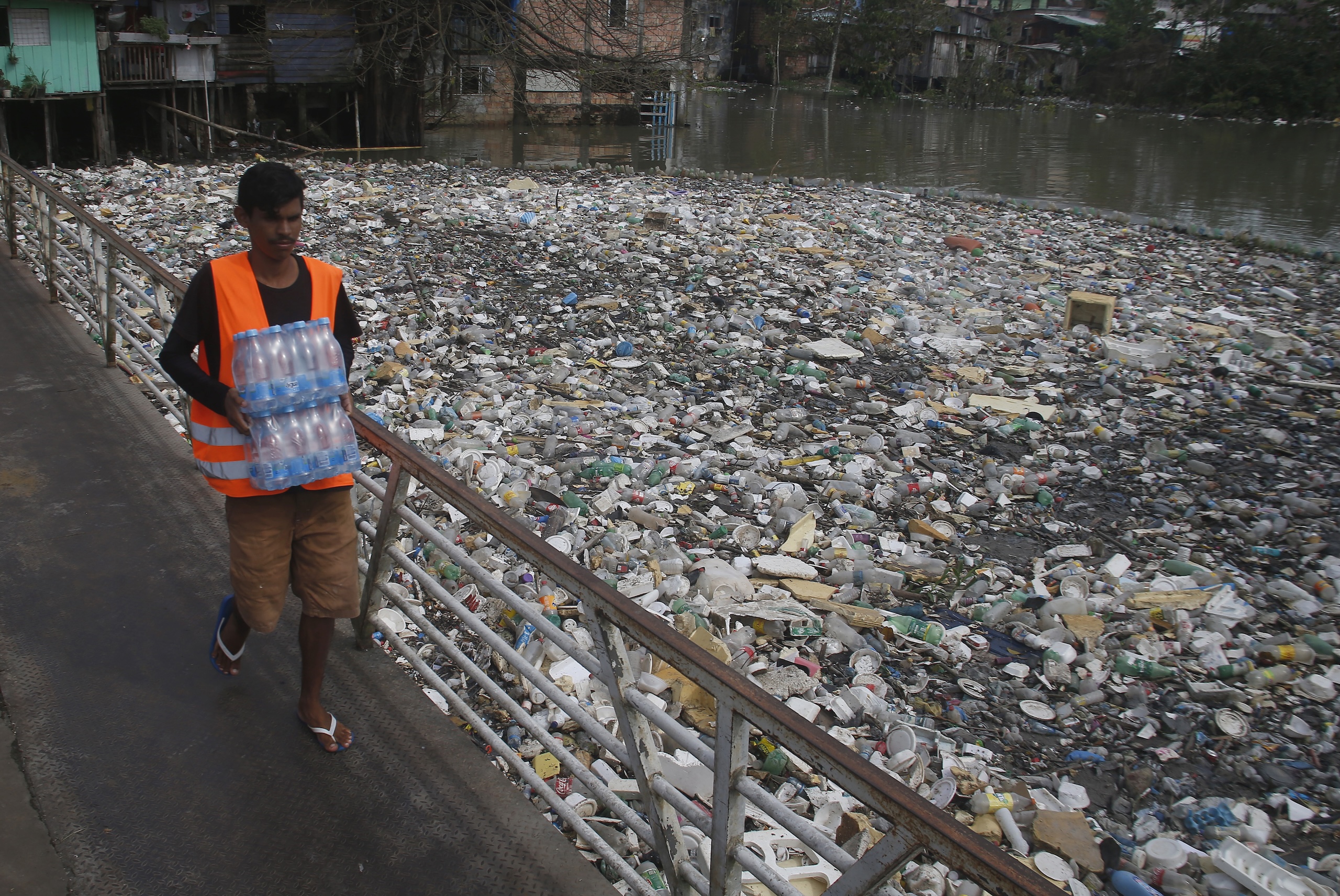
Recent studies show that microplastics are already present in a variety of Amazonian environments: Major rivers such as the Amazon, urban streams, floodplain areas and mangroves in the Amazon’s Mouth.In a single lake in eastern Manaus, researchers found microplastics in the intestines of half the jaraquis — the most consumed fish in Amazonas stateThe contamination is related to irregular waste disposal and lack of sewage collection and treatment, which allow household residues to flow directly into water bodies.This is the first story in a three-part special series on microplastics in the Amazon region; upcoming pieces will look into the effects of these particles on aquatic and terrestrial organisms.
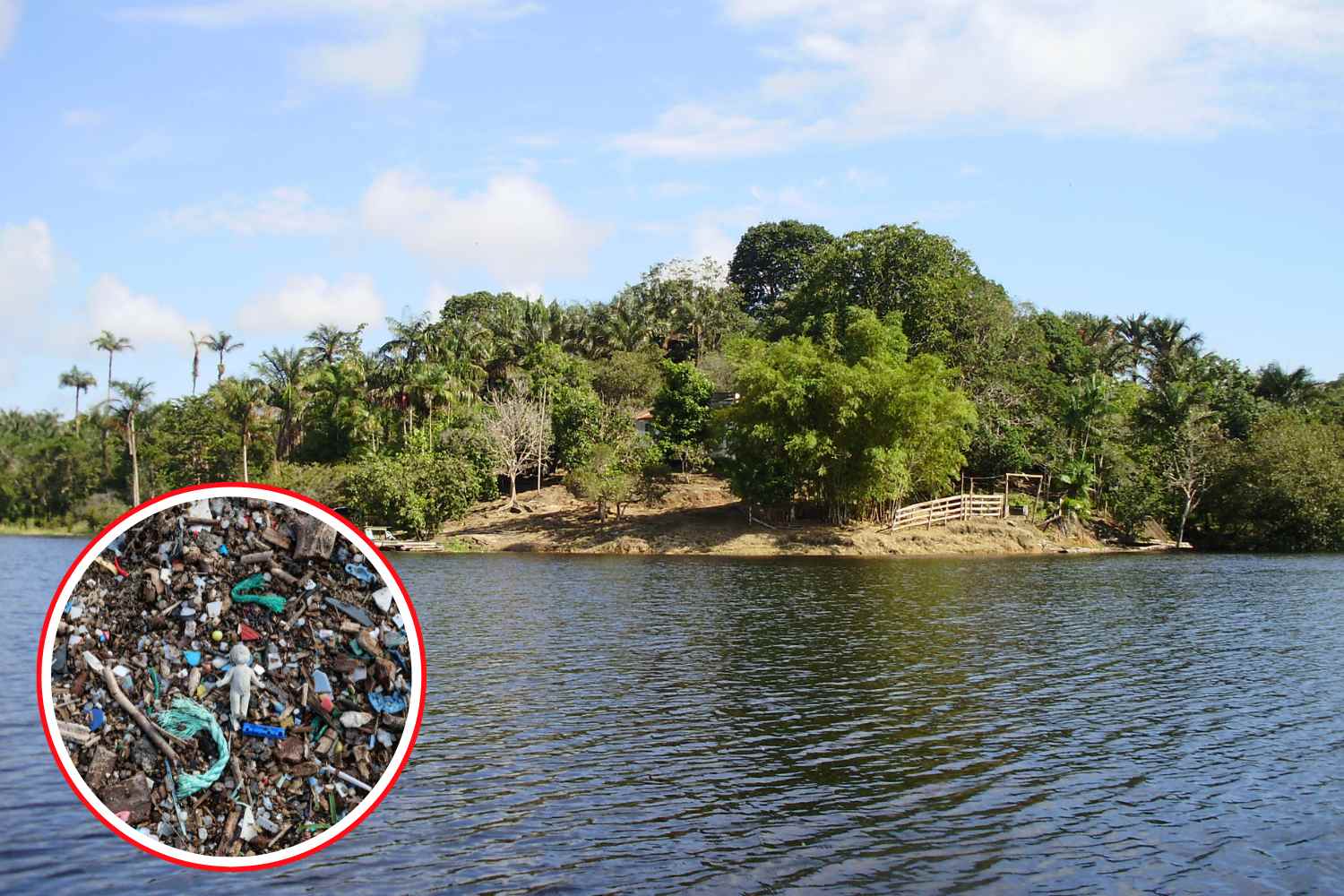
MANAUS, Brazil — On June 20, a 50-member team led by NGO Asas de Socorro and Rede Reviva walked about 1.5 kilometers (1 mile) along the shoreline of the Puraquequara Lake in eastern Manaus during a garbage-collection effort. When the activity finished covering a stretch of beach on a lake with a water surface estimated at 20-25 km2, the group had gathered a dumpster full of plastic waste. A similar effort in June 2023 had collected two dumpsters.
The group’s experience helped illustrate the results of Eletuza Uchôa Farias’s master’s research: Half of the fish collected at the lake, from two jaraqui species (Semaprochilodus insignis and Semaprochilodus taeniurus), had ingested microplastics. Once inside an organism, the particles can remain in the intestinal tract, reach other tissues and organs, and move through the food chain — from the base to predatory fish — potentially ending up in humans. The jaraqui is the most consumed fish in Amazonas state.