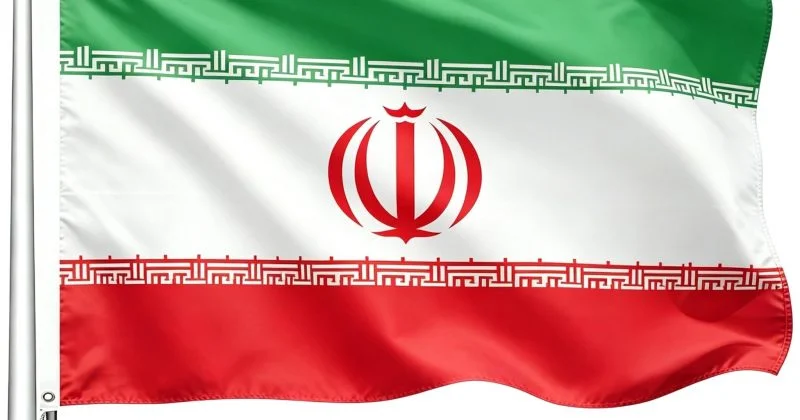
Iran has declined a cease-fire proposal from the United States, which was conveyed by Iraq’s Prime Minister Ali al-Zaidi during diplomatic efforts in Washington. This development represents a setback in negotiations aimed at resolving ongoing tensions between the U.S. and Iran, with Iraq acting as a mediator. The talks, which are part of broader efforts to achieve a stable truce, remain fragile, with unresolved issues such as nuclear constraints and geopolitical tensions in the Strait of Hormuz. Iran’s rejection of the proposal underscores the challenges in reaching a comprehensive agreement.
Key Takeaways
Iran’s rejection of the cease-fire deal suggests a significant hurdle in achieving a US-Iran agreement, consistent with scenarios that decrease the likelihood of a favorable deal.
Market pricing for the inclusion of Iran Reconstruction Funding in a potential 2026 US-Iran deal reflects a slight decrease in optimism, with the current odds at approximately 28.5% YES.
The credibility of the New York Times report further influences market sentiment, indicating diminished confidence in immediate diplomatic breakthroughs.