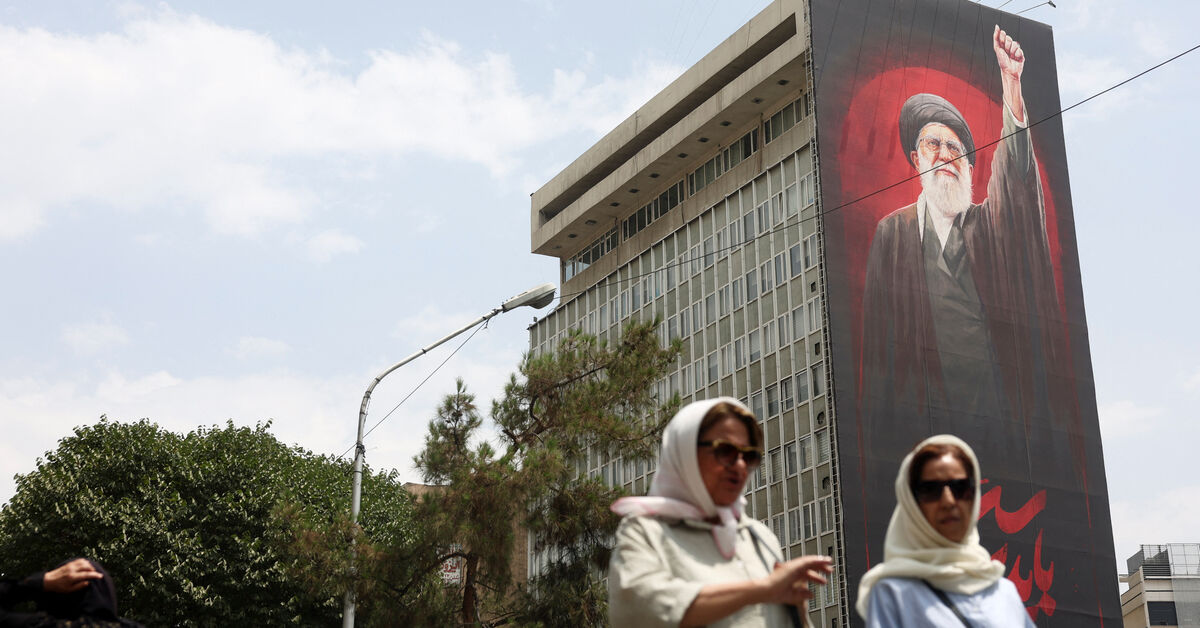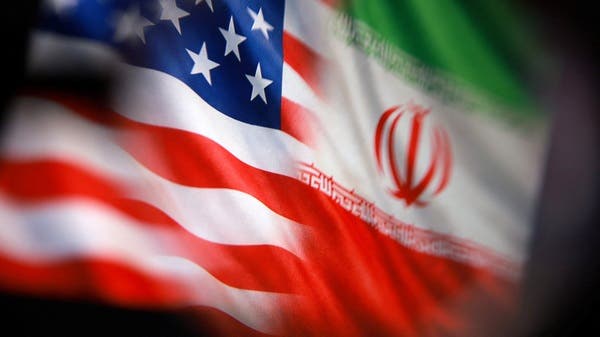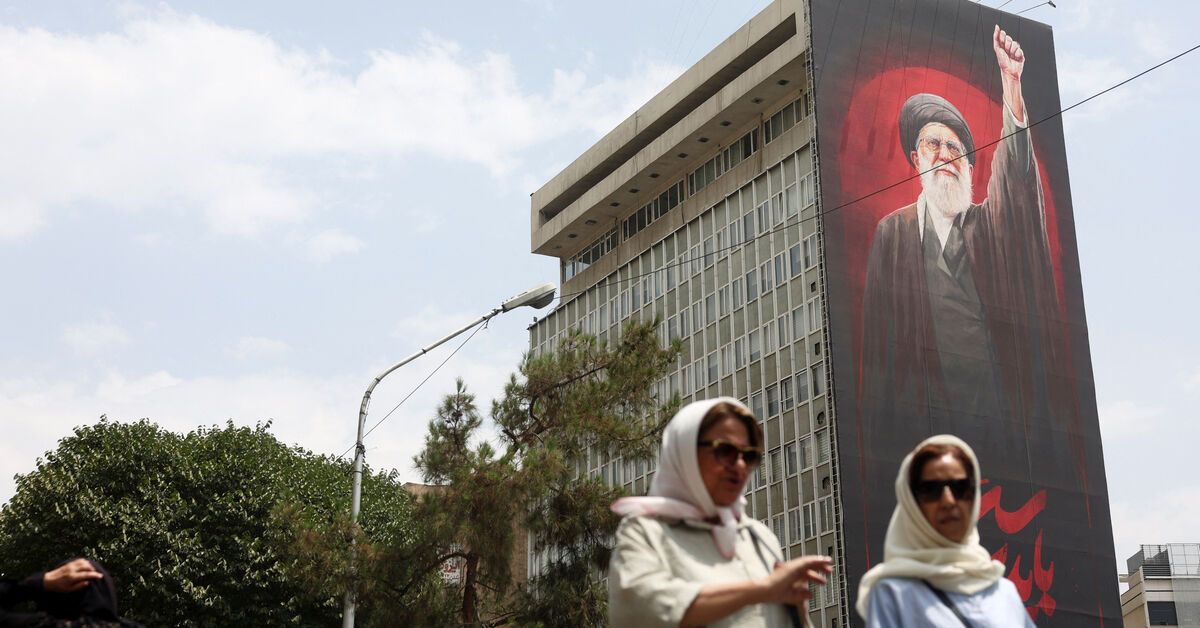
Iran drew a hard line on August 12, declaring that no discussions are underway to extend its ceasefire with the United States and demanding Washington first recommit to the interim agreement signed in June. The statement, attributed to a senior Iranian source, effectively poured cold water on speculation that the two sides were inching toward a renewed truce.
The message was blunt: the US must provide a clear timeline for fulfilling the obligations it agreed to just two months ago. Until that happens, Iran sees nothing to talk about.
What fell apart and why
The interim deal was born out of one of the most dangerous escalations in the Middle East in decades. US and Israeli military strikes against Iran on February 28, 2026, triggered a broader conflict that threatened to destabilize global energy markets and drag multiple regional actors into open warfare.
The agreement, finalized in June, was supposed to pause the fighting. Its provisions included halting military operations and reopening the Strait of Hormuz, the narrow waterway through which roughly a fifth of the world’s oil supply passes on any given day.